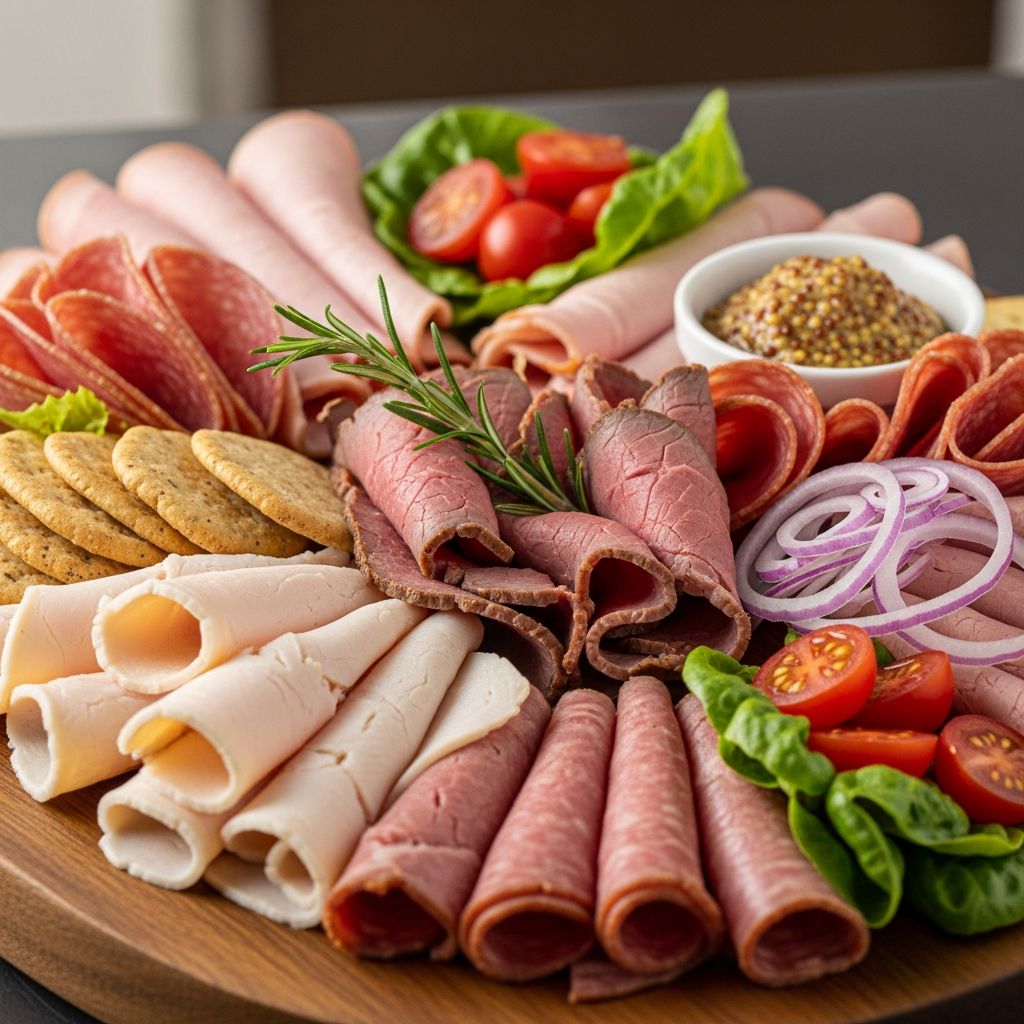
Processed meats like deli slices are convenient staples for many diets, but during pregnancy, they require careful consideration due to potential bacterial contamination. Primarily, the concern revolves around Listeria monocytogenes, a bacterium that thrives in refrigerated environments and poses severe threats to fetal development. Health authorities universally advise caution, emphasizing that while risks are low, consequences can be dire, including miscarriage or neonatal infections.
Understanding the Primary Threat: Listeria and Pregnancy
Listeria monocytogenes is uniquely dangerous because it grows at refrigerator temperatures, unlike most bacteria killed by cold storage. Pregnant individuals face a 10-fold higher risk of listeriosis due to immune system changes supporting the fetus. This infection can lead to complications such as preterm birth, stillbirth, or life-threatening newborn sepsis.
The U.S. Centers for Disease Control and Prevention (CDC) identifies deli meats as a leading source, noting that outbreaks often trace back to ready-to-eat products like turkey, ham, and bologna. Absolute incidence remains rare—about 1,600 U.S. cases yearly—but pregnancy accounts for 17% of listeriosis cases while representing only 1% of the population.
- Transmission Path: Bacteria contaminate meat during processing, slicing, or storage; cross-contamination at delis exacerbates spread.
- Symptoms in Mothers: Often mild flu-like illness, but fetal effects include amnionitis or meningitis.
- Incubation: Up to 70 days, delaying symptom onset and diagnosis.
Why Deli Meats Specifically Pose Heightened Risks
Deli meats are typically cured, smoked, or fermented without full cooking, creating ideal conditions for Listeria survival. Sliced portions at counters increase exposure through shared equipment. Pre-packaged options fare slightly better if from reputable sources but still demand scrutiny.
| Type of Deli Meat | Processing Method | Risk Level if Uneaten Cold |
|---|---|---|
| Turkey breast, ham | Cooked, sliced | High (Listeria potential) |
| Pepperoni, salami | Dried/fermented | Moderate (if fully cured) |
| Bologna, hot dogs | Emulsified, pre-cooked | High unless reheated |
| Canned spreads | Retort-processed | Low (pasteurized) |
Even ‘pasteurized’ labels don’t guarantee safety for sliced products, as post-processing handling introduces risks.
Official Health Guidelines on Processed Meats
The FoodSafety.gov portal, aggregating federal advice, explicitly lists luncheon meats among foods pregnant women should reheat to steaming hot (165°F/74°C) before eating. The NHS echoes this, warning against cured meats due to toxoplasmosis alongside Listeria, though the latter dominates U.S. concerns.
Centrealima.ca specifies that only thoroughly dried meats like certain salamis are safer cold, but most require heating to 165°F internal temperature. Peer-reviewed analysis in PMC confirms that while absolute risk per serving is minimal (around 10^-5), cumulative exposure from frequent consumption warrants avoidance or precautions.
“Pregnant women should… ensure that these foods are kept at the correct temperature (less than 4°C) at all times.”
Safe Consumption Strategies for Deli Cravings
Complete avoidance is ideal, but if cravings persist, mitigation is straightforward. Heat meats until steaming throughout—use a food thermometer for precision. Microwaving works: cover slices with a damp paper towel, heat 30-60 seconds per slice.
- Purchase from trusted delis with visible hygiene practices.
- Check ‘use by’ dates; consume immediately.
- Store at 40°F or below; discard leftovers after 3-4 days.
- Avoid room-temperature displays.
Steaming or oven-baking to 165°F eliminates Listeria, as confirmed by thermal death studies. Post-heating, incorporate into hot dishes like quesadillas or soups for added safety.
Nutritional Alternatives to Keep Your Diet Balanced
Pregnancy demands 25 extra grams of protein daily, plus iron for blood volume expansion. Deli meats provide these but at higher risk; pivot to:
- Fresh Poultry/Fish: Grill chicken or bake salmon to 165°F.
- Eggs and Dairy: Hard-boiled eggs, pasteurized yogurt (full-fat for satiety).
- Plant-Based: Lentils, chickpeas, quinoa—pair with hummus for sandwich vibes.
- Cheese Options: Hard varieties like cheddar (pasteurized) replace cold cuts.
A sample daily intake table:
| Meal | Safe Protein Source | Nutrients Provided |
|---|---|---|
| Breakfast | Greek yogurt parfait | 20g protein, calcium |
| Lunch | Grilled chicken salad | 30g protein, iron |
| Snack | Hard-boiled eggs + nuts | 12g protein, healthy fats |
| Dinner | Baked tofu stir-fry | 25g protein, fiber |
Broader Food Safety During Pregnancy
Beyond deli meats, scrutinize sprouts, unpasteurized juices, and soft cheeses. Wash produce rigorously; cook eggs fully. Cross-contamination is key—use separate boards for meats. Symptoms like fever, nausea, or muscle aches post-exposure warrant immediate medical contact, as antibiotics treat maternal infection effectively if prompt.
Frequently Asked Questions About Deli Meats in Pregnancy
Can I eat deli meat if I heat it up?
Yes, heating to an internal 165°F (74°C) kills Listeria, making it safe per CDC and FoodSafety.gov guidelines.
Are all processed meats equally risky?
No; canned varieties are safer due to high-heat processing, while sliced counter meats carry higher contamination risk.
What if I’ve already eaten cold deli meat?
Probability of issue is very low (1 in millions per serving), but monitor for symptoms and consult your doctor.
Are there pregnancy-safe sandwich ideas without deli?
Absolutely: try roasted veggie wraps, tuna salad (canned in water, pasteurized), or peanut butter with banana on whole grain.
How does listeria affect the baby specifically?
It crosses the placenta, risking miscarriage (higher pre-20 weeks), preterm labor, or newborn infections like meningitis.
Empowering Choices for a Healthy Pregnancy
Armed with this knowledge, expectant parents can indulge cravings mindfully. Prioritize whole foods, verify temperatures, and lean on healthcare providers for tailored advice. By minimizing processed meat intake and opting for verified safe practices, you safeguard both maternal well-being and fetal growth effectively.
References
- What deli meats are acceptable during pregnancy? — Centre Aima. Accessed 2026. https://centrealima.ca/en/resources/parents/pregnancy/healthy-eating/what-deli-meats-are-acceptable-during-pregnancy
- Understanding Deli Meat During Pregnancy: Safe Choices and Precautions — KeaBabies. Accessed 2026. https://keababies.com/blogs/keamommies-blog/understanding-deli-meat-during-pregnancy-safe-choices-and-precautions
- Deli Meat in Pregnancy | Can You Eat Deli Meat While Pregnant? — American Pregnancy Association. Accessed 2026. https://americanpregnancy.org/healthy-pregnancy/is-it-safe/deli-meats/
- Food-borne illnesses during pregnancy — National Center for Biotechnology Information (PMC). 2010-08-17. https://pmc.ncbi.nlm.nih.gov/articles/PMC2939108/
- Foods to avoid in pregnancy — National Health Service (NHS). Accessed 2026. https://www.nhs.uk/pregnancy/keeping-well/foods-to-avoid/
- People at Risk: Pregnant Women — FoodSafety.gov. Accessed 2026. https://www.foodsafety.gov/people-at-risk/pregnant-women