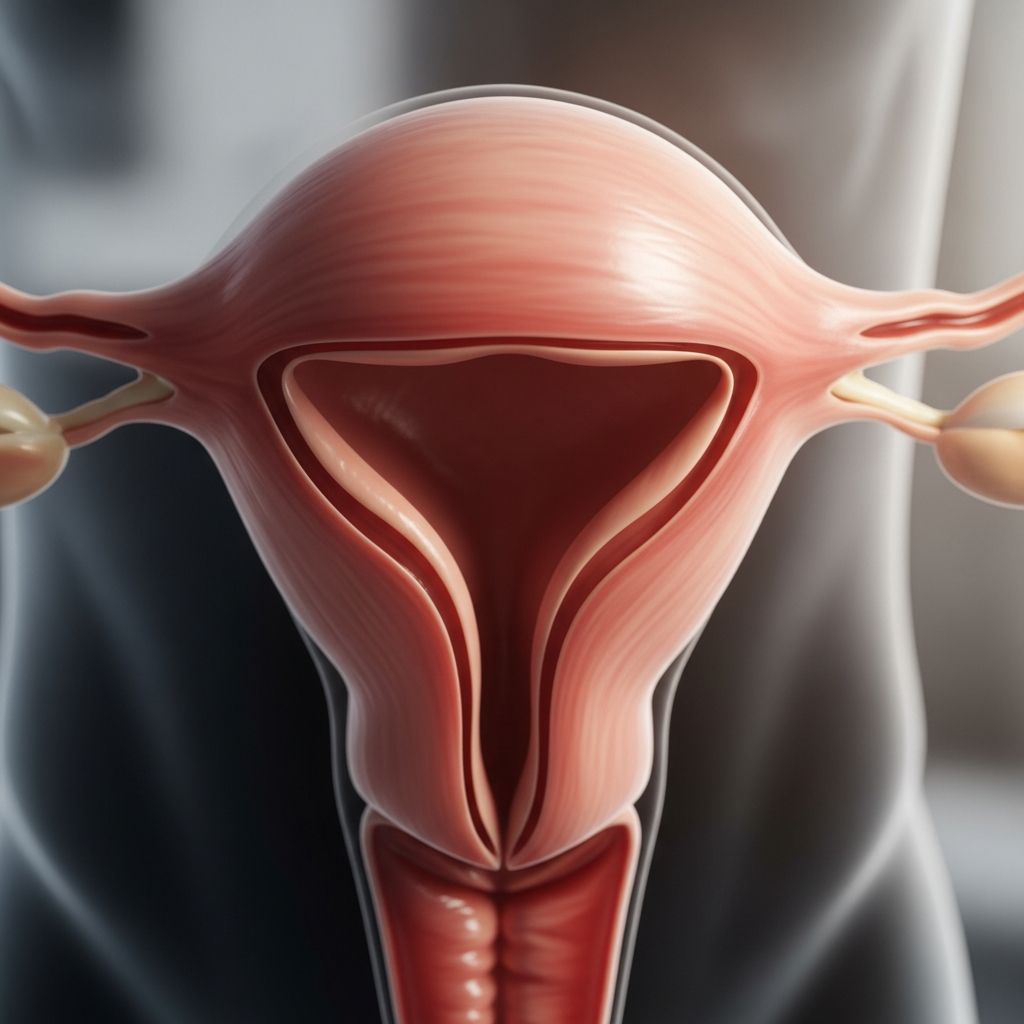
Many expectant parents wonder if discovering cervical dilation during a late-pregnancy checkup signals that labor will begin immediately. While dilation is a crucial step toward birth, it often occurs gradually over days or weeks without triggering active labor right away. Understanding this process empowers you to recognize true labor signs and prepare confidently.
Understanding Cervical Dilation in Late Pregnancy
The cervix, the lower part of the uterus, undergoes significant changes in the final weeks of pregnancy. It softens, thins (effaces), and opens (dilates) to allow the baby to pass through during birth. Dilation is measured in centimeters, from 0 (closed) to 10 (fully dilated).
Early dilation, such as 1-3 cm, can happen weeks before labor as the body prepares. This is common in first-time pregnancies or multiparous women, where the cervix may dilate up to 4 cm without contractions. Factors like hormonal shifts, baby’s position, and physical activity contribute to this prelabor phase.
- Effacement: Cervix thins from 100% thick to paper-thin.
- Dilation progression: Slow in early labor (0-6 cm), faster in active phase (6-10 cm).
- Typical timeline: Primiparous women may dilate slowly; those with prior births often progress quicker.
Being 2-3 cm dilated at a 37-week appointment doesn’t mean you’ll deliver today—many carry to term or beyond with this change already underway.
Key Physical Changes Signaling Labor is Approaching
Your body provides subtle cues as it gears up for delivery. These prelabor signs indicate the cervix is ripening and the baby is descending, even if dilation is present but labor hasn’t intensified.
Mild Cramping and Discomfort
Low abdominal cramps resembling menstrual pain often mark the onset of early labor preparation. These result from cervical softening and uterine muscle practice contractions. Unlike sharp pains, they build gradually.
Intensifying Pelvic Pressure
As the baby drops (lightening), you may feel heavy pressure in the pelvis, vagina, or rectum. This ‘lightning crotch’—sharp nerve pains—occurs when the baby’s head presses on pelvic nerves.
Backache and Nesting Urges
Persistent lower back pain stems from the baby’s position and ligament relaxation. A sudden burst of energy for cleaning (nesting) reflects hormonal surges preparing for birth.
| Sign | Description | Timing |
|---|---|---|
| Cramps | Mild, period-like | Weeks before |
| Pelvic Pressure | Heavy, dropping sensation | Days before |
| Back Pain | Dull, lower back | Variable |
Fluid and Mucus Changes: Critical Indicators
Alterations in vaginal discharge are among the most reliable prelabor signals. The mucus plug, a protective barrier, dislodges as the cervix dilates, often appearing as thick, jelly-like discharge tinged pink or brown.
- Increased watery or mucousy discharge.
- Bloody show: Small amounts of blood mixed with mucus.
- Distinguish from heavy bleeding, which requires immediate care.
Loss of the mucus plug can precede labor by days or occur during active contractions. Track changes but avoid self-diagnosis—notify your provider.
True Labor vs. Practice Contractions
Braxton Hicks contractions mimic labor but don’t progress dilation significantly. True labor contractions are regular, intensifying, and cervical-changing.
| Feature | True Labor | Braxton Hicks |
|---|---|---|
| Pattern | Regular, 5-10 min apart | Irregular, sporadic |
| Intensity | Increasing pain | Mild, fades |
| Relief | No change in position helps | Eases with rest/hydration |
| Cervical Effect | Dilates/effaces | No change |
Time contractions: If every 5 minutes, lasting 1 minute, for 1 hour (5-1-1 rule), head to your birth location.
Active Labor Milestones You Can’t Miss
Once true labor begins, unmistakable signs emerge alongside dilation progress.
- Water Breaking: Amniotic sac ruptures, releasing clear fluid (gush or trickle). About 10% experience this first.
- Regular Strong Contractions: Whole-uterus tightening, painful, pushing baby down.
- Urge to Push: Intense rectal pressure as baby enters birth canal—do not ignore.
Full dilation (10 cm) signals transition to pushing stage, typically 20 minutes to hours.
When to Contact Your Healthcare Provider Immediately
Not all symptoms warrant a rush to hospital, but certain red flags demand prompt attention, dilated or not.
- Heavy vaginal bleeding (pad-soaking).
- Decreased fetal movement.
- Water breaks with foul odor/green color (infection risk).
- Severe pain unrelieved by rest; fever over 100.4°F; sudden swelling.
Trust instincts—call if unsure. Preterm (before 37 weeks) dilation with contractions needs evaluation.
Preparing Your Body and Mind for Labor
While waiting for labor post-dilation, stay active gently: walk, practice breathing, pack hospital bag. Visualize positive birth; discuss pain management with your team.
Hydrate, rest when possible, and monitor baby kicks (10/hour). Prenatal yoga or birthing classes enhance coping skills.
Frequently Asked Questions
Can I be 4 cm dilated without contractions?
Yes, many women walk around at 3-4 cm for days or weeks before labor. This is normal prelabor ripening.
How quickly does labor progress after 5 cm dilation?
Active labor (6+ cm) accelerates; expect 1 cm/hour for first-timers, faster for multiparas.
Does losing the mucus plug mean baby is coming today?
Not necessarily—it can happen 1-2 weeks prior. Combine with contractions for timing.
What if my water breaks but no contractions?
Call your provider immediately; labor often follows within 24 hours, but monitoring prevents infection.
Is back labor common with early dilation?
Yes, posterior baby positions cause intense back pain early; position changes help.
Post-Dilation Lifestyle Tips
Opt for light walks to encourage descent; avoid strenuous activity. Eat small, nutrient-rich meals; practice perineal massage to reduce tearing risk. Communicate with partner/support for emotional readiness.
Track symptoms in a journal: note dilation from appointments, contraction patterns, discharge. This aids discussions with midwives/doctors.
Emotional waves are common—dilated but no labor can frustrate. Connect with doula groups or apps for support. Remember, every pregnancy unfolds uniquely; patience pairs with preparation for optimal outcomes.
Empowerment comes from knowledge: Dilation is progress, not a deadline. Celebrate body changes as steps toward meeting your baby safely.
References
- 15 signs your body is getting ready for labor — The Mother Baby Center. 2025-08. https://www.themotherbabycenter.org/blog/2025/08/signs-labor-is-near/
- Signs that labour has begun — NHS. Accessed 2026. https://www.nhs.uk/pregnancy/labour-and-birth/signs-that-labour-has-begun/
- 4 Early Signs Of Labor — Cleveland Clinic (YouTube Transcript). Accessed 2026. https://www.youtube.com/watch?v=QLYyT3QFQaU
- Signs of Labor — Northwestern Medicine. Accessed 2026. https://www.nm.org/conditions-and-care-areas/womens-health/obgyn/obstetrics/labor-and-delivery/signs-of-labor
- Signs of labor: Know what to expect — Mayo Clinic. Accessed 2026. https://www.mayoclinic.org/healthy-lifestyle/labor-and-delivery/in-depth/signs-of-labor/art-20046184
- How to Tell When Labor Begins — ACOG. Accessed 2026. https://www.acog.org/womens-health/faqs/how-to-tell-when-labor-begins
- Stages of Labor: What To Expect During Labor & Delivery — Cleveland Clinic. Accessed 2026. https://my.clevelandclinic.org/health/body/22640-stages-of-labor