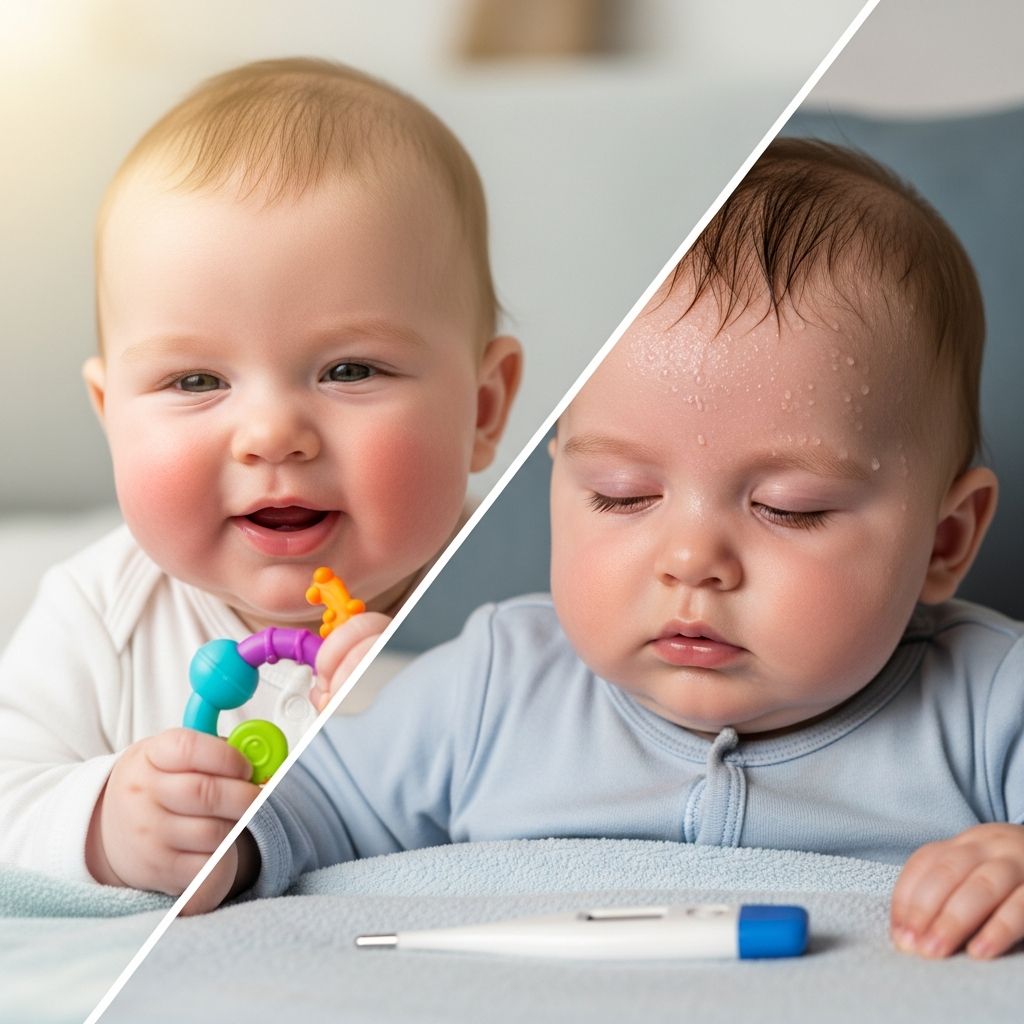
Many parents notice their baby feeling warmer during teething, sparking concerns about fever. However, medical experts clarify that while teething can cause a minor temperature elevation, it does not produce a true fever, defined as 100.4°F (38°C) or higher. This distinction is crucial for distinguishing normal development from potential illness.
Understanding the Teething Process
Teething marks the emergence of a baby’s first teeth through the gums, typically beginning around 6 months, though timelines vary. This natural milestone involves the lower central incisors appearing first, followed by upper incisors and others over the next couple of years. The pressure from erupting teeth irritates gums, leading to discomfort that manifests in various ways.
During this phase, infants produce more saliva, chew on objects, and show signs of mild distress. A subtle rise in body temperature, often up to 99-100°F, stems from localized gum inflammation rather than a systemic response. Research consistently shows this increase stays below fever thresholds, emphasizing that parents should monitor for higher readings as indicators of unrelated conditions.
Common Signs of Teething
- Excessive drooling: Babies salivate more, often leading to chin or cheek rashes from moisture.
- Gum swelling and sensitivity: Gums appear red, puffy, and tender to touch.
- Chewing behavior: Infants gnaw on toys, fingers, or fists to alleviate pressure.
- Mild fussiness: Irritability peaks but babies remain alert and responsive.
- Sleep disruptions: Short-term changes due to discomfort, not severe lethargy.
These symptoms cluster around tooth eruption days, providing clues that align with teething rather than infection. Flushed cheeks from drool irritation can mimic warmth but are superficial.
The Science Behind Temperature Changes
Studies, including a 2011 Brazilian analysis tracking 47 infants, documented slight temperature upticks the day before and on eruption day, yet none exceeded 100.4°F. A 2016 international review echoed this, attributing minor elevations to inflammatory responses in gums, not fever-inducing processes.
Inflammation triggers localized heat, but the body’s core temperature regulation prevents spikes. Excess saliva and hand-to-mouth activity increase germ exposure, potentially coinciding with mild colds, complicating perceptions. Nonetheless, true fevers arise from viral or bacterial invaders, not dental development.
Defining Fever in Infants
A rectal temperature of 100.4°F or higher confirms fever in babies under 3 months, with axillary or oral methods adjusted upward for accuracy. Fevers serve as the body’s defense, combating pathogens by creating inhospitable environments.
| Aspect | Teething Warmth | True Fever |
|---|---|---|
| Temperature Range | 99-100°F | ≥100.4°F |
| Duration | 1-2 days around eruption | Persistent, often 3+ days |
| Associated Symptoms | Drooling, chewing, gum pain | Lethargy, poor feeding, vomiting |
| Baby’s Alertness | Responsive, playful | Lethargic, inconsolable |
This comparison aids quick assessment. Teething warmth resolves swiftly without intervention, while fevers demand evaluation.
Debunking Persistent Teething Myths
Folklore links teething to diarrhea, runny noses, and high fevers, but evidence refutes these. Diarrhea results from dietary changes or viruses, not teeth. Runny noses stem from increased pathogen exposure via drooling hands, coincidental to teething.
Diaper rashes arise from stool changes or irritation, unrelated to gums. High fevers, sweating, chills, or dehydration signal illness like ear infections or respiratory viruses, common in teething-age babies due to immune maturation.
When to Contact a Pediatrician
- Temperature ≥100.4°F in infants under 3 months.
- Fever lasting over 24 hours in older babies.
- Accompanying symptoms: persistent crying, refusal to eat, rash, cough, or breathing issues.
- Baby under 3 months with any warmth elevation.
- Signs of dehydration: fewer wet diapers, dry mouth.
Err on caution; prompt consultation prevents complications. For fevers above 102°F with fussiness, seek immediate care.
Safe Relief Strategies for Teething Discomfort
Focus on soothing gums without risking safety. Clean, chilled teething rings (refrigerated, not frozen) provide counter-pressure. Gentle gum massages with a clean finger ease tenderness.
- Cold foods: For babies over 6 months, offer chilled fruit puree pouches.
- Pain relief: Acetaminophen or ibuprofen per pediatrician dosing; avoid teething gels with benzocaine.
- Distraction: Cuddles, music, or walks divert attention.
- Oral hygiene: Wipe drool to prevent rashes; introduce soft brushes post-eruption.
Avoid amber necklaces or unproven remedies; they pose choking or toxicity risks.
Teething Timeline and What to Expect
Primary teeth (20 total) erupt variably: 6-10 months for incisors, 10-16 for canines, 13-19 for molars. Full set by age 3. Track via eruption charts, but individual pace differs.
Delayed teething past 12 months warrants dental check. Over-the-counter charts guide expectations, reducing anxiety.
Long-Term Dental Health Tips
Teething transitions to care routines. Brush erupted teeth with fluoride toothpaste (rice-grain size for under 3s). Limit sugars; promote water sipping. Schedule first dental visit by age 1 or eruption.
Monitor for issues like delayed eruption or misalignment, precursors to orthodontics.
Frequently Asked Questions
Can teething ever cause a real fever?
No, teething does not cause fevers above 100.4°F. Any such reading points to infection or illness.
How accurate are forehead thermometers for babies?
Rectal remains gold standard; forehead strips or temporal scanners approximate but confirm rectally if fever suspected.
Is it normal for teething to last weeks?
Per tooth, symptoms span days; prolonged discomfort suggests other causes.
Should I use teething tablets?
Avoid; FDA warnings highlight risks like belladonna toxicity. Stick to vetted methods.
What if my baby has fever and teething signs together?
Treat as illness; teething doesn’t preclude viruses. Consult pediatrician.
References
- Teething Or Sick: How To Tell In Your Baby — Franciscan Health. 2022-05-12. https://www.franciscanhealth.org/community/blog/teething-or-sick-how-to-tell-in-your-baby
- Can Teething Cause a Fever in Babies? — Healthline. 2023-08-15. https://www.healthline.com/health/teething-fever
- Is It Teething, or Is Your Baby Sick? — WebMD. 2024-01-10. https://www.webmd.com/parenting/baby/baby-teething-sick
- Teething (Teething Syndrome): Symptoms & Tooth Eruption Chart — Cleveland Clinic. 2023-11-20. https://my.clevelandclinic.org/health/articles/11179-teething-teething-syndrome
- Teething – 4 to 7 Months — American Academy of Pediatrics (HealthyChildren.org). 2024-02-28. https://www.healthychildren.org/English/ages-stages/baby/teething-tooth-care/Pages/Teething-4-to-7-Months.aspx