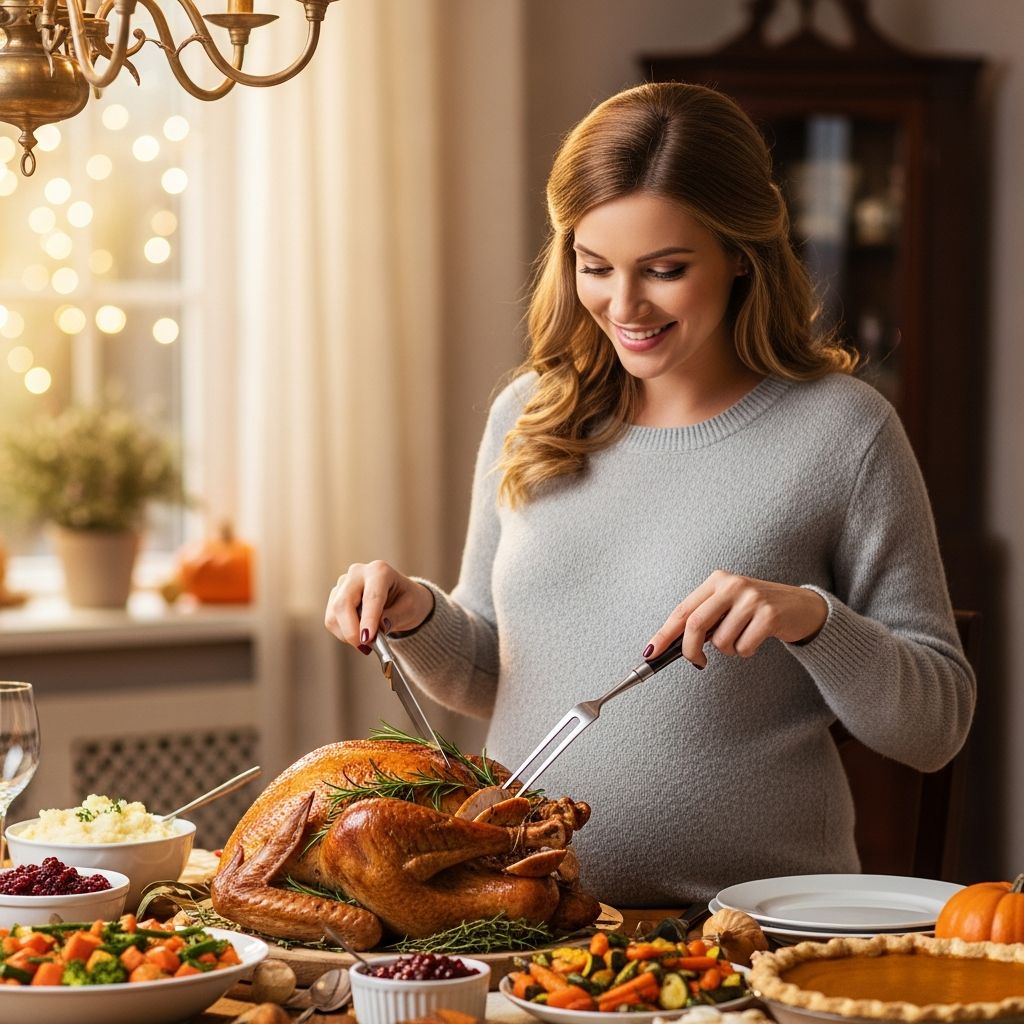
Expectant mothers often wonder about enjoying traditional holiday foods like turkey without compromising their health or their baby’s. Poultry, particularly turkey, can be safely consumed during pregnancy when prepared correctly, offering valuable protein and nutrients essential for fetal development. This guide draws from authoritative health organizations to outline best practices for safe consumption.
Understanding Risks of Poultry in Pregnancy
Pregnant women face heightened vulnerability to foodborne illnesses due to hormonal changes that slow digestion and bolster pathogen survival. Pathogens like Listeria monocytogenes, Salmonella, and Campylobacter pose significant threats, potentially leading to severe complications such as miscarriage, preterm labor, or developmental issues in the fetus. Turkey, as poultry, requires meticulous handling to mitigate these dangers.
Listeria is particularly concerning because it thrives in refrigerated environments, unlike many bacteria killed by cooking. Pregnant individuals are 10 times more likely to contract listeriosis, which can cross the placenta and affect the unborn child. Salmonella from undercooked poultry can cause dehydration and fever, exacerbating pregnancy discomforts.
Nutritional Benefits of Turkey for Expectant Moms
Despite risks, turkey provides key nutrients. A 3-ounce serving of roasted turkey breast delivers about 25 grams of high-quality protein, crucial for tissue growth and repair in both mother and baby. It’s rich in B vitamins like niacin and B6, supporting energy metabolism and red blood cell formation, and selenium, an antioxidant aiding thyroid function vital during pregnancy.
Turkey also supplies iron and zinc, helping prevent anemia and bolstering immunity. When lean cuts are chosen and skin removed, it fits well into a balanced prenatal diet, complementing recommendations for 71 grams of daily protein.
Essential Cooking Guidelines for Turkey Safety
To eliminate pathogens, all poultry must reach an internal temperature of 165°F (74°C), verified with a food thermometer in the thickest part without touching bone. This applies to whole turkeys, breasts, ground turkey, and leftovers.
| Food Item | Safe Internal Temperature | Additional Notes |
|---|---|---|
| Whole Turkey | 165°F | Check thigh, wing, and stuffing |
| Turkey Breast | 165°F | Thickest part |
| Ground Turkey | 165°F | Throughout patty |
| Leftovers | 165°F | Reheat only once |
| Hot Dogs/Deli Turkey | 165°F | Until steaming hot |
Use a digital thermometer for accuracy. Juices should run clear, not pink. Avoid relying on color alone, as it’s not a reliable doneness indicator.
Step-by-Step Safe Turkey Preparation
- Wash Hands and Surfaces: Scrub hands with soap for 20 seconds before and after handling raw turkey. Sanitize counters, sinks, and utensils with hot soapy water or disinfectant.
- Separate Raw from Ready-to-Eat: Use dedicated cutting boards for raw poultry. Never place cooked turkey on surfaces touched by raw meat.
- Thaw Properly: Refrigerate at 40°F or below, allowing 24 hours per 4-5 pounds. Avoid room temperature thawing to prevent bacterial growth.
- Cook Immediately: Do not partially cook and refrigerate; complete cooking in one session.
- Stuff Safely: Refrigerate stuffing separately or stuff just before roasting. Ensure it reaches 165°F.
Handling Leftovers and Storage Tips
Cool turkey to below 40°F within two hours of cooking. Refrigerate in shallow containers within two hours, covered loosely to allow steam escape. Consume within 3-4 days or freeze for up to four months. Reheat only what you’ll eat to 165°F; avoid repeated reheating.
For holiday feasts, carve and store portions separately. Label with dates to track freshness. Discard if you notice off odors, slime, or mold.
Holiday Meal Strategies for Pregnancy
Thanksgiving or similar gatherings amplify risks from buffets and shared dishes. Opt for freshly carved hot turkey over pre-sliced cold versions. Request well-done preparations when dining out.
- Choose pasteurized gravies and sauces, boiling them if homemade.
- Skip raw or undercooked sides like runny eggs in dressings.
- Load up on washed vegetables and fruits for fiber and vitamins.
- Hydrate with pasteurized beverages; avoid unpasteurized ciders.
Moderation prevents overindulgence-related issues like heartburn, common in pregnancy.
Beyond Turkey: Other Foods to Watch
Poultry safety ties into broader guidelines. Avoid raw/undercooked meats, unpasteurized dairy, raw sprouts, and high-mercury fish. Safe alternatives include pasteurized cheeses and fully cooked eggs.
| Riskier Choices | Safer Alternatives |
|---|---|
| Raw/undercooked poultry | Cooked to 165°F |
| Unpasteurized milk/cheese | Pasteurized versions |
| Soft cheeses (Brie, Feta unless labeled) | Hard cheeses or cooked soft |
| Raw eggs/doughs | Firm-cooked eggs |
| Refrigerated pâtés | Canned or fully cooked |
Common Myths About Pregnancy and Turkey
Myth 1: All cold turkey is unsafe. Fact: Fully cooked and reheated cold cuts are okay if steaming hot.
Myth 2: Freezing kills all bacteria. Fact: Freezing halts growth but doesn’t eliminate pathogens; cook thoroughly post-thaw.
Myth 3: Turkey must rest before checking temperature. Fact: Test during cooking or at serving.
Frequently Asked Questions
Can I eat deli turkey slices while pregnant?
Yes, if heated to 165°F until steaming. Avoid cold straight from the package due to Listeria risk.
Is ground turkey safer than whole?
No, both require 165°F. Ground meat has more surface area for contamination.
What if I accidentally ate undercooked turkey?
Contact your healthcare provider immediately. Monitor for symptoms like fever, nausea; prompt treatment is key.
Can I stuff the turkey ahead?
No, stuff right before cooking to avoid bacterial growth in the moist environment.
Are turkey burgers safe?
Yes, cooked to 165°F internally, like all ground poultry.
Empowering Your Pregnancy Diet Choices
Armed with these practices, enjoy turkey confidently. Consult your obstetrician for personalized advice, especially with conditions like gestational diabetes. Prioritizing food safety ensures a healthy pregnancy journey.
References
- Food Safety Risks for Pregnant Women — Academy of Nutrition and Dietetics. 2023. https://www.eatright.org/health/pregnancy/prenatal-nutrition/food-safety-risks-for-pregnant-women
- Safer Food Choices for Pregnant Women — Centers for Disease Control and Prevention (CDC). 2024-10-01. https://www.cdc.gov/food-safety/foods/pregnant-women.html
- Foods to avoid in pregnancy — National Health Service (NHS). 2024. https://www.nhs.uk/pregnancy/keeping-well/foods-to-avoid/
- Pregnancy nutrition: Foods to avoid during pregnancy — Mayo Clinic. 2024-08-15. https://www.mayoclinic.org/healthy-lifestyle/pregnancy-week-by-week/in-depth/pregnancy-nutrition/art-20043844
- Food safety in pregnancy — The Royal Women’s Hospital. 2024-08-16. https://thewomens.r.worldssl.net/images/uploads/fact-sheets/Food-safety-in-pregnancy_240816.pdf
- People at Risk: Pregnant Women — Partnership for Food Safety Education (FoodSafety.gov). 2024. https://www.foodsafety.gov/people-at-risk/pregnant-women