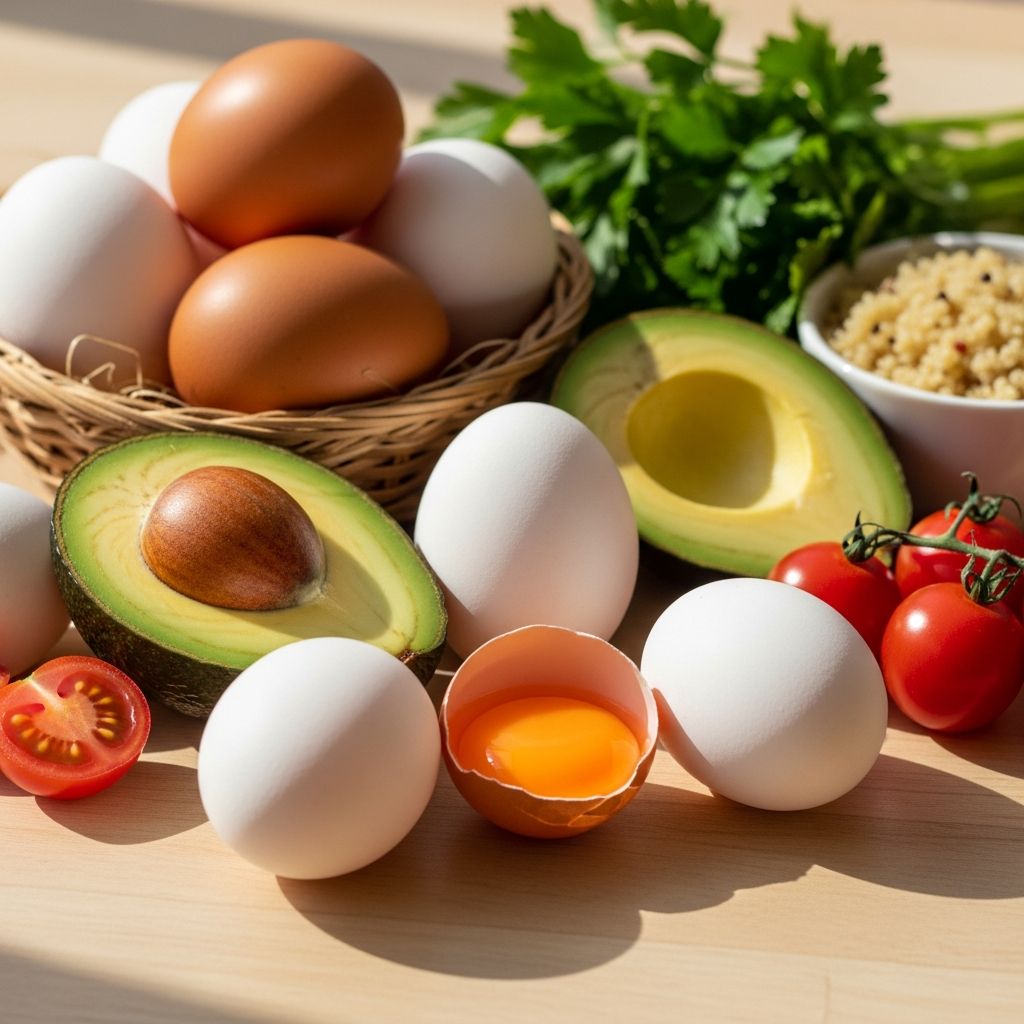
Eggs rank among the most nutrient-dense foods suitable for expectant mothers, delivering high-quality protein, essential vitamins, and minerals crucial for fetal development and maternal well-being. Health authorities worldwide endorse their inclusion in a balanced prenatal diet when prepared correctly to mitigate risks like bacterial contamination.
Nutritional Powerhouse of Eggs for Expectant Mothers
During pregnancy, the body’s demand for nutrients surges to support the growing baby, placenta, and maternal changes. Eggs fulfill multiple needs efficiently. A single large egg provides about 6 grams of complete protein, containing all nine essential amino acids vital for tissue repair and growth.
The yolk is particularly rich in **choline**, a nutrient essential for brain development and preventing neural tube defects. One egg delivers around 147 mg of choline, contributing significantly to the daily recommended intake of 450 mg for pregnant women. Eggs also supply vitamin D for bone health, B vitamins for energy metabolism, and healthy fats including omega-3s that aid cognitive function in the fetus.
Selenium and lutein in eggs act as antioxidants, protecting cells from damage and supporting vision health. These elements make eggs a convenient, affordable superfood for combating common pregnancy deficiencies.
Recommended Daily Intake for Pregnant Women
Nutrition guidelines suggest pregnant women can safely consume 1-2 eggs per day, adjusted based on overall diet, cholesterol levels, and medical advice. If eggs serve as the primary protein source, up to two daily are beneficial; otherwise, one suffices alongside meats, dairy, or legumes.
This moderation ensures nutrient benefits without excess calories or cholesterol overload. The American College of Obstetricians and Gynecologists emphasizes balancing eggs with diverse proteins for optimal nutrition. Individual needs vary, so consulting a healthcare provider personalizes intake recommendations.
Understanding Risks: Salmonella and Food Safety Concerns
The primary concern with eggs during pregnancy is **salmonella**, a bacterium that can contaminate raw or undercooked eggs, leading to food poisoning. Pregnant women face heightened vulnerability due to immune system changes, experiencing severe symptoms like vomiting, diarrhea, fever, and dehydration, though the fetus is rarely directly harmed.
Outbreaks are rare in regions with strict regulations, but precautions remain essential. Listeria, another pathogen, is less associated with eggs but underscores the need for pasteurization and thorough cooking.
Safe Egg Selection and Storage Practices
Choosing quality eggs minimizes risks. Opt for fresh, uncracked eggs from reputable sources with intact shells. In the UK, select British Lion-marked eggs, produced under stringent hygiene standards including hen vaccination and testing, allowing safer consumption even when runny.
- Check for the red Lion stamp on UK eggs for reduced salmonella risk.
- Choose pasteurized eggs for recipes needing raw use, heat-treated to kill bacteria without cooking.
- Store eggs in the refrigerator at 40°F (4°C) or cooler, ideally in their carton to maintain humidity and prevent odor absorption.
- Discard cracked, dirty, or past “best by” date eggs to avoid contamination.
Proper handling—washing hands after contact with raw shells—further safeguards health.
Best Cooking Methods to Eliminate Dangers
Thorough cooking renders eggs safe by firming both yolk and white, destroying salmonella. Aim for internal temperatures of 160°F (71°C).
| Method | Safety Tips | Nutrient Retention |
|---|---|---|
| Boiled | Cook 10-12 minutes for hard-boiled; yolk must be solid. | High; minimal loss. |
| Scrambled | Stir until no longer moist or shiny; cook on medium heat. | Good; quick prep preserves most vitamins. |
| Poached | Simmer 3-5 minutes until yolk firms; use Lion eggs if runny preferred. | Excellent; retains moisture and nutrients. |
| Fried/Omelet | Cook both sides until yolk sets; avoid flipping too early. | Moderate; watch for overcooking. |
Avoid raw preparations like Caesar dressing or tiramisu unless using pasteurized or Lion-approved eggs. Commercial products often use pasteurized eggs, making them safer.
Creative and Nutritious Egg Recipes for Pregnancy
Incorporate eggs into meals for variety and sustained energy. Start the day with veggie-packed omelets blending spinach, tomatoes, and cheese for folate and calcium boosts. For lunch, hard-boiled eggs in salads add protein without heaviness.
Dinner ideas include baked egg muffins with whole grains or quiches loaded with lean meats and greens. Snacks like deviled eggs with avocado provide healthy fats. These recipes enhance palatability while maximizing nutrition.
Debunking Persistent Myths About Eggs
Myths deter many from eggs despite benefits. One claims yolks raise cholesterol harmfully—yet dietary cholesterol minimally impacts blood levels for most, and benefits outweigh risks.
- Myth: Egg whites only for pregnancy. False; yolks hold choline, vitamin D, and fats essential for development.
- Myth: Eggs generate ‘body heat.’ No evidence; cultural belief without science.
- Myth: Brown eggs superior. Nutrition identical; shell color reflects hen breed.
- Myth: Daily eggs unsafe. Approved at 1-2/day when cooked properly.
Special Considerations for Allergies and Diets
Egg allergies affect few pregnant women but warrant avoidance if present; consult doctors for alternatives like tofu or quinoa. No evidence links maternal egg intake to infant allergies—in fact, exposure may reduce risks.
For vegetarians, eggs provide key animal protein. Vegans can explore fortified foods, though eggs’ unique profile is unmatched. Always balance with prenatal vitamins.
Frequently Asked Questions (FAQs)
Can pregnant women eat runny eggs?
Yes, if British Lion-marked or equivalent certified; otherwise, cook fully to avoid salmonella.
Are omelets safe during pregnancy?
Absolutely, when cooked through—no runny centers.
How many eggs per day is ideal?
1-2, depending on diet; seek doctor advice.
Do eggs cause baby allergies?
No strong link; consult if family history exists.
Pasteurized vs. regular eggs?
Pasteurized safer for raw use; both fine when cooked.
Storage life for pregnancy safety?
Use within 3-5 weeks from packing; refrigerate promptly.
Eggs enhance pregnancy diets profoundly when handled right, supporting robust health outcomes. Prioritize quality, cooking, and balance for maximum gains.
References
- Are Eggs Safe to Eat During Pregnancy? Complete Guide — Eggoz. 2023. https://www.eggoz.com/blogs/lifestyle/how-many-eggs-can-you-eat-during-pregnancy
- Is it safe to eat raw or runny eggs in pregnancy? — Tommy’s. 2024-04-04. https://www.tommys.org/pregnancy-information/being-pregnant/nutrition-pregnancy/it-safe-eat-raw-or-runny-eggs-pregnancy
- Can You Eat Eggs in Pregnancy? Safest Options and Benefits — Healthline. 2023. https://www.healthline.com/health/pregnancy/eggs-in-pregnancy
- Foods to avoid in pregnancy — NHS. 2024. https://www.nhs.uk/pregnancy/keeping-well/foods-to-avoid/
- Eating Eggs in Pregnancy | Runny Eggs, Scrambled & More — Aptaclub. 2023. https://www.aptaclub.co.uk/pregnancy/diet-and-nutrition/understanding-food-groups/eggs-during-pregnancy.html
- Food-borne illnesses during pregnancy: Prevention and treatment — PMC (NCBI). 2010-04-12. https://pmc.ncbi.nlm.nih.gov/articles/PMC2860824/
- Important Food Safety Information — American Egg Board. 2023. https://www.incredibleegg.org/egg-handling-storage-tips/