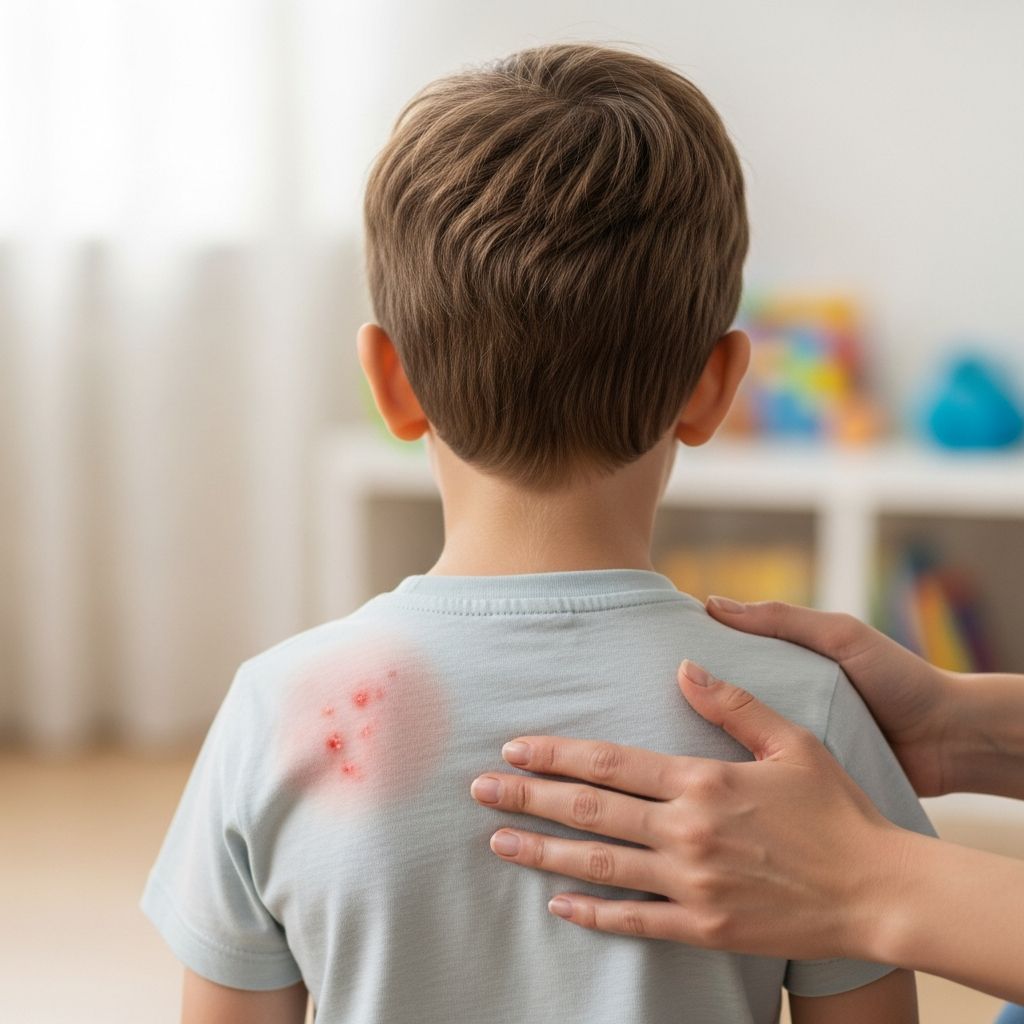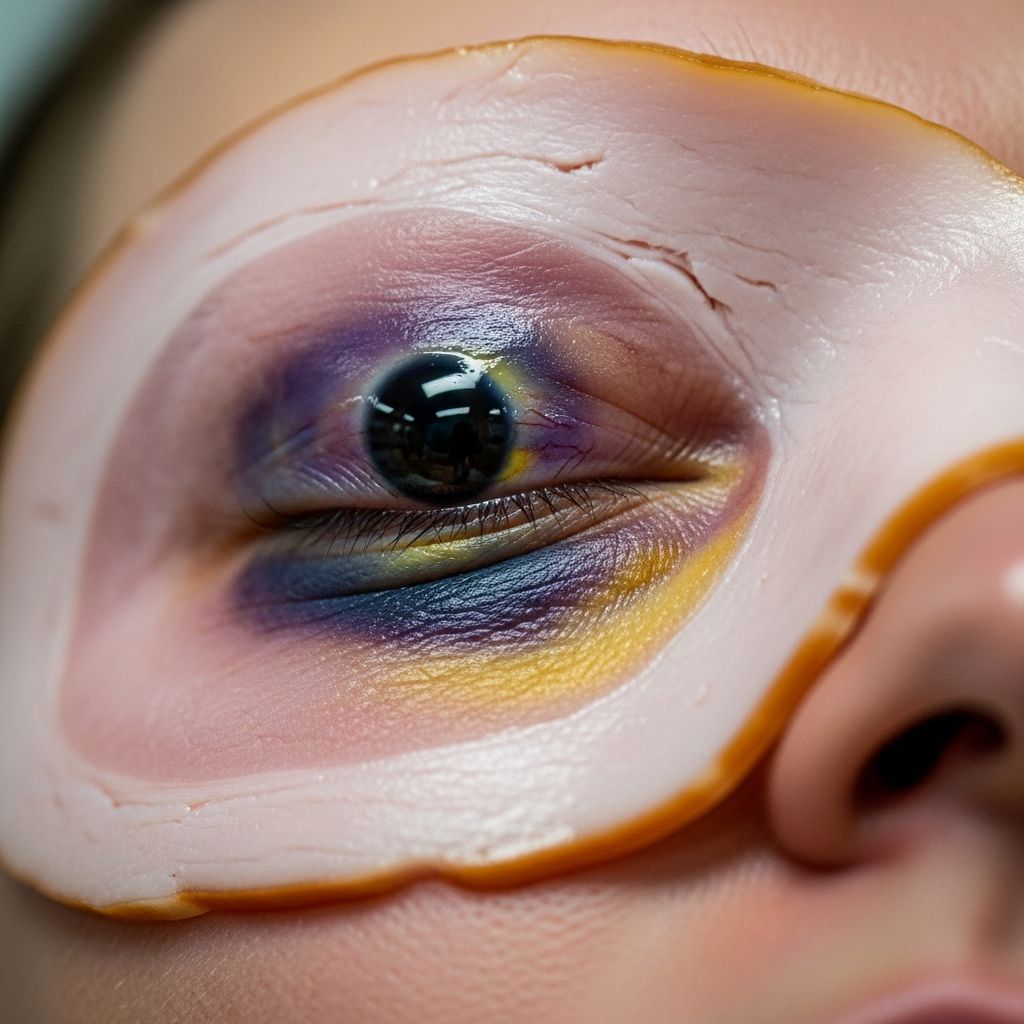
A playful TikTok recently revived one of the most memorable gags from The Sandlot: slapping a slice of ham over a kid’s black eye. What began as a nostalgic movie reference quickly sparked a very real question for parents: can cold meat actually help a bruise—or is this just another Hollywood myth?
This article uses that viral moment as a starting point to unpack how movie scenes shape what families think of as “home remedies,” why raw or processed food has no place in first aid, and what pediatric and emergency medicine experts recommend instead when your child comes home with a shiner.
The Viral Callback: TikTok, Nostalgia, and A Famous Ham Gag
In the original The Sandlot scene, a black eye becomes comic relief: a parent reaches into the fridge, grabs a massive slab of meat, and casually presses it on the injury. A recent TikTok riffed on that moment with a similar setup, and viewers immediately recognized the reference, flooding the comments with quotes and inside jokes.
But beneath the laughter, a more serious undercurrent emerged: some commenters genuinely wondered whether this old trick might actually work, or at least be harmless. Others shared memories of steak, bacon, or ham being used on injuries in their own childhoods.
This blend of nostalgia and practical confusion is a prime example of how pop culture can blur the line between fiction and real-world health advice—especially for busy parents looking for quick fixes.
Cinematic “Cures”: How Movies Turn Gags Into Home Remedies
Film and TV have a long history of taking visual shortcuts with injuries and treatments. Certain images are so instantly recognizable that they get reused for decades, regardless of whether they make medical sense.
- Steak on a black eye – a thick, marbled steak over a bruise is a visual staple because it’s funny, dramatic, and easy to understand on screen.
- Pouring alcohol directly into wounds – it looks gritty and heroic, but it is often overdone or misapplied compared with real first aid guidelines.
- “Walk it off” sports scenes – characters shake off serious head injuries or concussions with no rest or evaluation.
These tropes leave parents with powerful mental images when real injuries happen at home. Under stress, we often reach for what we remember, not necessarily what is evidence-based. That is why public health agencies regularly remind caregivers to rely on established guidelines, not what they’ve seen on screen.
Why Meat on a Black Eye Is a Bad Idea
The ham joke works in a movie because it’s absurd and visually memorable. In real life, pressing a slice of ham or a raw steak to a child’s bruise combines three problems at once: questionable benefit, unnecessary risk, and poor hygiene.
1. No evidence it helps healing
- Medical literature and professional guidelines consistently recommend cold therapy (ice packs or cold compresses) for bruises, not food products.
- The only useful part of the old steak-or-ham trick was the temperature; the meat acted like an improvised cold object. The food itself offers no special anti-bruising properties.
2. Real risk of bacterial contamination
- Raw or undercooked meats can carry bacteria such as E. coli, Salmonella, and Campylobacter, which are common causes of foodborne illness in children.
- Putting meat directly on the skin, especially near the eye, increases the chance of transferring bacteria to the eye surface or small breaks in the skin, which can lead to infection.
- Even cooked or cured meats are not sterile; they can still harbor bacteria if handled or stored improperly.
3. Extra risk around the eye
- The eye and surrounding skin are particularly sensitive. Eye infections can become serious quickly, sometimes affecting vision if not treated promptly.
- Food particles, seasonings, or brine from ham can irritate the eye surface, causing redness, burning, or allergic reactions.
In short, the “cure” offers no unique benefit and adds risks that medical professionals specifically warn against when advising on food safety and eye care.
What Experts Recommend for a Black Eye
So what should parents do when their child takes a ball to the face in a game or runs into the edge of a table and ends up with a black eye? Pediatric and emergency medicine guidelines tend to emphasize the same basic steps.
| Goal | Recommended Action |
|---|---|
| Reduce swelling and pain | Apply a cold pack or wrapped bag of ice to the area for 10–20 minutes at a time, several times a day in the first 24–48 hours. |
| Protect the skin | Always place a thin cloth or towel between the ice and skin to avoid frostbite or irritation. |
| Manage discomfort | Use age-appropriate acetaminophen or ibuprofen if recommended by a pediatrician. Avoid aspirin in children. |
| Monitor for complications | Watch for changes in vision, severe pain, or signs of head injury and seek care if they appear. |
Simple step-by-step home care
- Stay calm and assess
Check whether your child is alert, can answer questions, and remembers what happened. Look for obvious cuts, heavy bleeding, or visible eye injury. - Clean gently
If there is broken skin away from the eye, rinse gently with clean water and pat dry. Do not use harsh cleaners or scrub near the eye. - Apply cold correctly
Use a cold pack, a bag of frozen peas, or a chilled washcloth wrapped in a light towel. Apply to the area around the eye (not pressing hard on the eyeball) for 10–20 minutes. Repeat every few hours as needed the first day. - Elevate when resting
Keeping the head slightly elevated on an extra pillow can help reduce swelling in the first night after injury. - Offer comfort and observe
Reassure your child, monitor for increasing swelling, and check their vision (“Can you see my fingers?”) from time to time.
When a Black Eye Needs a Doctor—Or the ER
Most black eyes from minor bumps or sports mishaps look worse than they are. But certain warning signs indicate a potentially serious eye or head injury that should be evaluated by a medical professional or emergency department.
Red-flag symptoms
- Changes in vision – blurriness, double vision, trouble focusing, or loss of part of the visual field.
- Inability to move the eye normally or pain when moving the eye.
- Severe or worsening pain around the eye or face.
- Bleeding inside the eye (the white of the eye looks red or filled with blood) or visible damage to the eyeball.
- Persistent headache, vomiting, confusion, or drowsiness suggesting possible concussion or more serious head injury.
- Blood or clear fluid leaking from the nose or ear after a facial impact.
Pediatric and ophthalmology guidelines recommend prompt evaluation for any eye injury accompanied by visual changes or obvious structural damage, since delays can result in worse outcomes.
Why Parents Still Reach for Movie-Inspired Remedies
If meat on a bruise is such a bad idea, why does the idea keep resurfacing whenever a nostalgic movie clip pops up in our feeds?
1. The power of stories and humor
Funny scenes from movies anchor in memory far more strongly than dry instructions. Neuroscience and psychology research has shown that people retain information better when it is connected to vivid stories or emotional content. That makes a goofy ham gag easier to recall than the phrase “apply a wrapped cold compress.”
2. The comfort of tradition
Many adults grew up with relatives who used folk remedies—some harmless, some questionable. When a TikTok creator nods to an old film moment, it can trigger genuine memories of grandparents putting steak on bruises or onions on bee stings. That emotional link can make those methods feel oddly trustworthy, even without evidence.
3. The search for quick, easy solutions
In the middle of a busy day, a parent may not pause to confirm first aid guidelines. If something “seems to help” and was seen on TV or heard from family, it is tempting to treat it as good enough. Social media can amplify that effect when hundreds of comments play along with the joke, making it feel like shared wisdom rather than a myth.
Turning Viral Moments Into Teachable Ones
Instead of simply criticizing movie-inspired hacks, many pediatric and emergency medicine professionals see viral trends as a chance to educate. The same platforms that spread the ham-on-a-black-eye gag can also spread better information.
How parents can respond constructively
- Use humor as a bridge
Laugh at the joke with your kids, then explain why doctors do not recommend using food on injuries. Contrast the movie scene with what you would really do at home. - Model checking facts
Show older children how you quickly look up reputable sources—like pediatric hospital or national health service websites—before trying a new health tip. - Teach simple first aid basics
Walk your child through what happens when they get a bruise: cold pack, rest, and when to tell an adult or doctor.
Safer, Evidence-Informed Alternatives to Old Myths
There is no need to choose between comfort and science; parents can do both by using methods backed by pediatric and public health guidance.
Practical do’s and don’ts
- Do use a cold pack or chilled cloth wrapped in a towel for bruises around the eye.
- Do keep ice applications short (about 10–20 minutes) and spaced out during the first 24–48 hours.
- Do call a pediatrician or seek care if you see vision changes, severe pain, or signs of head injury.
- Don’t put raw or processed meats, eggs, or unwashed produce directly on skin or wounds.
- Don’t ignore persistent or worsening symptoms just because the bruise “looks normal.”
Frequently Asked Questions (FAQs)
Q: Is there any benefit to using meat on a bruise if it’s cold?
A: No. The only helpful factor is the cold temperature, which you can get more safely from an ice pack or chilled cloth. The meat itself does not speed healing and increases the risk of bacterial contamination.
Q: What should I use if I do not have an ice pack at home?
A: You can use a bag of frozen vegetables, a resealable bag of ice cubes, or a cold wet washcloth. Always wrap it in a thin towel or cloth before applying it to your child’s skin to avoid frostbite or irritation.
Q: How long does a typical black eye take to heal?
A: Most uncomplicated black eyes improve noticeably within a few days and resolve within about two weeks, with the color changing from dark purple to green and yellow as the bruise heals. If swelling or discoloration worsens after the first 48 hours, contact a healthcare professional.
Q: My child’s black eye came from a hard hit to the head. Should I worry about concussion?
A: Yes, any significant blow to the head or face can involve more than just the eye. Watch closely for headache, dizziness, confusion, balance problems, vomiting, or unusual sleepiness. Pediatric concussion guidelines recommend medical evaluation if any of these symptoms appear after an impact.
Q: A friend online swears by unusual home remedies. How can I tell what is safe?
A: Look for advice from established health organizations, children’s hospitals, or government health agencies rather than unverified social media posts. When in doubt, ask your pediatrician before trying a remedy, especially one involving food or chemicals near the eyes or open skin.
References
- Concussions in Children — Centers for Disease Control and Prevention (CDC). 2023-04-11. https://www.cdc.gov/heads-up/parents/index.html
- Bruises in Children: Care Instructions — University of Michigan Health. 2019-09-01. https://www.uofmhealth.org/health-library/abr4262
- Food Safety and Children Under Five — U.S. Department of Agriculture (USDA). 2022-03-01. https://www.fsis.usda.gov/food-safety/safe-food-handling-and-preparation/food-safety-basics/food-safety-children-age-5-and-under
- Eye Injuries in Children — American Academy of Ophthalmology. 2020-06-08. https://www.aao.org/eye-health/tips-prevention/injuries-children