Introducing bold flavors like spices to infants can expand their palate early, potentially reducing pickiness later in childhood. Experts agree that mild spices are generally safe starting at 6 months when solids begin, though caution with heat levels is essential.
Understanding Baby Taste Development and Spices
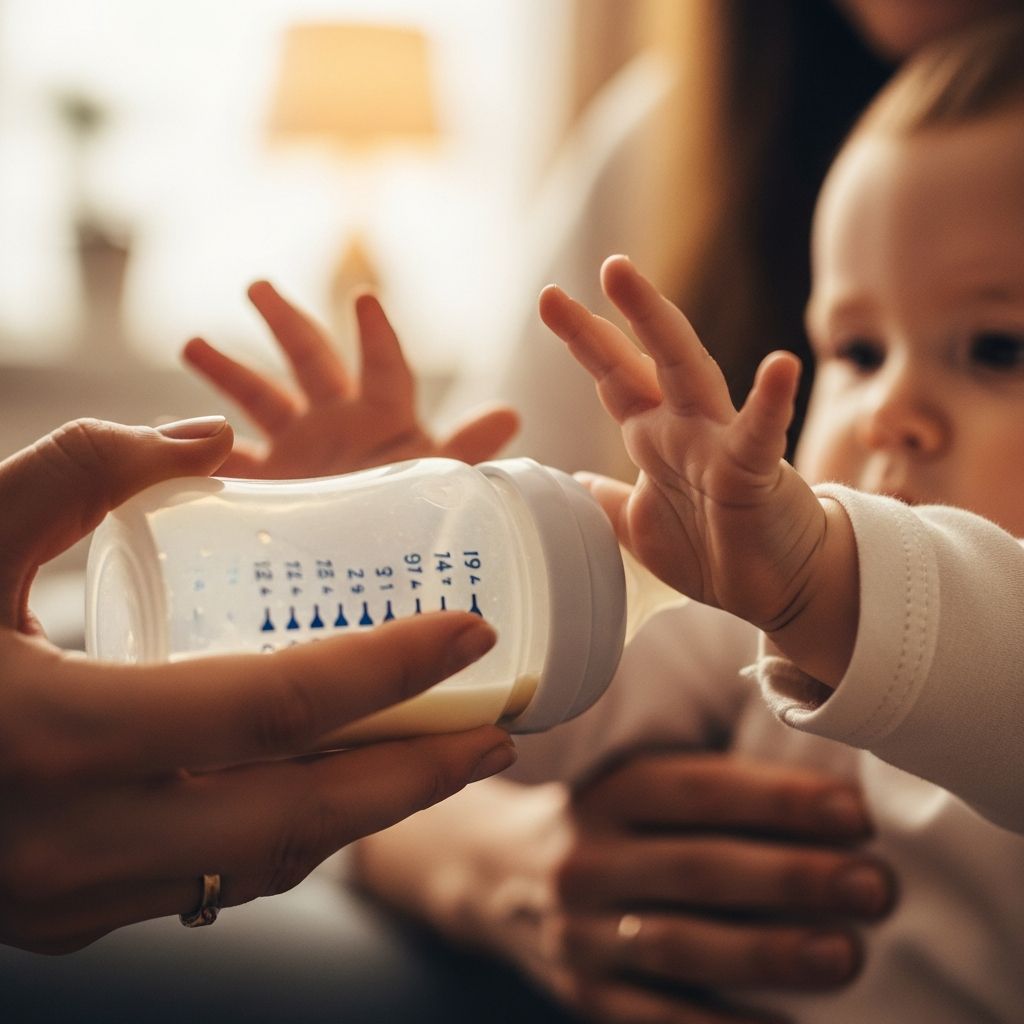
Infants’ taste buds evolve rapidly after birth. Breast milk or formula carries maternal diet flavors, exposing babies to hints of spices indirectly. This prenatal and early exposure helps them accept diverse foods during weaning.
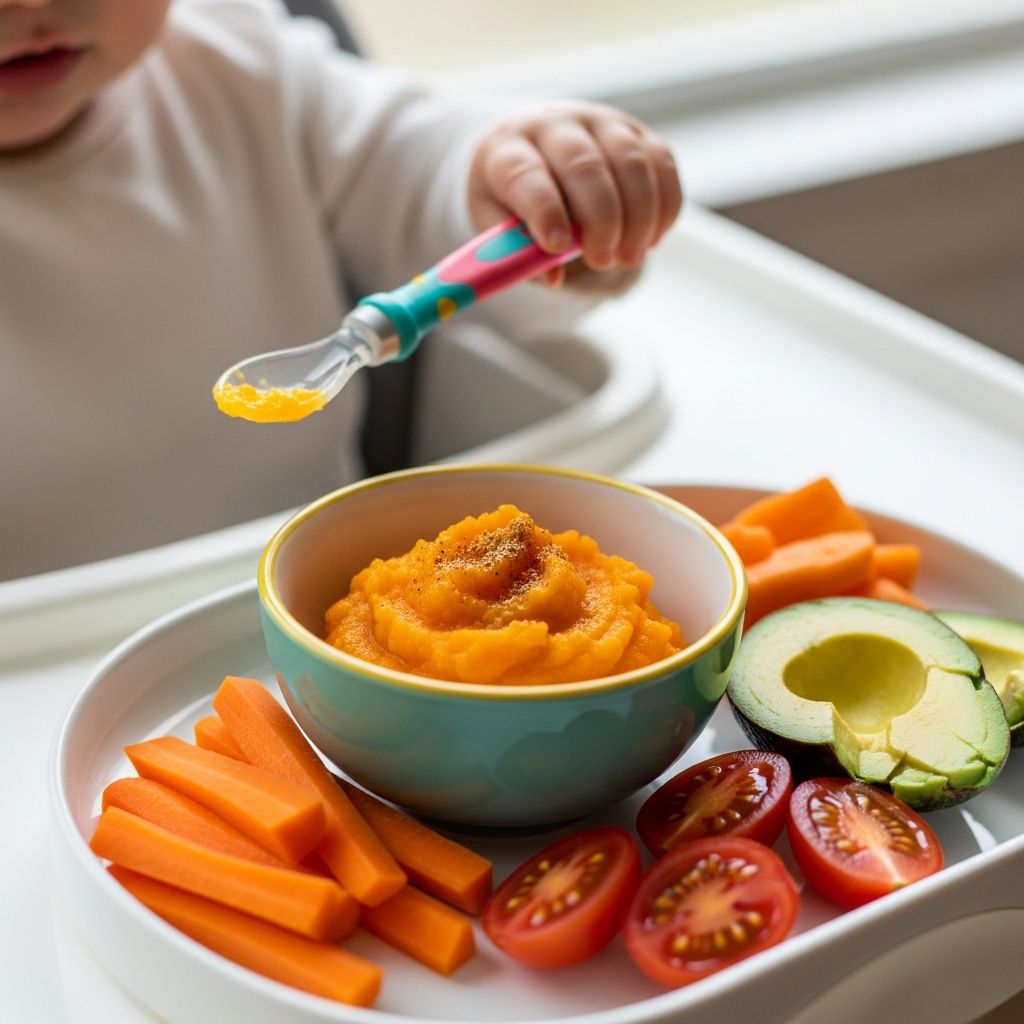
From 6 months, the American Academy of Pediatrics supports family foods with mild seasonings, avoiding added salt or sugar. Aromatic spices like cumin, ginger, or cinnamon enhance bland purees without overwhelming developing senses.
Health Benefits of Early Spice Exposure
Offering varied flavors promotes adventurous eating. Children familiar with spices from infancy show less food neophobia, eating more fruits, vegetables, and nutrient-dense meals.
- Flavor Variety: Prevents bland-food aversion, encouraging balanced diets.
- Nutritional Boost: Spices like turmeric provide antioxidants; garlic and ginger aid digestion.
- Cultural Adaptation: Matches family cuisines, fostering mealtime harmony.
Capsaicin in chilies may offer metabolism and anti-inflammatory perks, but benefits apply more to moderated adult intake than baby diets.
Potential Risks and How to Spot Them
While safe for most, spicy foods pose risks. Capsaicin stimulates TRPV-1 pain receptors in the mouth and gut, causing burning sensations babies may find distressing.
The German Federal Institute for Risk Assessment (BfR) warns of heightened child sensitivity. Excessive capsaicin can lead to nausea, vomiting, mucosal irritation, or elevated blood pressure. They cap safe adult intake at 5 mg/kg body weight per meal, advising far less for infants.
| Risk | Symptoms | Action |
|---|---|---|
| Allergic Reaction | Rash, swelling, vomiting, breathing issues | Stop food; seek medical help |
| Digestive Upset | Diarrhea, gas, discomfort | Monitor; dilute next time |
| Sensory Overload | Crying, refusal, tongue irritation | Offer milder version |
Allergies affect few babies but warrant single-spice introductions every 4-5 days.
Breastfeeding Moms and Spicy Diets
Mothers can enjoy spices without worry. Breast milk flavors shift with diet, acquainting babies with garlic or cumin subtly. No evidence links maternal spice intake to infant colic or gas.
Studies show some babies prefer flavored milk, aiding solid transitions. Family diets guide offerings—if spicy foods are routine, babies adapt.
Age-Appropriate Guidelines for Introducing Heat
- 6-8 Months: Stick to aromatic spices: cinnamon in oatmeal, mild curry powder in veggies. Avoid chili.
- 9-12 Months: Add paprika or black pepper sparingly. Test small amounts.
- 1+ Years: Introduce gentle heat like bell peppers or mild salsa if tolerated.
Start with 1/4 teaspoon per serving, mixed into familiar foods. Puree thoroughly to prevent choking.
Practical Recipes and Serving Ideas
Mild Carrot Ginger Puree: Steam carrots, blend with ginger pinch and yogurt. Dairy fats neutralize mild heat.
Spiced Lentil Mash: Cook lentils with cumin, turmeric, garlic. Suitable from 7 months.
Banana Cinnamon Oatmeal: Oats with mashed banana and dash cinnamon—sweet-spicy intro.
Expert Perspectives on Global Practices
“Aromatic spices like ginger or cumin are fine from infancy; hot capsaicin differs as it activates pain receptors, not taste buds.” — Dr. Anca Safta, Pediatric Gastroenterologist
In Asia and South America, babies eat family curries early, building tolerance through repetition. Western bland-food norms aren’t universal necessities.
Common Myths Debunked
- Myth: Spices cause reflux. No direct link; greasy pairings often culprit.
- Myth: Babies can’t handle heat. Tolerance develops with exposure.
- Myth: Avoid all spices breastfeeding. Unfounded; enjoy freely.
Frequently Asked Questions
What age can babies try spices?
From 6 months with solids, start mild aromatics.
Does spicy food upset baby tummies?
Mild amounts rarely do; watch for reactions.
Can spicy breast milk harm newborns?
No, it familiarizes flavors safely.
What if baby reacts badly?
Pause, simplify, consult pediatrician if severe.
Are there spices to avoid entirely?
No universal list; introduce singly.
Monitoring and Long-Term Tips
Track reactions in a food diary. Pair heat with cooling dairy or fats to ease capsaicin. Consult pediatricians for allergies or sensitivities. By toddlerhood, many enjoy moderate spice, mirroring healthy adult habits.
Empower babies with flavor adventures cautiously—benefits outweigh risks when guided properly.
References
- Can I Give My Baby Spicy Foods? — My Little Moppet. 2023. https://www.mylittlemoppet.com/can-i-give-my-baby-spicy-foods/
- Trial by Fire: Extremely Spicy Food Can Be Particularly Harmful to Children’s Health — German Federal Institute for Risk Assessment (BfR). 2019-10-10. https://www.bfr.bund.de/cm/349/trial-by-fire-extremely-spicy-food-can-be-particularly-harmful-to-children-s-health.pdf
- 5 Experts Answer: Is It OK to Give Babies Spicy Food? — Live Science. 2017-06-20. https://www.livescience.com/36487-babies-spicy-food-introducing-solids-spices.html
- Is it Okay to Feed Young Children Spicy Food? — Kristen Yarker Dietitian. 2022. https://kristenyarker.com/kristen-yarker-dietitian-blog/is-it-okay-to-feed-young-children-spicy-food
- Spicy Food Is Dangerous For Kids — But Not In the Way You Think — Fatherly. 2023. https://www.fatherly.com/health/spicy-food-dangerous-kids
- Eating Spicy Food While Breastfeeding: What You Need to Know — Milky Mama. 2024. https://milky-mama.com/en-au/blogs/lactation-support/eating-spicy-food-while-breastfeeding-what-you-need-to-know