Campylobacter bacteria cause a common type of foodborne illness known as campylobacteriosis, which frequently impacts young children through contaminated food or water. This infection primarily targets the digestive tract, leading to uncomfortable gastrointestinal symptoms that typically resolve within a week with proper supportive care.
Understanding the Nature of Campylobacter Bacteria
These spiral-shaped bacteria thrive in the intestines of animals like poultry, cattle, and pets, often contaminating raw meat, unpasteurized milk, or untreated water. In children, exposure commonly occurs via undercooked chicken or cross-contaminated surfaces during meal preparation. Unlike some pathogens, Campylobacter spreads easily in households if hygiene lapses occur, making awareness crucial for parents.
The bacterium’s resilience allows it to survive briefly outside a host, heightening risks during barbecues or picnics where food safety might falter. Young kids, with developing immune systems, face higher chances of severe reactions, emphasizing the need for vigilant monitoring.
Recognizing Early Warning Signs in Kids
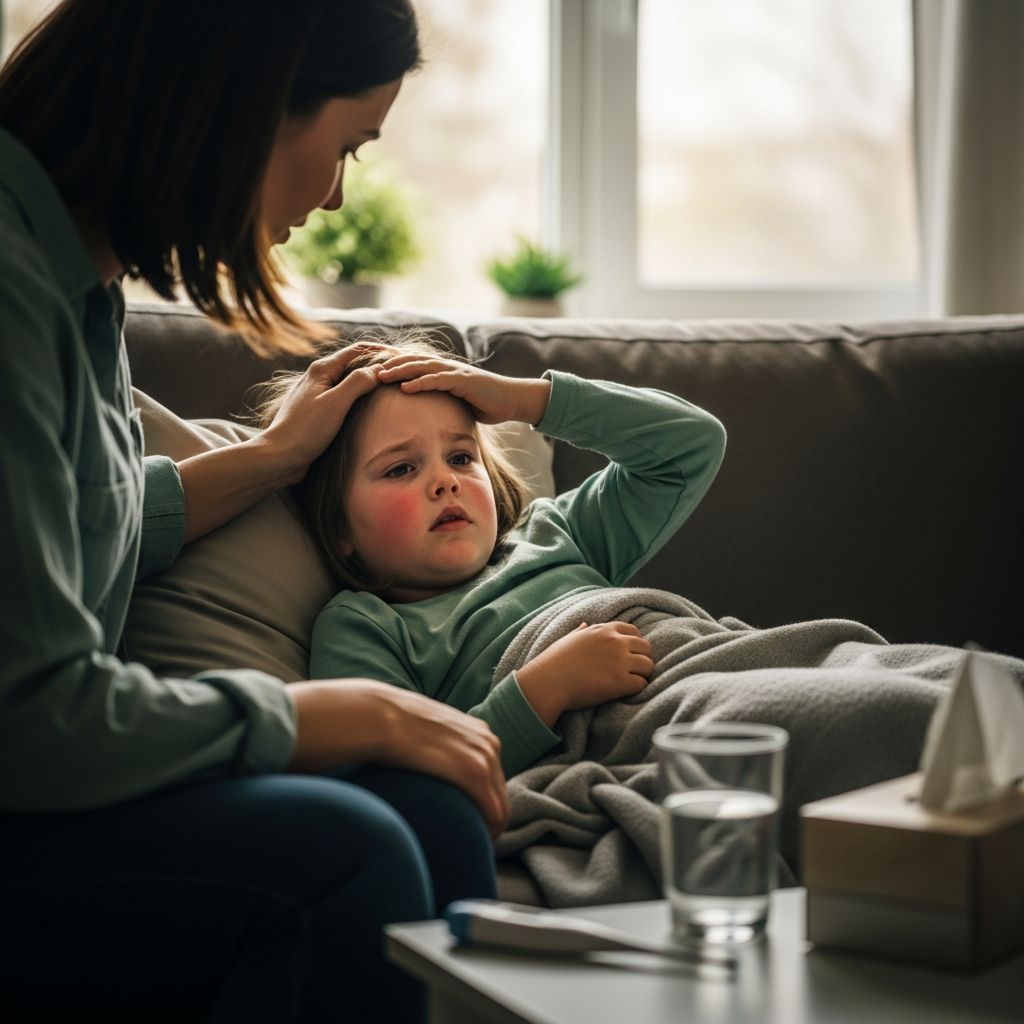
Symptoms emerge 1 to 10 days post-exposure, averaging 2 to 5 days, starting subtly before intensifying. Common indicators include watery or bloody diarrhea, sharp abdominal cramps centered around the navel, nausea leading to vomiting, and fever with chills.
- Diarrhea: Often frequent and loose, sometimes containing mucus or blood, lasting up to a week.
- Fever: Typically mild but can spike high in infants, occasionally triggering seizures in rare pediatric cases.
- Abdominal discomfort: Cramping pains that worsen with bowel movements.
- General malaise: Fatigue, muscle aches, and bloating that sap a child’s energy.
In newborns, presentations might limit to bloody stools and vomiting without fever, demanding prompt parental attention. Older children may complain of headache or back pain alongside gut issues.
High-Risk Groups Among Children
Infants under one year, toddlers, and kids with compromised immunity from conditions like HIV or chemotherapy face elevated dangers. Dehydration strikes faster in little ones due to higher fluid loss relative to body size. Older adults in family settings also warrant caution, but pediatric focus remains paramount.
| Risk Factor | Why Higher Risk? | Precaution |
|---|---|---|
| Young children (<5 years) | Severe diarrhea, dehydration | Monitor fluids closely |
| Immunocompromised kids | Prolonged illness, complications | Seek early antibiotics |
| Newborns | Bloody stools without fever | Immediate doctor visit |
| Family with pets | Fecal-oral transmission | Handwashing after pet contact |
Home Management Strategies for Recovery
Most cases self-resolve without antibiotics, prioritizing hydration and rest. Encourage frequent sips of oral rehydration solutions like Pedialyte over plain water to replenish electrolytes lost in diarrhea.
Avoid anti-diarrheal or anti-nausea meds unless doctor-approved, as they hinder toxin expulsion. Offer bland foods like bananas, rice, applesauce, and toast (BRAT diet) once appetite returns, gradually reintroducing dairy-free options.
- Fluid intake: Aim for 50-100 mL/kg body weight daily, more if dehydrated.
- Rest: Keep child home from school/daycare until diarrhea-free for 48 hours.
- Hygiene: Isolate food prep, wash hands rigorously.
Track urination frequency; fewer wet diapers signal dehydration needing urgent care.
When to Contact a Pediatrician Urgently
Don’t delay if symptoms escalate: blood in stool, fever over 102°F (38.9°C), diarrhea persisting beyond 7 days, severe pain, dizziness, or dry mouth indicate professional intervention. Pregnant household members or immunocompromised siblings also prompt quicker action.
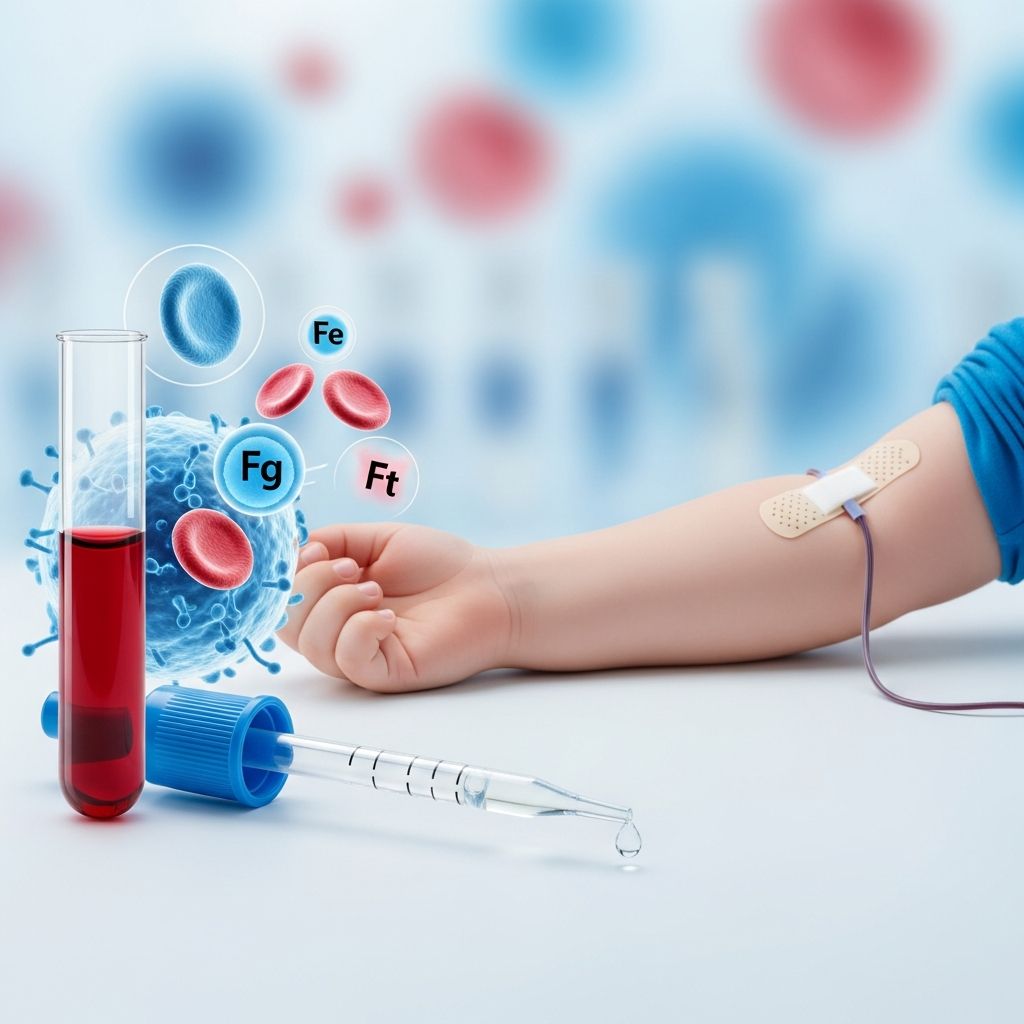
Diagnosis involves stool PCR tests detecting Campylobacter DNA, guiding targeted care.
Medical Interventions and Antibiotic Use
Antibiotics like azithromycin or erythromycin shorten duration in severe pediatric cases, eradicating bacteria within 2-3 days if started early. Reserve for high-risk kids to curb resistance.
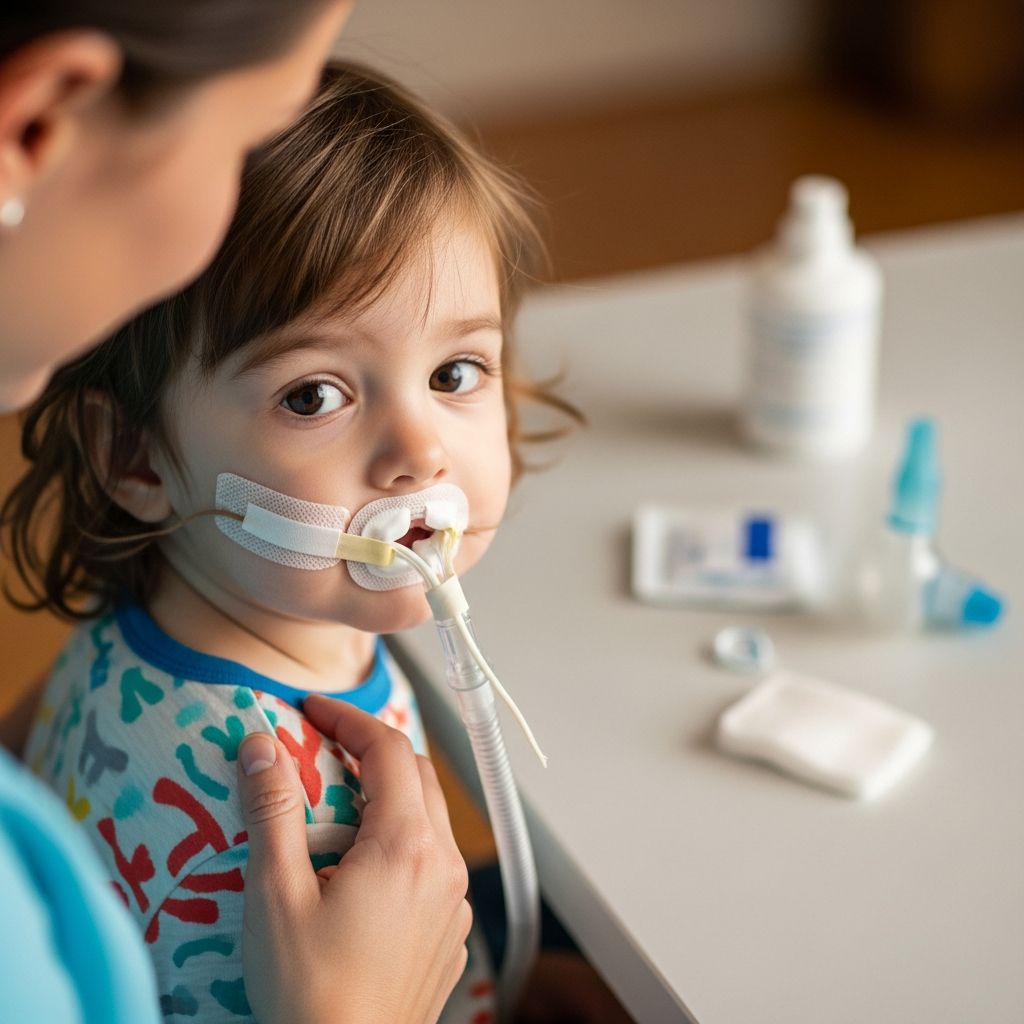
Hospitalization is rare but necessary for IV fluids in extreme dehydration or sepsis.
Potential Long-Term Complications
While 90% recover fully, rare issues include reactive arthritis (joint inflammation lasting months), Guillain-Barré syndrome (nerve damage causing temporary paralysis, linked to 1 in 1000 cases), or bloodstream infections.
Monitor post-recovery for lingering fatigue or limb weakness; early neurology consults mitigate risks. Intestinal issues like appendicitis occur infrequently.
Effective Prevention Tactics for Families
Halting transmission starts in the kitchen: cook poultry to 165°F (74°C), avoid cross-contamination with raw juices, pasteurize milk, and wash produce.
- Hand hygiene: Soap for 20 seconds post-bathroom, pet handling, diaper changes.
- Pet care: Prevent puppy/kitten feces contact; deworm regularly.
- Travel safety: Boil questionable water abroad.
- Barbecue rules: Separate raw/cooked utensils.
Public pools amplify spread; teach kids no swallowing water.
Nutrition and Diet During and After Illness
Post-diarrhea, probiotics may aid gut flora restoration, though evidence varies. Prohibit unpasteurized products; opt for yogurt with live cultures cautiously.
Rehydrate with electrolyte mixes; breastfed infants continue nursing.
Frequently Asked Questions (FAQs)
Q: How long is a child contagious after Campylobacter infection?
A: Up to 2-3 weeks post-symptoms via feces, decreasing after diarrhea stops. Practice strict hygiene.
Q: Can Campylobacter cause seizures in babies?
A: Rarely, high fevers in young children may trigger febrile seizures; cool promptly and consult doctor.
Q: Is antibiotic treatment always needed for kids?
A: No, only for severe cases or high-risk groups; most heal with fluids.
Q: What foods pose the biggest risk?
A: Undercooked chicken, raw milk, unwashed veggies contaminated by animal feces.
Q: How to prevent dehydration at home?
A: Oral rehydration solutions, small frequent sips, monitor urine output.
Building Family Resilience Against Gut Infections
Empowering parents with knowledge transforms potential scares into manageable events. Routine habits like thorough cooking and handwashing slash incidence by over 50% per health studies. Stay informed via pediatric check-ups, discussing travel or diet changes proactively.
For recurrent exposures, stool testing identifies carriers. Community education curtails outbreaks, especially in childcare settings.
By integrating these strategies, families safeguard children’s health, allowing focus on growth over illness worries.
References
- Campylobacter infection — healthdirect.gov.au. 2023. https://www.healthdirect.gov.au/campylobacter-infection
- Campylobacter infection – including symptoms, treatment and prevention — SA Health. 2023-05-01. https://www.sahealth.sa.gov.au/wps/wcm/connect/public+content/sa+health+internet/conditions/infectious+diseases/campylobacter+infection/campylobacter+infection+-+including+symptoms+treatment+and+prevention
- What Is Campylobacter Infection? — WebMD. 2024-10-15. https://www.webmd.com/food-recipes/food-poisoning/what-is-campylobacter-infection
- Campylobacter Infections — HealthyChildren.org (AAP). 2023. https://www.healthychildren.org/English/health-issues/conditions/abdominal/Pages/Campylobacter-Infections.aspx
- Treatment of Campylobacter Infection — CDC. 2024-08-20. https://www.cdc.gov/campylobacter/treatment/index.html
- Campylobacter Infection (Campylobacteriosis) — Cleveland Clinic. 2024-01-12. https://my.clevelandclinic.org/health/diseases/15251-campylobacter-infection