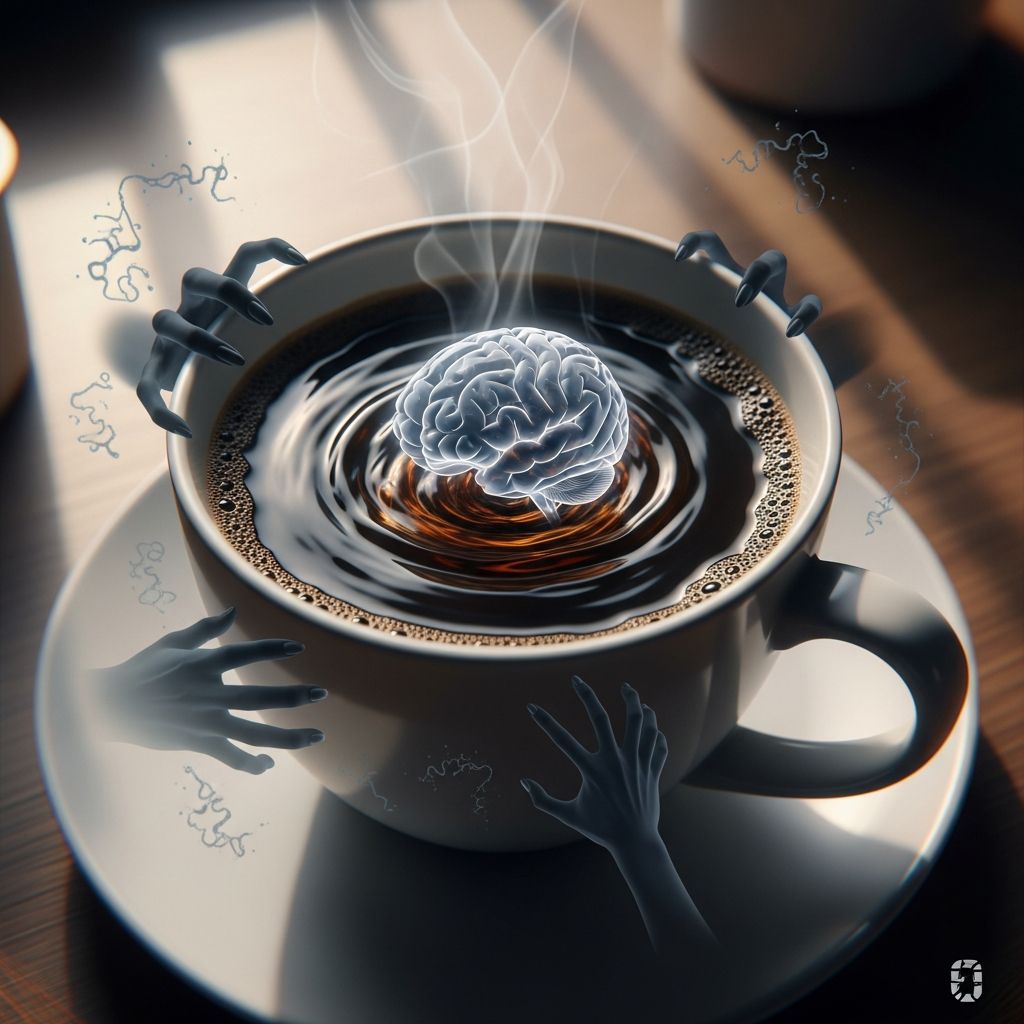
Caffeine, the world’s most popular stimulant found abundantly in coffee, tea, and energy drinks, offers a quick boost in alertness but carries potential downsides for mental health, particularly anxiety. Scientific research, including meta-analyses, reveals that caffeine can elevate anxiety risks, especially at higher doses, affecting both healthy individuals and those with pre-existing conditions.
The Science Behind Caffeine’s Anxiogenic Properties
Caffeine acts primarily as an antagonist to adenosine receptors in the brain. Adenosine promotes relaxation and sleepiness, so blocking it leads to increased neuronal firing, heightened energy metabolism, and reduced cerebral blood flow. This can trigger the release of stress hormones like norepinephrine and dopamine, mimicking or amplifying anxiety states.
In patients with generalized anxiety disorder (GAD) and panic disorder, doses as low as 250 mg of caffeine—roughly two cups of coffee—produced measurable increases in self-reported anxiety, skin conductance, blood pressure, and electroencephalographic changes compared to placebo and normal subjects. A comprehensive meta-analysis of 14 studies involving 546 healthy participants confirmed a significant association: caffeine intake raised anxiety risk with a standardized mean difference (SMD) of 0.94 (95% CI: 0.28-1.60, p < 0.05), indicating a large effect size.
Dose Matters: Low vs. High Caffeine Intake
Not all caffeine consumption is equal in its impact. Subgroup analyses show a clear dose-response relationship. Low doses (<400 mg) moderately increase anxiety risk (SMD = 0.61, 95% CI: 0.42-0.79, p < 0.05), while high doses (≥400 mg) dramatically heighten it (SMD = 2.86, 95% CI: 2.50-3.22, p < 0.05). For context:
- One 8-oz cup of brewed coffee: ~95 mg caffeine
- Two cups: ~190 mg (low dose territory)
- Four cups or one energy drink: ~400+ mg (high-risk zone)
Even moderate amounts can cause jitteriness, rapid heart rate, and restlessness in sensitive individuals, as noted by medical experts.
| Caffeine Amount | Examples | Anxiety Risk Level | SMD (from Meta-Analysis) |
|---|---|---|---|
| <400 mg | 2-3 cups coffee | Moderate | 0.61 |
| ≥400 mg | 4+ cups or energy drinks | High | 2.86 |
| Placebo/None | No caffeine | Baseline | 0 |
This table illustrates the escalating risk, highlighting why monitoring intake is crucial.
Who Is Most Vulnerable to Caffeine’s Effects?
Individual variability plays a key role. Genetic factors, such as polymorphisms in adenosine A2A receptors, influence susceptibility to caffeine-induced anxiety. People with anxiety disorders face amplified risks: in panic disorder patients, caffeine not only heightens baseline anxiety but also increases panic attack likelihood.
Healthy individuals aren’t immune; the meta-analysis specifically targeted those without psychiatric history, yet still found elevated risks. Other factors include:
- Sensitivity levels: Some metabolize caffeine slowly due to genetics, prolonging effects.
- Sleep patterns: Caffeine-induced insomnia can compound anxiety the next day.
- Pre-existing conditions: GAD, panic disorder, or even mild stress make one more prone.
Withdrawal adds another layer: abruptly cutting caffeine can trigger irritability, nervousness, and jitteriness, mimicking anxiety flares.
Caffeine’s Double-Edged Sword on Mental Health
While predominantly anxiogenic, caffeine has nuances. In low doses, it boosts alertness and focus, potentially aiding mild mood dips. Some observational data links moderate coffee intake to lower depression risk, possibly due to antioxidants or lifestyle factors, though causation isn’t proven.
However, for anxiety, negatives often outweigh positives. Mayo Clinic experts warn that excess caffeine reliably causes anxiety, headaches, and tachycardia. American Medical Association physicians echo this, noting even moderate intake can provoke jitteriness.
Practical Strategies to Balance Coffee and Calm
Reducing caffeine doesn’t mean giving up coffee entirely. Consider these evidence-based tips:
- Track your intake: Aim under 400 mg daily; use apps to log sources like coffee, soda, chocolate.
- Time it right: Consume before noon to avoid sleep interference, which worsens anxiety.
- Switch alternatives: Decaf coffee retains flavor minus ~95% caffeine; herbal teas like chamomile soothe without stimulation.
- Taper gradually: Cut 25-50 mg weekly to dodge withdrawal anxiety.
- Enhance with buffers: Pair with L-theanine-rich green tea for smoother energy without jitters (natural combo in tea).
For those with diagnosed anxiety, experts recommend limiting or avoiding caffeinated drinks altogether.
Long-Term Implications and Research Gaps
Chronic high-caffeine use may sensitize the brain’s stress response, perpetuating anxiety cycles. Future research should explore genetic markers, dose-response curves across populations, and interactions with medications.
Current evidence urges caution: while coffee offers benefits like antioxidants, its caffeine payload poses real mental health risks, particularly for anxiety-prone individuals.
Frequently Asked Questions (FAQs)
Does caffeine directly cause anxiety?
No, it doesn’t cause anxiety disorders but significantly worsens symptoms, especially in vulnerable groups. Research shows it elevates risk in healthy people too.
How much coffee is too much for anxiety?
Over 400 mg caffeine daily markedly increases risk; that’s about 4 cups of coffee. Start lower if sensitive.
Can decaf coffee trigger anxiety?
Rarely, as it has trace caffeine (<5 mg/cup), but other compounds might mildly affect some.
Is tea safer than coffee for anxiety?
Often yes, due to lower caffeine and L-theanine, which promotes relaxation.
What if I quit caffeine cold turkey?
Expect temporary anxiety-like symptoms; taper slowly for best results.
References
- Anxiogenic Effects of Caffeine in Patients With Anxiety Disorders — JAMA Psychiatry. 1985. https://jamanetwork.com/journals/jamapsychiatry/fullarticle/495937
- Caffeine intake and anxiety: a meta-analysis — PubMed Central. 2024. https://pmc.ncbi.nlm.nih.gov/articles/PMC10867825/
- The Impact of Coffee on Anxiety and Depression — Fomat Medical. 2023. https://www.fomatmedical.com/news-posts/the-impact-of-coffee-on-anxiety-and-depression/
- Coffee and Caffeine: Can They Affect Anxiety? — GoodRx. 2024. https://www.goodrx.com/conditions/generalized-anxiety-disorder/does-coffee-caffeine-cause-anxiety
- What doctors wish patients knew about the impact of caffeine — American Medical Association. 2023. https://www.ama-assn.org/public-health/prevention-wellness/what-doctors-wish-patients-knew-about-impact-caffeine
- The Effects of Caffeine on Anxiety Behavior in Healthy Individuals — PubMed Central. 2024. https://pmc.ncbi.nlm.nih.gov/articles/PMC12813734/
- Coffee and health: What does the research say? — Mayo Clinic. 2024. https://www.mayoclinic.org/healthy-lifestyle/nutrition-and-healthy-eating/expert-answers/coffee-and-health/faq-20058339