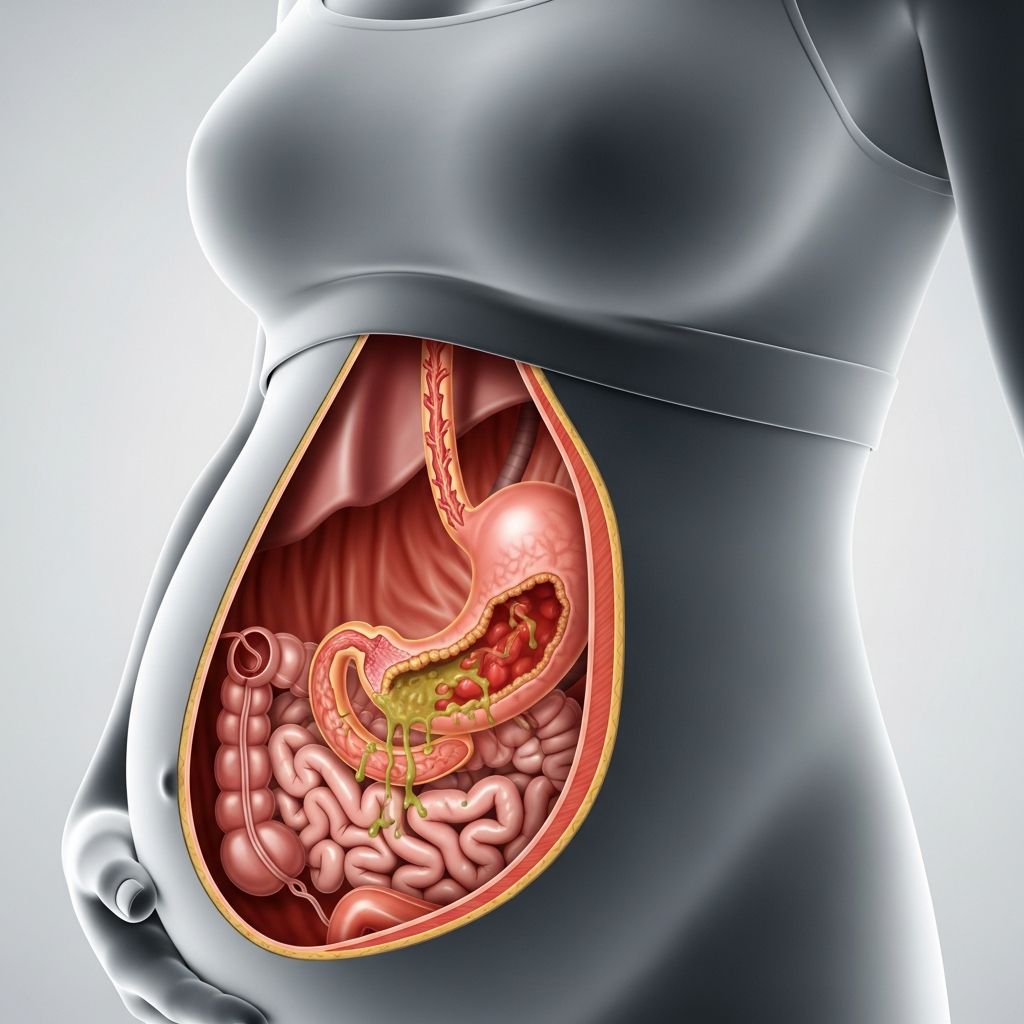
Cesarean sections, or C-sections, are common surgical procedures used to deliver babies when vaginal birth isn’t possible or safe. While they save lives in emergencies, they carry significant risks compared to vaginal deliveries. This article examines these risks in detail, drawing from authoritative medical sources to help parents weigh their options.
Immediate Surgical Risks for Mothers
During a C-section, surgeons make incisions through the abdomen and uterus, exposing mothers to higher chances of surgical complications than vaginal births. Blood loss is notably greater, often requiring interventions like transfusions in severe cases.
- Infection: Common sites include the incision, uterus (endometritis), or urinary tract, leading to fever, pain, and discharge. Antibiotics are routinely given prophylactically, reducing but not eliminating this risk.
- Hemorrhage: Excessive bleeding can occur due to uterine atony or vessel damage, sometimes necessitating hysterectomy.
- Anesthesia reactions: Spinal or epidural anesthesia may cause headaches, low blood pressure, or rare severe responses.
Serious surgical morbidities affect about 1 in 60 C-sections, with wound issues being most frequent, followed by bladder or bowel injuries.
Post-Operative Challenges and Recovery Hurdles
Recovery from a C-section is lengthier, typically involving a 3-5 day hospital stay versus 1-2 days for vaginal births. Pain from incisions, gas buildup, and mobility limitations hinder early bonding and self-care.
| Complication | Frequency | Potential Impact |
|---|---|---|
| Blood clots (DVT) | Rare | Leg pain, swelling; risk of pulmonary embolism if clot travels |
| Adhesions/scar tissue | Common | Pelvic pain, bowel obstruction, infertility issues |
| Organ injury (bladder/bowel) | Rare (2 per 100) | Additional surgery, long-term dysfunction |
Intrapartum C-sections (during labor) heighten these risks due to inflamed tissues and urgency.
Long-Term Health Implications for Mothers
One C-section increases complications in future pregnancies; multiples amplify dangers like uterine rupture (life-threatening tear along scar) during vaginal birth after cesarean (VBAC).
- Placental disorders: Placenta previa (low-lying) or accreta (abnormal attachment) risks rise, potentially causing severe bleeding or hysterectomy. Rates were historically fatal at 50%, though improved now.
- Hysterectomy risk: Uncommon but elevated in repeat procedures or hemorrhage cases.
- Chronic issues: Pelvic pain, adhesions, or emotional distress from surgical birth experience.
Women planning families should discuss repeat C-section limits with providers, as risks escalate after 2-3.
Potential Complications for Newborns
Babies delivered via C-section miss the compressive forces of the birth canal, which help expel lung fluid and stimulate breathing. This leads to transient tachypnea or other respiratory issues, especially before 39 weeks.
- Breathing difficulties: Common, often resolving in days but may require NICU care.
- Surgical nicks: Accidental cuts during uterine incision affect 1-2 per 100 babies, usually minor but can cause cephalohematoma or fractures.
- Low APGAR scores: 50% higher likelihood due to anesthesia or lack of stimulation.
- Prematurity risks: If timing is miscalculated, low birth weight or other issues arise.
Brain damage or cerebral palsy links exist via surgical errors or oxygen deprivation delays.
Comparing C-Section vs. Vaginal Birth Risks
While C-sections avoid vaginal tears or prolapse, they introduce surgical hazards. Maternal mortality is higher, and emergency C-sections carry the most risks due to labor stress.
| Risk Factor | C-Section | Vaginal Birth |
|---|---|---|
| Infection | Higher (wound/endometritis) | Lower (perineal) |
| Bleeding | More volume | Less overall |
| Future pregnancy issues | Placenta/rupture risks | Minimal added |
| Recovery time | 4+ weeks | 2-4 weeks |
| Baby breathing problems | Higher | Lower |
Planned C-sections may lower some vaginal risks like incontinence but don’t eliminate surgical ones.
Repeat C-Sections: Escalating Dangers
Each subsequent C-section heightens scar-related issues. By the third or more, placenta accreta odds surge, complicating delivery and raising hemorrhage risks.
- Vertical incisions increase rupture risk over low transverse ones.
- Adhesions from priors make surgery technically harder.
- Many providers cap at 3-4, advising VBAC where safe.
Emotional and Psychological Toll
Beyond physical risks, C-sections can evoke trauma, disappointment, or postpartum depression, especially if unplanned. Delayed skin-to-skin contact affects bonding and breastfeeding initiation.
Support groups and counseling aid recovery, emphasizing informed consent.
Mitigating C-Section Risks
Not all C-sections are avoidable, but strategies include awaiting 39 weeks for electives, optimal surgical teams, and postpartum monitoring. Discuss VBAC feasibility early.
- Antibiotics pre-incision cut infections.
- Experienced surgeons reduce errors.
- Mobility and pain management speed recovery.
Frequently Asked Questions (FAQs)
Is a C-section safer than vaginal birth?
No, vaginal birth is generally safer with fewer complications, but C-sections are vital in medical necessities.
How long does C-section recovery take?
Full recovery spans 6-8 weeks; avoid heavy lifting for 6 weeks.
Can I have a vaginal birth after C-section (VBAC)?
Yes, if low-risk, but uterine rupture risk exists (about 1%). Consult your doctor.
Are C-section babies at higher risk for asthma?
Some studies suggest microbiome differences increase allergies/asthma odds, though not definitive.
What if I need multiple C-sections?
Risks compound; after 2-3, complications like accreta rise significantly.
References
- C-section – Mayo Clinic — Mayo Clinic. 2023-10-18. https://www.mayoclinic.org/tests-procedures/c-section/about/pac-20393655
- C-Section Injuries | Risks, Complications, and Legal Help — Childbirth Injuries. 2024-05-15. https://www.childbirthinjuries.com/birth-injury/c-section-injuries/
- Risks – Caesarean section – NHS — NHS. 2024-08-22. https://www.nhs.uk/tests-and-treatments/caesarean-section/risks/
- C-section (caesarean) – benefits and risks – Tommy’s — Tommy’s. 2023-11-10. https://www.tommys.org/pregnancy-information/giving-birth/caesarean-section/c-section-benefits-and-risks
- Assessing Severe Surgical Complications from Cesarean Deliveries — UCSF. 2025-08-15. https://www.ucsf.edu/news/2025/08/430601/assessing-severe-surgical-complications-cesarean-deliveries
- C-Section Complications – American Pregnancy Association — American Pregnancy Association. 2024-02-28. https://americanpregnancy.org/healthy-pregnancy/labor-and-birth/c-section-complications/
- C-Section (Cesarean Section): Procedure, Risks & Recovery — Cleveland Clinic. 2024-06-05. https://my.clevelandclinic.org/health/treatments/7246-cesarean-birth-c-section