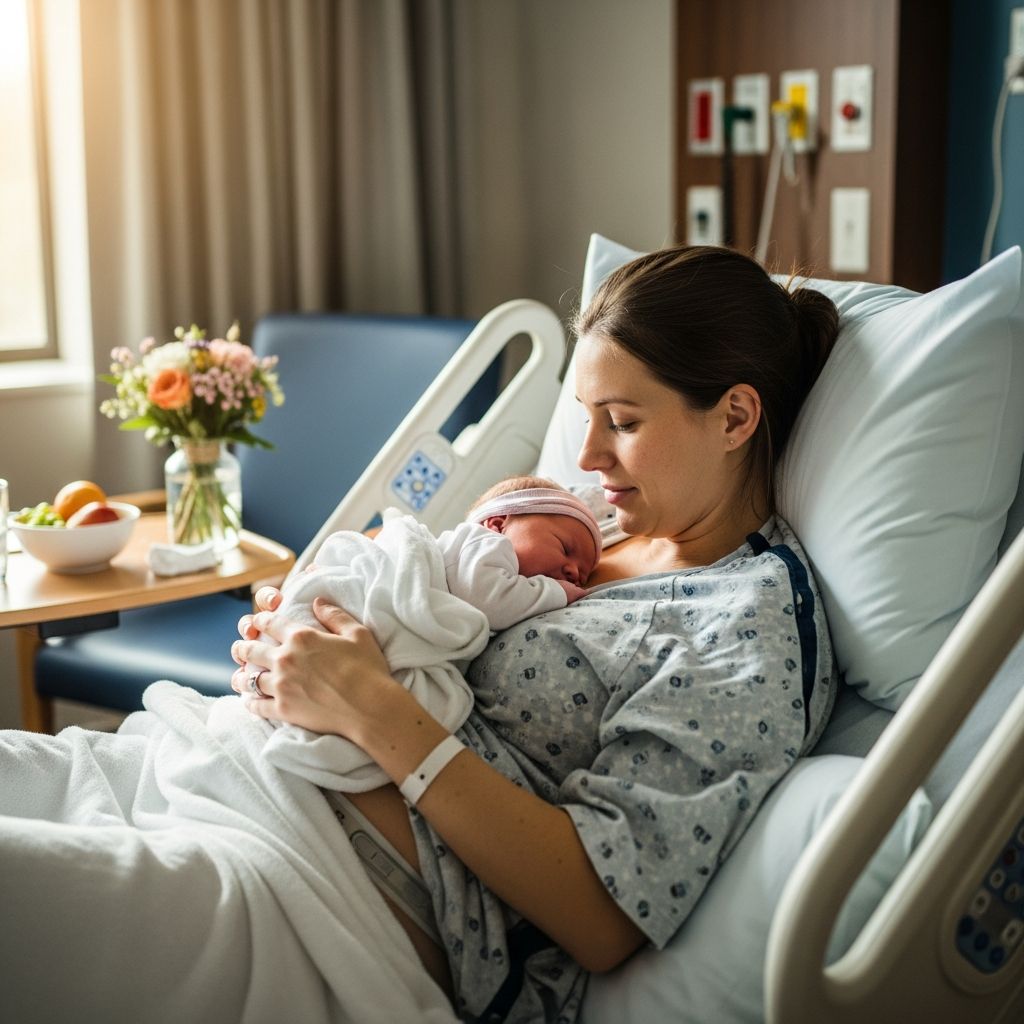
A cesarean section represents major abdominal surgery, requiring dedicated recovery time for optimal healing. Full recovery typically spans 6-8 weeks, involving rest, gradual activity, and vigilant monitoring for complications. This guide outlines every stage, empowering new mothers with practical strategies.
Immediate Post-Operative Hospital Experience
Right after surgery, expect monitoring in a recovery room as anesthesia effects subside. Healthcare providers manage pain through medications and encourage early mobility to expel gas and prevent clots. A urinary catheter remains for 12-24 hours, with dressings covering the incision.
Breastfeeding can begin soon, often within hours, supported by nurses or lactation specialists. Light meals resume the same day, progressing to normal diet by day two. Most women walk short distances with assistance within 12 hours, aided by stool softeners for bowel movements.
Hospital stays last 1-2 days for uncomplicated cases, allowing time for pain control and basic mobility. Painkillers like opioids transition to oral ibuprofen or acetaminophen, safe for breastfeeding.
Transitioning Home: First Week Essentials
Discharge brings relief but demands caution. Prioritize rest, napping when baby sleeps, and accept help for chores. Limit lifting to baby weight (no more than 10-15 pounds) to protect the incision.
- Walk short distances daily indoors to boost circulation and combat constipation.
- Hold a pillow over the incision when coughing, laughing, or sneezing.
- Avoid baths, tampons, or douching until cleared (showers are fine).
Stitches or staples, if present, dissolve or are removed after 5-7 days by a midwife or doctor. Incision soreness peaks early but eases with prescribed pain relief. Emotional shifts like baby blues may emerge; connect with support networks.
Wound Care and Infection Prevention Strategies
Daily gentle cleaning with mild soap and water, followed by thorough drying, keeps the site healthy. Opt for loose clothing and cotton underwear to minimize irritation. Monitor for redness, swelling, pus, or fever—contact providers immediately if noticed.
Scar massage begins after 2-3 weeks: apply unscented lotion, making small circular motions 20-30 times, 2-3 sessions daily to reduce adhesions. This promotes flexibility and reduces tightness over time.
| Normal Healing Signs | Warning Signs (Call Doctor) |
|---|---|
| Mild redness fading in days | Increasing redness or warmth |
| Light serous drainage | Pus or foul odor |
| Gradual pain decrease | Severe or worsening pain |
| Small bruising | Fever over 100.4°F |
This table summarizes key observations for proactive care.
Pain Management Throughout Recovery
Effective relief combines medications, positioning, and habits. Hospitals provide initial IV or strong orals, shifting to OTC options like acetaminophen (up to 4g/day) or ibuprofen (for inflammation) post-discharge. Simethicone aids gas pain.
Non-drug methods include heat packs on the abdomen, supportive belly binders (if recommended), and log-rolling out of bed: side-lie, swing legs down, push up sideways. Stool softeners prevent straining. By week two, many discontinue meds.
Nutrition and Hydration for Optimal Healing
Fuel recovery with nutrient-dense foods: high-fiber fruits, vegetables, whole grains combat constipation; proteins (lean meats, eggs, legumes) repair tissues; iron-rich options replenish blood loss. Hydrate abundantly—aim for 8-10 glasses daily—to support bowels and energy.
Avoid constipation triggers like processed foods. Sample daily intake:
- Breakfast: Oatmeal with berries, yogurt.
- Lunch: Grilled chicken salad, quinoa.
- Dinner: Baked salmon, sweet potatoes, greens.
- Snacks: Nuts, apples, hummus.
Breastfeeding moms need extra 300-500 calories. Consult dietitians for personalized plans.
Gradual Return to Physical Activity
Movement prevents clots but must progress slowly. Week 1: Short indoor walks. Week 2: Extend outdoors, add driving if pain-free. Avoid core exercises, heavy lifting, or stairs excessively until 6 weeks.
At 4-6 weeks clearance:
- Pelvic floor exercises (Kegels).
- Deep breathing for diaphragm strength.
- Gentle yoga or postpartum Pilates.
Full strenuous activity waits 8-12 weeks. Listen to body cues; stop if pain increases. Sunshine walks uplift mood too.
Emotional Well-Being and Mental Health Support
Hormonal shifts, sleep deprivation, and surgery stress heighten baby blues (mild, passing) or postpartum depression (persistent sadness, anxiety). Bond skin-to-skin with baby, rest adequately, and share feelings.
Reach out: partners, doulas, or hotlines. Postpartum visits screen for issues; therapy or meds help if needed. Self-compassion is key—recovery includes mental resilience.
Intimacy, Exercise, and Future Planning Milestones
Typically 6 weeks post-op, providers clear intercourse, contraception discussion, and light exercise. Future pregnancies space 18-24 months for scar strengthening. Driving resumes at 2 weeks if off narcotics. Return to work varies (6-12 weeks).
Common Challenges and Solutions
Constipation: Fiber, water, softeners.
Gas Pain: Walk, simethicone, knee-to-chest poses.
Fatigue: Nap, delegate tasks.
Scar Sensitivity: Massage, loose clothes.
Frequently Asked Questions
When can I drive after a C-section?
Usually 2 weeks, once off strong pain meds and mobile without discomfort.
Is it safe to breastfeed on painkillers?
Yes, most like ibuprofen and acetaminophen are compatible; confirm with your doctor.
How long until I can lift heavy objects?
6-8 weeks minimum, or until cleared; stick to baby weight initially.
What if my scar looks infected?
Contact your provider ASAP for redness, pus, or fever.
Can I exercise right away?
No—start with walks; wait for 6-week approval for more.
This FAQ section addresses top concerns for quick reference.
References
- The Do’s and Don’ts of Healing from a C-Section — Intermountain Healthcare. 2023. https://intermountainhealthcare.org/blogs/article/the-dos-and-donts-of-healing-from-a-csection
- Your Step-by-Step C-Section Recovery Guide — CWC Howard County. 2024. https://cwchowardcounty.com/blog/your-step-by-step-c-section-recovery-guide/
- C-section recovery: What’s normal and what’s not — Providence Blog. 2024. https://blog.providence.org/home-page/c-section-recovery-what-s-normal-and-what-s-not
- Caesarean section – Recovery — NHS. 2025. https://www.nhs.uk/tests-and-treatments/caesarean-section/recovery/
- How to recover from a c-section at home — Tommy’s. 2024. https://www.tommys.org/pregnancy-information/giving-birth/caesarean-section/recovering-home-after-c-section
- Recovering from a C-Section: What to Expect — Holistic OBGYN. 2023. https://www.holisticobgyn.com/blog/recovering-from-a-c-section-what-to-expect
- C-section recovery: What to expect — Mayo Clinic. 2025. https://www.mayoclinic.org/healthy-lifestyle/labor-and-delivery/in-depth/c-section-recovery/art-20047310