A cesarean section, commonly called a C-section, is a surgical method to deliver a baby through incisions in the abdomen and uterus. This approach is chosen for planned births or emergencies to ensure safety for mother and child when vaginal delivery poses risks.
Understanding When a C-Section Becomes Necessary
C-sections account for about 32% of births in many regions, performed either electively or urgently. Planned procedures occur around 39 weeks gestation, while emergencies demand swift action. Common indications include fetal distress, breech position, placenta previa, or maternal health issues like preeclampsia. Regional anesthesia allows most mothers to remain awake, fostering immediate bonding.
Pre-Operative Preparations in the Operating Room
Upon entering the sterile operating suite, the medical team initiates several preparatory steps. Monitors track maternal heart rate, blood pressure, and oxygen levels, alongside fetal heart monitoring. An intravenous line delivers fluids, antibiotics, and medications to prevent infection and stabilize vitals. A urinary catheter is inserted to keep the bladder empty, reducing injury risk during surgery.
- Vital signs monitoring: Continuous checks of blood pressure, pulse, and oxygen saturation.
- IV access: Hydration and medication administration.
- Catheter placement: Bladder drainage for surgical safety.
- Skin prep: Antiseptic cleansing of the abdomen.
Family members, often one partner, may join, dressed in sterile attire, to support during the process.
Anesthesia Choices: Staying Awake or Asleep
Anesthesia is pivotal, with regional options preferred for planned C-sections. Spinal or epidural blocks numb the lower body while keeping the mother conscious, enabling skin-to-skin contact post-delivery. Spinal anesthesia involves a single injection for rapid effect, ideal for urgencies, whereas epidurals provide ongoing relief via catheter. General anesthesia, inducing full unconsciousness, is reserved for emergencies due to faster onset but delays maternal-baby interaction.
| Anesthesia Type | Description | Pros | Cons |
|---|---|---|---|
| Spinal Block | Single lower back injection | Quick numbing; mother awake | Fixed duration |
| Epidural | Catheter for continuous meds | Adjustable; labor-compatible | Slower onset |
| General | Inhaled/IV unconsciousness | Fast for emergencies | Mother asleep; recovery nausea |
Post-injection, numbness spreads within minutes, confirmed by testing sensation.
The Surgical Process: Layer by Layer
With anesthesia effective, a sterile drape forms a screen across the midsection, obscuring the field while allowing verbal updates. The surgeon cleans the lower abdomen and makes the initial skin incision, typically 10-20 cm horizontal (transverse or ‘bikini’ cut) above the pubic bone for optimal healing and cosmetics. Vertical cuts are rarer, used in specific emergencies.
Subsequent layers include subcutaneous fat, fascia (connective tissue), rectus abdominis muscles (separated, not cut), and peritoneum lining. Finally, a 3-4 inch uterine incision, usually transverse (low, avoiding contractions), permits safe fetal extraction. Patients sense pressure or tugging but no pain.
- Skin incision: Horizontal, bikini-line placement.
- Abdominal wall layers: Fat, fascia, muscle separation.
- Peritoneum opening.
- Uterine incision: Transverse for minimal bleeding.
Delivering Your Baby: The Moment of Birth
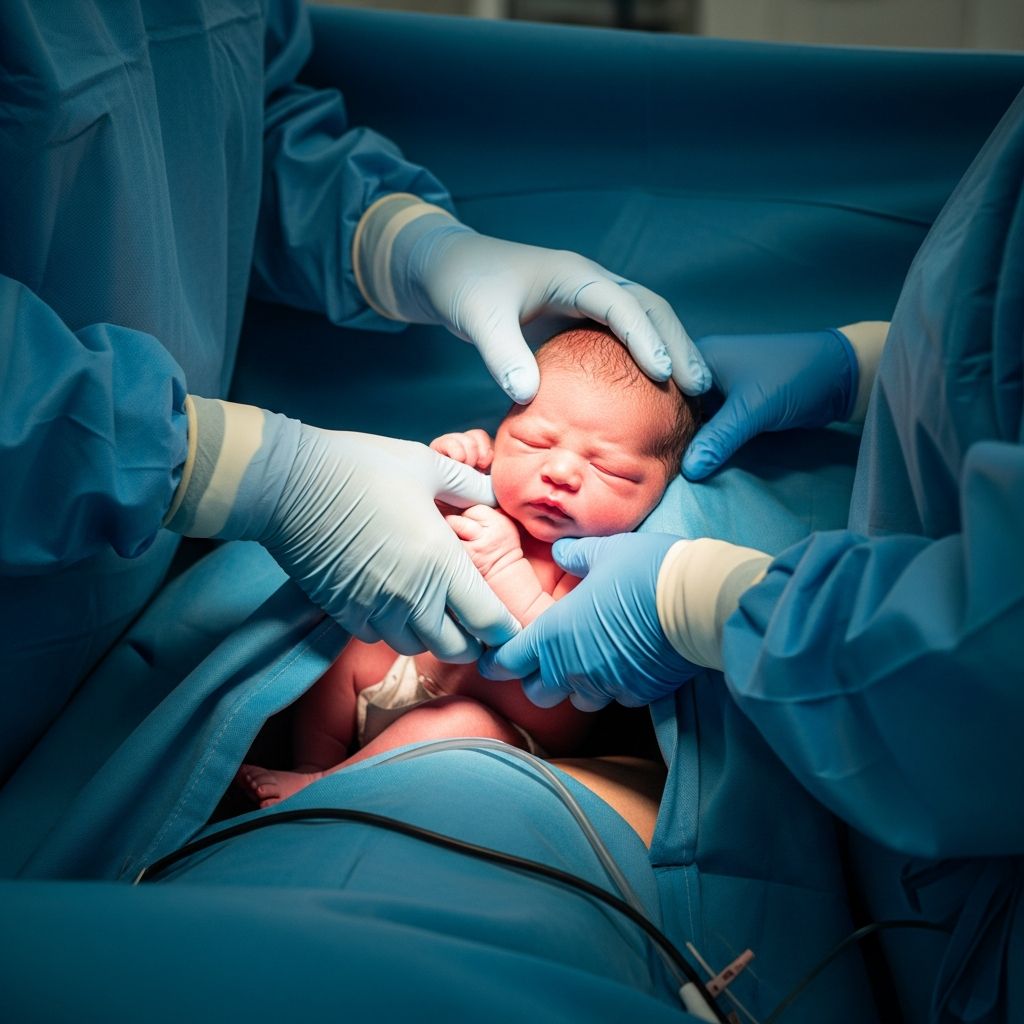
From first incision to delivery spans 3-5 minutes in planned cases. The obstetrician ruptures the amniotic sac if intact, gently lifts the baby, clears airways, clamps, and cuts the umbilical cord. The newborn is assessed swiftly—Apgar scores, drying, warming—then placed on the mother’s chest if stable, promoting bonding and breastfeeding initiation. Partners may cut the cord or hold the baby during closure.
An oxytocin injection follows to contract the uterus, minimizing blood loss. Some facilities offer clear drapes for visual birth witnessing. Babies from C-sections occasionally face transient respiratory issues due to fluid retention, managed promptly.
Placenta Removal and Wound Closure
Post-delivery, the placenta detaches naturally or with assistance and is extracted. The uterus is sutured with absorbable stitches in multiple layers for hemostasis. Abdominal layers close sequentially: peritoneum (often left open), muscles rejoined, fascia meticulously sutured to prevent hernias, subcutaneous tissue if needed, and skin via staples or subcuticular stitches. Closure takes 30-60 minutes. Staples remove after 5-7 days.
Electrocautery seals vessels, reducing blood loss to under 1 liter typically.
Immediate Post-Operative Care in Recovery
Transfer to recovery involves monitoring for stability: vital signs, uterine tone, bleeding. Pain management starts with IV or oral medications; mobility encouraged within hours to avert clots. Breastfeeding begins promptly, supported by lactation experts. Hospital stay spans 2-4 days, with discharge when voiding, eating, and walking independently.
- Pain control: Multimodal meds, avoiding opioids if possible.
- Mobility: Walk within 12-24 hours.
- Wound care: Keep dry, watch for infection signs.
- Bonding: Skin-to-skin and feeding.
Long-Term Recovery at Home: Weeks 1-8
Full healing requires 6-8 weeks. Restrictions include no lifting over 10 lbs, driving until off narcotics, and resuming intercourse after 6 weeks. Nutrition, hydration, rest, and light walks aid recovery. Emotional support addresses ‘baby blues’ or postpartum depression risks, slightly elevated post-C-section. Incision scars fade; core strengthening prevents diastasis recti.
Follow-ups check wound healing at 2 weeks, with annual gyn exams thereafter.
Potential Risks and Complications to Know
While safe, C-sections carry risks: infection (5%), hemorrhage, blood clots, bowel/bladder injury (<1%), future placental issues, longer recovery versus vaginal birth. Babies risk transient tachypnea. VBAC (vaginal birth after cesarean) is viable for many subsequent pregnancies.
| Common Risks | Incidence | Prevention/Management |
|---|---|---|
| Infection | 2-5% | Antibiotics, hygiene |
| Blood Loss >1000ml | 5% | Oxytocin, monitoring |
| Adhesions | Variable | Meticulous closure |
Frequently Asked Questions (FAQs)
Can I have skin-to-skin contact right after a C-section?
Yes, with regional anesthesia, most mothers hold their baby immediately on the chest during closure.
How long until I can drive after surgery?
Typically 2 weeks or when off pain meds affecting alertness.
Will a C-section scar be very noticeable?
Bikini incisions heal well, fading to a thin line within a year.
Is general anesthesia common?
No, used in <10% of cases, mainly emergencies.
Can my partner be present?
Usually yes, for support, unless contagion risks.
Empowering Choices for Your Birth Experience
Knowledge demystifies C-sections, transforming apprehension into confidence. Discuss preferences—drape type, cord clamping delayed, music—with your provider prenatally. Modern protocols prioritize family-centered care, immediate bonding, and holistic recovery.
References
- C-Section (Cesarean Birth): Procedure, Risks & Recovery — Cleveland Clinic. 2023-08-15. https://my.clevelandclinic.org/health/treatments/7246-cesarean-birth-c-section
- What Happens During C-Section — WebMD. 2024-02-10. https://www.webmd.com/baby/what-happens-during-c-section
- What to Expect During a Cesarean Surgery — UPMC. 2023-11-20. https://www.upmc.com/services/womens-health/services/obgyn/obstetrics/labor-delivery/birth-experience/c-section
- What Happens – Caesarean Section — NHS. 2024-01-05. https://www.nhs.uk/tests-and-treatments/caesarean-section/what-happens/
- C-Section — Mayo Clinic. 2023-12-12. https://www.mayoclinic.org/tests-procedures/c-section/about/pac-20393655
- Cesarean Section — Johns Hopkins Medicine. 2023-09-28. https://www.hopkinsmedicine.org/health/treatment-tests-and-therapies/cesarean-section