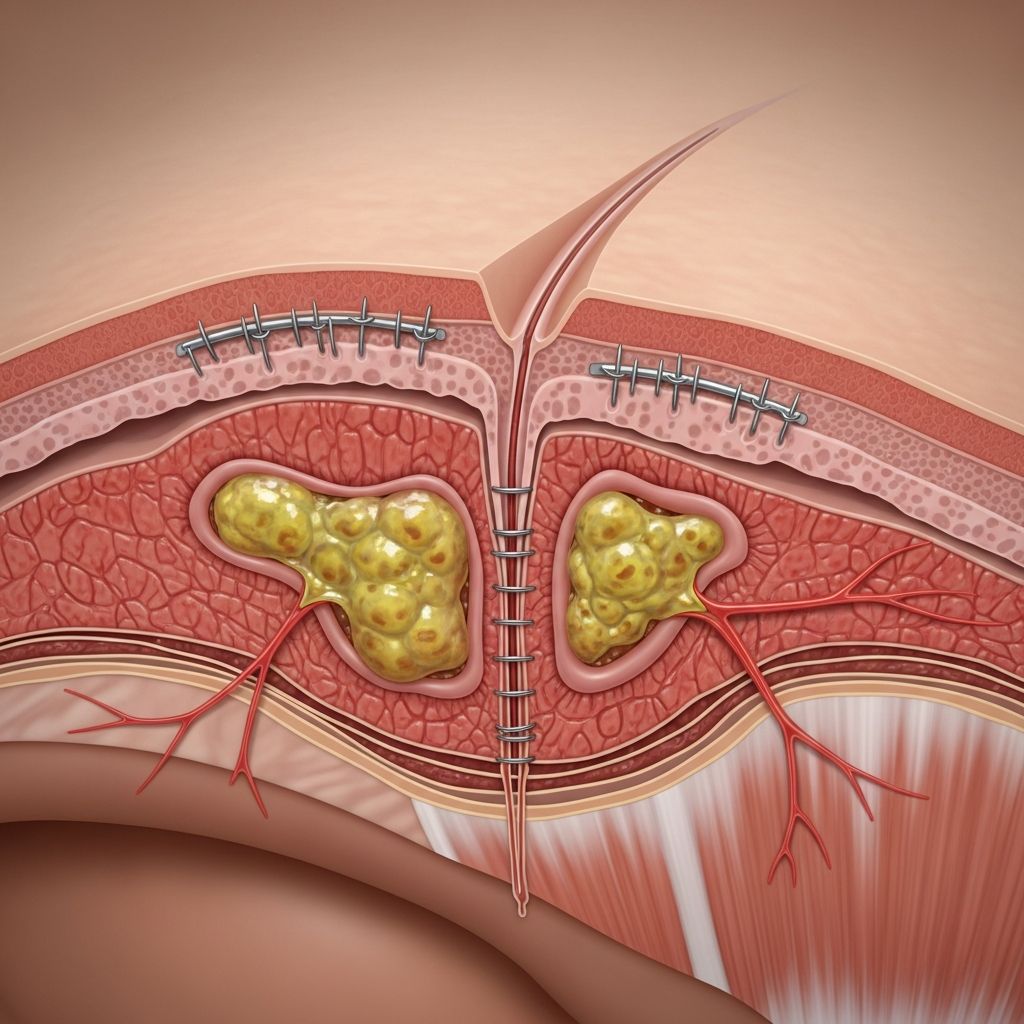
Cesarean sections, while common and life-saving, carry a notable risk of surgical site infections (SSI), affecting 3-15% of cases despite advances in medical practices. These infections can delay recovery and impact maternal health, making awareness crucial for expectant mothers.
Understanding Surgical Site Infections After Cesarean Delivery
Surgical site infections following a C-section involve contamination at the incision, uterus, or surrounding tissues, occurring within 30 days post-surgery. Superficial infections affect skin and subcutaneous layers, while deeper ones reach muscles or organs, potentially leading to severe complications like sepsis if untreated. The rising rate of cesareans amplifies overall SSI incidence, underscoring the need for vigilant post-operative care.
Endometritis, an inflammation of the uterine lining, is another frequent issue, often stemming from bacterial entry during surgery. Unlike vaginal births, C-sections bypass natural protective barriers, increasing vulnerability. Prompt recognition and intervention are key to minimizing morbidity and hospital readmissions.
Key Risk Factors for Post-C-Section Infections
Several patient-related, procedural, and environmental factors elevate SSI chances. Identifying these allows for targeted risk reduction.
- Patient Factors: Obesity (high BMI) impairs wound perfusion and healing; nulliparity (first-time mothers) shows elevated odds; pregnancy-induced hypertension causes vasoconstriction and edema, fostering bacterial growth.
- Labor and Delivery Issues: Prolonged labor, multiple vaginal exams introduce vaginal flora upward; premature rupture of membranes (PROM) compromises amniotic barriers, doubling SSI risk.
- Surgical Variables: Emergency cesareans, operations exceeding 60 minutes, significant blood loss (each 100mL increment raises risk by 30%), lack of preoperative antibiotics, and remote infections heighten vulnerability.
- Other Contributors: Preoperative uterine or distant site infections top the list, alongside anesthesia risks and preeclampsia.
| Risk Factor | Odds Ratio (OR) or Relative Risk (RR) | Source |
|---|---|---|
| Multiple Vaginal Exams | Highest OR among analyzed factors | |
| Pregnancy-Induced Hypertension | 5-fold increase | |
| Blood Loss (per 100mL) | 1.3 (95% CI: 1.1-1.5) | |
| Obesity/High BMI | Significant elevation | |
| No Prophylactic Antibiotics | RR 2.5 for wound infection |
These factors interact; for instance, emergency settings compound labor-related risks, emphasizing preoperative assessment.
Early Warning Signs of Infection
Detecting infections early prevents escalation. Monitor the incision daily for:
- Redness, warmth, or swelling expanding beyond the site.
- Pus, foul-smelling discharge, or wound separation.
- Severe pain unresponsive to medication, fever over 100.4°F (38°C), or chills.
- Systemic symptoms like fatigue, rapid heartbeat, or urinary issues indicating endometritis or urinary tract involvement.
Infections typically emerge within 2-4 days post-surgery, though some appear later. Deep infections may cause abdominal tenderness or bowel changes. Regular wound checks and reporting anomalies to providers is essential.
Proven Prevention Strategies
Reducing SSI relies on multifaceted approaches, proven effective through clinical trials.
Antibiotic Prophylaxis: Preoperative administration (before incision) slashes wound infection risk by 60% (RR 0.40), endometritis by 62% (RR 0.38), versus post-cord clamping. Cephalosporins or penicillins work equally well for both elective and emergency cases.
Vaginal Preparation: Povidone-iodine cleansing before surgery cuts endometritis risk from 7.2% to 3.6% (RR 0.39), especially with ruptured membranes (RR 0.13).
Surgical Techniques: Minimize duration, control blood loss, use absorbable sutures like polyglycolide (PGA) over nylon to lower infection odds. Sterile protocols and hygiene remain foundational.
Post-Op Care: Keep incision clean/dry, avoid early strenuous activity to prevent dehiscence and sepsis. Manage comorbidities like hypertension.
Treatment Approaches for Confirmed Infections
Treatment escalates by severity:
- Mild Superficial SSI: Oral antibiotics (e.g., cephalexin), warm compresses, and wound cleaning. Most resolve outpatient.
- Moderate/Deep Infections: IV broad-spectrum antibiotics (e.g., for endometritis, repeated doses reduce risk by 50%); drainage if abscess forms.
- Severe Cases (Sepsis): Hospitalization, imaging, surgical debridement, or hysterectomy in extremes. Blood cultures guide therapy.
Healing timelines vary: superficial cases 1-2 weeks with care; deeper ones may require months. Follow-up ensures complete resolution.
Postpartum Recovery and Lifestyle Tips
Beyond infection management, holistic recovery aids healing:
- Rest adequately; limit lifting to baby weight.
- Nutritious diet rich in protein, vitamins A/C for tissue repair.
- Hydration and light walking to boost circulation without strain.
- Scar massage post-initial healing to minimize adhesions.
- Mental health support, as complications can trigger anxiety.
Consult providers before resuming intimacy or exercise, typically 6-8 weeks.
Frequently Asked Questions (FAQs)
What increases my risk of C-section infection the most?
Preoperative infections, obesity, emergency procedures, and multiple vaginal exams are top risks, with odds amplified by PROM or hypertension.
How do I know if my incision is infected?
Look for redness, pus, fever, or worsening pain. Contact your doctor immediately if symptoms appear within 30 days.
Can infections be completely prevented?
Not always, but preoperative antibiotics and vaginal prep reduce risks by up to 60-87% in high-risk groups.
What if I develop a fever after discharge?
Seek urgent care; it may signal endometritis or SSI, treatable with prompt antibiotics.
How long does recovery take with an infection?
Mild cases heal in 1-2 weeks; severe ones may extend to months with proper treatment.
Long-Term Implications and When to Seek Help
Untreated SSIs can lead to chronic pain, fertility issues, or emotional distress. Most mothers recover fully with intervention. Empower yourself by tracking symptoms and adhering to follow-ups. Discuss risks antenatally to prepare.
References
- Postcesarean wound infection: prevalence, impact, prevention, and management — Chaim W, et al. PMC. 2017-02-15. https://pmc.ncbi.nlm.nih.gov/articles/PMC5322852/
- Risk factors related to surgical wound infection after caesarean section — Wang X, et al. PMC. 2024-01-01. https://pmc.ncbi.nlm.nih.gov/articles/PMC10830388/
- Risk Factors for Infection Following Cesarean Delivery — American Academy of Family Physicians. 2000-08-15. https://www.aafp.org/pubs/afp/issues/2000/0815/p851.html
- C-Section Complications — American Pregnancy Association. N/A. https://americanpregnancy.org/healthy-pregnancy/labor-and-birth/c-section-complications/
- C-section – Mayo Clinic — Mayo Clinic. 2023-07-12. https://www.mayoclinic.org/tests-procedures/c-section/about/pac-20393655