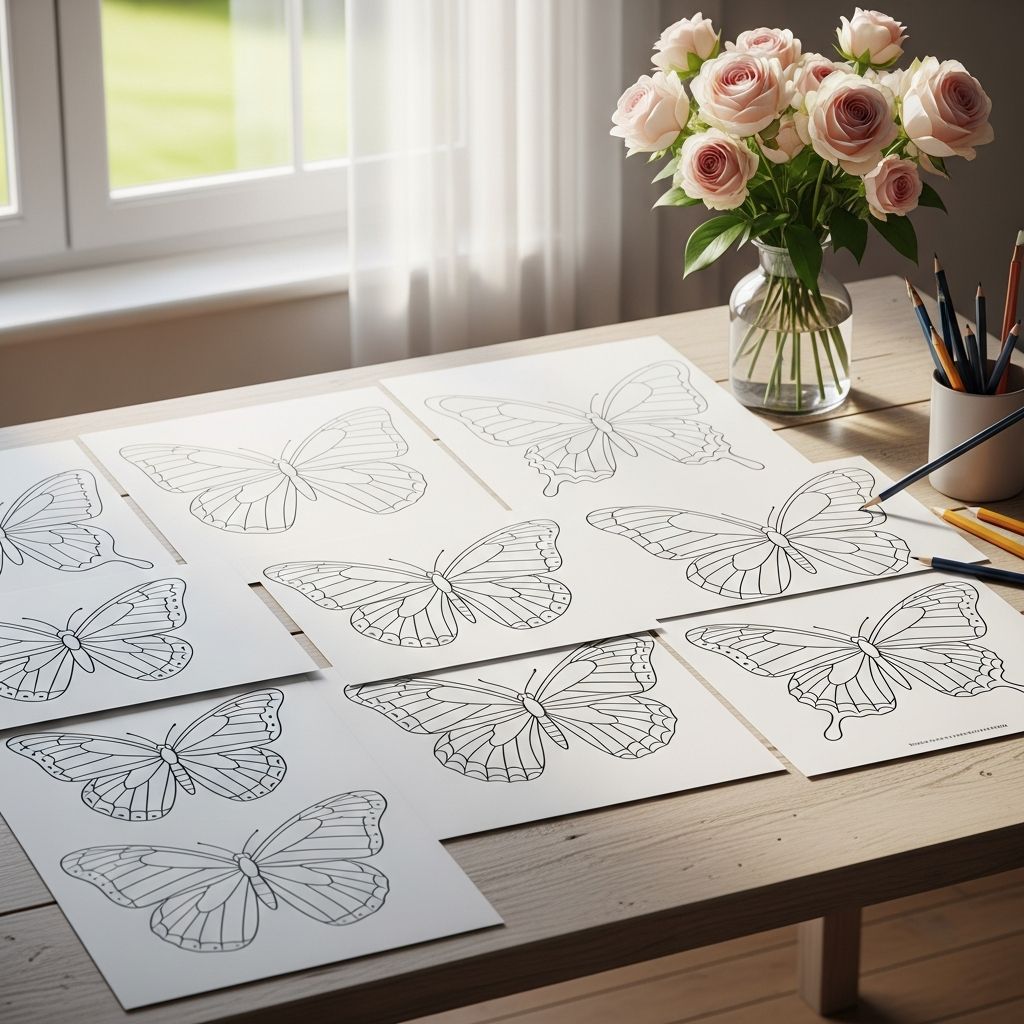
Butterfly coloring pages are more than a quick way to keep kids busy. They blend art, nature, and learning into one simple activity that you can use at home, in the classroom, or on the go. Whether you are printing a single sheet for a quiet afternoon or planning a full butterfly-themed learning day, these pages open the door to creativity, conversation, and calm.
Why Kids Love Butterfly Coloring Pages
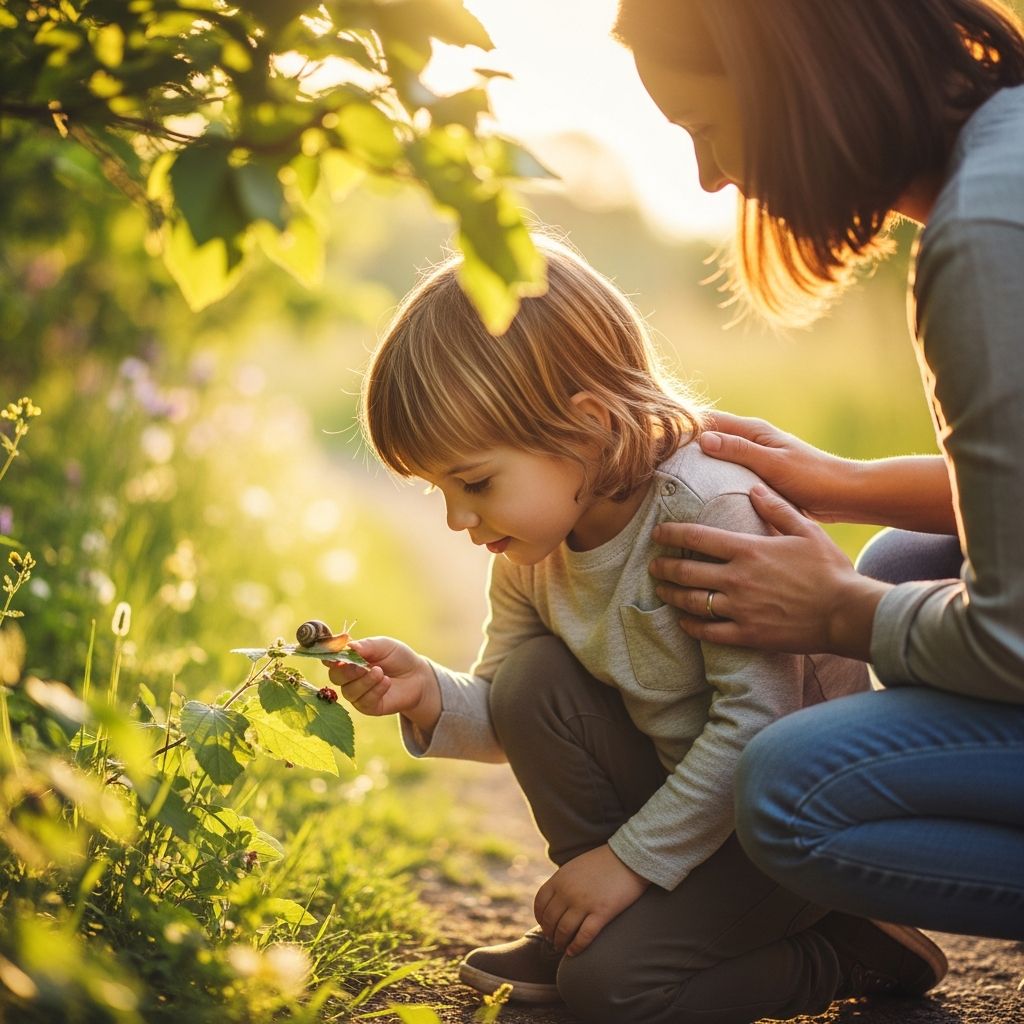
Butterflies naturally capture children’s attention with their bright colors, delicate wings, and graceful movement. When those images show up as coloring pages, kids get a chance to bring the butterflies to life in their own way.
- Bright, recognizable shapes make it easy for even young children to participate.
- Flexible designs allow toddlers, preschoolers, and older kids to all use the same page at different skill levels.
- Nature themes spark curiosity and questions about real butterflies, gardens, and seasons.
Coloring also gives children a chance to relax, slow down, and focus—an important balance to screen time and fast-paced activities.
Key Benefits of Butterfly Coloring for Child Development
Researchers and child development experts note that coloring activities support multiple areas of growth, from motor skills to emotional regulation. Here are some of the most important benefits you can expect when kids use butterfly coloring pages regularly.
1. Building Fine Motor Skills and Pre-Writing Control
Each time a child holds a crayon, presses a colored pencil, or traces along a line, they are practicing the same small muscle movements they will later use for writing.
- Strengthens hand and finger muscles through gripping and coloring.
- Imporves control over pressure and direction of strokes.
- Prepares children for handwriting by practicing controlled lines and curves.
Research in early childhood education highlights that playful fine-motor tasks, such as coloring and drawing, are closely linked to later handwriting and academic skills.
2. Supporting Focus and Concentration
Staying within lines, choosing colors, and completing a picture all require sustained attention. Coloring gives children a manageable task that trains them to stay with one activity.
- Encourages kids to finish what they start.
- Develops the ability to tune out distractions for short periods.
- Practices goal-directed behavior in a low-pressure setting.
3. Encouraging Creativity and Imagination
Butterflies come in endless colors and patterns, which makes them perfect for open-ended art. There is no single right answer.
- Children can invent their own species with imaginative colors and shapes.
- Older kids can experiment with shading, blending, or symmetry.
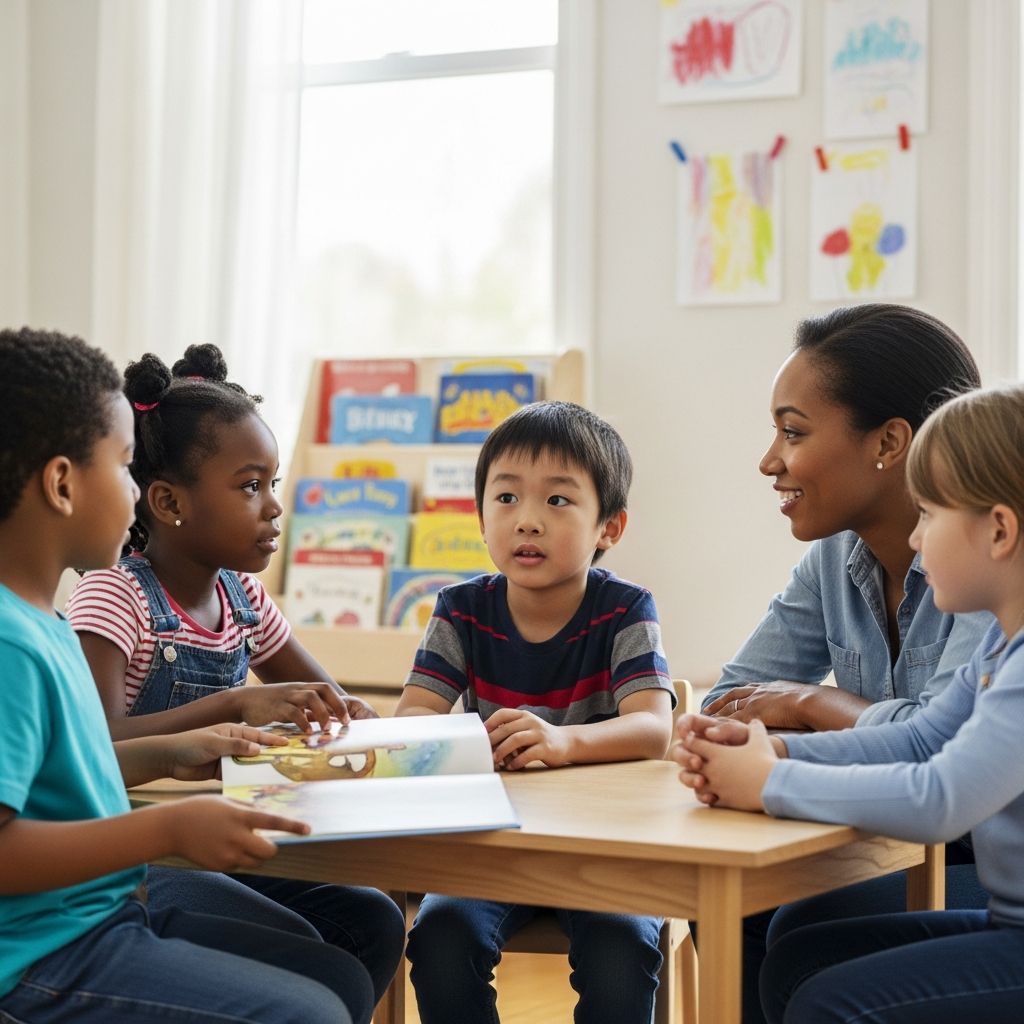
- Storytelling naturally flows out of the artwork: Where is this butterfly flying? What flowers does it like?
Art education research consistently finds that unstructured coloring and drawing help children explore ideas, communicate feelings, and build confidence in their creative choices.
4. Emotional Regulation and Relaxation
Coloring can be calming for both kids and adults. Clinical and educational reports suggest that focused, repetitive activities like coloring may reduce feelings of anxiety and help children self-soothe.
- Provides a quiet break during busy school or family days.
- Gives shy or overwhelmed children a nonverbal way to settle their emotions.
- Can be used as part of a calming corner or bedtime routine.
5. Learning Colors, Patterns, and Early Math Ideas
Butterfly pages are ideal for color practice and simple pattern work.
- Practice naming primary and secondary colors.
- Explore light vs. dark, warm vs. cool color groups.
- Use wings for pattern activities such as ABAB or AABB sequences.
Early math frameworks often emphasize pattern recognition and classification as foundations for later number and algebra skills, and simple coloring tasks can reinforce these concepts in a playful way.
Types of Butterfly Coloring Pages to Try
Not all butterfly pages are the same. Choosing designs that match your child’s age, interests, and attention span will make coloring time more enjoyable and meaningful.
| Type of Page | Best For | Key Features |
|---|---|---|
| Simple Outlines | Toddlers, preschoolers, beginners | Large shapes, thick lines, minimal detail |
| Scene Pages | Preschool to early elementary | Butterflies with flowers, grass, clouds, or garden backgrounds |
| Realistic Species | Older children, nature lovers | Detailed wing patterns for monarchs, swallowtails, and more |
| Color-by-Number | Kids learning numbers or color names | Numbered sections that match a color key |
| Mandalas or Intricate Designs | Teens, adults, advanced colorists | Small, repeated patterns for careful fine-motor work |
Connecting Butterfly Coloring with Nature Learning
Butterfly pages are a natural starting point for simple science questions and observations. You do not need to be an expert to turn coloring into a mini nature lesson.
Introduce the Butterfly Life Cycle
Children can color a butterfly while learning about how it grows from egg to adult. Educational materials from museums and universities commonly describe four main stages in a butterfly’s life cycle: egg, caterpillar (larva), chrysalis (pupa), and adult butterfly.
- Show a picture of the four stages and ask your child to point out which part they are coloring.
- Use arrows or labels around the coloring page to show the cycle.
- Have kids draw a small egg on a leaf in the corner of the page.
Talk About Real Butterfly Species
Some coloring pages are inspired by real butterflies. If you print a monarch-style or swallowtail-style page, you can briefly introduce facts drawn from reputable nature or extension programs.
- Monarchs are known for long-distance migration in North America.
- Many butterflies depend on specific plants as caterpillars, such as milkweed for monarchs.
- Gardeners often plant nectar-rich flowers to support adult butterflies.
This shows children that their artwork connects to living creatures outside.
Use Coloring as a Pre-Field Trip Activity
If you plan to visit a garden, park, or butterfly house, use butterfly coloring pages ahead of time to build excitement.
- Color a page before the trip and bring it along to compare with real butterflies.
- Ask children to look for a butterfly that resembles their drawing.
- Afterward, invite them to color a second page based on what they observed.
Practical Tips for Printing and Organizing Pages
With a few simple routines, you can turn random printouts into a well-organized coloring collection.
- Print on sturdier paper (like light cardstock) if you plan to use markers or craft projects.
- Store pages in a binder or folder divided by theme (butterflies, flowers, seasons).
- Pre-cut pages for younger kids, so they are ready to color without help.
- Set up a small art caddy with crayons, colored pencils, and washable markers within easy reach.
Having everything prepared makes it easier to offer coloring as a calm alternative when kids are restless, tired, or waiting for dinner.
Creative Ways to Use Finished Butterfly Pages
Completed butterfly pages do not need to live forever in a stack. Turning them into simple crafts celebrates children’s effort and gives artwork a second life.
Display and Decor Projects
- Mini gallery wall: Tape or frame several butterfly pictures together to decorate a playroom or hallway.
- Seasonal garlands: Cut out colored butterflies, punch tiny holes, and string them along yarn or ribbon.
- Bookmarks: Laminate or tape a strip around a butterfly image and trim into a sturdy bookmark.
Simple Craft Ideas
- Butterfly wands: Attach a cut-out colored butterfly to a craft stick or straw with tape and add ribbons for a pretend play prop.
- Window art: Tape butterflies to windows or sliding doors so sunlight shines through the colors.
- Cards and invitations: Fold cardstock, glue a small butterfly picture on the front, and add a handwritten message inside.
Learning Extensions and Games
- Symmetry game: Fold a blank page in half; have your child draw and color one wing, then try to match it on the other side.
- Memory matching: Color pairs of butterfly pages in matching colors, cut them out, and play a simple memory game.
- Sorting challenge: Ask children to sort cut-out butterflies by color, size, or pattern.
Adapting Butterfly Coloring for Different Ages
One advantage of butterfly coloring pages is how easily they can be adjusted for different age groups.
Toddlers (Ages 2–3)
- Choose large, simple outlines with plenty of open space.
- Offer chunky crayons or washable markers that are easy to grip.
- Focus on exploration, not staying in the lines or finishing the page.
Preschoolers (Ages 3–5)
- Introduce slightly more detailed wings and simple floral backgrounds.
- Practice color names and simple patterns (like stripes or polka dots).
- Invite kids to tell a story about their butterfly as they color.
Early Elementary (Ages 6–8)
- Offer scene-based pages and realistic butterfly outlines.
- Encourage careful coloring, shading, and staying in the lines.
- Pair coloring with basic science facts about gardens, pollination, and migration.
Older Kids, Teens, and Adults
- Use intricate designs or butterfly mandalas for detailed work.
- Experiment with colored pencils, gel pens, or watercolor pencils on thicker paper.
- Introduce mindfulness coloring sessions as a way to unwind and focus on the present moment.
Making Coloring Time Inclusive and Low-Pressure
Children get the most benefit from coloring when they feel free to experiment and make mistakes. Try to keep expectations flexible.
- Avoid correcting color choices (“Butterflies aren’t blue and green like that”). Instead, ask curious questions.
- Let kids decide when a page is finished. Some may color just one wing; others will fill every corner.
- Offer choices: different pages, tools, or backgrounds to add.
- Join in yourself. Coloring alongside children can strengthen relationships and encourage conversation.
Frequently Asked Questions About Butterfly Coloring Pages
How often should kids color to see benefits?
There is no strict rule, but offering coloring several times per week gives children regular practice in fine-motor control, focus, and creativity. Even 10–15 minutes at a time can be useful.
Are markers or crayons better for butterfly coloring pages?
Both work well. Crayons are often easier for younger children to control and are less likely to bleed through paper. Washable markers provide brighter colors and may appeal to older kids. You can also mix tools on the same page.
Can coloring pages really help with learning?
Yes. When you combine coloring with conversation—about colors, patterns, stories, or nature facts—children practice language, early math concepts, and science knowledge in a relaxed setting.
What if my child scribbles instead of coloring carefully?
Scribbling is an important developmental step, especially for toddlers and young preschoolers. Over time, as hand control improves, children usually begin to fill shapes more carefully. You can support this by providing larger shapes and praising effort rather than neatness.
How can I store or preserve my child’s butterfly artwork?
You can keep favorites in a binder with plastic sleeves, create a rotating gallery on the wall or fridge, or take photos and make a digital album. Turning artwork into crafts such as garlands or bookmarks is another way to celebrate their effort while keeping clutter under control.
References
- The Importance of Art in Child Development — PBS Parents / Public Broadcasting Service. 2015-06-30. https://www.pbs.org/parents/thrive/the-importance-of-art-in-child-development
- The Impact of Art Making on Anxiety: A Pilot Study — Kaimal G, Ray K, Muniz J, Art Therapy (American Art Therapy Association). 2016-01-01. https://doi.org/10.1080/07421656.2016.1166832
- Monarch Butterfly Biology — U.S. Forest Service, U.S. Department of Agriculture. 2020-03-12. https://www.fs.usda.gov/wildflowers/pollinators/Monarch_Butterfly/biology/index.shtml
- Gardening for Butterflies — University of Florida IFAS Extension. 2018-04-26. https://edis.ifas.ufl.edu/publication/UW057
- Coloring Activities and Mindfulness in Children — Adapted from mindfulness education resources, Greater Good Science Center, University of California, Berkeley. 2018-09-10. https://greatergood.berkeley.edu/article/item/how_coloring_books_might_help_with_mindfulness