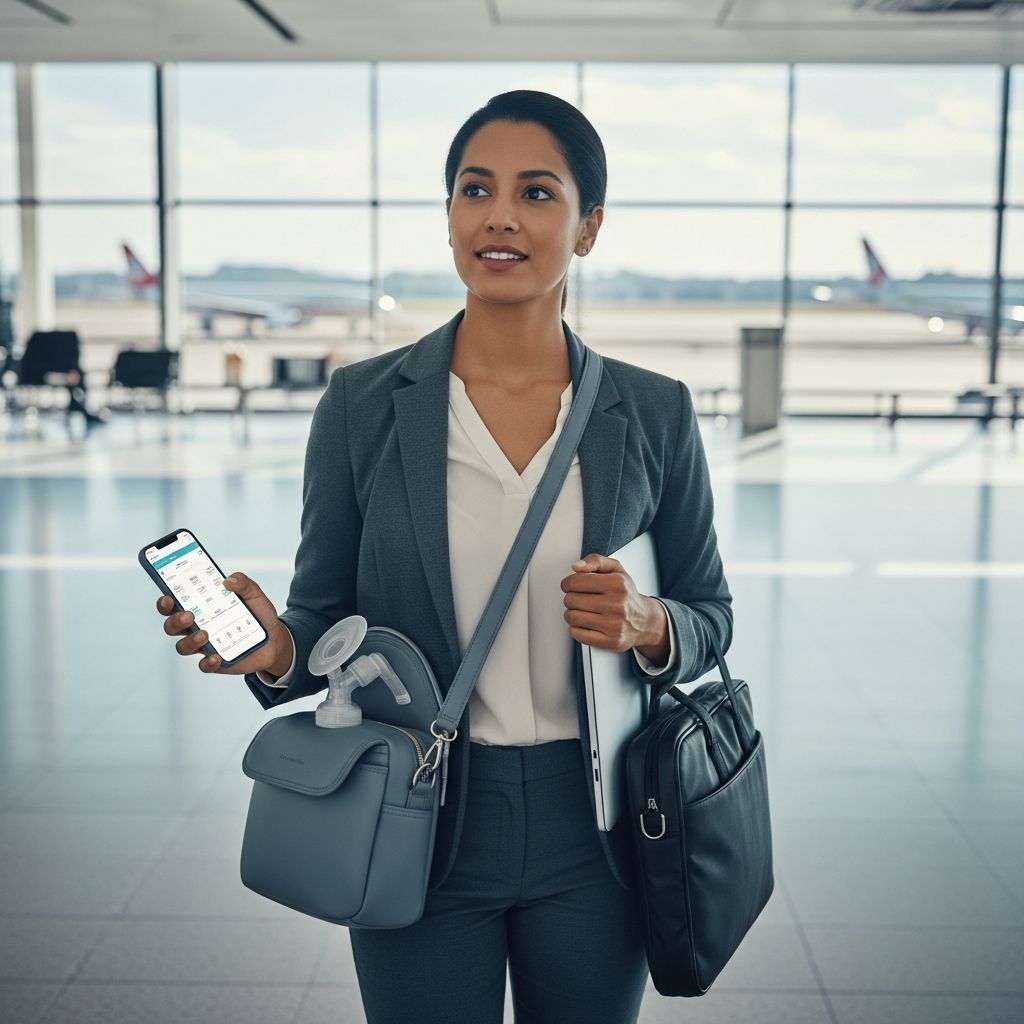
Business travel can be a powerful career opportunity, but it often arrives at the exact moment you are finding your rhythm with breastfeeding. Instead of choosing between feeding your baby and saying yes to work, you can build a realistic plan that protects both. This guide walks through clear, practical steps to prepare, pump, store milk, and care for yourself while you are away.
Understanding the Realities of Work Travel While Nursing
Traveling without your baby changes every part of your breastfeeding routine: when you pump, where you store milk, how your body feels, and how you feel emotionally. Recognizing these shifts early keeps you from being blindsided at the airport or in a conference room. Rather than aiming for perfection, aim for “good enough to protect your supply and your sanity.”
Every parent’s situation is different: some have flexible managers and short flights; others have back-to-back meetings, international travel, or limited privacy. The goal is to understand your own constraints and build a plan that fits inside them, rather than forcing yourself into an ideal that does not match your job.
Step One: Clarify Your Feeding and Work Priorities
Before you book a single ticket, get honest about what matters most in this season. That clarity will guide thousands of tiny decisions: when to pump, whether to ship milk home, how many days to stay, and how hard to push for accommodations at work.
- Decide if your primary goal is to maintain full supply, partial supply, or simply provide some milk while easing into other feeding options.
- List non-negotiables for your baby’s care at home (for example, “breast milk only during this trip” or “comfortable with a mix of formula and milk from the freezer”).
- Clarify what this trip means for your career: a one-time opportunity, a recurring requirement, or something you could postpone.
Once you know your priorities, it becomes easier to communicate with your employer and your support system, and to forgive yourself for adjusting your feeding expectations if needed.
Planning Timeline: What to Do and When
Thoughtful timing reduces last-minute stress. Use this simple table as a starting point and customize it to your travel dates and job demands.
| Timeframe | Main Focus | Key Actions |
|---|---|---|
| 2–4 weeks before | Big-picture prep |
|
| 1 week before | Gear and logistics |
|
| 1–2 days before | Final checks |
|
| During trip | Protect supply and comfort |
|
| After return | Transition home |
|
Essential Packing List for Pumping Parents
Your pump bag will become as important as your laptop bag. Think beyond the basic pump and bottles; travel is when spares truly matter. Each item you pack is one less thing to improvise in a crowded airport bathroom or a client’s office.
- Primary electric pump, power cord, and any needed adapters.
- Small manual or hand pump as a backup in case of power issues or delays.
- Multiple sets of flanges, valves, membranes, and tubing so you are not washing constantly.
- Milk collection bottles and/or storage bags with clear labels.
- Portable cooler bag, ice packs, or insulated bottles for transport.
- Breast pads, a comfortable pumping bra, and a light cover or scarf if you prefer privacy.
- Quick-clean wipes and a small bottle of soap in a leak-proof bag.
- Zip-top plastic bags for organizing parts and separating clean from used.
- Printed or digital copies of relevant travel and workplace policies (for example, liquids and medical devices rules).
Coordinating With Your Employer and Colleagues
Work travel often has less flexibility than office days, but you can still advocate for reasonable accommodations. Approaching the conversation with solutions in mind can help your manager see that supporting your pumping needs does not have to derail the trip.
- Share that you are breastfeeding and will need brief, predictable breaks to pump, typically every three to four hours.
- Suggest specific options: slightly extended coffee breaks, private use of a vacant office, or quick pauses between sessions at a conference.
- If you are leading meetings, build five- to ten-minute buffers between sessions so you can pump or at least relieve pressure.
- Confirm who can approve work-related expenses such as milk shipping services or additional baggage for a cooler.
Managing Pumping in Transit: Airports, Trains, and Planes
Transit days are often the hardest: your schedule is dictated by boarding times, check-in lines, and delays. A little forethought, plus knowing your rights, goes a long way toward keeping you comfortable and avoiding painful engorgement.
- Arrive slightly earlier than usual so you have time to pump after security if needed.
- Look up whether your departure and arrival hubs offer lactation rooms or family rooms with outlets.
- Keep your pump, milk, and cooler in your carry-on; checked bags can be lost or delayed.
- If pumping on the plane, choose an aisle seat when possible and pack a small, hands-free setup for tight spaces.
- Politely inform security staff that you are carrying breast milk and pumping equipment, and set these items in a separate bin to reduce confusion.
Hotel Strategies: Creating a Mini Lactation Station
Your hotel room will be the main base for your pumping routine. Setting it up intentionally on the first night reduces decision fatigue and keeps you from scrambling to find outlets or ice when you are exhausted after meetings.
- Before you arrive, ask the hotel to place a refrigerator with a freezer compartment in your room, not just a beverage cooler.
- Upon check-in, check that the fridge is cold enough and ask for extra ice if you will rely on a cooler.
- Designate one clean surface for pump parts and one area for drying them, away from bathroom sinks and toilets.
- Set alarms on your phone that mirror your baby’s usual feeding times to remind you to pump.
- Use storage bags to save space if freezer space is limited; lay them flat to freeze to stack more easily.
Protecting Your Milk Supply on the Road
For many parents, the biggest fear is coming home with a lower milk supply. While a short trip may cause a temporary dip, consistent emptying is usually enough to keep your body responding well. The more you mimic your baby’s usual pattern, the more your body gets the message to keep producing.
- Aim to pump as often as your baby typically feeds, or at least every three to four hours during the day.
- Try not to skip sessions, even when meetings run long; a shorter pump is better than none.
- If your baby usually nurses at night, consider one overnight pump to keep hormones in sync, especially on longer trips.
- Stay hydrated and eat regularly; even mild dehydration or skipped meals can make pumping feel harder.
If you notice a dip after returning, add an extra pumping session for a week or two, or encourage more frequent nursing at home to help your supply rebound.
Storing, Transporting, and (Maybe) Shipping Milk
Once you have pumped, the next question is what to do with all that milk. Your options will depend on how long you are gone, whether you have a freezer, and how much luggage space you have. There is no single “right” solution; choose the combination that protects safety and fits your trip.
Common storage approaches
- Short trips (1–2 nights): Keep milk chilled in the hotel refrigerator or a well-insulated cooler with ice packs, then carry it home with fresh ice.
- Medium trips (3–4 nights): Use a combination of refrigeration and freezing; freeze older milk first so it stays solid longer on travel day.
- Longer trips (5+ nights): Consider shipping frozen milk home using a specialized service or overnight courier with dry ice, if available and budget allows.
Whether you carry milk home or ship it, label each bag or bottle with the date and time pumped, your name, and any other details your caregiver prefers. Group bags into larger zip-top bags by day to make thawing and feeding easier once you are home.
Taking Care of Your Body and Emotions
Work travel while breastfeeding is more than a logistics puzzle; it can stir up grief, guilt, pride, and everything in between. Your body is working hard, your schedule is disrupted, and you may miss your baby fiercely between meetings.
- Normalize mixed feelings: you can be grateful for the opportunity and still wish you were at home.
- Plan regular video calls or photo exchanges with your caregiver so you feel connected without trying to parent from afar.
- Build in small comforts: a favorite snack in your carry-on, a relaxing show in the hotel, or a brief walk outside between sessions.
- If you feel overwhelmed or notice physical signs of burnout, consider asking your provider or a lactation professional for extra support.
Supporting Roles: Partners, Caregivers, and Babies at Home
Your support network back home plays a major part in making the trip work. They are the ones handling night feeds, bottles, and daily routines while you juggle flights and meetings. Setting clear expectations ahead of time keeps everyone on the same page.
- Walk your partner or caregiver through bottle prep, milk storage, and your baby’s usual feeding cues.
- Agree on how and when they will contact you with updates versus only for urgent issues, so you are not constantly checking your phone during key work moments.
- Share your pumping plan so they understand why you might miss a call or need quiet time after a meeting.
- Schedule a “transition day” when you return, if possible, to give everyone time to settle back into home routines.
Common Challenges and How to Respond
Even with great planning, surprises happen: delayed flights, cancelled fridges, or a meeting that runs straight through your pumping window. Resolving these issues quickly and kindly toward yourself prevents small setbacks from turning into crises.
- Flight delays: Look for a quiet corner or family room to pump while you wait, or use a manual pump in a restroom if needed for immediate relief.
- No fridge available: Rely on ice from restaurants or hotel staff, and rotate fresh ice into your cooler regularly.
- Painful engorgement: Pump or hand-express enough to soften the breast, apply a cool compress afterward, and take approved pain relief if recommended by your provider.
- Leaking during meetings: Keep spare pads and a dark layer (cardigan, blazer) in your bag to swap quickly if needed.
Frequently Asked Questions
How often should I pump while traveling for work?
In most cases, aim to pump as often as your baby normally nurses, especially during the day. If that is not possible, try for every three to four hours, and avoid skipping more than one session in a row whenever you can.
What if I cannot find a private place to pump?
Start by asking event organizers, hotel staff, or office administrators if there is an unused room that can be temporarily reserved. If that fails, use a family restroom, your parked car (with a cover and sunshade for privacy), or a quiet corner with a hands-free pump and a scarf or blazer to stay discreet.
Is it okay if some feeds at home are formula while I am gone?
Many families choose to use a mix of breast milk and formula during travel seasons, and this does not erase the benefits of breastfeeding. If supplementing makes the trip more manageable and keeps everyone calmer, it can be a valid, healthy choice for your family.
Will a short business trip permanently damage my milk supply?
A single short trip rarely leads to a permanent drop in supply, especially if you maintain a somewhat consistent pumping schedule. If you notice a temporary dip, more frequent nursing or pumping after you return often brings your supply back to baseline within a week or two.
Should I wake up at night to pump while traveling?
If your baby typically feeds overnight and you are worried about supply, one nighttime pump can be helpful, particularly on multi-day trips. That said, if sleep is very limited and your mental health is suffering, it may be more important to rest and continue pumping reliably during the day.
How do I talk to my manager about my pumping needs?
Keep the conversation straightforward and solution-oriented. Explain that you are breastfeeding, share how often you will need short breaks, and offer specific options for fitting those breaks between existing work commitments so that your responsibilities are still fully covered.
Key Takeaways for Confident, Breastfeeding-Friendly Travel
You do not have to choose between your career and breastfeeding when a work trip appears on your calendar. With honest planning, supportive communication, and a flexible mindset, it is possible to protect your milk supply, manage your responsibilities, and come home to your baby proud of what you accomplished on every front.
Perfect adherence to a plan is not the measure of success; showing up for your baby and your work in the ways that are available to you is. Over time, each trip becomes easier, and you gain a toolkit of strategies that you can reuse—and share with the next parent in your workplace who is packing a pump along with their laptop.