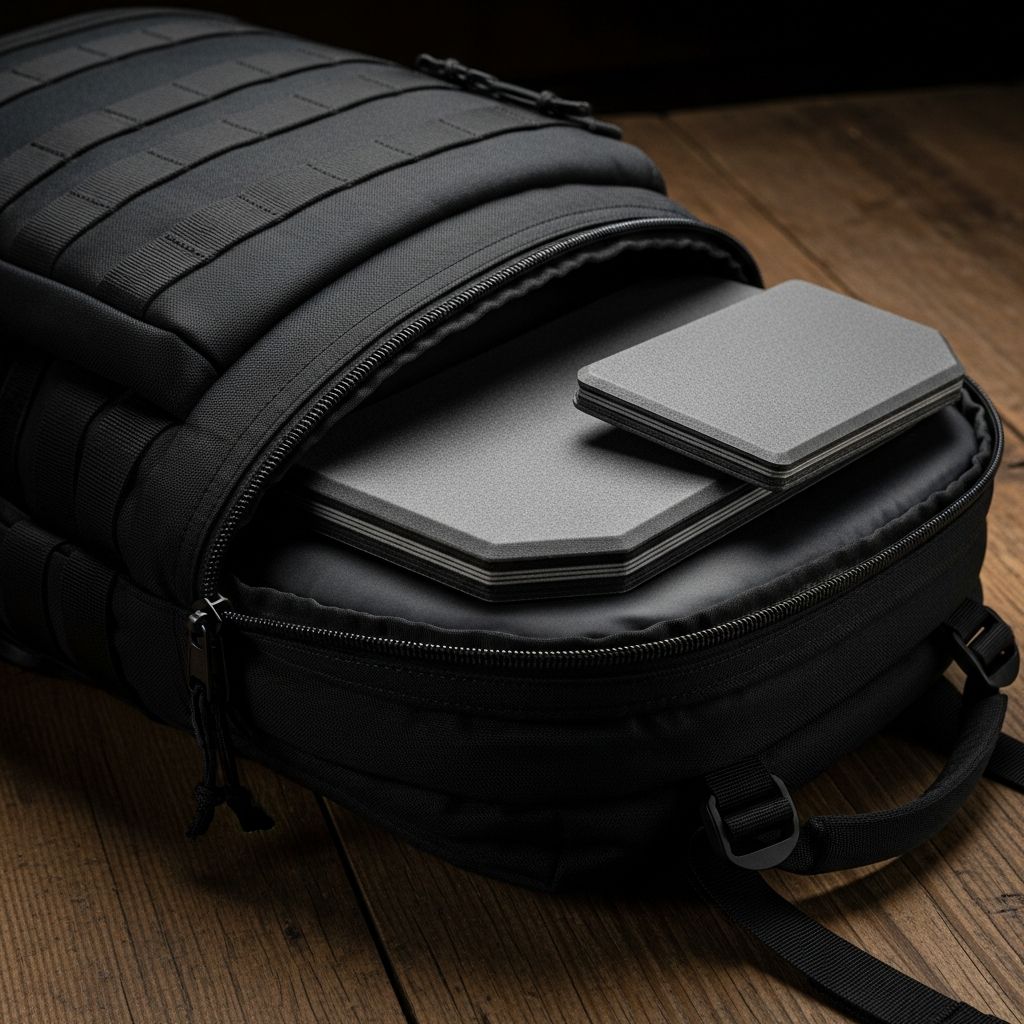
Bulletproof backpack panels offer a discreet way to add ballistic defense to everyday student bags, potentially stopping handgun or rifle rounds depending on their rating. These inserts, made from advanced materials like Kevlar or ultra-high-molecular-weight polyethylene (UHMWPE), aim to provide critical seconds of protection during emergencies such as school shootings.
Understanding Ballistic Protection Basics
Ballistic panels rely on the National Institute of Justice (NIJ) standards to rate their stopping power. NIJ Level IIIA panels, common in backpacks, stop most handgun bullets up to .44 Magnum, while Level III hard plates handle rifle rounds like 7.62mm from AK-47s or 5.56mm from AR-15s. These ratings ensure panels absorb and disperse a projectile’s energy, preventing penetration.
Materials play a key role: Kevlar fibers create a dense web that catches bullets, Dyneema provides lightweight strength, and ceramic or steel composites in higher levels shatter incoming rounds. Soft panels (IIIA) weigh around 1-3 pounds and fit slimly, whereas rigid Level III+ options reach 3-9 pounds but offer rifle-grade defense.
How These Panels Integrate into Daily Life
Parents slip panels into standard backpacks, positioning them to cover the back or sides. They’re customizable in size for various bags and threat levels, making them versatile for schools, travel, or public events. Unlike full vests, they remain hidden, avoiding stigma while ready for use—simply grab the backpack as a shield.
- School use: Positions panel behind the wearer for torso protection during lockdowns.
- Travel scenarios: Adds security in high-risk areas without bulky gear.
- Workplaces or events: Enhances personal defense discreetly.
Protection Capabilities by NIJ Level
Not all panels are equal; selection depends on anticipated threats. Here’s a breakdown:
| NIJ Level | Stops | Weight Range | Best For |
|---|---|---|---|
| IIIA (Soft) | Handguns (.44 Mag, .357 SIG, 9mm) | 1-3 lbs | Everyday school carry |
| III (Hard) | Rifle (7.62×51 FMJ, 5.56 NATO, .308 Win) | 3-6 lbs | High-threat environments |
| IV (Hard) | Armor-piercing (.30-06 AP) | 6-9+ lbs | Maximum defense needs |
Level III panels, for instance, withstand AR-15 rounds common in U.S. incidents, but require checking specs as not all claim this. Effectiveness hinges on impact angle, panel condition, and ammo type—multiple hits degrade performance.
Advantages of Adding Ballistic Panels
These inserts shine in affordability over full armored bags, costing hundreds rather than thousands. They deliver tangible protection: a IIIA panel could halt a shooter’s handgun fire, buying escape time. Lightweight options barely add bulk, preserving normalcy.
In real tests, panels matching NIJ standards perform reliably against rated threats, with supporters noting their life-saving potential in active shooter events. Custom fit ensures coverage without altering backpack use.
Key Drawbacks and Limitations
Despite benefits, panels aren’t foolproof. They cover only the back or a small area, leaving limbs and head exposed— no substitute for full armor or evasion. Higher-level plates add weight (up to 9 lbs), potentially straining children and impacting mobility.
Research on body armor shows added load increases perceived exertion during tasks like running or lifting, which could hinder a child’s flight in panic. Cost remains a barrier, from $200-$1000+, straining family budgets. They may foster overconfidence, delaying proven safety protocols like “run, hide, fight”.
Rifle rounds overwhelm lower-rated panels, and edge hits or degradation reduce efficacy. Studies indicate armor’s bulk affects biomechanics, possibly slowing reaction times.
Performance Insights from Studies
Law enforcement tests reveal armor’s trade-offs: while stabilizing shooters in some drills, heavier plates elevate fatigue across activities. No major cognitive declines noted, but lighter panels scored highest in comfort. For children, unstudied directly, these imply prioritizing minimal weight for agility.
Real-world viability depends on quick deployment—backpacks must be accessible, not left behind. Panels excel as supplementary tools, not primaries.
Choosing the Right Panel for Your Needs
Assess risks: urban schools may suffice with IIIA; higher-threat zones warrant Level III. Verify NIJ certification, material quality, and warranties. Lighter UHMWPE beats steel for daily wear. Test fit in your backpack and consider multi-hit ratings.
Budget wisely: soft panels start affordable, hard ones invest in rifle stops. Pair with training on active shooter response for holistic safety.
Broader Safety Strategies Beyond Panels
Panels complement, not replace, layered defenses. Prioritize school security like locked doors, trained staff, and drills. Mental health support reduces violence roots. Community advocacy for policy changes amplifies impact.
For families, discuss calmly: empower kids with protocols over gear reliance. Panels offer psychological reassurance, but evidence-based prevention saves most lives.
Frequently Asked Questions
Can backpack panels stop AR-15 bullets?
Yes, Level III panels are rated for 5.56mm NATO rounds from AR-15s, but confirm specs as lower levels cannot.
Are these panels too heavy for kids?
IIIA soft panels weigh 1-3 lbs, often unnoticeable; Level III hits 3+ lbs, which may tire smaller children over time.
Do panels protect against all bullets?
No, they match their NIJ level—handguns for IIIA, rifles for III/IV. Factors like angle and wear affect results.
Are they worth the cost?
For high-risk areas, yes as extra defense; weigh against budget and false security risks.
Can panels replace full body armor?
No, they shield only the covered area, designed as supplemental, not comprehensive protection.
References
- The Rise of Bulletproof Backpack Armor Inserts — Tacticon Armament. 2023. https://tacticon.com/tactical-products-know-how/the-rise-of-bulletproof-backpack-armor-inserts/
- The Pros and Cons of Bulletproof Backpack Inserts — Stunster.com. 2023. https://www.stunster.com/blog/the-pros-and-cons-of-bulletproof-backpack-inserts/
- The impact of body armor on physical performance of law enforcement officers — National Institutes of Health (PMC). 2017-05-12. https://pmc.ncbi.nlm.nih.gov/articles/PMC5434519/