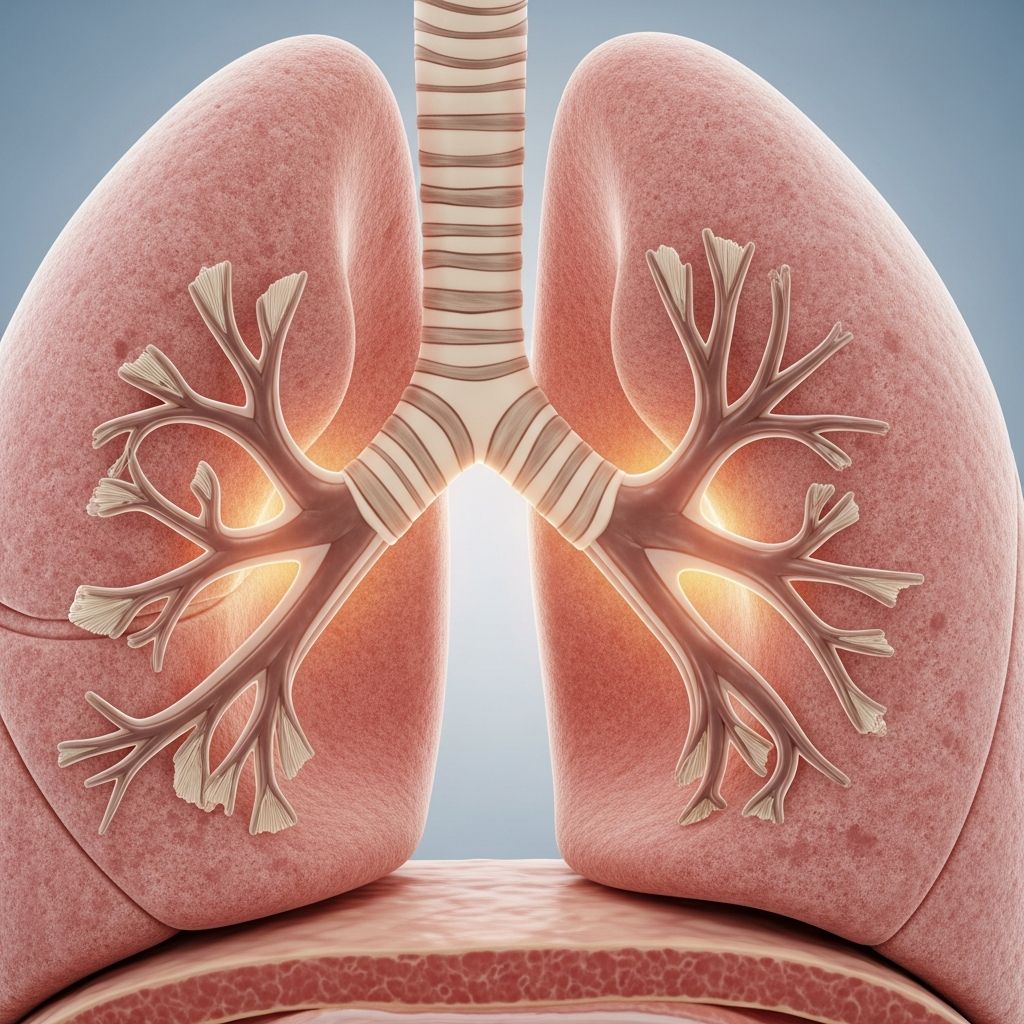
Your body needs oxygen every minute of every day, and your bronchial tubes are a big part of how you get it. These branching airways act like tiny highways inside your chest, carrying air to and from the millions of air sacs in your lungs where gas exchange happens.
This guide is written in kid-friendly language but includes plenty of detail, so it can help curious kids, teens, and even adults understand how bronchial tubes work and how to keep them healthy.
Meet Your Breathing Team
Before focusing on bronchial tubes, it helps to know the main parts of your respiratory system and how they work together.
- Nose and mouth: Where air first enters your body.
- Throat (pharynx): Shared space for air and food.
- Voice box (larynx): Helps you speak and keeps food out of your airway.
- Windpipe (trachea): Main tube that carries air toward the lungs.
- Bronchi and bronchial tubes: Branching tubes that send air deep into each lung.
- Bronchioles: Very tiny airways at the ends of the bronchial branches.
- Alveoli: Microscopic air sacs where oxygen moves into the blood and carbon dioxide moves out.
- Diaphragm and chest muscles: Muscles that help pull air in and push it out.
Together, these parts make sure your body gets oxygen and removes carbon dioxide, a waste gas made by your cells.
What Exactly Are Bronchial Tubes?
Bronchial tubes are the passages that carry air from your windpipe into your lungs. Doctors sometimes just call them bronchi (one is a bronchus). After leaving the trachea, the airway splits into two main bronchial tubes:
- Right main bronchus: Leads into the right lung.
- Left main bronchus: Leads into the left lung.
Once inside the lungs, these main bronchial tubes keep branching into smaller and smaller tubes, like the branches of a tree, until they become very fine bronchioles.
How Bronchial Tubes Are Built
The walls of the bronchial tubes are specially made so they can stay open, move air smoothly, and protect your lungs.
| Layer or Part | What It Does |
|---|---|
| Cartilage | Stiff support pieces (like rings or plates) that help keep the larger bronchi open so they don’t collapse when you breathe out. |
| Smooth muscle | Thin muscles around the tubes that can tighten or relax to change how wide the airway is. |
| Mucous membrane | Inner lining that makes sticky mucus to trap dust, germs, and other particles. |
| Cilia | Tiny hairlike structures that move mucus and trapped particles up and out of the lungs. |
As the bronchial tubes get smaller and turn into bronchioles, they have less cartilage and relatively more smooth muscle. This makes the small airways more flexible but also easier to squeeze narrow if the muscles tighten or the lining gets swollen.
From Breath In to Breath Out: The Journey of Air
Every breath you take follows a path through your bronchial tubes.
- Air enters through your nose or mouth.
- It passes down your throat and through your voice box.
- It moves into your trachea (windpipe).
- The trachea splits into the right and left main bronchi.
- Each bronchus branches into smaller bronchi, then into bronchioles.
- Air finally reaches millions of alveoli, the tiny air sacs at the very ends of the airways.
At the alveoli, oxygen passes into tiny blood vessels called capillaries, and carbon dioxide passes from the blood into the alveoli so you can breathe it out. Your bronchial tubes are the essential road system that gets air to those exchange zones quickly and efficiently.
Why Bronchial Tubes Matter So Much
Healthy bronchial tubes make breathing feel easy, even when you are running or playing sports. They:
- Deliver oxygen deep into the lungs so your blood can carry it to your brain, heart, and muscles.
- Carry away carbon dioxide so your body doesn’t build up too much of this waste gas.
- Filter the air by trapping dust and germs in mucus and sweeping them out with cilia.
- Adjust airflow by tightening or relaxing the smooth muscle around the tubes.
If the bronchial tubes are irritated, clogged with mucus, or too narrow, you may feel short of breath, cough a lot, or hear a whistling sound called wheezing when you breathe out.
Bronchial Tubes in Children vs. Adults
Kids are not just small adults. Children’s airways have some special features that can make breathing problems feel worse when the bronchial tubes are irritated.
- Smaller airway size: Children’s bronchial tubes are narrower than those of adults, so swelling or mucus can block a larger part of the opening.
- Softer airway walls: The airways in young kids are more flexible and less rigid, which can make them more likely to narrow during illness.
- Higher breathing rates: Kids breathe more times per minute, which means they may feel breathing changes more quickly.
- Developing muscles: Chest and breathing muscles are still developing in young children, so hard breathing can tire them out faster.
Because of these differences, infections or allergic reactions that affect the bronchial tubes can make children feel sicker more quickly, and they may need medical help sooner than an adult would.
Common Problems That Affect Bronchial Tubes
Several conditions can involve the bronchial tubes and make breathing harder. Only a healthcare professional can diagnose these, but it helps to know the basic ideas.
- Asthma: A long-term condition where the bronchial tubes become extra sensitive. The muscles around them can tighten, the lining can swell, and mucus can increase, making the airways narrow. Symptoms often include wheezing, coughing, tightness in the chest, and shortness of breath.
- Bronchitis: Irritation and swelling of the bronchial tube lining, often from a viral infection. It can lead to lots of coughing and mucus.
- Allergic reactions: Things like pollen, dust mites, or pet dander can trigger swelling of the airways in sensitive people, making it harder for air to pass through.
- Infections of the lower airways: Some lung infections can spread to the bronchi and bronchioles, causing mucus buildup and breathing trouble.
If someone has serious trouble breathing, is breathing very fast, has blue lips or fingernails, or cannot speak in full sentences, it is an emergency and they need immediate medical care.
How Doctors Check on Bronchial Tubes
Healthcare providers have many ways to see how well your bronchial tubes and lungs are working. They choose tests based on your age, symptoms, and health history.
- Listening with a stethoscope: Doctors listen for wheezing, crackling, or reduced air movement.
- Spirometry or lung function tests: You blow into a machine that measures how much air you can move and how fast, which helps show if the airways are narrowed.
- Chest X-ray or other imaging: Pictures of the chest help reveal infections, extra mucus, or structural problems in the lungs and bronchi.
- Pulse oximetry: A small clip on a finger or toe measures how much oxygen is in the blood.
These tests help doctors decide if your bronchial tubes are inflamed, narrowed, or working normally.
Keeping Your Bronchial Tubes Healthy
The good news is that many habits that protect your overall health also keep your bronchial tubes and lungs strong.
- Avoid smoke: Stay away from cigarettes, vaping products, and smoky places. Secondhand smoke can irritate and damage kids’ airways and lungs.
- Stay active: Regular play and exercise help your lungs grow stronger and make your breathing muscles more powerful.
- Wash your hands often: Clean hands help prevent respiratory infections that can affect the bronchial tubes.
- Follow asthma or allergy plans: If you have asthma or allergies, use medicines exactly as prescribed and talk with your healthcare team about triggers.
- Get recommended vaccines: Shots such as the flu vaccine and others recommended for children can reduce infections that can harm the airways.
- Tell an adult if breathing feels hard: Do not ignore shortness of breath, chest tightness, or wheezing.
Fun Way to Picture Your Bronchial Tubes
It can help to imagine your lungs as an upside-down tree:
- The trachea is like the tree trunk.
- The main bronchi are the big branches that split off toward each lung.
- The smaller bronchi and bronchioles are medium and tiny branches that spread all through the lungs.
- The alveoli are like clusters of tiny leaves at the tips of the smallest branches.
Every time you breathe in, air travels down the “trunk,” through the “branches,” and into the “leaves,” where oxygen enters the blood. When you breathe out, carbon dioxide travels back up the same path and leaves your body.
Frequently Asked Questions (FAQs)
Q: Are bronchial tubes and bronchi the same thing?
A: Yes. The term bronchial tubes usually refers to the same structures doctors call bronchi. The main bronchi branch from the trachea and then keep dividing into smaller bronchi and bronchioles inside the lungs.
Q: How are bronchial tubes different from bronchioles?
A: Bronchial tubes (bronchi) are the larger airways that still have cartilage support, while bronchioles are much smaller branches with little or no cartilage and more smooth muscle. Bronchioles end in the tiny air sacs called alveoli where gas exchange happens.
Q: Why do my bronchial tubes feel tight when I run?
A: Some people have airways that tighten during or after exercise, especially if they have asthma or exercise-induced bronchoconstriction. The smooth muscles around the bronchial tubes can squeeze, narrowing the airways and making breathing feel hard. A doctor can check your lungs and may suggest an inhaler or other treatment if needed.
Q: Can bronchial tubes heal after they are irritated?
A: In many cases, yes. If the irritation is from a short-term infection or exposure (like a cold or brief smoke exposure), the lining of the bronchial tubes can recover once the cause is gone and the body heals. Long-term irritation, such as repeated smoke exposure, can cause more lasting damage, which is why avoiding lung irritants is so important.
Q: When should I see a doctor about my breathing?
A: You should get medical help if you have trouble catching your breath, wheeze often, have chest pain when breathing, cough for more than a few weeks, or if breathing problems wake you up at night. Sudden or severe breathing trouble is an emergency and needs immediate care.
References
- Anatomy of the Respiratory System in Children — Children’s Hospital of Philadelphia. 2020-06-01. https://www.chop.edu/conditions-diseases/anatomy-respiratory-system-children
- Anatomy of a Child’s Lung — Pediatric Lung Center. 2021-03-15. https://www.pedilung.com/pediatric-lung-diseases-disorders/anatomy-of-a-childs-lung/
- Anatomy of the Respiratory System in Children — Nationwide Children’s Hospital. 2022-04-10. https://www.nationwidechildrens.org/conditions/health-library/anatomy-of-the-respiratory-system-in-children
- Bronchi: What Are They, Function, Anatomy & Conditions — Cleveland Clinic. 2023-05-09. https://my.clevelandclinic.org/health/body/21607-bronchi
- Bronchi: What Are They, Function, Anatomy, and More — Healthline. 2021-10-18. https://www.healthline.com/health/bronchi