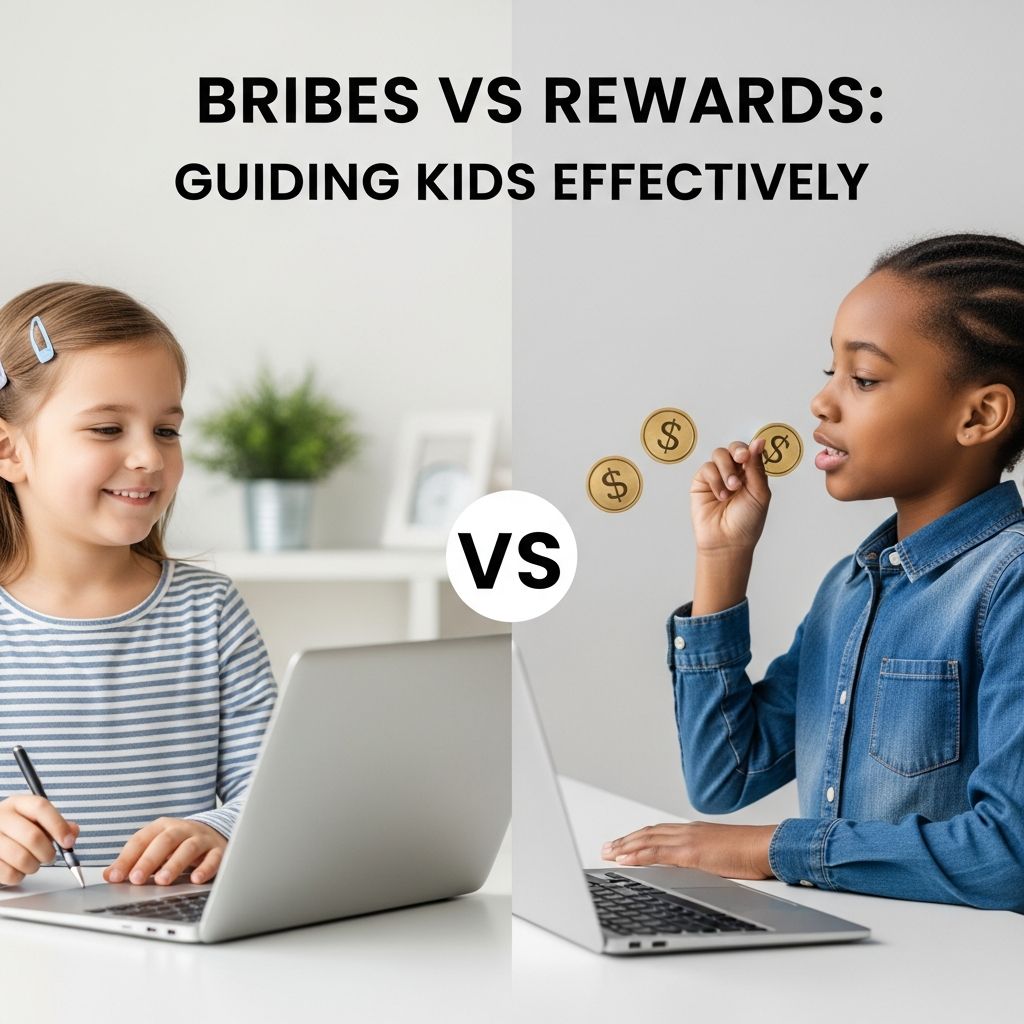
Parents often face challenging moments when children resist tasks or exhibit unwanted behaviors. In these situations, offering incentives seems like a quick solution. However, not all incentives are equal. The distinction between a bribe and a reward lies primarily in timing, intention, and long-term impact on a child’s development. Bribes occur reactively during misbehavior, potentially reinforcing negativity, while rewards are proactive tools planned to celebrate positive actions. Mastering this difference empowers parents to build sustainable good habits.
Defining Bribes in Parenting Contexts
A bribe is typically a spontaneous promise made in the heat of the moment to halt undesirable conduct. Imagine a child screaming in a store; a parent might say, “Stop crying, and I’ll buy you that toy.” This reactive approach aims to restore immediate peace but carries risks. Children quickly learn that escalation leads to gains, creating a pattern where tantrums become negotiation tools. Over time, this erodes parental authority and teaches manipulation rather than self-control.
Experts emphasize that bribes shift power dynamics, placing the child in control. The child realizes negative outbursts yield results, perpetuating cycles of poor behavior. This contrasts sharply with structured parenting methods, as it undermines efforts to instill intrinsic motivation.
Understanding Rewards as Positive Tools
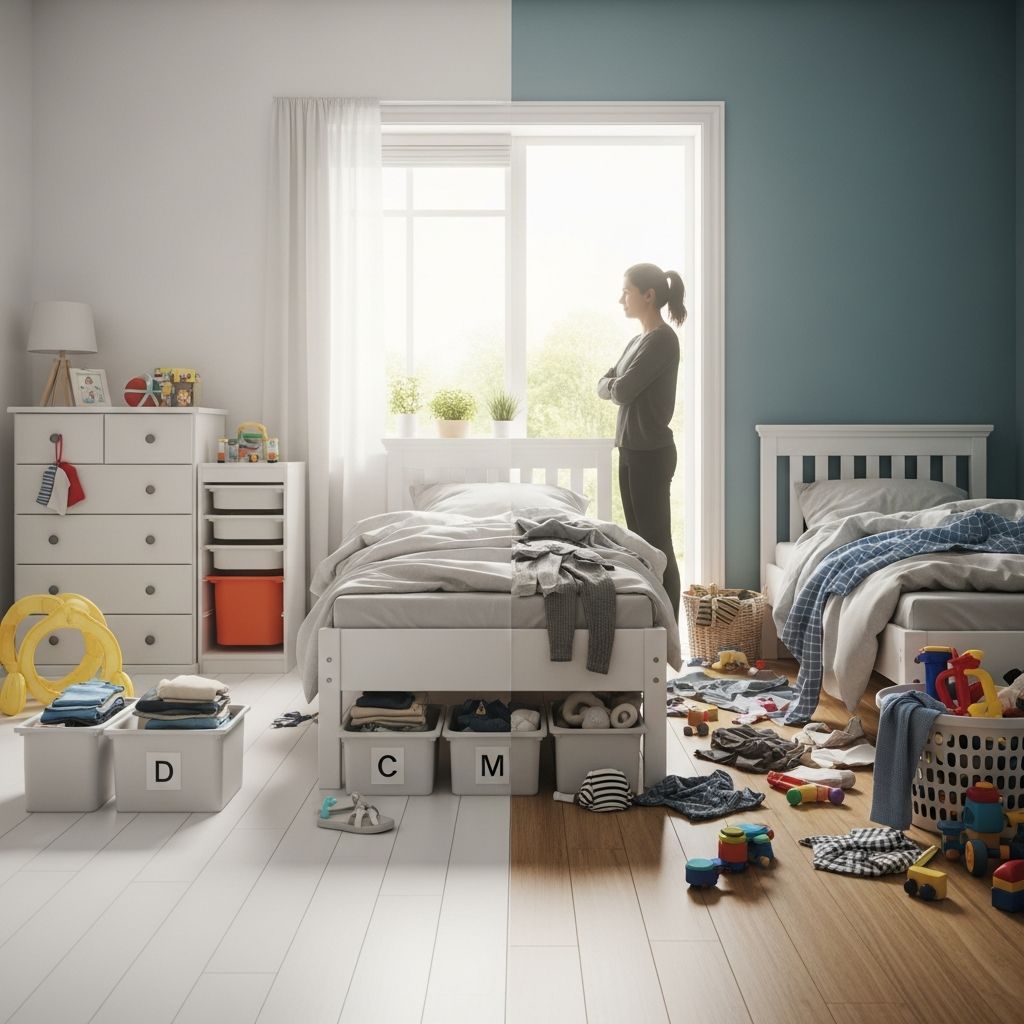
Rewards, conversely, are predetermined incentives linked to specific positive outcomes. They are discussed upfront or given post-success, reinforcing the connection between effort and benefit. For instance, telling a child beforehand, “Clean your room neatly, and we’ll enjoy ice cream together after,” sets clear expectations. The child acts first, then receives acknowledgment, learning that responsibility brings joy.
This method aligns with behavioral psychology principles, promoting repetition of desirable actions. Rewards build confidence and a sense of achievement, gradually transitioning children toward self-rewarding behaviors without constant external prompts.
Core Differences: Timing, Intent, and Outcomes
The table below summarizes the fundamental contrasts:
| Aspect | Bribe | Reward |
|---|---|---|
| Timing | During or before negative behavior | Beforehand or after positive behavior |
| Intent | Stop immediate problem reactively | Encourage and reinforce good actions proactively |
| Child’s Learning | Manipulation works for gains | Effort leads to positive results |
| Long-term Effect | Increases misbehavior frequency | Builds habits and self-discipline |
Timing is pivotal: bribes precede compliance, rewards follow it. Intent differentiates desperation from strategy, and outcomes determine behavioral evolution. Parents using rewards report stronger family dynamics and fewer conflicts.
Psychological Foundations of Effective Reinforcement
Positive reinforcement, the backbone of rewards, draws from established theories like operant conditioning. When children associate actions with pleasant consequences consistently, neural pathways strengthen, making repetition natural. Bribes disrupt this by pairing negativity with positivity, confusing these pathways.
Research supports rewards for skill-building, especially in areas like homework completion or chore adherence. They enhance motivation without dependency when phased appropriately. Primary sources from pediatric guidelines affirm that structured incentives outperform reactive ones in fostering independence.
Practical Strategies for Implementing Rewards
- Set Clear Expectations: Define tasks and incentives explicitly. Use visual charts for young children to track progress.
- Match Reward to Effort: Small tasks warrant stickers or extra playtime; larger ones justify outings or privileges.
- Involve the Child: Let them select from approved options, boosting buy-in and autonomy.
- Be Consistent: Follow through every time to build trust in the system.
- Fade Gradually: Reduce frequency as habits form, emphasizing internal satisfaction.
Start with age-appropriate ideas: Toddlers thrive on hugs and songs, school-age kids on screen time extensions, teens on freedoms like later bedtimes. Track via a simple table:
| Age Group | Example Tasks | Suitable Rewards |
|---|---|---|
| 2-5 years | Putting toys away | Sticker chart, story time |
| 6-10 years | Homework, chores | Extra game time, treat outing |
| 11+ years | Responsibilities, goals | Allowance boost, event tickets |
Common Pitfalls and How to Avoid Them
Even well-intentioned rewards can falter. Over-rewarding mundane tasks diminishes intrinsic drive; reserve for challenges. Inconsistency breeds doubt—children disengage if payouts vary. Unrealistic goals frustrate; tailor to developmental stages.
Avoid grand prizes for minor efforts, as escalation demands bigger incentives. Instead, layer small wins. Monitor for entitlement signs, adjusting to praise-heavy systems emphasizing effort over outcomes.
Real-Life Examples: Bribes Gone Wrong vs Rewards Done Right
Scenario 1 (Bribe): During dinner meltdown, “Eat your veggies or no dessert.” Child learns demands dictate treats. Scenario 2 (Reward): Morning chart promises park visit for full breakfast routines. Child complies eagerly, associating routine with fun.
Another: Grocery store calm earns post-shop snack versus mid-tantrum candy promise. The former teaches composure pays off.
Age-Specific Applications for Lasting Impact
Toddlers need immediate, tangible feedback like high-fives. Schoolers benefit from token economies exchangeable for privileges. Adolescents respond to autonomy rewards, like choosing family activities. Adapt to individual motivators—some crave attention, others objects.
Transition by discussing accomplishments: “How did completing that make you feel?” This internalizes value, reducing reward reliance.
Frequently Asked Questions (FAQs)
Q: Can rewards spoil my child?
A: No, when used strategically for effortful tasks. They teach action-consequence links, promoting responsibility, unlike overindulgence.
Q: What’s the best first reward system?
A: A visual chart with stickers redeemable for small treats, clear and engaging for most ages.
Q: How do I stop bribing habits?
A: Pause, breathe, and redirect to pre-planned positives. Consistency rewires patterns over weeks.
Q: Are non-tangible rewards effective?
A: Yes, praise and quality time often outperform items, building emotional bonds.
Q: When to phase out rewards?
A: Once behavior sustains independently, shift to verbal recognition and self-reflection prompts.
Building Intrinsic Motivation Beyond Incentives
Ultimate parenting aims for self-motivation. Pair rewards with growth mindset language: “You worked hard—that’s awesome!” Model desired behaviors yourself. Celebrate progress publicly to amplify effects.
Combine with routines, empathy, and boundaries. Over time, children internalize values, thriving without prompts. This holistic approach yields resilient, disciplined individuals.
References
- Positive Reinforcement Vs. Bribing: A Guide For Parents — Autism Learning Partners. 2023-05-15. https://autismlearningpartners.com/positive-reinforcement-vs-bribing/
- The Difference Between Bribing and Rewarding Your Child — Expressable. 2024-02-10. https://www.expressable.com/learning-center/social-emotional-academic/the-difference-between-bribing-and-rewarding-your-child
- Child Bribes vs. Rewards — Utah Valley Pediatrics. 2023-11-20. https://www.uvpediatrics.com/topics/bribes-vs-rewards/
- Understanding the Difference Between Bribery and Rewards in Parenting — Dr. Amber Ufford. 2024-01-08. https://www.dramberufford.com/post/understanding-the-difference-between-bribery-and-rewards-in-parenting
- MOTIVATING CHILDREN WITHOUT BRIBERY — Napier Family Centre. 2021-08-01. https://www.napierfamilycentre.org.nz/wp-content/uploads/2021/08/Resource-Sheet_Motivating-children-without-bribery_FINAL_web.pdf