Breastfeeding provides unmatched nutritional and immunological advantages for infants, even when mothers contract COVID-19. Leading health authorities, including the World Health Organization (WHO) and Centers for Disease Control and Prevention (CDC), strongly recommend continuing lactation with simple protective steps to minimize respiratory transmission risks.
Why Breastfeeding Matters During Respiratory Infections
Human breast milk contains antibodies, bioactive factors, and nutrients that bolster an infant’s immune system against various pathogens, including respiratory viruses. Studies indicate that separating mothers from babies or halting breastfeeding poses greater health risks than potential COVID-19 exposure under controlled conditions. Breast milk from infected mothers may even offer specific antibodies that neutralize the virus, potentially shielding newborns.
Prioritizing direct breastfeeding or expressed milk supports optimal growth, reduces infection susceptibility in ears, lungs, and gut, and fosters emotional bonding through skin-to-skin contact. These benefits persist regardless of maternal infection status, making continuation a cornerstone of infant care guidelines.
Essential Safety Protocols for Infected Mothers
Mothers diagnosed with or suspecting COVID-19 can breastfeed safely by implementing hygiene and distancing measures focused on respiratory droplet prevention, as the virus does not transmit via milk.
- Hand Hygiene: Scrub hands thoroughly with soap and water for at least 20 seconds before touching the baby, pump, or bottles. Use alcohol-based sanitizer (≥60% alcohol) if soap is unavailable.
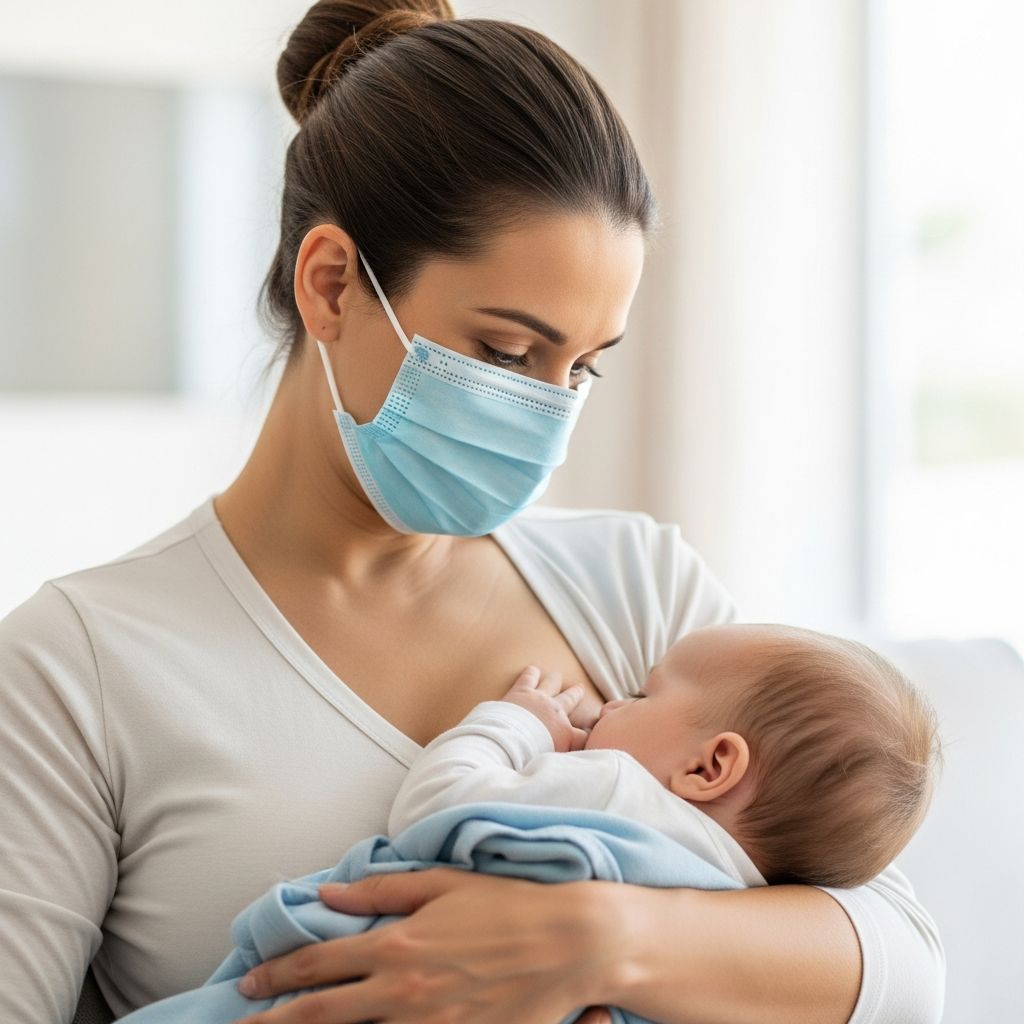
- Mask Usage: Wear a well-fitting mask or face covering during feeding or close contact to block droplets. Avoid masks on infants under 2 years due to suffocation hazards; for older babies, remove if they tug at it to prevent contamination.
- Cough/Sneeze Control: Turn away from the baby, cover mouth/nose with tissue or elbow, and dispose of tissues immediately.
- Environmental Measures: Enhance room ventilation by opening windows, using fans, or air filters to dilute airborne particles.
These steps effectively reduce transmission risk while preserving breastfeeding’s protective effects.
Pumping and Milk Expression Guidelines
If direct breastfeeding feels challenging due to illness, pumping maintains milk supply and provides nutrient-rich milk via a caregiver. Follow rigorous cleaning to ensure safety.
| Step | Action |
|---|---|
| Before Pumping | Wash hands; clean pump parts per manufacturer instructions. |
| During Pumping | Wear mask; avoid coughing on equipment. |
| After Pumping | Wash pump/bottle parts in hot soapy water, rinse, air-dry on clean surface; sterilize as needed for formula-fed sessions. |
| Storage | Wash container exteriors before refrigerating/freezing; label with date. |
A healthy household member can bottle-feed expressed milk, minimizing infant exposure. If formula is temporarily used, adhere to strict sterilization protocols.
Vaccination and Breastfeeding: Fully Compatible
COVID-19 vaccines are safe and encouraged for breastfeeding individuals, as they contain no live virus and do not harm infants or impact milk production. Antibodies from vaccinated mothers transfer via milk, conferring passive immunity to babies.[10]
- Pregnant and lactating women qualify for vaccination without interruption; mRNA vaccines like Pfizer and Moderna are routinely recommended.
- No evidence links vaccines to adverse breastfeeding effects; benefits outweigh theoretical risks.
Authorities like the UK’s JCVI and MHRA affirm vaccination eligibility based on age and health status.
Newborn Care in Hospitals and at Home
For births during maternal COVID-19, rooming-in with precautions is preferred over separation. Skin-to-skin contact and kangaroo care promote breastfeeding initiation without heightened transmission risk.
At home, isolate from other household members when possible, limiting contact to feeding times. If severely ill, pumped milk fed by others sustains nutrition.
Potential Milk Supply Challenges and Solutions
Fever, fatigue, or medications might temporarily affect supply, but frequent pumping or nursing stimulates production. Hydrate well, rest when possible, and consult lactation specialists. Galactagogues like oats or fenugreek may help under guidance.
Comparing Global Health Recommendations
| Organization | Key Stance on Breastfeeding with COVID-19 | Mask Recommendation |
|---|---|---|
| WHO | Encourage continuation; benefits outweigh risks. | Yes, during feeding. |
| CDC | Continue with hygiene precautions. | Consider during close contact. |
| ACOG | Safe; virus not in milk. | Yes, when holding baby. |
| Mayo Clinic | No need to stop if well enough. | Yes, in close contact. |
Consensus across bodies prioritizes breastfeeding with universal precautions.
Frequently Asked Questions
Can COVID-19 pass through breast milk?
No, evidence shows the virus is absent from milk; transmission occurs via respiratory routes only.
Should I stop breastfeeding if I test positive?
No, continue with handwashing, masking, and hygiene to protect your baby while gaining milk’s benefits.
Is it safe to get the COVID vaccine while nursing?
Yes, vaccines are safe, do not contain live virus, and may protect your infant via milk antibodies.[10]
What if I’m too sick to nurse directly?
Pump milk and have a healthy caregiver feed it; clean equipment meticulously.
Can newborns wear masks during feeding?
No, masks pose suffocation risks for infants; use only on the mother.
Long-Term Insights Post-Pandemic
As of 2026, ongoing research reinforces breastfeeding’s role in resilience against evolving variants. Antibodies in milk adapt to maternal immunity, providing dynamic protection. Parents should stay updated via official channels and consult providers for personalized advice.[10]
Empowering mothers with knowledge reduces anxiety, ensuring informed decisions that prioritize infant health. Breastfeeding remains a vital, safe practice amid respiratory threats.
References
- Coronavirus and Breastfeeding Factsheet — Breastfeeding Network. 2022-04-26. https://www.breastfeedingnetwork.org.uk/factsheet/coronavirus/
- COVID-19 and Breastfeeding — Centers for Disease Control and Prevention (CDC). Accessed 2026. https://www.cdc.gov/breastfeeding-special-circumstances/hcp/illnesses-conditions/covid-19.html
- Breastfeeding During COVID FAQs — UVA Health. Accessed 2026. https://www.uvahealth.com/support/covid19/breastfeeding-coronavirus
- Pregnancy, Breastfeeding, Coronavirus and the COVID-19 Vaccine — Brown Health. 2025-06. https://www.brownhealth.org/be-well/pregnancy-breastfeeding-coronavirus-and-covid-19-vaccine-updated-june-2025
- COVID-19, Pregnancy, Childbirth, and Breastfeeding — American College of Obstetricians and Gynecologists (ACOG). Accessed 2026. https://www.acog.org/womens-health/faqs/coronavirus-covid-19-pregnancy-and-breastfeeding
- COVID-19 and Breastfeeding — La Leche League USA. Accessed 2026. https://lllusa.org/coronavirus-and-breastfeeding/
- COVID-19 Infection & Breastfeeding — University of Rochester Medical Center. Accessed 2026. https://www.urmc.rochester.edu/childrens-hospital/breastfeeding-lactation-medicine/coronavirus-important-information