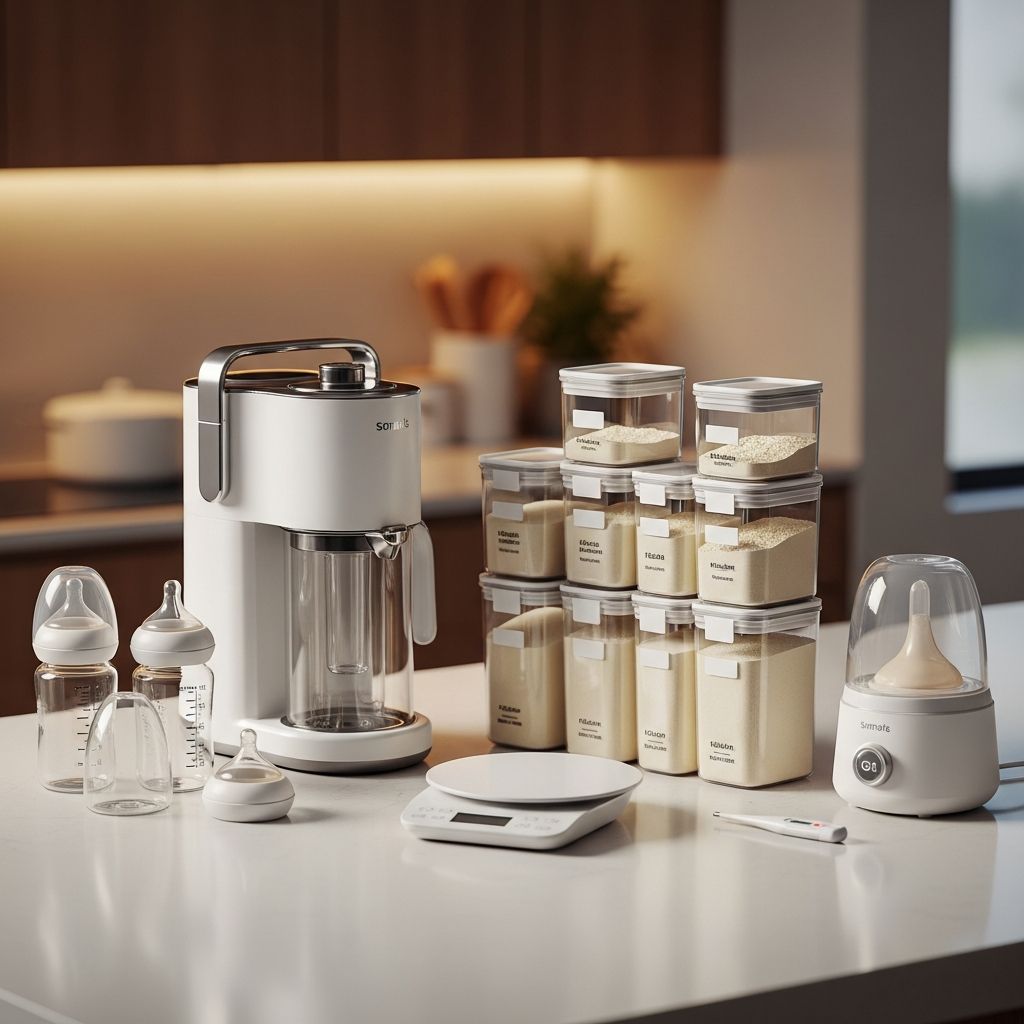
Choosing how to feed your newborn is one of the first major decisions new parents face. Both breastfeeding directly from the breast and bottle-feeding—whether with expressed breast milk or infant formula—offer ways to nourish your baby effectively. This guide draws on established health recommendations to outline the nutritional, health, and lifestyle aspects of each method, empowering you to select what best fits your circumstances.
Nutritional Foundations of Infant Feeding
Human breast milk is uniquely tailored to meet a newborn’s needs, providing a dynamic mix of proteins, fats, carbohydrates, vitamins, and minerals that evolve with the baby’s growth stages. It contains bioactive components like enzymes and hormones that enhance nutrient absorption. In contrast, commercial formulas aim to replicate this composition but cannot fully match its complexity or adaptability.
- Proteins in breast milk: Primarily whey, which is lighter and easier on tiny digestive systems.
- Fats in breast milk: Include essential fatty acids crucial for brain development.
- Formula nutrients: Standardized but may require precise mixing to avoid imbalances.
Health authorities like the American Academy of Pediatrics (AAP) endorse exclusive breastfeeding for the first six months, followed by continued nursing alongside complementary foods up to at least one year.
Health Advantages for Babies
Breastfed infants often experience fewer health challenges due to the protective elements in breast milk. Antibodies transferred during nursing bolster the baby’s immune defenses, reducing risks of respiratory infections, ear infections, and gastrointestinal issues.
| Health Benefit | Breastfeeding Impact | Formula Feeding Comparison |
|---|---|---|
| Immune Protection | Antibodies lower infection rates and hospitalizations | No natural antibodies; higher infection risk |
| Digestion | Fewer cases of diarrhea, constipation; easier absorption | Potential for digestive discomfort in some babies |
| Weight Regulation | Promotes self-regulated intake, lower obesity risk | Higher rapid weight gain potential |
| Brain Development | Linked to slightly higher IQ scores in studies | Supports growth but lacks certain bioactive factors |
Research indicates breastfed babies have stronger gut microbiomes, aiding long-term metabolic health. Bottle-fed infants, particularly with formula, may face elevated risks for rapid weight gain, influenced by feeding dynamics rather than milk type alone.
Maternal Health and Postpartum Recovery
Breastfeeding supports maternal recovery by releasing oxytocin, which contracts the uterus and reduces postpartum bleeding. It aids in weight loss as the body burns extra calories to produce milk and is linked to lower risks of breast and ovarian cancers, type 2 diabetes, and hypertension later in life.
- Exclusive breastfeeding can delay ovulation, providing natural contraception for up to six months.
- Formula-feeding mothers miss these hormonal benefits but gain flexibility in returning to work or daily routines.
Both methods foster bonding, though skin-to-skin contact during breastfeeding amplifies oxytocin-driven emotional connections.
Practical Considerations in Daily Life
Convenience varies by method. Breast milk is always ready at the ideal temperature, eliminating preparation time or equipment needs—ideal for nighttime feeds or travel. Bottle-feeding requires mixing formula or storing pumped milk, plus sterilizing supplies, but allows others to participate in feedings.
| Aspect | Breastfeeding | Bottle-Feeding (Formula) |
|---|---|---|
| Preparation | None required | Mixing, warming, cleaning |
| Portability | Always available | Needs supplies |
| Sharing Feeds | Limited to mother (unless pumped) | Anyone can feed |
| Cost | Free | Ongoing formula expenses |
| Tracking Intake | Estimated | Precise measurement |
Pumping breast milk bridges these worlds, offering formula-like flexibility while retaining breast milk’s benefits. However, it demands time and equipment investment.
Addressing Common Challenges
Breastfeeding may involve initial discomfort, latching issues, or supply concerns, often resolvable with lactation support. Formula intolerance can cause gas or allergies, necessitating brand switches. Both require patience; professional guidance from pediatricians or consultants is key.
- Sore nipples: Improve with proper latch techniques.
- Low supply: Boosted by frequent nursing or pumping.
- Formula refusal: Try different nipples or temperatures.
Vitamin D supplementation is advised for exclusively breastfed babies starting at two months, as breast milk is low in this nutrient.
Hybrid Approaches: Combining Methods
Many families blend breastfeeding with bottle feeds using pumped milk or formula supplementation. This combo supports maternal rest and family involvement while maximizing breast milk’s advantages. Studies show direct breastfeeding promotes better satiety cues than bottle-feeding pumped milk, aiding healthy intake regulation.
Paced bottle-feeding mimics breastfeeding by holding the bottle horizontally, encouraging active sucking and pauses, which helps prevent overfeeding.
Long-Term Developmental Impacts
Beyond infancy, breastfeeding correlates with cognitive benefits and reduced chronic disease risks. Breastfed children show enhanced neural connections, possibly from fatty acids like DHA. Bottle-fed babies thrive with proper care, but self-regulation of eating may develop differently due to feeding method differences.
Parental mental health matters too—stress can affect milk supply, so flexible feeding plans reduce burnout.
Essential Feeding Tips for Success
- Feed on demand, watching for hunger cues like rooting or hand-sucking.
- Maintain upright positions to minimize spit-up.
- Burp frequently during and after feeds.
- Store pumped milk properly: refrigerate up to 4 days or freeze for months.
- Consult healthcare providers for growth monitoring and adjustments.
Frequently Asked Questions (FAQs)
What is the recommended duration for exclusive breastfeeding?
The AAP suggests exclusive breastfeeding for the first 6 months, continuing with solids up to 12 months or longer as mutually desired.
Can bottle-feeding affect my baby’s weight?
Yes, bottle-fed infants risk faster weight gain; paced techniques help promote self-regulation.
Is formula safe and nutritious?
Modern formulas are rigorously tested and meet FDA standards, supporting healthy growth when prepared correctly.
How do I transition between breast and bottle?
Introduce bottles gradually after breastfeeding is established, using paced methods for smooth adaptation.
Does breastfeeding hurt?
Initial tenderness is common but should ease; seek help for persistent pain to ensure good latch.
Empowering Your Feeding Journey
Ultimately, a well-fed baby is the goal. Fed is best—whether breast, bottle, or both. Consult your pediatrician to tailor choices to your baby’s needs and your lifestyle. With support, every method nurtures thriving infants and confident parents.
References
- Breastfeeding vs. Formula Feeding — Nemours KidsHealth. 2023. https://kidshealth.org/en/parents/breast-bottle-feeding.html
- Breastfeeding vs Bottle Feeding Formula — American Pregnancy Association. 2023. https://americanpregnancy.org/healthy-pregnancy/breastfeeding/breastfeeding-vs-bottle-feeding-formula/
- Mother–infant interactions and infant intake during breastfeeding vs bottle‐feeding expressed human milk — PMC (Wiley). 2021-08-23. https://pmc.ncbi.nlm.nih.gov/articles/PMC8476436/
- Choosing Between Breast or Bottle-Feeding — Americord Registry. 2023. https://www.americordblood.com/articles/breastmilk-and-feeding
- Breastfeeding vs. Baby Formula: A Guide for Parents — Birth Injury Center. 2023. https://birthinjurycenter.org/breastfeeding-vs-baby-formula-guide-for-parents/
- Breastfeeding vs. formula feeding — MedlinePlus (NIH). 2023. https://medlineplus.gov/ency/patientinstructions/000803.htm