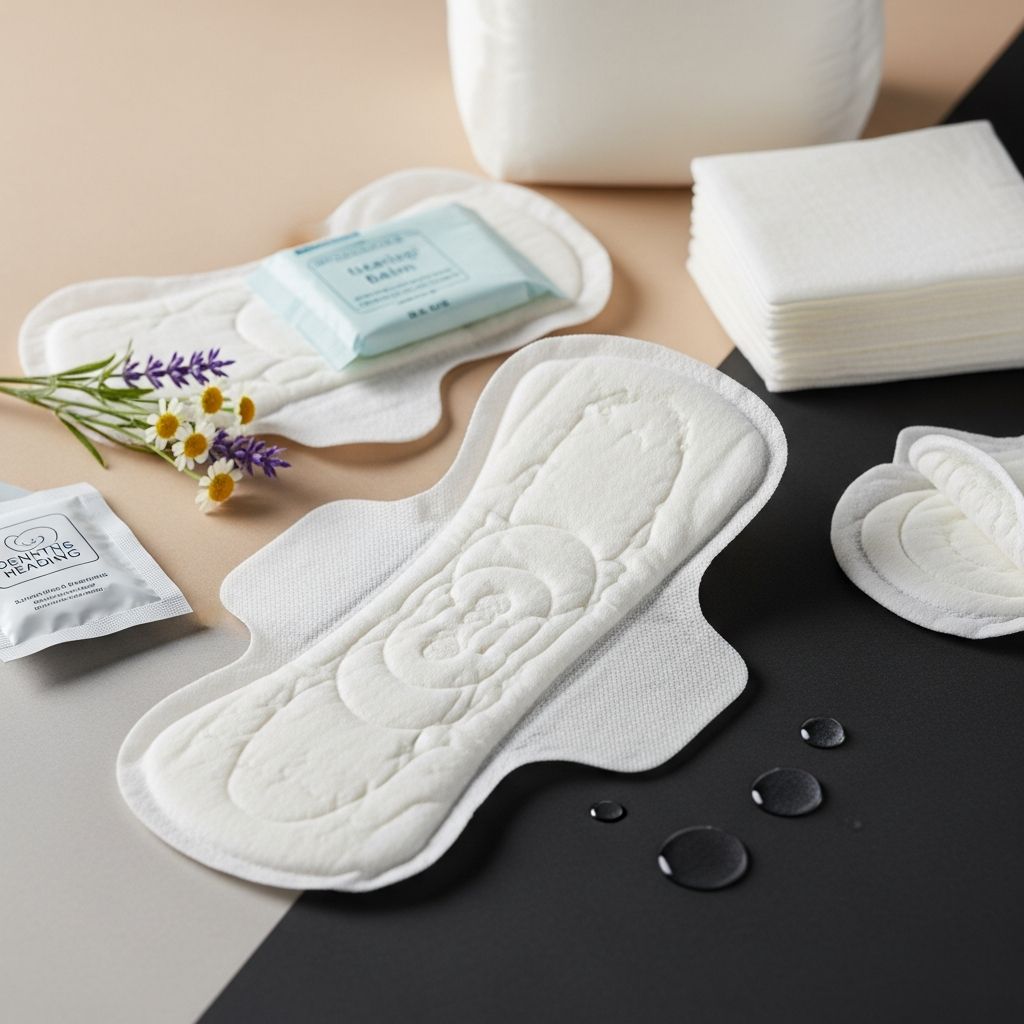
Breastfeeding is often described as natural, but that does not mean it always feels easy or comfortable at first. Many new parents experience pain or discomfort while nursing, especially in the early weeks, and wonder if something is wrong or if they are doing it “badly.” This guide explains the most common causes of breastfeeding pain and offers gentle, practical strategies to help make feeding more comfortable while protecting both your baby’s nutrition and your milk supply.
Why Breastfeeding Can Hurt in the Beginning
Some brief tenderness in the first few days or weeks is common as your body adjusts to frequent feeding and your nipples adapt to a new, intense kind of stimulation. However, sharp pain, burning, or pain that continues throughout most of a feeding is not something you simply have to “push through.” Persistent pain is usually a sign that something needs adjusting, such as your baby’s latch, feeding position, or how often you are emptying your breasts.
Understanding the difference between normal early sensitivity and pain that signals a problem helps you know when to try simple home strategies and when to reach out for more specialized support, such as a lactation consultant, midwife, or doctor.
Common Sources of Breastfeeding Pain
Breastfeeding discomfort can have many causes, and more than one issue can happen at the same time. Recognizing patterns in your symptoms can narrow down the likely source and guide you toward the most helpful solutions.
Below is an overview of frequent culprits behind breastfeeding pain, written for parents rather than professionals, so you can quickly identify what sounds most like your situation.
Sore or Cracked Nipples
One of the most common complaints in the early days is soreness right on the nipple. Nipples may look red, shiny, or even develop small cracks or scabs. Pain may be worst when your baby first latches, then ease a little as the feeding goes on, or it may continue throughout the feed if the latch remains shallow.
- Pain that feels like pinching or biting is often related to a shallow latch.
- Cracks or bleeding usually mean the skin is being rubbed or compressed the same way over and over.
- Burning or stinging pain, especially between feeds, may suggest irritation or, in some cases, an infection like thrush.
Breast Fullness and Engorgement
When your milk volume increases in the first week or when your baby suddenly sleeps longer, your breasts can feel very firm, heavy, and tender. This intense fullness is called engorgement and can make it harder for your baby to latch comfortably because the breast tissue feels tight and stretched.
Engorgement can be localized (one area feels like a hard lump) or affect the whole breast. If the breast remains very full for long stretches, it can sometimes contribute to clogged ducts or inflammation.
Plugged Ducts and Localized Tender Spots
A plugged (or clogged) duct usually feels like a sore, firm area in one part of the breast. The skin over it may look slightly red and feel warmer than the surrounding tissue. Pain often worsens right before feeding, then improves somewhat after your baby nurses and milk flows.
These plugs can develop when milk does not drain well from a specific duct, sometimes due to tight clothing, skipped feeds, or a baby favoring one side or position.
Let-Down Reflex Discomfort
Some parents feel a brief, tingling or achy sensation when milk first starts to flow—this is called the let-down reflex. For many, it is mild or barely noticeable, but for others, especially early on, it can feel uncomfortable or crampy in the breasts or even trigger a wave of emotion.
Let-down pain typically lasts a short time, often less than a minute, and lessens as breastfeeding becomes more established.
Infections and Inflammation
Sometimes pain is caused or worsened by inflammation or infection, such as mastitis (an infection in the breast tissue) or a yeast infection affecting the nipples. Signs may include deep, throbbing pain, flu-like symptoms, fever, or shiny, very sore nipples with or without a rash in your baby’s mouth.
These situations usually require prompt medical advice and, in some cases, medication, but they do not always mean you must stop breastfeeding.
Comfort-Oriented Strategies During Feeds
Small changes in how you feed can significantly reduce discomfort. It is often helpful to try one or two adjustments at a time so you can tell what truly helps.
Helping Your Baby Achieve a Deeper Latch
A deep latch allows your baby to take in not only the nipple but also a generous portion of the surrounding darker area (areola), which helps protect the nipple from concentrated pressure. Instead of aiming the nipple straight into the baby’s mouth, think of brushing it under your baby’s nose and encouraging a wide-open mouth before quickly bringing the baby in close.
- Hold your baby chest-to-chest, with nose level with your nipple so they do not have to twist or reach.
- Wait for a wide yawn-like opening, then bring your baby to the breast, not your breast to the baby.
- If the latch hurts sharply after the first few seconds, gently break the seal with a clean finger and try again rather than enduring the full feed in pain.
Trying Different Nursing Positions
Switching positions changes which parts of the breast and nipple experience the most pressure and can sometimes relieve pain almost immediately. Many parents find that having options makes them more confident and flexible during cluster feeding or night feeds.
- Cradle hold: Baby’s head rests in the bend of your arm while you support their body along your forearm.
- Cross-cradle hold: You support your baby’s head and neck with the arm opposite the feeding breast for more control of the latch.
- Football or clutch hold: Baby is tucked alongside your body with legs pointing behind you, useful after a cesarean birth or for large breasts.
- Side-lying: Both you and the baby lie on your sides, which can be gentler on sore nipples or a healing body during night feeds.
Gentle Breast Support and Positioning
Supporting the breast with your hand can help your baby latch more comfortably and control how much breast tissue enters their mouth. Aim for supportive, not restrictive, pressure so milk ducts are not compressed.
- Place your hand well behind the areola so you do not pinch the nipple area.
- Avoid pressing too hard on the top or sides of the breast, which can narrow ducts and worsen plugs.
- Use pillows or rolled towels to bring the baby up to breast height, instead of hunching over your baby.
Relieving Pain Between Feedings
What you do between feeds can be just as important as what you do during them. Simple home measures often provide significant relief if used consistently and combined with addressing the underlying cause.
Warmth, Coolness, and Moisture Balance
Temperature can be a powerful tool for comfort. Warmth is generally most helpful right before or during a feed because it encourages milk to flow, while coolness is usually more soothing afterward to reduce swelling and aching.
- Apply a warm, damp cloth to your breasts for several minutes before nursing if they feel very full or tight.
- After feeds, use a cool compress or gel pack wrapped in a cloth for short intervals to ease tenderness.
- Allow nipples to air-dry after feedings when possible to help prevent cracking and irritation from constant moisture.
Nipple and Skin Care Basics
Nipple skin is delicate and can be easily irritated by harsh soaps, fragrances, or rough fabrics. Gentle, minimal care is usually best. Many parents are surprised to learn that breast milk itself can be soothing to irritated skin.
- Avoid scrubbing or using strong soaps on nipples; plain warm water is often enough for daily hygiene.
- After a feed, express a drop of milk and gently spread it over the nipple and areola, then let it dry before covering.
- Choose soft, breathable bras and change damp nursing pads regularly to avoid chafing and trapped moisture.
Supporting Good Milk Flow
Milk that moves regularly is less likely to cause pressure build-up and pain. Instead of following strictly timed schedules, many families find that watching their baby and feeding responsively—also called feeding on demand—helps maintain comfort and supply.
- Offer the breast frequently in the early weeks, especially if breasts feel overly full or lumpy.
- If your baby is too sleepy or unable to nurse effectively, hand expression or pumping can help relieve pressure.
- Gentle breast massage from the chest wall toward the nipple during feeds can encourage drainage from all areas.
At-a-Glance: Pain Clues and Possible Actions
The table below offers a quick reference so you can match what you feel with simple next steps. It does not replace personalized medical advice, but it can guide your conversations with professionals.
| What You Notice | Possible Cause | Helpful First Steps |
|---|---|---|
| Sharp nipple pain that worsens as baby sucks; visible cracks | Shallow latch or friction on nipple | Re-latch with wider mouth, adjust positions, allow air-drying after feeds |
| Breasts very hard, shiny, and tender all over | Engorgement | Feed or pump more often, use warmth before and cool compress after feeding |
| Single sore lump, worse before feeds, better afterward | Plugged duct | Feed frequently from that side, massage gently toward nipple, vary baby’s position |
| Sudden severe pain with fever, chills, and red area on breast | Possible mastitis or infection | Contact a health professional promptly, continue gentle milk removal unless advised otherwise |
| Tingling or brief ache at milk let-down, short-lived | Let-down reflex | Relaxation techniques, deep breathing, and reassurance that this often improves with time |
Protecting Your Milk Supply While Managing Pain
When feeding hurts, it is understandable to want longer breaks, but going many hours without emptying your breasts can lead to more discomfort and, over time, reduce how much milk your body makes. The key is to keep milk moving while finding ways to make that process bearable and safe.
- If direct breastfeeding is too painful temporarily, pumping or hand expressing can keep milk flowing until the root cause is addressed.
- Offering shorter, more frequent feeds may be easier on sore nipples than occasional very long sessions.
- Rotating starting breasts so both are used regularly can prevent uneven fullness and pressure build-up.
When Pain Signals a Need for Professional Help
While many breastfeeding issues respond well to simple adjustments and time, there are moments when getting professional input is essential. You do not need to wait until pain is severe; early help can prevent small problems from becoming bigger ones.
- Seek help promptly if you have a fever, feel very unwell, or see spreading redness on your breast.
- Consult a lactation specialist if pain remains strong despite trying different positions and latch techniques.
- Talk with your baby’s doctor if your baby seems unusually sleepy, is not gaining weight as expected, or has very few wet diapers, as this may indicate feeding difficulties affecting intake.
Emotional Side of Breastfeeding Pain
Pain during breastfeeding does not only affect your body; it can also influence how you feel about yourself and your relationship with your baby. Some parents feel guilty for dreading feeds, frustrated by mixed advice, or worried that stopping breastfeeding would mean they are not doing the “right” thing.
Your comfort and mental health matter. Seeking help, using temporary aids, or combining breastfeeding with other feeding methods are all valid choices. The goal is a feeding plan that keeps your baby nourished and keeps you as healthy and supported as possible.
Breastfeeding Comfort FAQs
Is any pain normal when starting breastfeeding?
Many parents notice brief tenderness when the baby first latches in the early days, which often fades within a few seconds and improves over the first couple of weeks. However, strong pain that continues throughout a feeding, or nipples that look damaged or bleed, is not considered typical and deserves attention and support.
Should I stop breastfeeding if my nipples are cracked?
In many cases, you can continue breastfeeding while working on latch and nipple care, and the cracks will gradually heal. If the pain is severe, you might alternate nursing with pumping or expressing milk for a short time, and it is wise to get help from a lactation specialist or healthcare provider to prevent the problem from returning.
Can I breastfeed if I have mastitis?
Many treatment plans for mastitis encourage continued milk removal from the affected breast because it helps clear inflammation and prevents further engorgement. Only a qualified professional who knows your situation can advise you individually, so contact your healthcare provider promptly if you suspect mastitis.
What if my baby refuses the breast that hurts more?
Sometimes babies prefer one side, especially if the other feels very firm or the flow feels different. Offering the less comfortable side first when your baby is calm and hungry, using skin-to-skin contact beforehand, and expressing a little milk to soften the breast can make it easier for your baby to accept that side.
When does breastfeeding usually become more comfortable?
For many families, the first couple of weeks are the steepest learning curve. As latch improves, your baby grows, and your body adjusts to the feeding rhythm, most parents notice feeding becomes faster, less awkward, and more comfortable over time. If pain is not improving week by week, that is a clear sign to seek more personalized support.
Key Takeaways for More Comfortable Breastfeeding
- Persistent or intense pain is a signal to adjust something, not a test you must endure.
- A deeper, well-supported latch and varied nursing positions are often the most effective first steps.
- Keeping milk moving—by breastfeeding, hand expression, or pumping—protects both comfort and supply.
- Warmth before feeds and coolness after feeds can reduce fullness and tenderness.
- Emotional support and professional guidance are part of healthy breastfeeding, not a sign of failure.
With information, patience, and support, most breastfeeding pain can be reduced or resolved, allowing you and your baby to focus more on closeness, growth, and the many non-nutritional benefits that feeding time can bring.