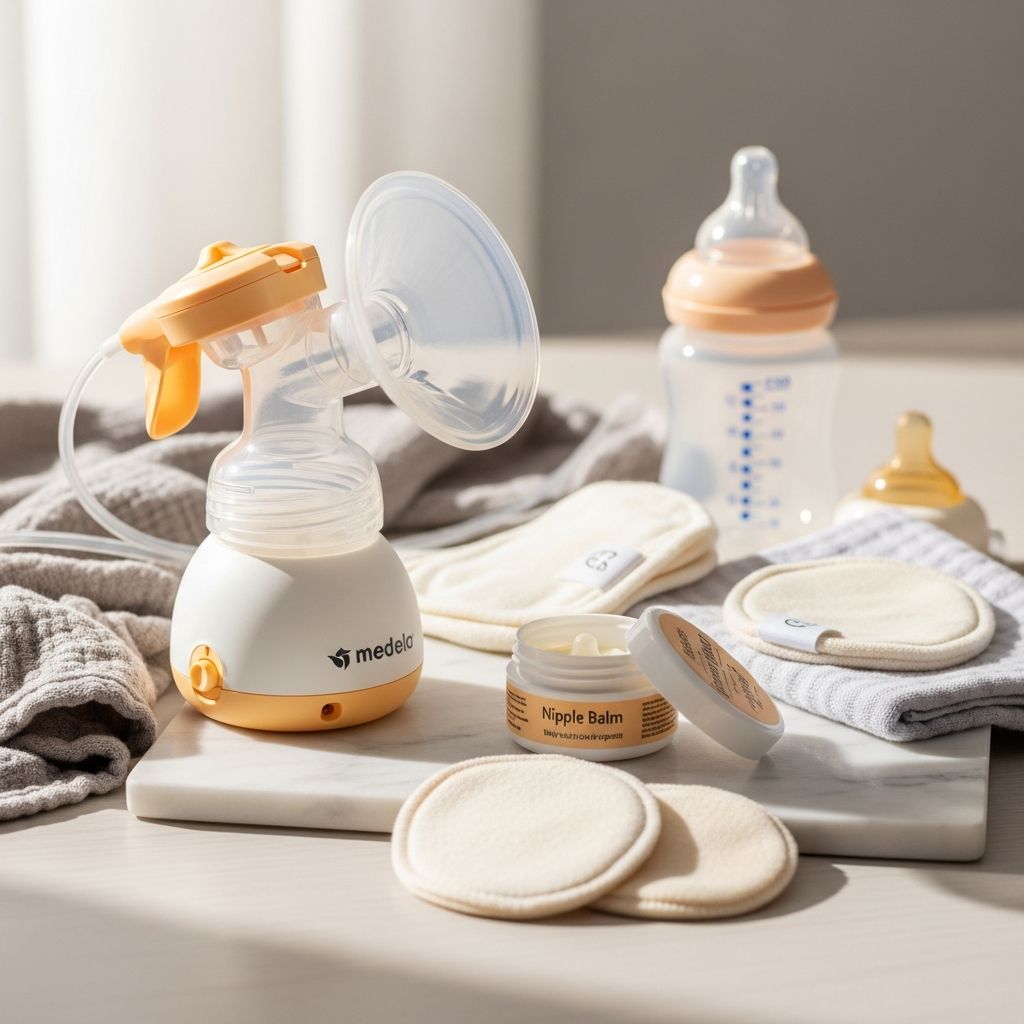
Breastfeeding stands as the cornerstone of infant nutrition, delivering tailored nourishment that evolves with a baby’s needs while fostering profound emotional connections. This guide equips parents with practical knowledge on techniques, benefits, and solutions to common hurdles, drawing from established health authorities to promote confident, successful nursing experiences.
Why Breastfeeding Matters: Core Advantages for Infants
Breast milk serves as nature’s perfect food, packed with essential vitamins, minerals, proteins, and antibodies that bolster a baby’s immune system and support rapid growth. Unlike formula, it adjusts its composition—starting with nutrient-dense colostrum in the first days—to meet developmental stages, ensuring optimal digestion and reducing issues like gas or constipation.
- Enhanced immunity: Lowers risks of ear infections, respiratory illnesses, diarrhea, and allergies through protective antibodies.
- Long-term health gains: Decreases chances of obesity, type 2 diabetes, asthma, eczema, and even sudden infant death syndrome (SIDS).
- Better brain development: Linked to higher IQ scores and cognitive maturation via unique fatty acids and hormonal interactions.
- Superior digestion: Easily absorbed, promoting healthy gut microbiota and fewer gastrointestinal problems.
Exclusive breastfeeding for the first six months, followed by continued nursing with solids, maximizes these protections, as emphasized by global health bodies.
Maternal Health Boosts from Nursing
Breastfeeding extends far beyond infant care, offering mothers significant physiological and psychological rewards. The act triggers oxytocin release, aiding uterine contraction post-delivery and promoting relaxation, which accelerates recovery from childbirth.
| Benefit | Description | Supporting Evidence |
|---|---|---|
| Reduced chronic disease risk | Lowers incidence of breast/ovarian cancer, type 2 diabetes, and cardiovascular issues, especially for those with gestational diabetes. | Prolonged nursing uses fat stores, mitigating lifetime risks. |
| Mental health support | Decreases postpartum depression and anxiety via hormonal balance and bonding routines. | Oxytocin fosters calm and emotional stability. |
| Weight management | Helps shed postpartum pounds by burning extra calories during milk production. | Natural energy expenditure without added effort. |
| Spacing pregnancies | Acts as natural contraception when exclusively practiced, delaying ovulation. | Hormonal suppression extends intervals. |
These advantages underscore breastfeeding’s dual role in family wellness, with longer duration amplifying effects.
Mastering the Basics: Getting Started with Breastfeeding
Initiating breastfeeding right after birth capitalizes on the newborn’s instinctive rooting reflex. Skin-to-skin contact immediately post-delivery stabilizes the baby’s temperature, heart rate, and breathing while stimulating milk production.
Key to success lies in proper positioning and latching. Hold your baby tummy-to-tummy, supporting their neck and shoulders without the head. The baby’s mouth should open wide, encompassing much of the areola, not just the nipple, to ensure efficient milk transfer and prevent soreness.
- Laid-back position: Recline comfortably with baby prone on your chest—ideal for newborns and promotes self-attachment.
- Cross-cradle hold: Cradle baby across your body, using the opposite arm to guide the breast.
- Football hold: Tuck baby under your arm like a football, useful post-C-section or for twins.
- Side-lying: Lie on your side facing baby—perfect for nighttime feeds.
Signs of effective feeding include audible swallows, relaxed hands, and steady weight gain. Feed on demand, typically 8-12 times daily for newborns, allowing cluster feeding during growth spurts.
Navigating Common Breastfeeding Challenges
While rewarding, breastfeeding can present obstacles. Sore nipples often stem from shallow latches; correct by breaking suction with a finger and repositioning. Engorgement, marked by swollen, tender breasts, eases with frequent nursing, warm compresses, or expressing a little milk beforehand.
Low supply worries are common but usually unfounded—most mothers produce enough if feeding frequently. Stay hydrated, eat nutritiously, and avoid unnecessary supplements unless advised by a professional. Oversupply may cause fussiness; block feeding (nursing from one side per session) helps balance.
- Mastitis: Infection signs like flu-like symptoms and a painful lump require prompt medical attention, rest, and continued feeding.
- Reflux or fussiness: Burp midway and experiment with positions; most resolve naturally.
- Pumping: Essential for working parents—store milk in sterile bags, refrigerate up to 4 days, or freeze for 6 months.
Support networks, like lactation consultants, prove invaluable for personalized guidance.
Building Emotional Connections Through Nursing
Beyond nutrition, breastfeeding nurtures profound bonds. The rhythmic suckling releases oxytocin in both, promoting mutual calm and security. Eye contact, cooing, and touch during feeds enhance emotional responsiveness, teaching babies self-regulation and trust.
For mothers, this routine instills confidence and combats isolation, with the meditative quality reducing stress. Infants benefit psychologically too, developing resilience through consistent comfort.
Practical Perks: Convenience and Economics
Breastfeeding demands no preparation—milk is always sterile, warm, and ready. This saves time and money, as formula costs add up, plus fewer illnesses mean reduced medical visits.
In emergencies, it’s lifesaving, providing hydration and immunity without external dependencies, ensuring food security.
Long-Term Strategies for Continued Success
Aim for exclusive breastfeeding up to six months, then introduce solids while nursing up to two years or beyond for sustained benefits like dental health and obesity prevention.
Weaning occurs gradually when mutually desired, maintaining flexibility. Track milestones: by one month, 6-8 wet diapers daily signal adequacy.
Frequently Asked Questions (FAQs)
What if my baby won’t latch?
Try skin-to-skin, express a little milk to entice, or seek a lactation expert. Persistence and patience yield results.
Does breastfeeding hurt?
Initial tenderness is normal, but pain indicates latch issues. Adjust positioning for comfort.
Can I drink coffee or alcohol?
Moderate caffeine is fine; limit alcohol or pump/dump if indulging. Hydrate well.
How do I know my supply is enough?
Monitor output (diapers, weight) over supplements. Frequent feeds build supply.
Is breastfeeding possible with medications?
Most are compatible; consult your doctor or use resources like LactMed.
Empowering Your Breastfeeding Journey
Every drop counts, offering irreplaceable benefits. Surround yourself with knowledge and support to thrive. Consult healthcare providers for tailored advice, ensuring a fulfilling experience for you and your baby.
References
- Continued breastfeeding for healthy growth and development of children — World Health Organization (WHO). 2023. https://www.who.int/tools/elena/bbc/continued-breastfeeding
- Breastfeeding Benefits — USDA WIC Breastfeeding Support. 2024. https://wicbreastfeeding.fns.usda.gov/breastfeeding-benefits
- The Psychological Benefits of Breastfeeding: Fostering Maternal… — PMC (PubMed Central). 2023-10-20. https://pmc.ncbi.nlm.nih.gov/articles/PMC10631302/
- Study Shows Breastfeeding Benefits Mothers’ Health, Not Just Babies — Cedars-Sinai. 2024. https://www.cedars-sinai.org/newsroom/spectrum-news-1-study-shows-breastfeeding-benefits-mothers-health-not-just-babies/
- Benefits of breastfeeding — National Health Service (NHS). 2024. https://www.nhs.uk/baby/breastfeeding-and-bottle-feeding/breastfeeding/benefits/
- Benefits of Breastfeeding for You & Baby — Cleveland Clinic. 2024. https://my.clevelandclinic.org/health/articles/15274-benefits-of-breastfeeding
- Breastfeeding Benefits Infographic — American College of Obstetricians and Gynecologists (ACOG). 2023. https://www.acog.org/womens-health/infographics/breastfeeding-benefits