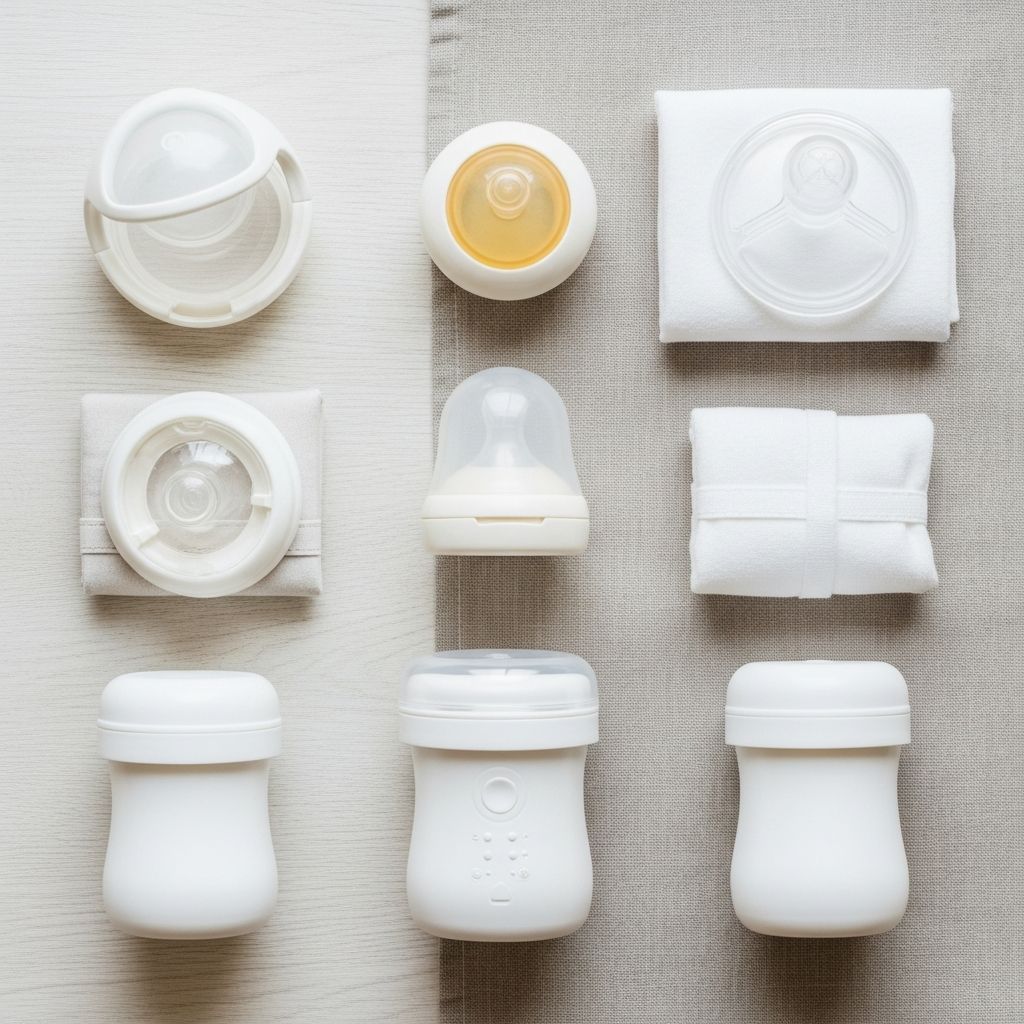
Breastfeeding offers unparalleled benefits for both baby and mother, providing optimal nutrition and fostering a deep bond. However, success often hinges on having the right tools to support comfort, efficiency, and hygiene during nursing sessions. This guide explores key items every nursing parent should consider, drawing from expert recommendations to help you prepare effectively.
Building a Comfortable Nursing Setup
Comfort is foundational to successful breastfeeding. Without proper support, long feeding sessions can lead to strain on your back, neck, and arms. Start with items that position you and your baby optimally.
- Specialized Nursing Pillows: These contoured cushions wrap around your waist, elevating baby to breast level and reducing the need to hunch. Unlike regular pillows, they offer firm support to prevent slipping and promote a proper latch, which is crucial for milk flow and preventing issues like mastitis.
- Back and Posture Supports: Large U-shaped pillows provide lumbar reinforcement, ideal for side-lying feeds at night. They create a stable ‘chair’ on your bed or couch, allowing relaxation during frequent night wakings.
According to the American Academy of Pediatrics, good positioning reduces nipple pain and improves intake, making these tools indispensable from day one.
Skin Protection and Soothing Essentials
Nipples endure significant changes during early breastfeeding, often becoming sore or cracked due to frequent latching and let-downs. Protective products are vital for healing and prevention.
| Product | Key Benefits | Usage Tips |
|---|---|---|
| Nipple Cream (Lanolin-based) | Hydrates, heals cracks; safe if baby ingests traces | Apply thinly after feeds; air-dry nipples |
| Nipple Shields | Protects sore areas; aids shallow latches | Use under lactation guidance to avoid dependency |
| Hydrogel Soothies | Cools and moisturizes; promotes healing | Refrigerate for extra relief; clean daily |
These items, recommended by lactation consultants, can shorten recovery time from soreness significantly.
Managing Leaks and Milk Supply
Leaking is common, especially in the early weeks when supply adjusts. Absorbent pads and collection devices prevent discomfort and wasted milk.
- Disposable and Reusable Pads: Ultra-thin disposables wick away moisture discreetly, while washable organic cotton options are eco-friendly and cost-effective long-term.
- Silicone Milk Catchers (e.g., Haakaa): Attach to the non-nursing breast to capture letdown milk passively. This builds a freezer stash effortlessly without full pumping sessions.
Parents report collecting up to 2 ounces per feed this way, preserving nutrition without extra effort.
Pumping Power: Choosing the Right Breast Pump
For working moms or those needing flexibility, a reliable pump is non-negotiable. Electric models mimic suckling patterns for efficient expression.
Types to Consider:
- Hospital-grade: Powerful for frequent use; often insurance-covered.
- Portable Double Electrics: Compact, rechargeable like the Spectra S1, ideal for on-the-go.
- Wearable Pumps: Hands-free inserts that fit inside bras, allowing mobility.
Pair with accessories: steam-clean bags for sanitation, extra flanges for fit, cooler bags for transport, and storage bags that attach directly to pumps. The CDC emphasizes hygienic pumping to maintain milk safety.
Clothing and Accessories for Discreet Feeding
Functional wardrobe choices enhance confidence, especially in public.
- Nursing Bras and Tanks: Seamless, adjustable styles with easy clips. Opt for soft, wireless options for sleep and structured ones for daywear.
- Hands-Free Pumping Bras: Elastic slits hold pump shields securely, freeing hands for tasks.
- Nursing Covers: Breathable fabrics with boning for peeking, doubling as car seat shades.
These allow feeding anywhere without exposure concerns.
Hydration, Nutrition, and Convenience Kits
Nursing burns 500+ calories daily, increasing thirst and hunger. Stay prepared.
- Insulated tumblers for cold water—keep bedside.
- High-protein snacks like nuts or bars for quick energy.
- Burp cloths, nail clippers, and massagers for let-down stimulation.
A dedicated nursing station with these prevents interruptions.
Storage and Cleaning Solutions
Preserve expressed milk safely with proper gear.
- Milk Storage Bags: Double-zippered, BPA-free; lay flat for freezing.
- Bottle Brushes and Drying Racks: UV or steam sanitizers for efficiency.
- Compatible Bottles: Wide-neck designs mimic breasts for smooth transitions.
Follow FDA guidelines: freeze up to 6 months, thaw in fridge.
Education and Support Resources
Gear alone isn’t enough—knowledge empowers. Enroll in prenatal classes, consult IBCLCs, and use apps for tracking feeds and output. Support groups combat isolation.
Frequently Asked Questions (FAQs)
What is the most important breastfeeding essential?
A supportive nursing pillow tops the list, as it ensures proper positioning and reduces physical strain during feeds.
Do I need a breast pump if exclusively breastfeeding?
Not always, but one provides flexibility for breaks or building a stash. Check insurance for free options.
How do I choose nursing pads?
Start with disposables for convenience, switch to reusables for sustainability. Change frequently to avoid irritation.
Are nipple creams safe for newborns?
Yes, lanolin and medical-grade options are ingestible. Consult a doctor for allergies.
What’s the best way to store pumped milk?
Use sterile bags in a deep freezer; label with dates. Room temp: 4 hours max.
Word Count: 1678 (excluding metadata and references)
References
- Breastfeeding: Surgeon General’s Call to Action Fact Sheet — U.S. Department of Health and Human Services. 2023-10-12. https://www.cdc.gov/breastfeeding/data/factsheet_breastfeeding.htm
- Breastfeeding Toolkit — American Academy of Pediatrics. 2025-01-15. https://www.aap.org/en/patient-care/breastfeeding/breastfeeding-toolkit/
- Ten Must-Have Items for Breastfeeding Moms — South Shore Health. 2024-08-20. https://www.southshorehealth.org/wellness/blog/what-do-i-need-to-buy-for-breastfeeding-ten-breastfeeding-essential-tools
- 12 Breastfeeding Essentials Recommended by Lactation Experts — BabyList. 2025-02-10. https://www.babylist.com/hello-baby/breastfeeding-products-milky-mama
- Breastfeeding and Going Back to Work — U.S. Department of Labor. 2024-11-05. https://www.dol.gov/agencies/wb/data/breastfeeding-and-going-back-to-work