Regular breast self-exams remain a cornerstone of proactive breast health, even for women who are breastfeeding. These simple monthly checks empower mothers to detect potential issues early, complementing professional screenings like mammograms. Despite hormonal fluctuations and milk production altering breast tissue, familiarity with one’s normal state aids in identifying abnormalities promptly.
Understanding Breast Changes During Lactation
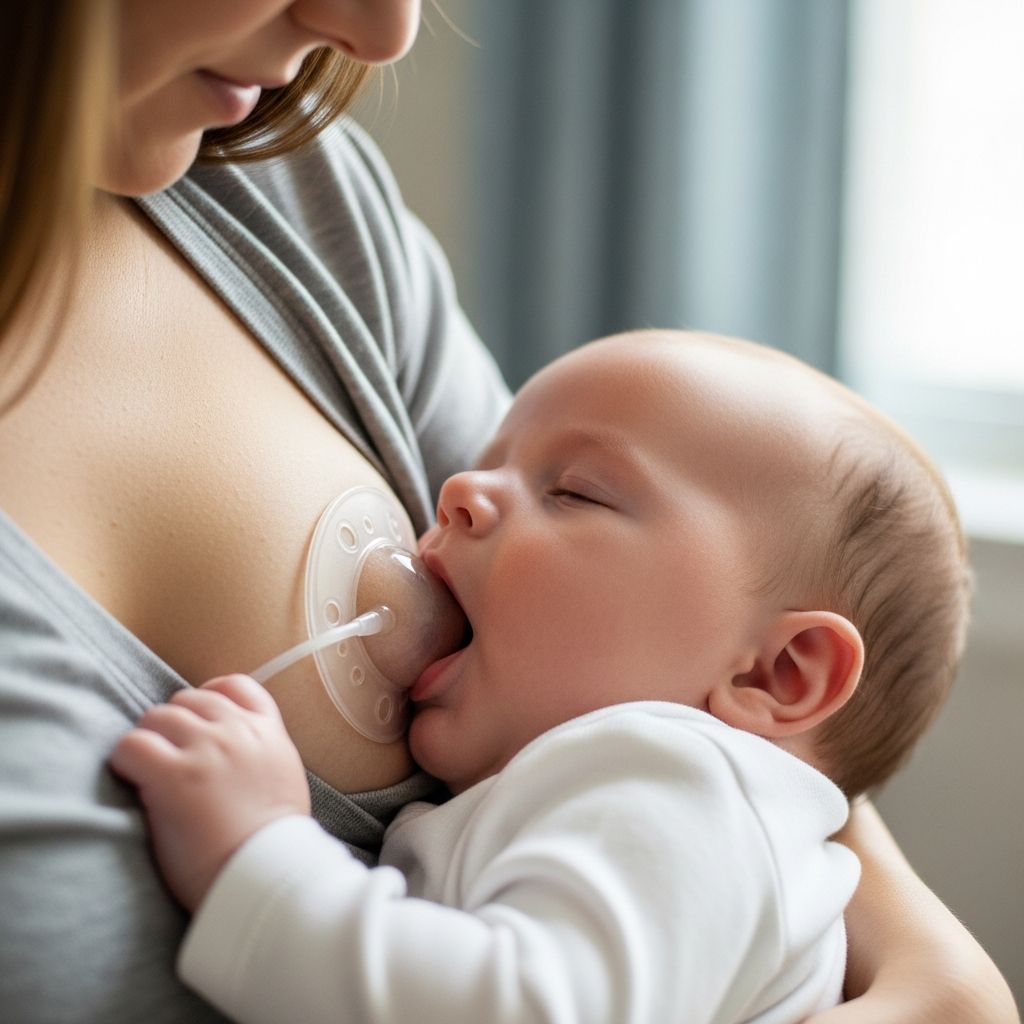
Breastfeeding triggers significant physiological shifts, including engorgement, milk letdown, and ductal development, which can mimic concerning signs. Lumps from clogged ducts or mastitis are common and typically resolve, but consistent self-monitoring distinguishes benign variations from serious conditions like cancer. Nurses play a pivotal role in educating patients on these differences, emphasizing proper technique for accurate assessment.
Women often notice tenderness, fullness, or palpable nodules during nursing phases. Post-menstrual timing—about 2 days after menstruation ends—is ideal for non-lactating women, but nursing moms should select a consistent day post-feeding when breasts are less full to minimize false alarms.
Why Nursing Mothers Can’t Skip Self-Exams
Guidelines from organizations like the American Cancer Society have evolved, shifting from routine self-exams to ‘breast awareness,’ yet evidence supports their value. Approximately 20% of breast cancers are discovered via physical exam rather than imaging alone, underscoring self-checks’ role. For nursing women, who may delay mammograms due to lactation interference, self-exams bridge critical gaps in detection.
- Early Detection Boost: Familiarity with tissue enables spotting persistent lumps or skin changes not attributable to lactation.
- Empowerment Tool: Builds confidence to report anomalies swiftly, potentially improving outcomes.
- Complements Screenings: Mammography misses 10-20% of cancers; self-exams catch what imaging overlooks.
Studies affirm that educated women performing systematic checks detect issues earlier, though large trials question mortality reduction. The consensus: awareness plus exams fosters vigilance without undue anxiety.
Step-by-Step Guide to Self-Exams for Breastfeeding Women
Perform exams monthly in three phases: visual inspection, palpation in mirror, and lying down. Adapt for lactation by choosing times when breasts are softer, avoiding immediately after feeding.
Visual Inspection in the Mirror
- Stand undressed, arms at sides: Observe size, shape, symmetry, skin texture, nipple position.
- Raise arms overhead: Check for dimpling, puckering, redness, or swelling.
- Hands on hips, press firmly: Flex chest muscles to reveal subtle retractions or asymmetries.
- Lean forward: Gravity highlights contour changes; inspect nipples for inversion, discharge (non-milk).
Palpation While Standing or Showering
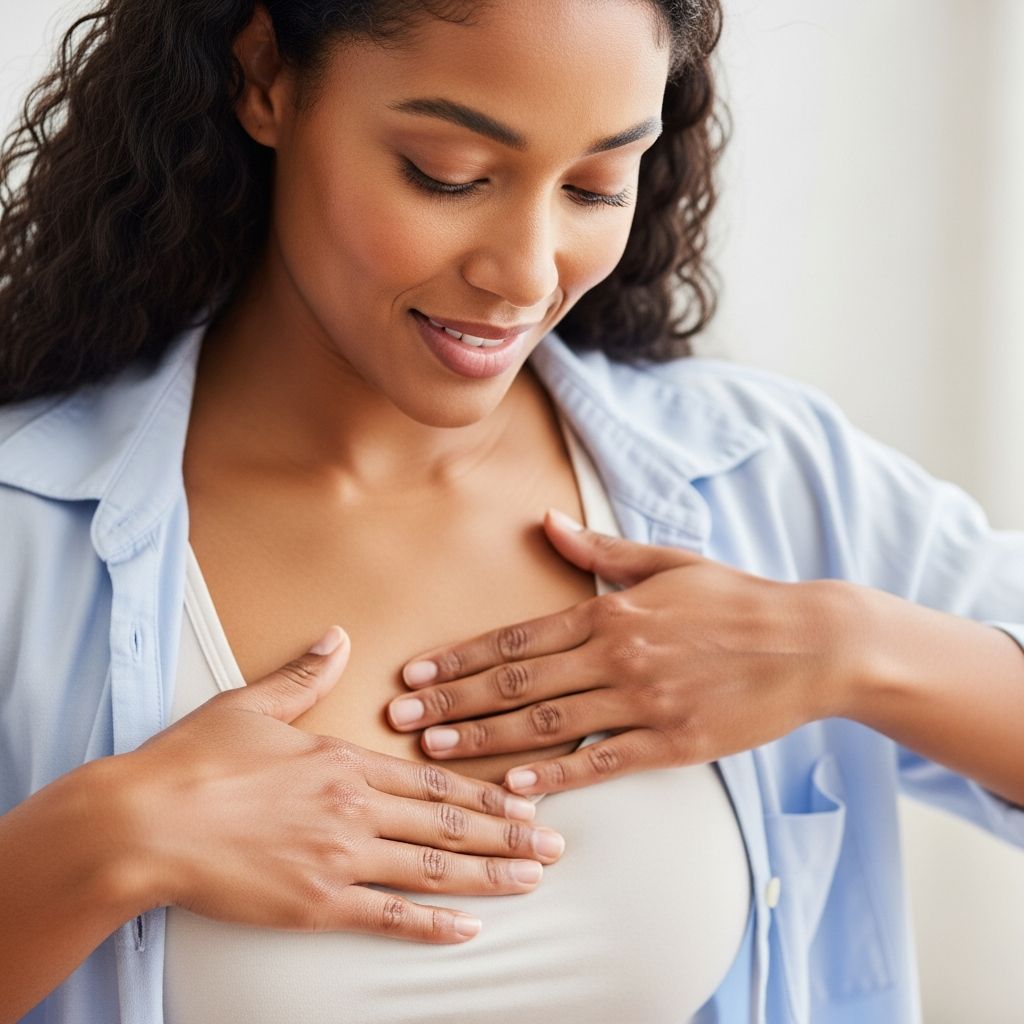
Use the pads of three middle fingers in small circular motions (light, medium, firm pressure). Cover entire breast from collarbone to abdomen, armpit to sternum, in vertical overlapping lines or concentric circles. Note lumps, thickening, or tenderness lasting beyond lactation norms.
Lying Down Palpation
Lie on back, pillow under shoulder, arm overhead. Palpate same pattern, flattening tissue against chest wall. Repeat for both sides, including armpits. Mark calendar for consistency.
| Phase | Key Actions | Lactation Tip |
|---|---|---|
| Visual | Arms down/up/hips | Post-feeding to reduce fullness |
| Standing Touch | Finger circles, all pressures | Shower aids slipperiness |
| Lying Down | Arm overhead, flatten tissue | Empty breasts first |
Normal vs. Abnormal Findings in Nursing Breasts
Distinguishing lactation-related changes from red flags is crucial:
- Normal: Transient lumps (clogged ducts), tenderness pre-feed, let-down tingles, colostrum/milk discharge, mild asymmetry.
- Abnormal: Hard, fixed lumps; persistent pain; bloody/non-milk discharge; skin orange-peel texture; nipple retraction; unexplained swelling.
If changes persist >2 weeks or worsen, consult a doctor. Lactation doesn’t increase cancer risk but can mask it, making vigilance essential.
Integrating Self-Exams with Professional Screenings
Self-exams enhance, not replace, mammograms (start age 40-45 for average risk) and clinical exams. Nursing may require ultrasound over mammography due to density, but resume imaging post-weaning. Layered approach—self-awareness, annual clinical checks, imaging—maximizes early detection.
Overcoming Barriers and Building Habits
Fear of findings, forgetfulness, or technique uncertainty deter practice. Nurses can motivate via education, demonstrations with models, and motivational interviewing per self-care theories. Apps, reminders, partner involvement aid consistency. Studies show nurse-led programs boost proper technique from 18% to higher compliance.
Frequently Asked Questions
Can breastfeeding cause breast cancer?
No, it may lower risk long-term. Self-exams monitor changes unrelated to milk production.
Is it safe to do self-exams during pregnancy?
Yes, start in second trimester to establish baseline amid growth changes.
What if I find a lump while nursing?
Many are benign (cysts, fibroadenomas), but get evaluated promptly—most resolve, but don’t delay.
How does pumping affect exams?
Pump beforehand for softer tissue, improving palpation accuracy.
Should men do breast self-exams?
Rare male breast cancer warrants awareness of nipple changes or lumps.
Expert Insights on Long-Term Breast Health
Health beliefs influence adherence; education addresses misconceptions, promoting self-efficacy. For nursing moms, routine fosters lifelong habits, safeguarding health amid motherhood demands. Consult providers for personalized advice.
References
- The Nurse’s Role in Self–Breast Examination Education — Nursing2012 Critical Care. 2012-10-01. https://nursing.ceconnection.com/ovidfiles/00006527-201210000-00004.pdf
- Why a Breast Self-Exam Is Still Important and How to Perform One — UVA Health. Recent (post-2020). https://www.uvahealth.com/healthy-balance/breast-self-exam/
- Motivational factors in breast self-examination. Implications for nurses — PubMed. 1989-01-01. https://pubmed.ncbi.nlm.nih.gov/2766268/
- Why breast ‘awareness’ has replaced self-exams — Novant Health. Recent. https://www.novanthealth.org/healthy-headlines/why-breast-awareness-has-replaced-self-exams
- Breast Self-Exam — National Breast Cancer Foundation. Recent. https://www.nationalbreastcancer.org/breast-self-exam/
- Breast self-exam for breast awareness — Mayo Clinic. Recent. https://www.mayoclinic.org/tests-procedures/breast-exam/about/pac-20393237