Understanding Breast Milk Preservation for Modern Families
Expressing and storing breast milk has become an essential practice for many nursing parents who balance feeding their infants with work, school, or other commitments. While breastfeeding directly at the breast offers unmatched benefits, pumped milk requires careful handling to maintain its nutritional integrity and safety. Understanding the science behind milk storage, container selection, and temperature management ensures that the milk your baby receives remains as beneficial as possible.
Breast milk contains naturally occurring antimicrobial compounds that help protect against bacterial contamination, yet these protective mechanisms have their limits. Proper storage practices complement these built-in safeguards, ensuring your expressed milk remains safe and nutritious for your baby. This comprehensive guide walks you through every aspect of breast milk preservation, from the moment you express it to the moment your baby consumes it.
Selecting Appropriate Storage Containers and Materials
The container you choose plays a critical role in maintaining milk quality and preventing contamination. Not all containers are created equal, and using the wrong materials can compromise both safety and nutritional value.
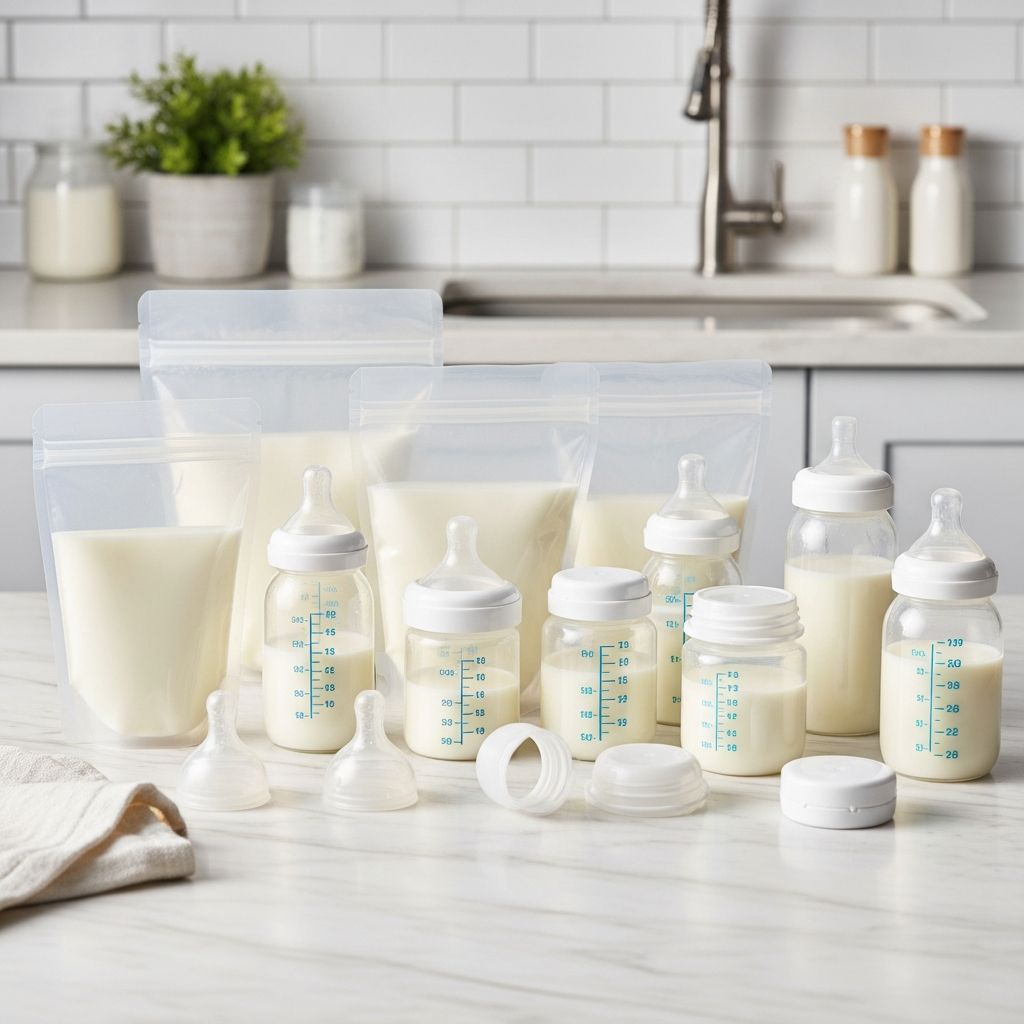
Glass containers represent an excellent storage option because they are non-porous, durable, and do not leach chemicals into milk. Food-grade glass bottles with tight-fitting lids provide an airtight seal that prevents oxidation and contamination. Glass containers are also easy to clean and sterilize, making them ideal for long-term storage and multiple uses.
Plastic containers designed specifically for breast milk storage offer convenience and space efficiency. Choose BPA-free, food-grade plastic bottles with secure lids. Avoid generic plastic bags or disposable bottle liners, as these materials may not provide adequate protection and can introduce contaminants. Specialized breast milk storage bags, made from medical-grade plastic, offer a space-saving alternative to bottles and are designed specifically for safe milk preservation.
Breast milk trays present another practical option, allowing you to freeze small portions that can be popped out of the tray and transferred to freezer bags once solidified. This method maximizes freezer space and provides flexibility for varying portion sizes as your baby grows.
Room Temperature Storage: Immediate Post-Expression Guidelines
The moments immediately following milk expression significantly impact long-term quality. Understanding proper handling during this critical window prevents bacterial proliferation and maintains nutritional density.
Freshly expressed breast milk can safely remain at room temperature (77°F or colder) for up to 4 hours. This timeframe applies to milk collected in clean containers that have not been contaminated. If your environment is warmer than 77°F, reduce this window to 2 hours to minimize bacterial growth risk.
When you are away from home—whether at work, school, or traveling—use an insulated cooler bag equipped with ice packs to maintain milk temperature during transport. Wrap ice packs in cloth or towels to prevent direct contact, which could cause localized freezing. This portable cooling solution extends your flexibility while preserving milk safety during your workday.
Refrigeration Methods for Short-Term Preservation
Refrigeration represents the optimal choice for milk you plan to use within several days. Unlike freezing, this method preserves more heat-sensitive compounds and maintains easier access to milk without thawing delays.
Store milk in your refrigerator at 40°F or colder, placing containers toward the back where temperatures remain most stable. Never store milk in refrigerator door compartments, as temperature fluctuations from frequent opening compromise preservation. Under ideal conditions, properly refrigerated breast milk remains safe for up to 4 days.
Some research suggests that milk stored under perfectly consistent 4°C conditions can remain viable for up to 5 days, though healthcare providers recommend using refrigerated milk within 3 to 4 days to ensure optimal nutritional quality. If your refrigerator temperature rises above 40°F at any point, reduce usage time to 6 hours and discard any milk that has been exposed to warmer conditions.
Always label containers with the date and time of expression. If your baby attends childcare, include your baby’s name on the label as well. This simple practice prevents mix-ups and ensures milk is used in the correct sequence.
Freezing for Extended Storage Periods
Freezing extends breast milk viability significantly, making it ideal for building a supply reserve or managing varying daily needs. The freezing process slows bacterial growth to negligible levels while preserving most nutritional compounds.
Before freezing, allow freshly expressed milk to cool slightly to room temperature. Leave approximately one-half inch of space at the top of containers to accommodate expansion as liquid transforms to ice. Failure to allow expansion space may crack glass containers or burst storage bags.
Store frozen milk in your main freezer compartment for up to 6 months, or in a dedicated deep freezer for up to 12 months. The lower the storage temperature, the longer milk remains viable. Most healthcare providers recommend using frozen milk within 6 months for optimal nutritional retention, though 12-month storage is considered acceptable.
Organize your freezer using a rotation system—place newly frozen milk behind existing supplies so older milk gets used first. Clear labeling with expression dates prevents accidental use of milk beyond recommended timeframes. Some parents use colored tape or markers to indicate week of expression, simplifying rotation at a glance.
Understanding the Pitcher Method for Simplified Storage
The Pitcher Method offers an alternative approach to traditional individual-container storage, pooling all milk expressed over a 24-hour period into a single refrigerated container. This method reduces labeling complexity and minimizes the number of containers requiring storage space.
Under the Pitcher Method, milk from multiple pumping sessions throughout the day combines in one container, which remains refrigerated during collection. At the conclusion of the 24-hour period, the pooled milk can either be used immediately for the following day’s feedings or divided into individual portions and frozen for later use.
This approach works best for mothers with high milk production who pump multiple times daily and prefer streamlined organization. The method is particularly beneficial when consistency of nutritional content matters, such as with premature infants requiring precise nutritional ratios. However, the Pitcher Method carries specific considerations—if the container becomes damaged or contaminated during the 24-hour collection window, an entire day’s milk supply may be lost. Additionally, transferring milk between containers introduces opportunities for contamination if care is not taken.
Mixing freshly expressed warm milk with refrigerated milk collected earlier in the day is considered safe when done carefully, as research shows minimal bacterial impact from temperature mixing when containers remain properly sealed.
The Thawing Process: Protecting Nutritional Value
How you thaw frozen milk dramatically affects its nutritional composition. Improper thawing methods can degrade heat-sensitive components and destroy beneficial antibodies.
Refrigerator thawing represents the safest, most gentle method. Transfer frozen milk from freezer to refrigerator several hours or overnight before use. This gradual temperature transition minimizes nutritional loss. Thawed milk stored this way remains safe in the refrigerator for up to 24 hours.
Warm water thawing accelerates the process when you need milk more quickly. Place the sealed container in a bowl of warm (not hot) water, gradually increasing water temperature as milk thaws. This method takes 15 to 20 minutes and preserves nutritional integrity better than rapid heating methods. Change the water periodically to maintain appropriate temperature.
Avoid microwave thawing entirely. Microwaves create dangerous hot spots that can burn your baby’s mouth and destroy vital nutrients including antibodies and enzymes. Similarly, avoid boiling water or direct heat exposure, as high temperatures compromise milk’s protective compounds.
Once thawed, gently swirl the container to redistribute fat layers that naturally separate during freezing. Never shake vigorously, as this increases oxidation. Thawed milk cannot be refrozen—once thawed, any unused portion must be discarded after the appropriate time window (1 to 2 hours at room temperature, up to 24 hours refrigerated).
Handling and Contamination Prevention
Maintaining cleanliness throughout the expression and storage process prevents bacterial contamination that could harm your infant. Even though breast milk contains natural protective factors, consistent hygiene practices provide essential backup protection.
Wash your hands thoroughly before expressing milk and before handling storage containers. Clean breast pump parts, bottles, and containers with hot soapy water after each use, or use a sterilizer if recommended by pump manufacturers. Avoid touching the interior of containers or lids before milk storage.
Never add freshly expressed warm milk directly to already-frozen milk, as this practice reduces overall storage time and creates uneven freezing patterns. Instead, cool fresh milk to room temperature before combining with frozen supplies, or store separately and combine later if needed.
Do not reuse milk that your baby has already consumed from a bottle. Once your baby drinks from a container, bacteria from saliva colonizes the remaining milk, making it unsafe for future use. Always remove only the amount needed for a single feeding into a separate container, leaving the remainder safely sealed.
Storage Recommendations Summary
| Storage Location | Temperature | Safe Duration |
|---|---|---|
| Room Temperature | 77°F or colder | Up to 4 hours |
| Insulated Cooler Bag | With ice packs | Up to 24 hours |
| Refrigerator | 40°F or colder | Up to 4 days |
| Standard Freezer | 0°F or colder | 6 months (best), up to 12 months acceptable |
| Deep Freezer | Below 0°F | Up to 12 months |
Thawed Milk Storage Guidelines
| Thawed Milk Location | Temperature | Safe Duration |
|---|---|---|
| Room Temperature | 77°F or colder | 1 to 2 hours |
| Refrigerator | 40°F or colder | Up to 24 hours |
| Freezer | 0°F or colder | Do not refreeze |
Common Storage Mistakes to Avoid
Understanding frequent errors helps you maintain milk quality and safety. Many parents inadvertently compromise their stored milk through preventable oversights.
- Storing milk in refrigerator door compartments where temperature fluctuates with frequent opening
- Failing to label containers with collection date and time, leading to milk exceeding safe storage windows
- Mixing freshly expressed warm milk directly with frozen supplies without cooling first
- Using non-food-grade plastic containers or disposable bottle liners not designed for milk storage
- Attempting to refreeze thawed milk due to misunderstanding safety guidelines
- Storing milk in direct contact with freezer walls, causing uneven freezing and ice crystal formation
- Exceeding recommended storage times in the belief that milk remains safe indefinitely when frozen
- Reusing milk partially consumed by your baby during previous feedings
Frequently Asked Questions About Breast Milk Storage
Q: How can I tell if stored breast milk has gone bad?
A: Spoiled breast milk may develop an unusual sour odor or taste, or display visible separation that doesn’t resolve with gentle swirling. Trust your senses—if milk smells off or appears abnormal, discard it. Always follow time guidelines rather than relying solely on appearance, as some spoilage is not visually obvious.
Q: Is it safe to mix milk expressed at different times of day?
A: Yes, you can combine milk from different pumping sessions on the same day provided all milk is cool before combining. The Pitcher Method is based on this principle. However, avoid mixing milk of significantly different temperatures without allowing cooled milk to reach the same temperature first.
Q: Can I store breast milk in bottle liners?
A: No. Standard bottle liners are not designed for milk storage and may leak, rupture, or introduce contaminants. Use only containers specifically designed for breast milk storage, including specialized storage bags made from medical-grade plastic.
Q: What should I do if my refrigerator temperature fluctuates above 40°F?
A: If your refrigerator exceeds 40°F, reduce milk storage time to 6 hours maximum. Consider investing in a refrigerator thermometer to monitor temperature consistently, and contact an appliance professional if your refrigerator cannot maintain proper temperature.
Q: Does the fat content separate from stored breast milk, and is separated milk safe?
A: Yes, fat naturally separates and rises to the top during storage. This is completely normal and does not indicate spoilage. Gently swirl the container before feeding to redistribute fat throughout the milk. Never shake vigorously, as this damages beneficial compounds.
Q: How long can I safely keep thawed breast milk at room temperature?
A: Thawed breast milk remains safe at room temperature (77°F or colder) for 1 to 2 hours. Once this window closes, refrigerate remaining milk if you plan to use it within 24 hours, or discard it if you cannot use it promptly.
Q: Is frozen breast milk less nutritious than fresh milk?
A: Freezing preserves most nutrients and beneficial compounds, though some heat-sensitive antibodies may diminish over time. Fresh refrigerated milk retains slightly higher levels of immune-protective factors, but frozen milk remains highly nutritious and beneficial for your baby’s development and health.
References
- Breast Milk Storage and Preparation | Breastfeeding — Centers for Disease Control and Prevention (CDC). 2024. https://www.cdc.gov/breastfeeding/breast-milk-preparation-and-storage/handling-breastmilk.html
- Storing and Thawing Breast Milk — WIC Breastfeeding Support, U.S. Department of Agriculture Food and Nutrition Service. 2025. https://wicbreastfeeding.fns.usda.gov/storing-and-thawing-breast-milk
- Expressing and storing breastmilk — The Breastfeeding Network. 2024. https://www.breastfeedingnetwork.org.uk/breastfeeding-information/continuing-the-breastfeeding-journey/expressing-and-storing-breastmilk/
- What is the Pitcher Method for storing breastmilk? — InfantRisk Center. 2024. https://infantrisk.com/content/what-pitcher-method-storing-breastmilk
- ABM Clinical Protocol #8: Human Milk Storage Information for Home Use — Academy of Breastfeeding Medicine. 2022. https://abm.memberclicks.net/assets/DOCUMENTS/PROTOCOLS/8-human-milk-storage-protocol-english.pdf