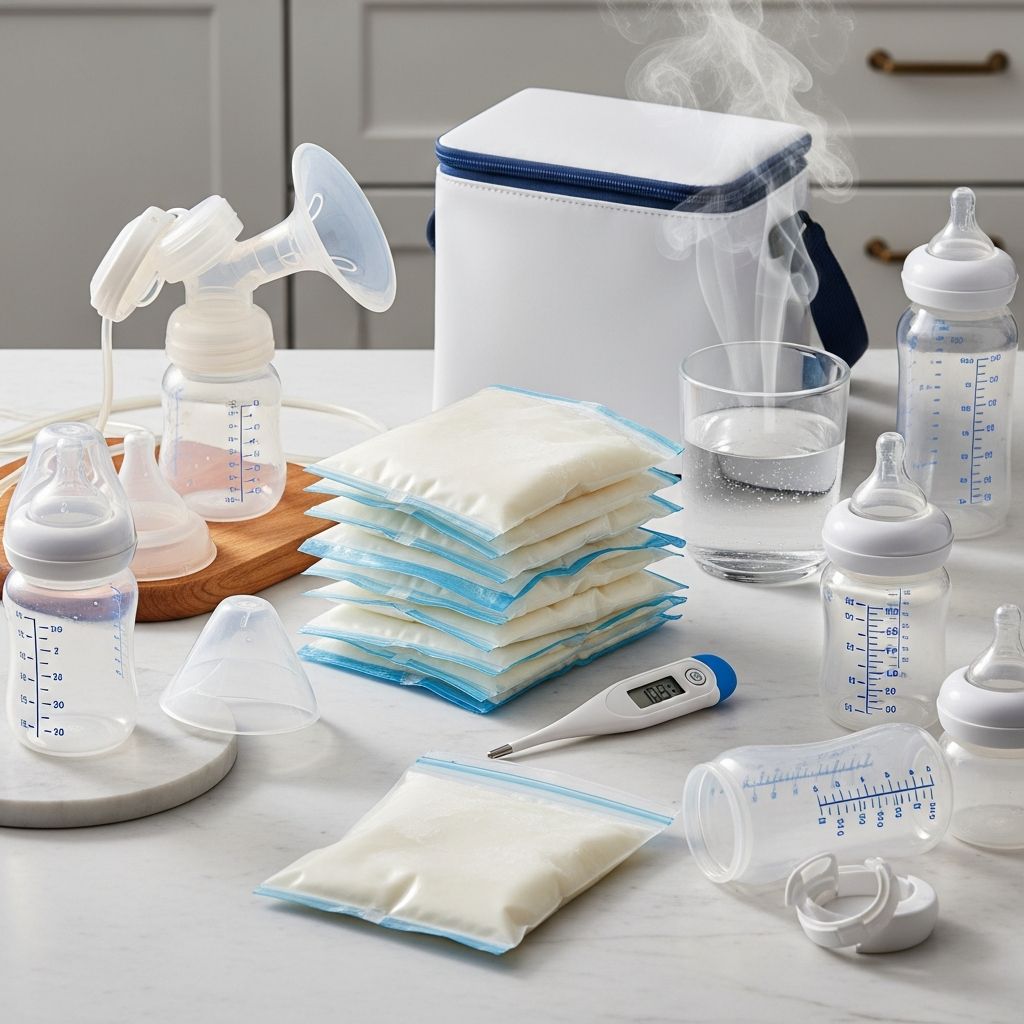
Breast milk is a remarkable source of nutrition tailored perfectly for infants, packed with antibodies, enzymes, and essential nutrients that support growth and immunity. For working parents, traveling mothers, or those building a milk stash, proper storage and thawing are crucial to maintain its quality and safety. Following guidelines from health authorities ensures milk remains viable without bacterial growth or nutrient loss. This guide draws from official recommendations to help you handle expressed milk confidently.
Why Proper Storage Matters for Your Baby’s Health
Expressed breast milk can spoil quickly if not stored correctly, leading to bacterial contamination or degradation of protective components like immunoglobulins. Health experts emphasize that adherence to temperature-specific timelines prevents waste and safeguards infant health. For instance, room-temperature milk left too long invites pathogens, while improper thawing can create dangerous hot spots or destroy heat-sensitive antibodies. By mastering these practices, parents extend breastfeeding duration and provide consistent nourishment.
Optimal Containers for Storing Expressed Milk
Choosing the right storage vessels is the first step. Opt for clean, BPA-free plastic bags designed for breast milk, glass jars with tight lids, or hard plastic bottles with secure caps. These materials withstand freezing expansion without cracking and minimize air exposure. Label each container with the date and time pumped using a waterproof marker—this enables FIFO (first in, first out) inventory management. Avoid standard plastic bags or overfilled containers, as milk expands by about 10% when frozen, risking leaks or bursts.
- Recommended options: Breast milk storage bags (flat for space efficiency), food-grade glass bottles.
- Avoid: Regular ziplock bags, metal containers, or anything without airtight seals.
Storage Timelines by Temperature: A Comprehensive Guide
Storage duration varies by environment. Always prioritize the coldest available spot, like the back of the fridge or freezer, to minimize temperature fluctuations. The table below summarizes consensus guidelines from leading health organizations.
| Storage Location | Temperature | Duration (Fresh Milk) | Notes |
|---|---|---|---|
| Room Temperature | Up to 77°F (25°C) | 4 hours max | Up to 6-8 hours under very clean conditions |
| Insulated Cooler with Ice Packs | Close to 39°F (4°C) | 24 hours | Ideal for travel or work |
| Refrigerator (back shelf) | 39°F (4°C) or colder | 4 days best; up to 5 days clean conditions | Avoid door shelves |
| Freezer (fridge unit) | 0°F (-18°C) or colder | 6 months best; up to 9-12 months | Back of freezer for stability |
| Deep Freezer (standalone) | -4°F (-20°C) or colder | Up to 12 months | Best for long-term stash |
For thawed milk: Use within 24 hours in the fridge (up to 48 hours per some sources) or 1-2 hours at room temp. Discard leftovers and never refreeze.
Step-by-Step Freezing Best Practices
Freeze milk promptly if not using within 24 hours refrigerated. Portion into 2-4 ounce amounts to match typical feedings, reducing waste. Leave 1-2 inches of headspace for expansion. Lay bags flat in the freezer for quick thawing and efficient space use. Combine small amounts of fresh milk with cooled refrigerated milk, but chill fresh milk first to avoid warming the batch. Regularly check freezer temp with a thermometer—aim for consistent 0°F or below.
- Pump and cool milk immediately in an ice bath if needed.
- Pour into labeled containers.
- Freeze flat; stack once solid.
- Track dates to rotate stock.
Safe Thawing Methods to Preserve Nutrients
Thaw oldest milk first to optimize quality, as frozen milk’s vitamin and antibody levels decline over extended periods. Preferred methods maintain even temperature without hotspots.
- Refrigerator thaw: Overnight (12+ hours) in the back—safest, preserves most nutrients.
- Warm water bath: Submerge in lukewarm (under 99°F/37°C) water, changing every few minutes until liquid.
- Running warm water: Hold under gentle stream, swirling gently.
Critical warnings: Never microwave—destroys nutrients and risks burns. Avoid boiling water or stovetop. Swirl thawed milk to recombine fat layers; shake gently if needed. Once fully thawed (no ice crystals), fridge life is 24 hours max.
Handling Thawed Milk: Usage and Waste Rules
Warm thawed or refrigerated milk in a bowl of warm water, testing on your wrist for safety (should feel neutral, not hot). Feed within 1-2 hours at room temp; discard uneaten portions to prevent bacterial overgrowth from saliva introduction. Track thawed milk separately from fresh to avoid mix-ups. If milk smells sour or off (rancid, not soapy—normal lipase variation), discard it.
Common Mistakes and How to Avoid Them
Parents often overlook FIFO, leading to quality loss, or store in fridge doors where temps fluctuate. Don’t add warm pumped milk to cold stores; cool it first. Overfilling freezer bags causes explosions. Misjudging thaw times results in rushed, unsafe heating. Solution: Use a dedicated freezer bin, app trackers for dates, and batch small volumes.
| Mistake | Risk | Fix |
|---|---|---|
| Microwaving | Hot spots, nutrient loss | Warm water only |
| Refreezing thawed milk | Bacterial growth | Use or discard |
| Door storage | Temp swings | Back shelves |
| No labeling | Quality expiry | Date every container |
Travel and On-the-Go Storage Solutions
For outings, use insulated cooler bags with multiple ice packs—milk stays viable 24 hours. Portable fridge packs or dry ice for longer trips. At daycare, provide daily portions labeled with name and date. Pre-portion frozen milk for providers.
Special Scenarios: Premature Babies and Multiples
For preemies, follow hospital-specific guidelines, often shorter storage times due to immunity needs. With multiples, scale up FIFO tracking. Fortified milk (with additives) may have adjusted rules—consult pediatricians.
Frequently Asked Questions
Can I mix fresh and refrigerated milk?
Yes, if the fresh milk is cooled first to fridge temp. Chill it quickly in an ice bath.
How do I know if stored milk is still good?
Check for off odors (sour vs. normal sweet/soapy), color changes, or clumps. Smell test post-thaw.
What’s the best way to warm milk for feeding?
Bowl of warm water or running lukewarm water. Wrist-test before giving to baby.
Can I freeze milk directly after pumping?
Yes, if not using soon. Cool slightly first to avoid straining the freezer.
How long does thawed milk last if not fully used?
Discard uneaten milk after 1-2 hours at room temp; do not resave.
This comprehensive approach empowers breastfeeding parents to build a reliable milk supply. Consistent practices minimize waste and maximize benefits for your little one.
References
- Storage and Preparation of Breast Milk — Centers for Disease Control and Prevention (CDC). 2023. https://www.cdc.gov/breastfeeding/pdf/preparation-of-breast-milk_h.pdf
- Breast milk storage: Do’s and don’ts — Mayo Clinic. 2024-05-15. https://www.mayoclinic.org/healthy-lifestyle/infant-and-toddler-health/in-depth/breast-milk-storage/art-20046350
- Tips for Freezing & Refrigerating Breast Milk — American Academy of Pediatrics (HealthyChildren.org). 2024. https://www.healthychildren.org/English/ages-stages/baby/breastfeeding/Pages/Storing-and-Preparing-Expressed-Breast-Milk.aspx
- Storing and Thawing Breast Milk — U.S. Department of Agriculture (USDA) WIC Breastfeeding Support. 2024. https://wicbreastfeeding.fns.usda.gov/storing-and-thawing-breast-milk
- Keep Breast Milk Safe: Tips for Handling, Storing, and Thawing — Children’s Hospital Los Angeles (CHLA). 2023-08-10. https://www.chla.org/blog/advice-experts/keep-breast-milk-safe-tips-handling-storing-and-thawing
- How to Store, Freeze, and Thaw Breast Milk — Medela. 2024. https://www.medela.com/en/breastfeeding-pumping/articles/pumping-tips/how-to-store-freeze-and-thaw-breast-milk