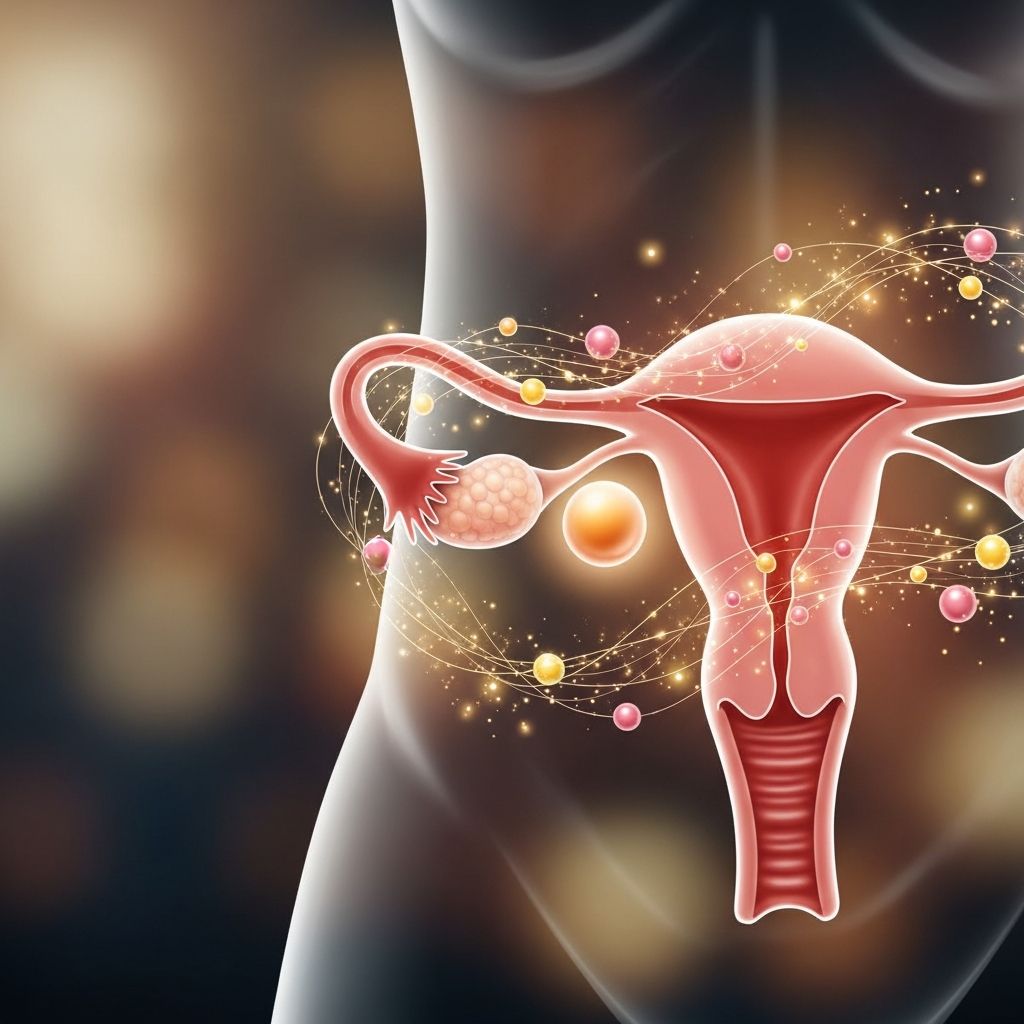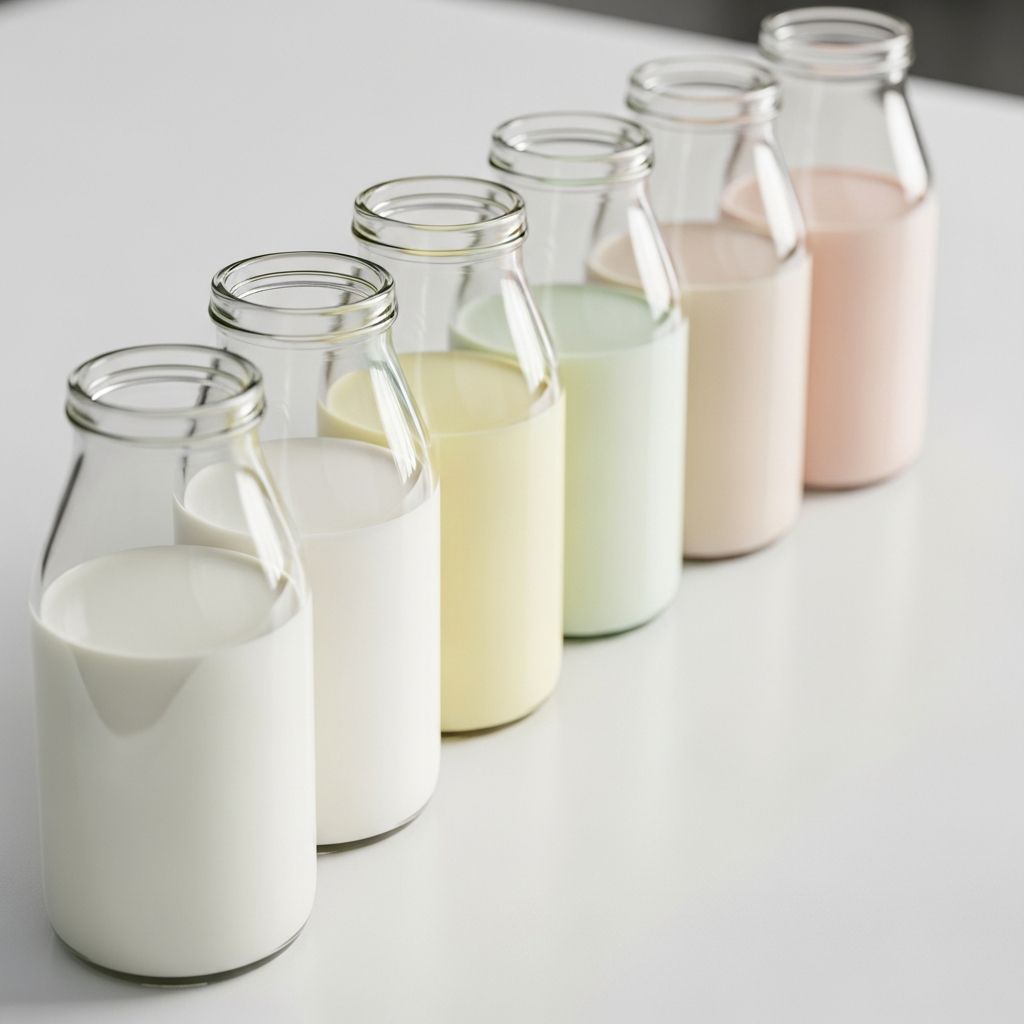
Breast milk naturally varies in appearance, reflecting the dynamic nature of lactation influenced by maternal diet, health, storage methods, and physiological changes. These color shifts, ranging from pale yellow to deeper hues, are often benign but warrant awareness to distinguish normal occurrences from potential concerns.
The Spectrum of Normal Breast Milk Colors
Human milk evolves through stages, each with distinct visual traits. Early colostrum appears thick and yellowish due to high concentrations of proteins and antibodies, transitioning to thinner, whiter mature milk as production stabilizes. Variations like subtle blue tinges or yellowish tones persist in many individuals, signaling healthy fat and nutrient balances rather than issues.
- Yellowish shades: Common in initial days and linked to beta-carotene from vegetables.
- Bluish-white: Typical of well-hydrated foremilk with lower fat content.
- Opaque white: Indicates established hindmilk rich in fats for infant satiety.
These differences arise from foremilk (initial watery flow) versus hindmilk (creamy later portion), compounded by individual breast asymmetries in production rates.
Dietary Influences on Milk Pigmentation
What a nursing parent consumes directly impacts milk composition, as nutrients and pigments pass into the mammary glands via bloodstream. Foods high in natural colorants frequently alter appearance without compromising quality.
Orange and Yellow Tints from Beta-Carotene Rich Foods
Vegetables like carrots, sweet potatoes, squash, and pumpkins contain beta-carotene, a precursor to vitamin A that imparts golden hues. Consuming these can tint milk within hours, enhancing its nutritional profile for infant vision and immunity development. This effect is temporary, fading as the compound metabolizes.
Green Hues from Leafy Greens and Supplements
Spinach, kale, broccoli, and other dark greens introduce chlorophyll-derived pigments, yielding subtle green shades. Algae-based supplements or artificially colored drinks like certain sports beverages amplify this. These nutrient-dense choices boost milk’s vitamin and mineral content, benefiting baby without harm.
Reddish or Pink Shades from Berries and Beets
Beets, strawberries, cherries, pomegranates, and red-dyed foods or sodas can produce pink milk. Artificial dyes in candies or gelatin similarly transfer, resolving post-digestion. Such changes mirror dietary impacts on infant stool color, avoiding unnecessary alarm.
| Food Type | Potential Milk Color | Nutritional Benefit |
|---|---|---|
| Carrots, Sweet Potatoes | Yellow/Orange | Vitamin A for immunity |
| Spinach, Kale | Green | Iron and folate |
| Beets, Strawberries | Pink/Red | Antioxidants |
Storage and Processing Effects
Freezing separates milk fats, concentrating them into yellowish layers upon thawing, a harmless optical shift preserving all nutrients. Pumped milk from one breast may differ from the other due to varying fat release or emptying times. Foremilk often looks thinner and bluer, while stored hindmilk appears creamier.
- Frozen milk: Yellow separation from fat globules.
- Pumped vs. nursed: Concentration variances per session.
- Bilateral differences: Anatomical production asymmetries.
Physiological and Medical Factors
Beyond diet, internal changes contribute to unusual colors. Cracked nipples introduce trace blood, creating pink streaks—common in early weeks but treatable with lanolin or proper latch techniques. Rusty pipe syndrome, affecting primiparous individuals, causes brownish colostrum from ductal blood clearance post-delivery, self-resolving.
Medications like minocycline darken milk to brown or black, necessitating provider consultation for alternatives. Mastitis or infections may green milk alongside pain and fever. Dehydration concentrates pigments, yielding yellower tones; ample fluids restore normalcy.
When Color Changes Signal Concern
Most variations pose no risk, but persistent odd colors without dietary explanation merit evaluation. Accompanying symptoms like nipple pain, lumps, flu-like illness, or infant refusal prompt immediate medical review to rule out infections or blockages.
- Sudden green without greens intake: Possible supplement or infection.
- Bloody pink persisting beyond cracks: Check for deeper issues.
- Black/dark: Medication or rare conditions.
Bacterial contamination from unclean pumps, like Serratia marcescens, tints pink—emphasizing thorough sterilization.
Illness Impacts on Milk Appearance
Maternal sickness alters milk subtly via antibody surges or meds, sometimes shifting color faintly. Dehydration from fever thickens it. Importantly, breastfeeding during illness transfers protective immunoglobulins, safeguarding baby—continue unless advised otherwise.
Practical Tips for Monitoring and Managing
Track intake alongside color logs to correlate causes. Ensure symmetric nursing/pumping to balance fore- and hindmilk. Hydrate excessively (aim for clear urine) and diversify diet for optimal nutrition without extreme pigmentation.
- Inspect milk routinely post-pump or express.
- Note recent meals/meds.
- Consult lactation experts for persistent worries.
Frequently Asked Questions
Is yellow breast milk safe for my baby?
Yes, yellow often stems from colostrum, beta-carotene, or freezing—fully nutritious and safe.
Why is my milk green but I haven’t eaten greens?
Consider multivitamins, dyes, or foremilk; consult a doctor if sudden with symptoms.
Does pink milk mean I should stop breastfeeding?
No, if from diet or minor cracks; monitor healing and seek advice for ongoing blood.
Can one breast produce different colored milk than the other?
Absolutely normal due to fat/production variances between breasts.
Does freezing change milk color permanently?
No, yellowing from fat separation reverses with gentle mixing; nutrition intact.
Supporting Healthy Lactation Through Awareness
Embracing color diversity fosters confidence in breastfeeding journeys. These adaptations highlight milk’s responsiveness to maternal needs, delivering tailored nutrition. Partner with healthcare providers for personalized guidance, ensuring thriving for parent and child alike.
References
- Breast Milk Color: From Yellow to Blue to Pink, What It All Means — Healthline. 2023-05-15. https://www.healthline.com/health/breast-milk-color
- Breast Milk Color Changes: Causes and Insights — Aeroflow Breastpumps. 2024-02-10. https://aeroflowbreastpumps.com/blog/color-variations-of-breast-milk
- What Causes Breastmilk to Change Color? — nfant. 2023-11-20. https://nfant.com/support/what-causes-breastmilk-to-change-color/
- Breast Milk Color and How it Changes — Kindred Bravely. 2024-01-05. https://www.kindredbravely.com/blogs/bravely/breast-milk-colors
- Pink Breast Milk Causes — Cleveland Clinic. 2023-08-12. https://my.clevelandclinic.org/health/symptoms/pink-breast-milk