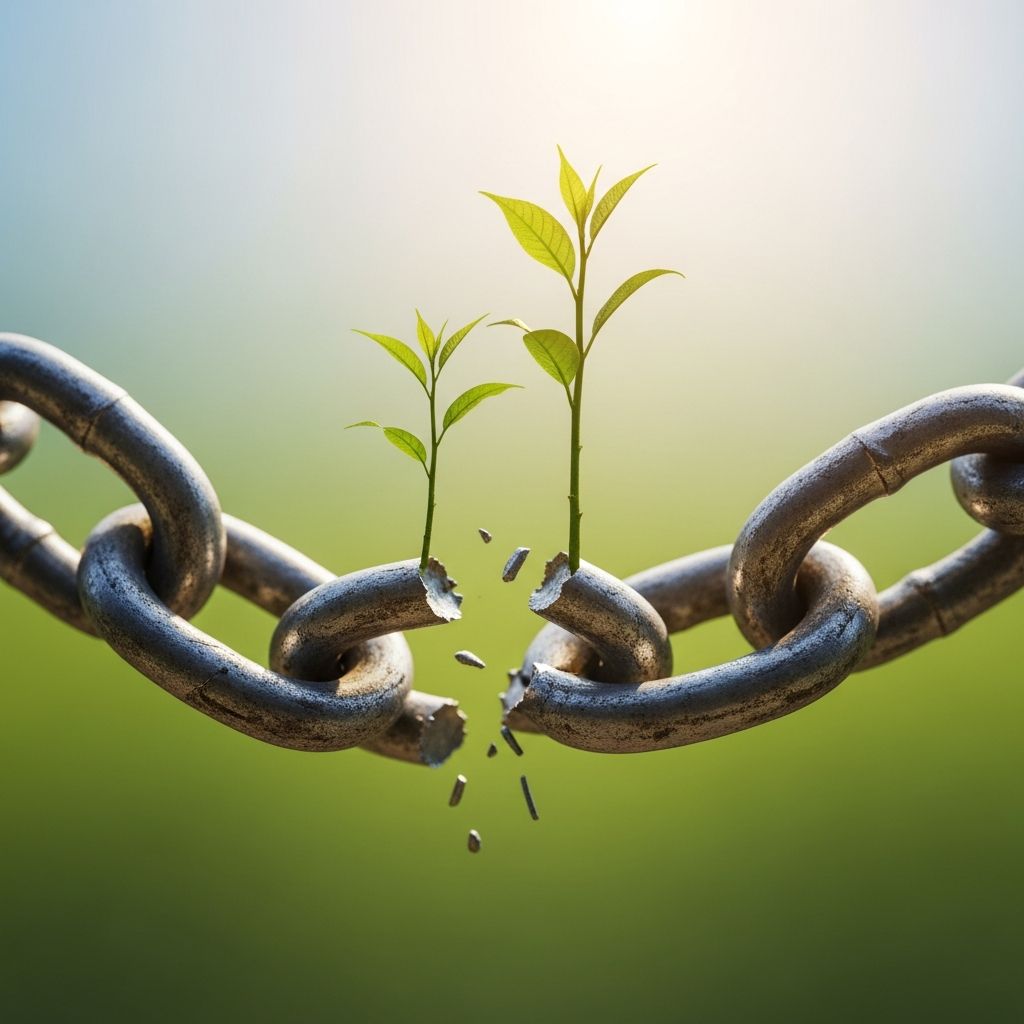
Parents today have a unique opportunity to transform inherited behaviors that shape family life. By consciously addressing patterns passed down from previous generations, caregivers can cultivate environments rooted in empathy, understanding, and mutual respect. This shift not only benefits current children but also establishes a foundation for positive legacies.
Understanding Inherited Parenting Influences
Family dynamics often repeat across generations due to unspoken rules and responses learned in childhood. These influences include reactive discipline methods, emotional suppression, or rigid expectations around achievement and obedience. Recognizing these patterns begins with self-reflection on one’s own upbringing.
Many parents unknowingly replicate strategies like harsh punishments or withholding affection because they mirror what they experienced. However, awareness allows for intentional change, turning potential cycles of stress into opportunities for growth. Studies from organizations like SAMHSA highlight how interrupting these loops through structured programs enhances family resilience.
Signs That Generational Patterns Are at Play
Common indicators reveal when past norms are influencing present parenting. Frequent frustration during routine conflicts, defaulting to criticism over encouragement, or feeling compelled to enforce ‘tough love’ despite doubts are red flags. Children may mirror these by withdrawing emotionally or escalating behaviors.
- Overreacting to minor missteps with yelling or timeouts rooted in fear of spoiling the child.
- Struggling to express vulnerability, leading to disconnected family interactions.
- Imposing privileges or restrictions based solely on personal childhood deprivations.
- Noticing phrases or reactions echoing parental figures from youth.
Observing these cues prompts deeper examination, paving the way for healthier alternatives.
Core Principles for Intentional Parenting Shifts
Effective change relies on foundational ideas drawn from trauma-informed and nurturing frameworks. Prioritize emotional safety by validating feelings rather than dismissing them. Move from control-based authority to collaborative guidance that teaches self-regulation.
| Traditional Approach | Transformed Approach | Benefit |
|---|---|---|
| Punishment for errors (e.g., isolation) | Teaching moments with empathy | Builds trust and skill-building |
| Suppressing emotions | Naming and processing feelings | Enhances emotional intelligence |
| Authoritarian commands | Inviting input and choices | Fosters responsibility and connection |
These principles, supported by long-standing programs, emphasize resilience factors like social bonds and self-awareness.
Practical Tools to Interrupt Negative Cycles
Daily practices make abstract concepts actionable. Start with reflective exercises to unpack childhood memories, identifying which to retain and which to release.
- Daily Reflection Rituals: Dedicate time each evening to note triggers and alternative responses, building self-awareness.
- Emotion Labeling Practice: When upset arises, verbalize it calmly, e.g., “I feel overwhelmed; let’s pause.” Model this for children.
- Family Sharing Circles: Weekly discussions where everyone voices appreciations and ideas, strengthening unity.
- Positive Reframing Journal: Track kind interactions to shift focus from deficits to strengths.
- Playful Connection Moments: Incorporate games and laughter to counter rigidity.
These strategies, inspired by gentle and evidence-based methods, promote lasting behavioral shifts.
Building Emotional Responsiveness in Families
Transitioning from reactivity involves pausing before responding. Trauma-informed methods teach regulation techniques like deep breathing, allowing parents to meet children’s needs with curiosity rather than frustration.
For instance, during tantrums, ask, “What do you need right now?” instead of demanding compliance. This approach views outbursts as signals of unmet needs, teaching problem-solving over power struggles. Over time, it cultivates compassionate self-parenting, healing inherited wounds while modeling healthy habits.
Cultivating New Family Traditions
Replace old scripts with empowering rituals. Create ‘gratitude boards’ where family members post daily wins, or ‘problem-solving huddles’ for collaborative resolutions. These build ownership and joy, countering shame-based legacies.
Encourage children to voice opinions on rules, fostering respect and autonomy. Such traditions transform homes into spaces of growth, where vulnerability is strength.
Overcoming Common Challenges in the Process
Change meets resistance, including self-doubt or external judgments. Partners may clash on methods, or fatigue undermines consistency. Address this by seeking community support, like parenting groups emphasizing these principles.
Progress is nonlinear; celebrate small victories. Research shows consistent empathy-building reduces maltreatment risks, affirming the effort’s value.
Long-Term Benefits for Children and Lineages
Families breaking cycles raise self-aware, resilient individuals free from subconscious burdens. Children develop confidence, better relationships, and adaptive skills. Parents gain freedom to be present, unhindered by past pain.
This ripple effect creates generational gifts: empathy over criticism, connection over control. The outcome is profound—healthier dynamics enduring beyond one lifetime.
Frequently Asked Questions
What is the first step to breaking parenting cycles?
Begin with honest reflection on your childhood experiences and current reactions to identify patterns worth changing.
How does trauma-informed parenting differ from traditional methods?
It focuses on understanding behavior as communication, prioritizing connection and teaching over punishment and fear.
Can breaking cycles happen quickly?
No, it requires ongoing practice, but small daily shifts yield noticeable improvements within weeks.
What if family members resist the changes?
Lead by example, communicate benefits calmly, and involve them gradually in positive rituals.
Are there resources for structured support?
Yes, programs like Nurturing Parenting offer evidence-based curricula endorsed for cycle-breaking.
References
- Break Parenting Cycles with Nurturing Family Tools — Nurturing Parenting. 2023. https://www.nurturingparenting.com/blog/breaking-generational-cycles-using-nurturing-parenting-to-rewrite-family-narratives/
- Generational Patterns: Break them Down to Build You Up — JAI Institute for Parenting. 2023. https://www.jaiinstituteforparenting.com/generational-patterns-break-them-down-to-build-you-up
- Breaking Generational Patterns: Letting Go of Childhood Baggage — Conscious Parenting Revolution. 2023. https://consciousparentingrevolution.com/lets-be-cycle-breakers-together/
- Breaking Generational Cycles with Trauma-Informed Parenting — EdParenting. 2023. https://www.edparenting.com/blog/breaking-generational-cycles-with-trauma-informed-parenting
- 10 Gentle Parenting Tips For Breaking Generational Patterns — Searra Liggett. 2022-03-29. https://searraliggett.com/blog/2022/3/29/10-actions-to-break-generational-patterns-for-a-heathier-family