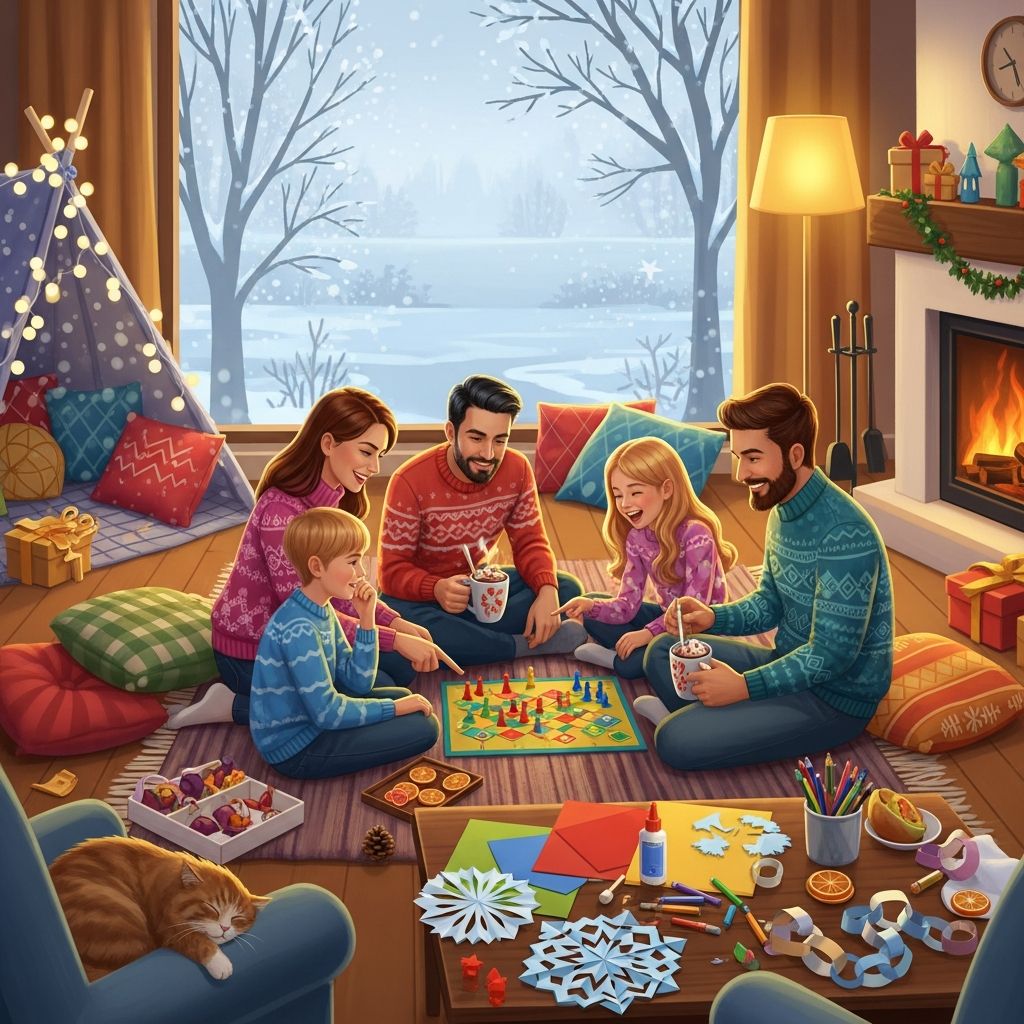
Becoming a parent or grandparent can stir up old memories in powerful and sometimes unexpected ways. When your own childhood included abuse, neglect, or emotional cruelty, welcoming a new baby into the family is not only joyful, but also confronting. It shines a bright light on what you endured and forces a difficult question: Will this child experience what I did, or will the story finally change here?
This article is for people who grew up in abusive or deeply unhealthy families and are now expecting a child or grandchild. It is a guide to choosing safety over secrecy, connection over loyalty to harmful patterns, and courage over automatic guilt. You do not have to parent or grandparent the way you were raised. You are allowed to create a healthier family culture, even if that means upsetting the old one.
Why Abuse Echoes Across Generations
Abuse often travels through families like an echo. The people who hurt you were almost always taught, hurt, or conditioned in similar ways themselves. That does not excuse the harm, but it explains why it feels so difficult to simply “decide to be different” once a baby arrives. You are not only learning how to care for a child; you are also unlearning everything that once defined love, safety, and obedience in your childhood home.
The cycle continues not because people are inherently cruel, but because:
- Unhealed trauma reshapes how adults see danger, disrespect, and control.
- People often repeat what is familiar, even when it is harmful or painful.
- Many families treat abusive behavior as normal, private, or “not that bad,” making it hard to name and interrupt.
Breaking this pattern takes more than good intentions. It requires awareness, strong boundaries, and often outside support. But it is possible. Many families have done it. You can be the one who changes the story for your children and grandchildren.
Recognizing Your Own Family Patterns
Before you can protect a new baby, you need a clear picture of what needs to change. That means looking directly at what happened to you and how it shaped your idea of family. This can be painful, but it is the foundation of real change. Start by exploring a few key questions in a journal or with a trusted friend or therapist.
Questions to Ask Yourself
- How was anger expressed in my childhood home? Was it safe, scary, unpredictable, or ignored?
- What happened when a child made a mistake, cried, or said “no”?
- Were affection and praise given freely, used as rewards, or withheld as punishment?
- Were there topics that were always “off limits”—like money, addiction, mental health, sex, or violence?
- Who had power in the family, and how did they use it?
If you notice a tight chest, tears, anger, or the urge to minimize what you went through, that is a sign this exploration is touching something real. Emotional discomfort does not mean you are exaggerating; it means your body remembers.
Signs Your Parents May Not Be Safe Around Your Child
Many new parents feel pulled between two competing hopes. One hope is that their own parents might transform into gentle, doting grandparents. The other is the fear that nothing has truly changed and that a new child could be exposed to the same cruelty, ridicule, or control. To make wise decisions, you need more than hope; you need a realistic assessment of present-day behavior.
Red Flags in Grandparent Behavior
- They insist they “never did anything wrong” and refuse to acknowledge specific harmful events.
- They call you “too sensitive” whenever you express hurt, confusion, or anger.
- They mock or belittle people who seek therapy, talk about trauma, or set boundaries.
- They have a pattern of yelling, shaming, name-calling, or humiliating children when frustrated.
- They frequently ignore your parenting decisions, saying things like, “In my house we do it my way.”
- They use gifts, money, or babysitting offers as leverage to control your choices.
One or two minor disagreements about parenting do not automatically make someone unsafe. But persistent denial of past harm, refusal to respect boundaries, and ongoing emotional volatility are serious warning signs. Your duty is not to their comfort. Your duty is to your child’s safety and emotional well-being.
Emotional Conflicts New Parents Often Face
When an abusive parent becomes a grandparent, the emotions are rarely simple. You may feel grief for the gentle childhood you never had, envy when you see them cuddle your baby, and rage that they can suddenly be kind now. You may also feel guilty for being angry, especially if other family members pressure you to “let the past go” now that a baby is here.
Common inner conflicts include:
- Loyalty versus protection: Wanting to defend or excuse your parents because they “did their best” while knowing they hurt you.
- Hope versus reality: Hoping a grandchild will magically heal them, despite seeing no real behavioral change.
- Fear of being “unfair”: Worrying you are punishing them for old behavior even when they now act “nice” on the surface.
- Pressure from relatives: Being told that limiting contact is cruel or selfish, even when your safety concerns are valid.
These feelings do not mean you are confused about what happened; they mean you are human. You can love people, remember their good traits, and still decide they are not safe with your child.
Setting Boundaries Without Apologizing
Boundaries are not punishments; they are protective fences you build around what matters most. In this season of life, what matters most is your child’s safety and your ability to parent without sabotage or fear. You do not owe anyone unlimited access to your child, including your own parents.
Types of Boundaries You Might Set
- Emotional boundaries: “We will not tolerate yelling, name-calling, or shaming language toward anyone in our home.”
- Behavioral boundaries: “No physical punishment is allowed. If that happens, visits will end immediately.”
- Access boundaries: “We are not comfortable with unsupervised visits right now. All time with the baby will be with us present.”
- Communication boundaries: “We won’t discuss our parenting decisions via group texts with extended family.”
- Contact level boundaries: “At this time, we’re limiting visits to short, planned interactions, not drop-ins.”
You do not have to justify or debate your boundaries endlessly. A short explanation is kind; an ongoing argument is not required. People who genuinely want to be part of your child’s life will adjust. People who care more about control than connection will protest loudly—and their reaction will actually confirm why the boundary was needed.
Sample Boundary Scenarios and Responses
The hardest part of boundaries is often the first conversation. Many people from abusive backgrounds freeze, fawn, or back down when confronted. Preparing language ahead of time can make that moment less overwhelming. Below is a simple table with examples of common situations and possible responses.
| Situation | What You Might Say |
|---|---|
| Your parent demands unsupervised babysitting. | “We’re not doing unsupervised care right now. If that changes in the future, we’ll let you know. Our decision is not open for debate.” |
| They mock your gentle or respectful parenting style. | “You raised children your way; this is ours. You don’t have to agree, but you do have to respect it if you want to be involved.” |
| They say you’re being dramatic about the past. | “My memories and feelings about my childhood are not up for argument. We can have a relationship only if that is respected.” |
| They use guilt, e.g., “You’re keeping my grandbaby from me.” | “We’re protecting our child and our mental health. Time with the baby is a privilege, not a right, and it depends on healthy behavior.” |
These phrases are not scripts you must follow. They are starting points. Adapt them to your tone and comfort level, and remember: calm repetition is more powerful than over-explaining.
When Limited Contact or No Contact Is Necessary
There are times when no amount of “talking it through” will make your parents safe to be around your child. If they continue to be violent, manipulative, or emotionally destructive, the healthiest option may be limited contact or complete estrangement. This decision is heavy, especially in cultures or families where loyalty to parents is considered sacred.
You might move toward low or no contact when:
- They repeatedly violate clear boundaries after being told the consequences.
- They actively undermine your parenting by bribing, shaming, or confusing your child.
- They threaten self-harm, disownment, or financial punishment if you do not comply.
- They deny or laugh off serious past abuse and insist you are lying or inventing things.
- You notice your mental health collapsing after interactions—panic attacks, nightmares, or depression.
Choosing distance is not an overreaction when someone refuses to stop causing harm. It is an act of protection. It will likely bring grief, but grief over a relationship you never had is not the same as guilt for the harm you are preventing.
Building a New Model of Family
Breaking a cycle is not only about what you say “no” to; it is also about what you say “yes” to. As a parent or grandparent, you can design a different emotional environment for your child than the one you grew up in. Think of yourself as the architect of a new family atmosphere.
Core Values for a Healthy Family Culture
- Safety: No hitting, threats, or deliberate humiliation, ever.
- Emotional honesty: Children are allowed to feel angry, sad, or scared without being punished for it.
- Repair: Adults apologize when they mess up and model how to make things right.
- Respect: Adults and children are spoken to with dignity, even in conflict.
- Boundaries: Everyone’s “no” is taken seriously, including yours.
These values are not about being a perfect parent or grandparent. You will get tired, snap, and sometimes fall back into old reactions. What matters is what happens next. Do you double down and blame the child, or do you pause, apologize, and try again differently?
Practical Ways to Break the Cycle
Abusive patterns are made up of tiny, repeated moments. So is healing. You do not have to fix everything at once; you can focus on simple, daily shifts that slowly rewrite your family’s emotional DNA. Here are some concrete practices to get started.
Daily Practices for Parents and Grandparents
- Use gentle touch: Hugs, hand squeezes, and soft pats can help rewire your own nervous system as well as your child’s.
- Name feelings out loud: “You’re really frustrated right now” or “I see you’re sad” teaches that emotions are acceptable and understandable.
- Pause before reacting: When triggered, step away, breathe, or count slowly before responding.
- Celebrate effort, not perfection: Praise kindness, curiosity, and persistence instead of only results.
- Ask for consent in small ways: “Can I give you a hug?” models respect for body and boundaries.
Over time, these practices create an inner sense of safety and trust in children that your younger self likely never had. That shift alone can transform the course of an entire lineage.
The Role of Therapy and Support
Trying to break generational patterns alone can feel like learning a new language without a teacher. You may get stuck in shame, freeze in conflicts, or doubt your own memories. Professional support is not a sign that you are broken; it is a sign that you are serious about doing better than what was done to you.
Support Options to Consider
- Individual therapy: Process trauma, learn regulation skills, and practice healthier communication.
- Couples or co-parenting counseling: Get aligned on boundaries, discipline, and handling in-laws.
- Support groups: Connect with others who are low-contact or estranged from abusive family members.
- Parenting classes: Learn practical, nonviolent discipline tools if you never saw them modeled.
It is common to feel guilty spending money or time on your healing. Remember that every bit of work you do on yourself directly benefits your child and grandchild. Investing in you is investing in them.
Frequently Asked Questions
Is it wrong to let my parents be involved if they hurt me growing up?
Not necessarily. What matters most is their current behavior and willingness to respect boundaries. Some people genuinely change, seek help, and become safe, caring grandparents. Others remain defensive and harmful. You are not obligated to cut someone off if you feel safe with them now, but you are also not obligated to allow access simply because they share DNA. Your responsibility is to notice reality as it is today, not as you wish it were, and to act accordingly.
How do I handle relatives who accuse me of being cruel for limiting contact?
Relatives often know only part of the story, or they are invested in preserving the illusion of a “normal” family. You do not have to convince them. A simple response like, “We’re making the decisions that are healthiest for our household,” is enough. If they keep pushing, it is appropriate to limit conversations about your boundaries with them too. People who care more about appearances than safety rarely make good advisors.
What if my child someday asks why they don’t see their grandparents?
Children deserve honest but age-appropriate explanations. When they are young, you might say, “Some people in our family are not safe to be around, so we keep distance to protect everyone.” As they grow, you can share more context, always with the focus on safety and responsibility rather than hatred. The goal is not to recruit your child into your pain, but to model that it is okay to draw lines around harmful behavior—even with relatives.
Am I doomed to repeat what I experienced, even if I try hard not to?
No. You will occasionally hear your parents’ words come out of your own mouth or feel rage that frightens you. But noticing those moments and choosing a different next step is exactly what breaking the cycle looks like. You are not defined by your first reaction. You are defined by what you practice over time: repair, reflection, and new choices.
What if my abusive parent dies before we reconcile?
It is common to feel a strange mix of relief, grief, and unfinished business. Reconciliation requires safety, accountability, and mutual effort; sometimes that never happens, and that is not your fault. Healing can continue without the other person’s participation. You can mourn the parent you wish you had while still building a loving life for your child and grandchild.
Your Story Can End Differently
You did not choose the family you were born into, the patterns you absorbed, or the harm you survived. But with each boundary, each moment of self-awareness, and each gentle interaction with your child or grandchild, you are choosing something new. You are becoming the person younger you needed, and the protector your child deserves.
Breaking the cycle of abuse is not a single decision or conversation. It is an ongoing practice of refusing to sacrifice the next generation on the altar of old loyalties and unhealed wounds. It will sometimes feel lonely, unfair, and exhausting. It will also be one of the most loving, world-changing choices you ever make. The story does not have to end the way it started. With you, it can turn toward safety, dignity, and real love.