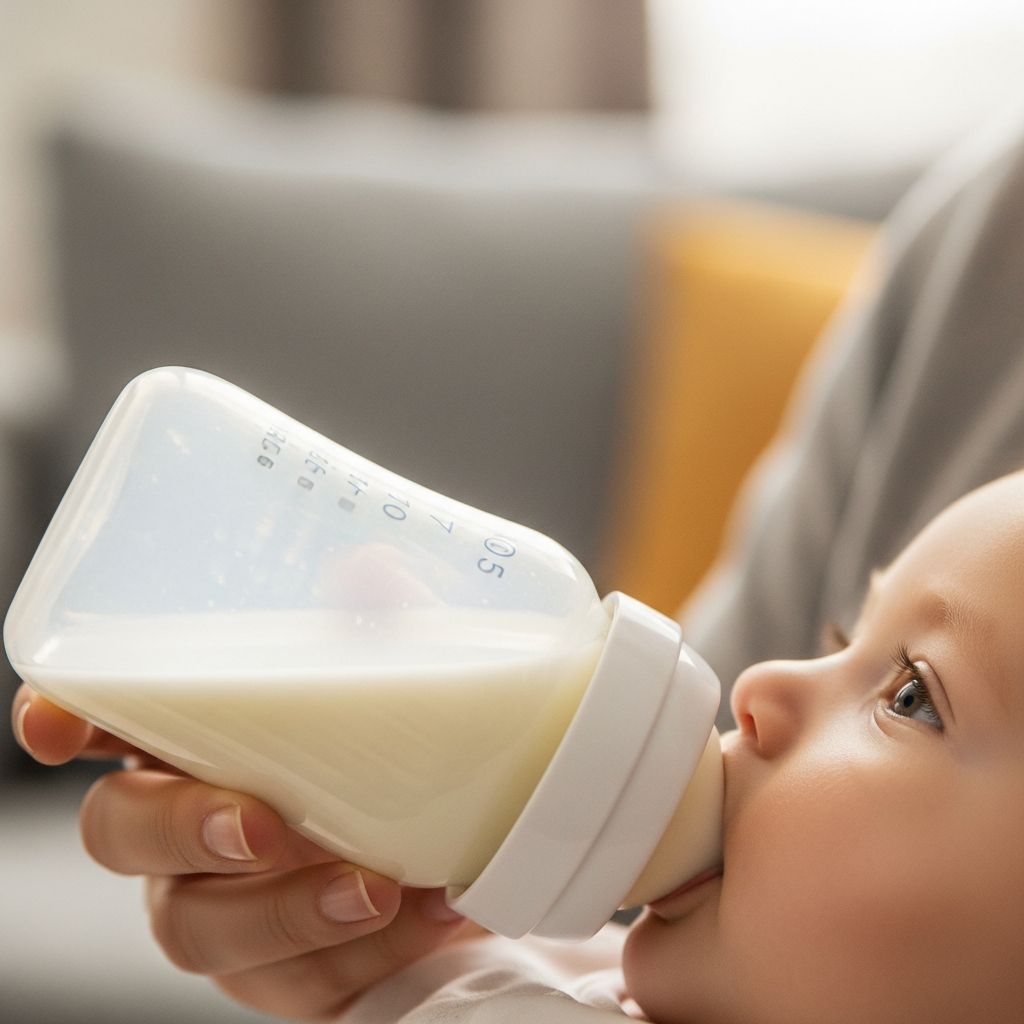
Bottle feeding, whether with formula or expressed breast milk, is a practical choice for many families. Yet, persistent myths can create unnecessary stress and guilt. This article separates fact from fiction, drawing on reliable research to affirm that bottle-fed babies can thrive just as well as their breastfed peers.
Understanding the Realities of Infant Nutrition Choices
Every parent wants the best for their baby, but feeding decisions are deeply personal. While breastfeeding offers unique benefits like tailored immunity support, modern infant formulas are engineered to mimic many of these advantages, providing complete nutrition for growth and development. Studies confirm that formula-fed infants develop normally, with no long-term deficits in health or cognition when properly nourished.
The key is informed choice. Factors like work schedules, medical conditions, or supply issues often lead to bottle feeding, and about 55% of mothers incorporate formula at some point. Debunking myths helps parents focus on responsive feeding—watching hunger cues and ensuring safe preparation—rather than societal pressures.
Myth 1: Bottle-Fed Babies Miss Out on Strong Bonding
A common belief is that bonding only happens during breastfeeding, leaving bottle feeders at a disadvantage. In reality, emotional connections form through eye contact, skin-to-skin touch, and responsive interaction, regardless of feeding method.
- Skin-to-skin during bottle feeds promotes oxytocin release, fostering attachment just like nursing.
- Talking, singing, or gazing into your baby’s eyes while feeding builds the same secure bond.
- Multiple caregivers can participate, strengthening family ties and giving parents breaks.
Experts emphasize that dedication, not delivery method, defines parenting quality. Bottle feeding allows shared responsibilities, reducing burnout and enhancing overall family well-being.
Myth 2: Formula Lacks the Nutritional Edge of Breast Milk
Many assume formula is inferior, potentially stunting growth or health. However, today’s formulas include DHA, ARA, and prebiotics for brain development, immunity, and digestion—nutrients once exclusive to breast milk.
Breast milk dynamically adapts to a baby’s needs, shifting from colostrum to mature milk with infection-fighting antibodies. Formulas can’t replicate this perfectly but meet FDA standards for complete nutrition, supporting normal milestones. A British Medical Journal study of siblings found no IQ differences between breastfed and formula-fed children from the same mother, challenging cognitive superiority claims.
| Nutrient | Breast Milk Benefit | Formula Equivalent |
|---|---|---|
| Immunoglobulins | Reduces infections | Prebiotics/probiotics for gut health |
| DHA/ARA | Brain/eye development | Added fatty acids |
| Lactose | Energy source | Primary carbohydrate |
While breastfed babies may have slightly lower risks for issues like ear infections (a 2% reduction per a 2016 study), proper formula use minimizes gaps.
Myth 3: Nipple Confusion Derails Breastfeeding Efforts
Fear of ‘nipple confusion’ discourages early bottle introduction. Evidence shows most babies adapt easily to both breast and bottle, especially if introduced between 2-6 weeks.
Gradual combo feeding—starting with breast milk in bottles—eases transitions. Having someone else offer the bottle can help, as babies associate mom with nursing. Responsive pacing, mimicking breast flow, prevents flow preference issues.
- Use slow-flow nipples to match breastfeeding rhythm.
- Alternate feeding methods to maintain supply if combo feeding.
- Most infants switch seamlessly without refusal.
Myth 4: Reusing Leftovers Is Fine and Saves Money
It’s tempting to reheat unfinished bottles, but this risks bacterial growth. Saliva introduces microbes that multiply in leftover milk or formula, even refrigerated.
Guidelines from health authorities: discard uneaten portions after one hour at room temperature or four hours refrigerated. Always prepare fresh to ensure safety. This practice prevents digestive upset and supports optimal nutrition intake.
Myth 5: Bottle Feeding Guarantees Better or Worse Sleep
Some claim formula’s ‘heavier’ nature promotes longer sleep stretches; others say breastfed babies sleep better. Truth: sleep varies by individual temperament, age, and routine—not feeding type.
A small 2003 study hinted at quicker night-sleep training with formula, but larger reviews find no causation. Establish consistent bedtime rituals for all babies: dim lights, swaddling, and full feeds.
Myth 6: Formula Causes More Health Problems Like Obesity or Allergies
Concerns about obesity, allergies, or digestive woes plague formula users. Modern formulas use digestible ingredients to mimic breast milk’s gentleness. Breastfed infants may have modest protections (e.g., lower SIDS, asthma risks), but formula-fed babies aren’t ‘doomed’—lifestyle factors matter more long-term.
Choose iron-fortified formulas to prevent anemia, and monitor portions to match cues, curbing overfeeding myths.
Combo Feeding: The Flexible Middle Ground
You can blend breastfeeding and formula seamlessly. Pumped breast milk via bottle retains benefits while allowing flexibility. This ‘best of both’ approach suits working parents or low-supply scenarios.
Tips for success:
- Pump during would-be feedings to maintain supply.
- Supplement after nursing if needed.
- Track intake to ensure balance.
Practical Tips for Safe and Effective Bottle Feeding
Success hinges on technique:
- Preparation: Follow exact mixing ratios; boil water if required.
- Storage: Refrigerate prepared formula up to 24 hours; warm gently, never microwave.
- Feeding: Hold baby upright, pause for burps, stop at cues.
- Cleaning: Sterilize bottles daily until 3 months.
Modern options like organic or hypoallergenic formulas cater to sensitivities. Consult pediatricians for personalized advice.
Frequently Asked Questions (FAQs)
Can bottle-fed babies be just as healthy as breastfed ones?
Yes, with quality formula and care, they achieve similar growth, development, and health outcomes.
Does bottle feeding mean less parental dedication?
No, love shows in attentiveness, not method. Bottle feeding enables shared caregiving[13 from search, but using 3].
Is it safe to switch between breast and bottle frequently?
Most babies handle it well; introduce gradually to avoid preferences.
Will formula make my baby gassy or colicky?
Gentle formulas reduce issues; burping and paced feeding help all babies.
How do I know if my baby is getting enough from the bottle?
Look for 6-8 wet diapers daily, steady weight gain, and contentment post-feed.
Empowering Your Feeding Journey
Free from myths, parents can choose confidently. Whether exclusive bottle, combo, or breast, nourished babies and supported caregivers create thriving families. Prioritize joy, connection, and health—your baby benefits most from that.
References
- Myth Busters: Debunking 5 Infant Nutrition Myths — Infant Nutrition Council. Accessed 2026. https://infantnutrition.org/myth-busters-debunking-5-infant-nutrition-myths/
- Breastfeeding facts: 11 myths debunked — Children’s Health. Accessed 2026. https://www.childrens.com/health-wellness/breastfeeding-facts-myths-debunked
- 5 Baby Formula Myths You Need to Drop Today — Formuland. Accessed 2026. https://formuland.com/blogs/news/5-baby-formula-myths-you-need-to-drop-today
- 14 Baby Formula Myths Debunked — MyEuromall. Accessed 2026. https://myeuromall.com/blogs/news/14-baby-formula-myths-debunked-what-every-parent-needs-to-know
- The Top 15 Formula Myths, Debunked — Organic Formula Shop. Accessed 2026. https://organicformulashop.com/blogs/news/the-top-15-formula-myths-debunked
- 5 Myths About Formula-Feeding, Debunked — The Bump. Accessed 2026. https://www.thebump.com/a/formula-feeding-myths-debunked