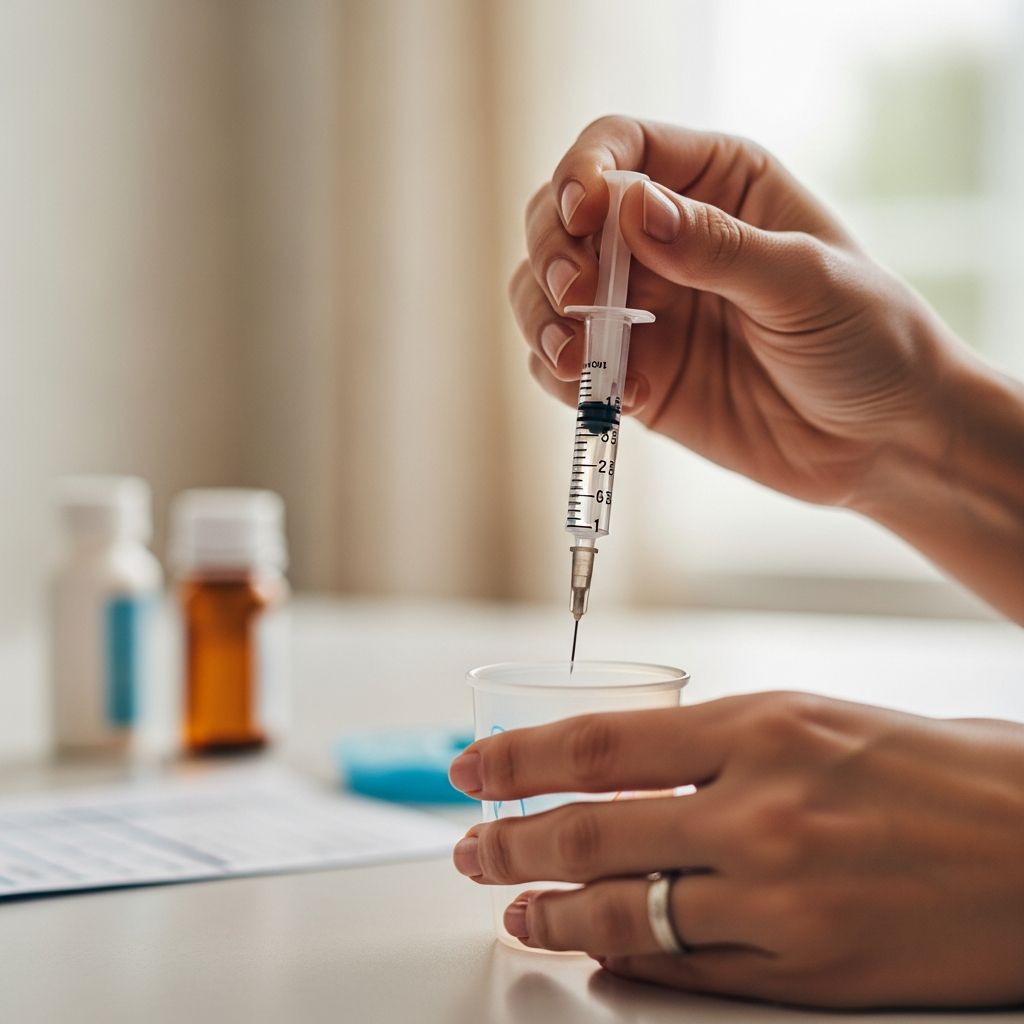
When a child needs medicine, the amount and timing really matter. A bolus dose is a special way of giving a single, larger dose of medicine to work at a specific time or to act quickly when it is most needed. Understanding how and why bolus doses are used helps parents support treatment safely and confidently.
What Is a Bolus Dose?
In everyday language, a bolus dose is a one-time, larger amount of a medicine given all at once, usually over a short period of time, instead of spreading it out in many small doses. In children’s health care, this term is often used when talking about insulin for diabetes, but it can also apply to other medicines.
- A bolus dose is a single, focused dose rather than a slow, steady drip.
- It is usually timed to match a specific need, like a meal or a sudden rise in blood glucose.
- The goal is to get the medicine working at the right strength and at the right time.
Health care teams use bolus doses when they want a clear, targeted effect instead of a gentle, continuous one. For example, some children with diabetes receive an insulin bolus at meals to keep blood sugar from rising too high.
Bolus vs. Ongoing Doses
Many treatment plans use both bolus doses and smaller, ongoing doses of medicine. These two approaches work together but serve different purposes.
| Type of dosing | How it is given | Purpose |
|---|---|---|
| Bolus dose | A single, larger dose given at one time | Handles a specific need, such as a meal or a spike in symptoms |
| Basal or ongoing dose | Small amounts given slowly over time (for example, long-acting insulin) | Maintains steady background control between meals and overnight |
Thinking of these two approaches as a team can help. The ongoing dose keeps things steady in the background, while the bolus dose steps in when there is a specific event, like eating or a sudden change in a child’s condition.
How Bolus Doses Fit Into Diabetes Care
In diabetes, the body has trouble using insulin to manage blood sugar. When a child eats, the carbohydrates in food raise blood glucose. A bolus dose of insulin is often used to help the body handle that rise. The amount of insulin is carefully calculated so that blood sugar comes back toward a safe range after eating.
- The bolus dose is usually tied to the amount of carbohydrate in the meal or snack.
- It may also be adjusted based on the current blood sugar reading.
- Some children take bolus insulin as an injection, while others receive it through an insulin pump.
Parents and older children learn to match food, activity, and insulin so that blood sugar stays as steady as possible. A bolus dose is one of the main tools in this daily balancing act.
Ways Bolus Insulin Can Be Given
There is more than one way to give a bolus dose of insulin, and each method has benefits. The diabetes care team will help families choose the option that works best for the child’s age, routine, and comfort level.
Injection bolus
Some children receive a bolus dose of insulin as an injection shortly before eating. The dose amount is usually written in the care plan and may be adjusted based on blood sugar numbers or food eaten.
- Parents or caregivers draw up the insulin in a syringe or use an insulin pen.
- The shot is typically given in areas with fatty tissue, such as the thigh, abdomen, or upper arm.
- Children often find it helpful to follow a routine so that they know what to expect.
Insulin pump bolus
With an insulin pump, the child wears a small device that delivers insulin through a thin tube placed under the skin. The pump can be programmed to give a bolus dose when it is time to eat or when blood sugar is high.
- The pump lets families enter the current blood sugar and the amount of carbohydrate.
- The device calculates the bolus dose based on the settings programmed by the care team.
- Parents still need to double-check that the information going into the pump is correct.
Insulin pumps can make bolus dosing more flexible. For example, if a child eats over a longer period of time, some pumps can spread the bolus out, giving part up front and part later. Families should follow the specific instructions from their child’s diabetes team.
Factors That Affect a Bolus Dose
Health professionals do not choose a bolus dose at random. They look at the whole picture of the child’s health and everyday life. This includes laboratory results, growth, typical meals, and activity patterns. Parents also play an important role by sharing details about what life is really like at home, school, and activities.
- Age and size: Younger or smaller children usually need different amounts than teenagers and adults.
- Meal content: Carbohydrates are the main drivers of bolus insulin, but protein and fat can also influence how blood sugar changes over time.
- Current blood sugar: If blood sugar is already high, there may be an extra amount added to bring it down; if it is low, the bolus may be reduced or delayed.
- Upcoming activity: Exercise can lower blood sugar, so doses may need to be adjusted when a child is going to be very active.
Because so many factors are involved, it is normal for families to need practice and support at the beginning. Over time, most parents and older children become more confident judging when a bolus needs to be changed and when to ask the care team for advice.
Safety Tips for Parents Using Bolus Doses
Bolus doses can be very effective, but they must be used carefully. Small mistakes can lead to blood sugar that is too low (hypoglycemia) or too high (hyperglycemia). Following clear safety habits helps protect children and lowers stress for families.
- Always check the medicine label before giving a bolus dose.
- Use the measuring devices supplied or recommended by the care team.
- Check recent blood sugar readings when the bolus is related to diabetes care.
- Record the dose and the time it was given in a log or app, especially when more than one adult is involved in care.
- Store insulin and other medicines at the correct temperature and away from children who are too young to use them safely.
Families should know the signs of low and high blood sugar and have a clear action plan. This often includes when to give fast-acting carbohydrates, when to repeat a glucose check, and when to call the doctor or seek emergency help.
Common Challenges and Practical Solutions
Even with a good plan, real life can make bolus dosing tricky. Children can be fussy eaters, schedules change, and illnesses happen. Preparing for these challenges ahead of time can make them easier to handle.
- Unpredictable eating: Young children may not finish meals. Some families wait until a child has eaten most of the food before giving part or all of the bolus dose, based on the care team’s guidance.
- Parties and special events: Extra treats and excitement can throw off usual patterns. Planning in advance, checking blood sugar more often, and adjusting doses with guidance can help.
- Illness: When a child is sick, appetite and blood sugar may both change. Families should have written “sick day” instructions that explain how to adjust bolus doses or when to seek help.
- School and activities: Teachers, coaches, and school nurses may need written instructions about when bolus doses are given and how to respond to symptoms of low or high blood sugar.
Good communication between home, school, and the health care team keeps everyone on the same page. Sharing any patterns or frequent problems helps the team fine-tune bolus dosing instructions.
Helping Children Take Part in Their Care
As children grow, they can gradually become more involved in decisions about bolus doses, under adult supervision. Learning how bolus dosing works can help them feel more in control and less anxious about their condition.
- Use age-appropriate language to explain why a bolus dose is needed before meals.
- Let older children help count carbohydrates or enter values into the insulin pump.
- Encourage questions and listen to any fears or concerns about injections or devices.
- Celebrate small successes, such as remembering to check blood sugar before eating.
Building these skills slowly helps prepare teenagers for more independence later on. Parents and caregivers can still oversee decisions and double-check doses, especially during busy or stressful times.
Questions to Ask Your Child’s Health Care Team
Every child is different, so bolus dosing plans should be personalized. Parents should feel comfortable asking detailed questions until they understand each step. Writing questions down before visits can make it easier to remember them.
- How do we calculate the bolus dose for a typical meal, and what should we do if our child eats more or less than expected?
- How should we adjust bolus doses for sports, sleepovers, or long car trips?
- What signs tell us that doses might be too high or too low?
- How often should we send you blood sugar logs so you can review patterns?
- Who should we call after office hours if we have urgent questions about bolus dosing?
Clear, written instructions help families feel more confident when they leave the clinic. Many teams also offer phone, email, or portal support between visits to answer questions about bolus dosing and other parts of diabetes management.
Sample Daily Flow With Bolus Doses
Although every family’s routine looks different, the outline below shows how bolus doses might fit into a typical day for a child using insulin. This is just an example; families should always follow the plan provided by their own care team.
| Time of day | Possible actions |
|---|---|
| Breakfast | Check blood sugar, count carbohydrates, give a bolus dose before or right after eating as instructed. |
| Mid-morning | Monitor for signs of low blood sugar; give snack if needed based on activity and previous bolus. |
| Lunch | Repeat blood sugar check, count carbohydrates, and administer lunchtime bolus dose. |
| Afternoon | Adjust snacks or activity based on how the child feels and recent readings; occasional correction bolus if prescribed. |
| Dinner | Blood sugar check, carbohydrate counting, and dinner bolus dose. |
| Bedtime | Final blood sugar check, review of the day’s doses, and preparation for the next day. |
Over time, parents often learn to anticipate when their child might need extra checks or adjustments. Keeping a written or digital log makes it easier to spot patterns and share them with the health care team.
Frequently Asked Questions About Bolus Doses
Is a bolus dose always related to diabetes?
No. The term bolus can refer to any single, larger dose of medicine given at one time. In children’s health, however, families most often hear the word when talking about insulin and blood sugar control.
How soon before eating should a bolus of insulin be given?
The timing depends on the type of insulin and the child’s specific plan. Some fast-acting insulins are given shortly before a meal, while other situations may call for giving the bolus right as the child starts eating. The diabetes team will give precise directions for timing.
What happens if a bolus dose is missed?
If a child forgets a mealtime bolus, blood sugar may rise higher than usual. Parents should follow the instructions given by the care team, which may include checking blood sugar, giving a late bolus at a reduced amount, or waiting until the next scheduled dose, depending on how much time has passed and current readings.
Can a bolus dose be changed without talking to the doctor?
Some care teams provide written rules for small adjustments, such as changing a dose slightly based on blood sugar or food intake. Larger changes to the overall plan should be made only with guidance from the health care team to keep treatment safe.
How can families keep track of all the bolus doses?
Many families use smartphone apps, pump downloads, or paper logs to record doses, times, and blood sugar readings. Reviewing these records together at appointments helps the care team refine bolus and basal dosing to better fit the child’s daily life.
Key Takeaways for Parents
Bolus doses are a powerful tool for managing conditions like diabetes, especially around meals and times when blood sugar may change quickly. When parents understand what a bolus is, how it is calculated, and how it fits into the larger treatment plan, they can support their children with more confidence and less stress. Working closely with the health care team, asking questions, and building routines at home all help make bolus dosing safer and more manageable for the whole family.