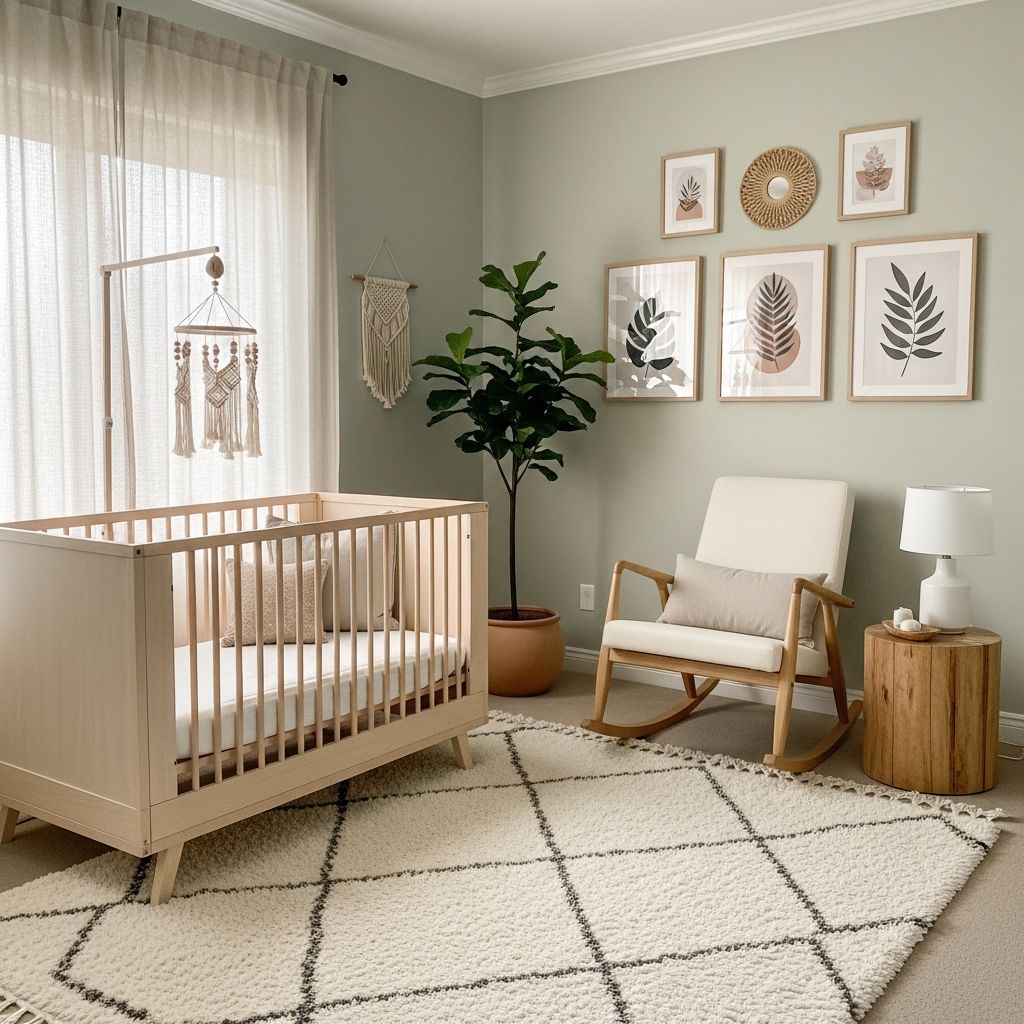
Understanding the Bohemian-Minimalist Fusion
The intersection of bohemian and minimalist design philosophies offers a unique approach to creating nursery spaces that feel both intentional and serene. While bohemian style celebrates eclecticism, natural textures, and artistic expression, minimalism emphasizes simplicity, functionality, and the elimination of excess. When thoughtfully combined, these two approaches create environments that are warm without being overwhelming, artistic without becoming cluttered, and deeply calming for both infants and caregivers.
This hybrid design philosophy recognizes that babies benefit from spaces that are visually soft and emotionally soothing, while parents need functional rooms that are easy to maintain and navigate during countless late-night routines. The bohemian-minimalist aesthetic achieves this balance by selecting meaningful design elements that serve both aesthetic and practical purposes.
Establishing Your Foundation with Color
The color palette forms the backbone of any successful bohemian-minimalist nursery. Rather than adopting the full spectrum of traditional boho design, this approach relies on a carefully curated selection of muted, earthy tones that provide visual interest without sensory overstimulation.
Begin by selecting one dominant neutral tone as your primary wall color. Soft cream, warm beige, pale greige, or gentle white serve as excellent foundational choices. These base colors create a calming backdrop that allows other elements to breathe and prevents the room from feeling chaotic. The key is choosing a neutral that feels warm and inviting rather than sterile or cold, as this supports the bohemian aspect of your design.
Introduce secondary accent colors in muted earth tones such as soft sage green, dusty terracotta, warm tan, or gentle slate blue. These colors should appear in limited quantities through textiles, artwork, or small decorative pieces rather than covering large wall surfaces. This restraint keeps the space feeling minimalist while honoring bohemian style’s connection to nature-inspired hues.
Selecting Textiles with Intentionality
Textiles play a crucial role in the bohemian-minimalist nursery, providing warmth, texture, and visual interest while maintaining the simplicity that minimalism demands. The approach focuses on quality over quantity, with each textile serving a clear function or purpose.
Begin with essential textiles: crib sheets, a lightweight blanket, and perhaps a single decorative pillow. Choose natural fibers such as organic cotton, linen, or bamboo, which align with both bohemian values and minimalist preferences for natural, non-toxic materials. Limit your textile color palette to two or three coordinating tones from your established color scheme.
A patterned area rug grounds the nursery and adds textural depth without visual chaos. Select a rug with simple geometric patterns or subtle botanical motifs rather than busy, multi-colored designs. The rug should be appropriately sized for the room—large enough to define the space but not so expansive that it overwhelms the nursery’s proportions.
Consider incorporating one textile element with meaningful bohemian character, such as a macramé wall hanging, a woven basket, or a linen tapestry featuring natural imagery. This single statement piece provides the bohemian soul while the surrounding simplicity prevents the space from feeling overdone.
Furniture That Combines Form and Function
The bohemian-minimalist nursery prioritizes furniture that is both beautiful and essential. Rather than filling the room with numerous pieces, each furniture item should earn its place through functionality and aesthetic appeal.
Choose a crib with clean lines and natural wood construction, preferably in warm, honey-toned finishes. Modern wood cribs with minimal ornamentation align perfectly with this design philosophy, providing the organic warmth bohemian style celebrates while maintaining the simplicity minimalism requires. Avoid cribs with excessive spindles, ornate details, or artificial finishes.
Include a comfortable chair or rocker for nighttime feedings and bonding moments. This piece can incorporate more bohemian character through woven details, natural fibers, or a subtle pattern, as it serves an intimate purpose. Position it in a corner to create a cozy nook without dominating the room’s visual landscape.
A low dresser or changing table in natural wood provides necessary storage while maintaining sight lines and visual openness. Natural wood furniture creates continuity with the crib and other elements while contributing to the bohemian aesthetic through its organic material and warm tones.
Incorporating Nature Through Purposeful Elements
Bohemian design celebrates nature, but minimalist principles require that natural elements be thoughtfully selected rather than abundant. This balance elevates the nursery’s connection to the natural world without creating a jungle-like environment.
Live plants can be included in the nursery if they are non-toxic and carefully chosen. Pothos, spider plants, or bird’s nest ferns in simple ceramic or woven pots add life and air-purifying qualities. Position plants on high shelves away from the crib to prevent them from becoming hazards. Limit yourself to one or two well-maintained plants rather than covering every surface.
Botanical artwork provides another avenue for nature connection without the maintenance requirements of living plants. A single large-scale print featuring botanical illustrations or a subtle landscape can serve as a focal point while maintaining the minimalist principle of restraint. Alternatively, several small framed prints arranged in a loose grid create visual interest without overwhelming the walls.
Natural wood elements beyond furniture, such as wooden picture frames, simple wooden shelving, or a natural wood accent wall, reinforce the bohemian connection to organic materials while contributing to the overall sense of calm.
Lighting That Creates Ambiance
Lighting significantly influences the nursery’s atmosphere and plays an important role in the bohemian-minimalist design. Rather than multiple light sources, focus on creating layered lighting with fewer, more intentional fixtures.
A soft overhead fixture provides necessary general illumination during daytime and diaper changes. Look for designs with natural materials such as woven or rattan shades that diffuse light gently and contribute bohemian warmth.
Include a dimmable bedside lamp or small wall-mounted sconce for nighttime caregiving. Warm-toned bulbs (around 2700K color temperature) create a soothing atmosphere that supports the bohemian aesthetic while minimizing sleep disruption. The ability to dim lighting acknowledges minimalism’s principle of functionality and intentional use.
Consider a simple string of warm fairy lights or a small nightlight in a natural material, used sparingly. These elements should enhance the room’s peaceful quality rather than add visual clutter.
Wall Treatments and Focal Points
The walls represent significant real estate in nursery design and deserve thoughtful consideration to avoid creating a space that feels either too bare or too busy.
A single accent wall can feature subtle wallpaper with fine botanical line drawings, geometric patterns, or watercolor effects in muted tones. This approach provides visual interest and a focal point without overwhelming the entire room. The key is selecting wallpaper with restraint—simple patterns rather than dense, colorful designs.
Alternatively, keep walls simple with your chosen neutral paint color and add interest through carefully selected wall art. A single large piece or a small, intentionally arranged gallery of three to five framed prints creates focus without clutter. Artwork should reflect natural themes or abstract designs in your color palette.
Wall-mounted storage such as floating shelves in natural wood can display a few carefully selected books, small plants, or decorative objects. The minimalist principle of displaying fewer items means these shelves remain visually open and calm rather than densely packed.
Organizing Storage Mindfully
Successful bohemian-minimalist design requires smart storage solutions that keep essential items accessible while maintaining visual order. This balance prevents the nursery from becoming either cluttered or feeling sterile.
Use natural woven baskets under the changing table or crib to store diapers, wipes, and supplies. These baskets contribute bohemian texture while containing items that might otherwise create visual chaos. Label baskets with simple tags to maintain organization without adding complexity.
Wall-mounted shelving stores frequently used items while freeing up floor space. Maintain open space on shelves rather than filling them completely, allowing the eye to rest on the beautiful wood or wall color.
Drawers within furniture pieces store items out of sight, supporting minimalist principles. Group similar items together and use dividers to maintain order without requiring permanent installations.
Creating Spaces for Comfort and Connection
Beyond aesthetic considerations, the bohemian-minimalist nursery should include thoughtful spaces that support caregiving and bonding. These areas can incorporate bohemian warmth while maintaining overall simplicity.
A defined reading corner with a comfortable chair, a basket of carefully selected books, and soft lighting creates a sanctuary for quiet moments. This space naturally becomes cozier through its contents rather than requiring additional decorative elements.
A small canopy or fabric drape above or around the changing area creates an intimate space that feels special without dominating the room. Use natural fabrics in your established color palette to keep this element visually restrained.
Designate a space for tummy time, play, or future development with a simple play mat in a neutral tone. This area remains uncluttered and open, supporting both minimalist design and practical use as the child grows.
Maintaining Visual Balance
The greatest challenge in bohemian-minimalist design lies in achieving balance—incorporating enough bohemian elements to create warmth and character without overwhelming the minimalist foundation of simplicity.
Evaluate your room using the 70-30 rule: approximately seventy percent of the nursery should reflect minimalist calm through neutral colors, open space, and essential furnishings, while thirty percent can express bohemian creativity through meaningful artwork, natural textures, and purposeful decorative elements. This ratio ensures the space feels both artistic and serene.
Before adding any new element, ask whether it serves a function, contributes to the overall aesthetic, or has personal meaning. Items that satisfy none of these criteria are better left out of the design, keeping the space focused and intentional.
Adapting Your Design as Your Child Grows
The bohemian-minimalist nursery foundation creates a flexible starting point that can evolve as your child develops. The restrained design approach means adding age-appropriate elements feels natural rather than requiring a complete redesign.
As your child grows beyond infancy, the same neutral walls and natural wood furniture provide an excellent backdrop for new bedding, artwork, and decorative elements that reflect their developing personality. The minimalist discipline of restraint continues to prevent the room from becoming chaotic as interests and needs change.
Frequently Asked Questions
Q: Can I achieve a bohemian-minimalist nursery on a budget?
A: Yes, focus on painting walls a neutral color, incorporating one or two natural wood furniture pieces, and adding affordable textiles and plants. Thrift stores and secondhand marketplaces often offer bohemian pieces like woven baskets and vintage frames at lower costs.
Q: Is it safe to have live plants in a baby’s nursery?
A: Safe plants for nurseries include pothos, spider plants, and snake plants. Always position plants on high shelves away from the crib and choose non-toxic varieties. Ensure they’re securely potted and won’t become climbing hazards.
Q: How can I add bohemian character without creating visual clutter?
A: Select one to three meaningful bohemian pieces such as a macramé wall hanging, a botanical print, or woven basket. These focal points provide character while surrounding simplicity prevents clutter.
Q: What color palette works best for a bohemian-minimalist nursery?
A: Start with a neutral base such as soft white, cream, or pale beige. Add one or two muted accent colors from nature, such as sage green, warm terracotta, or soft blue, through textiles and artwork.
Q: Can I include patterned textiles in a minimalist design?
A: Yes, but select patterns thoughtfully. A single patterned rug or one textile with a simple geometric or botanical design provides visual interest while maintaining minimalist principles. Avoid multiple competing patterns.
References
- Everything Boho Nursery Decor — Project Nursery. 2024. https://shop.projectnursery.com/collections/everything-boho
- 23 Boho Nursery Ideas That’ll Spark Total Rhapsody — Happiest Baby. 2024. https://www.happiestbaby.com/blogs/nursery-design/boho-nursery
- Boho Nursery Décor – Complete Design Guide — The DOM Family. 2024. https://thedomfamily.com/boho-nursery-decor-complete-design-guide/
- 9 Boho Nursery Ideas: Swoon-Worthy, Yet Grounded — Decorilla. 2024. https://www.decorilla.com/online-decorating/boho-nursery-ideas/
- Boho Nursery Interior For Baby Girl In Earthy Tones — Livette’s Wallpaper. 2024. https://livetteswallpaper.com/blogs/home-tours-blog/boho-nursery-interior-for-baby-girl