Body checking involves repetitive actions to monitor one’s body size, shape, or weight, often driven by anxiety about appearance. For parents, recognizing this behavior early can prevent escalation into serious mental health issues like eating disorders.
Defining Body Checking in Everyday Life
At its essence, body checking is a compulsive habit where individuals frequently assess their physical form using mirrors, scales, or touch. Unlike a quick glance before leaving home, this behavior becomes problematic when it dominates daily routines and fuels distress. Parents may notice children engaging in these patterns during adolescence, a time of heightened body awareness due to social pressures and developmental changes.
Common manifestations include pinching skin to gauge fat levels, wrapping hands around limbs to measure circumference, or staring at reflections for extended periods. These actions stem from deeper insecurities, where the body becomes a focal point for self-worth evaluation. Understanding this as a response to body image fears rather than mere vanity helps parents approach it with empathy.
Why Children and Teens Engage in Body Checking
Social media, peer comparisons, and cultural ideals of thinness contribute significantly to body checking among youth. Adolescents, navigating identity formation, often seek reassurance through these rituals, believing they provide control over unpredictable changes. Research indicates that such behaviors correlate with increased body dissatisfaction, trapping individuals in cycles of anxiety and compulsive checking.
Underlying factors include body dysmorphic tendencies, where perceived flaws loom larger than reality. For children, this might manifest as avoidance of photos or clothing try-ons, escalating to social withdrawal. Parents play a crucial role in modeling balanced attitudes toward appearance, countering external influences.
Common Signs Parents Should Watch For
Identifying body checking early allows timely intervention. Look for these frequent behaviors:
- Repeatedly stepping on scales, even multiple times daily, with emotional reactions to minor fluctuations.
- Excessive mirror gazing, often focusing on specific areas like the stomach or thighs.
- Pinching, prodding, or measuring body parts with hands, tape, or clothing.
- Taking numerous selfies or photos to scrutinize changes over time.
- Constantly seeking opinions from family or friends about looks, such as ‘Do I look fat?’.
- Comparing body to others, including celebrities or peers, leading to negative self-talk.
These signs often intensify before meals, social events, or after media exposure. If accompanied by mood swings or isolation, professional evaluation may be needed.
Health Risks Associated with Body Checking
While seemingly harmless, body checking reinforces distorted perceptions, heightening risks for eating disorders like anorexia or bulimia. Studies show it amplifies negative emotions rather than alleviating them, contrary to the temporary relief some feel. Chronic practice disrupts daily functioning, causing withdrawal from activities and strained relationships.
| Behavior | Short-Term Effect | Long-Term Risk |
|---|---|---|
| Frequent Weighing | Anxiety spikes from fluctuations | Obsessive calorie restriction |
| Mirror Scrutiny | Temporary reassurance | Body dysmorphic disorder |
| Pinching Skin | Heightened self-criticism | Social avoidance |
| Seeking Reassurance | Brief validation | Dependency on external approval |
Mental health impacts extend to depression and low self-esteem, with real-time studies confirming worsened mood post-checking. Physical health suffers too, as behaviors lead to inadequate nutrition or over-exercise.
Body Checking’s Connection to Eating Disorders
Body checking serves as a behavioral marker for eating disorder pathology, correlating positively with symptom severity. It maintains focus on weight and shape, core diagnostic features of conditions like bulimia. Children exhibiting these habits may progress to restrictive eating or purging if unaddressed.
Diagnosis involves assessing distress levels and functional impairment. Healthcare providers evaluate history and symptoms, potentially referring to specialists for body dysmorphic disorder. Early parental awareness can interrupt this trajectory.
Strategies for Parents to Address Body Checking
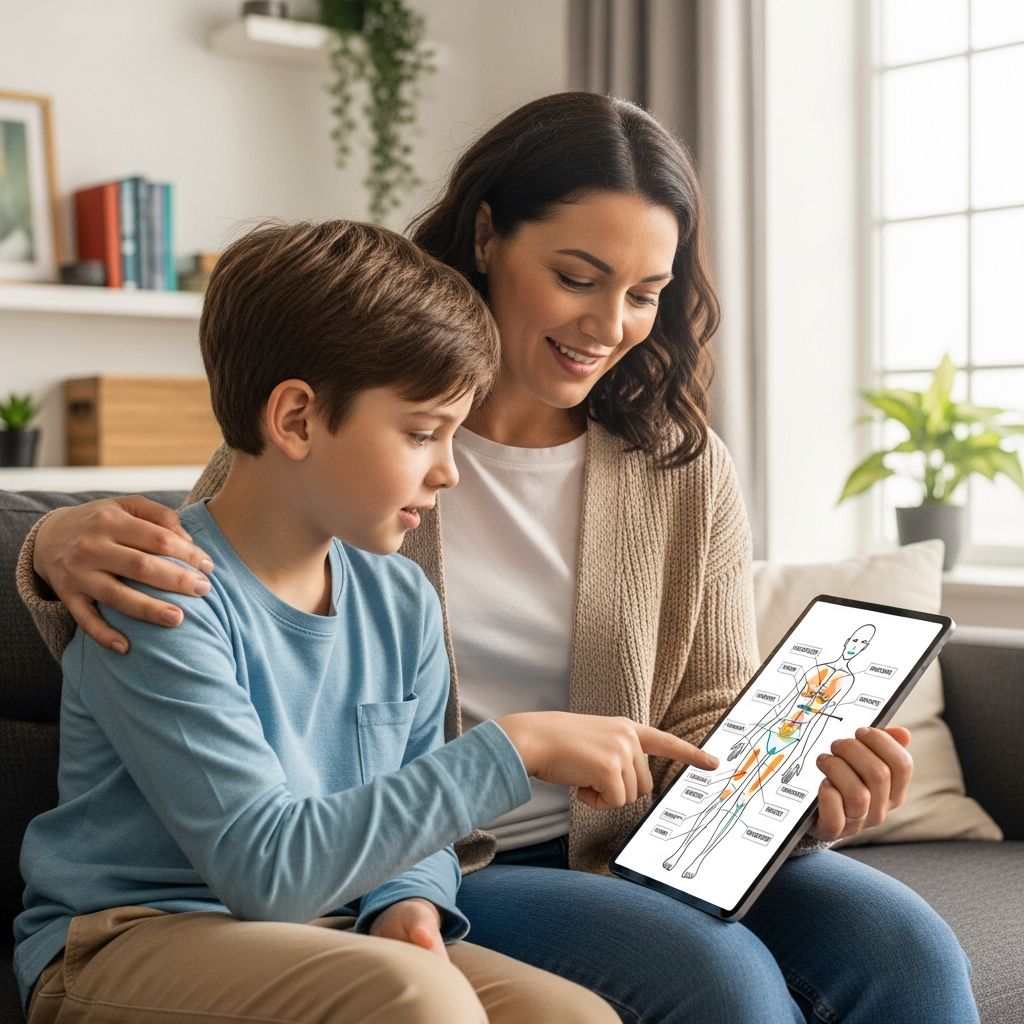
Helping children break free starts at home. Encourage open discussions about feelings without judgment, validating emotions while redirecting focus to strengths beyond appearance.
- Limit Triggers: Reduce scale access and monitor social media use to minimize comparisons.
- Promote Mindful Awareness: Teach gradual exposure to body perceptions with therapist guidance, analyzing anxiety patterns.
- Model Healthy Habits: Demonstrate balanced eating and activity, avoiding diet talk.
- Foster Non-Appearance Praise: Compliment efforts, kindness, and achievements to build intrinsic value.
- Set Routines: Establish meal times and activities emphasizing joy over calories.
Track progress gently, celebrating small wins like reduced checking episodes. Consistency builds resilience against body image pressures.
When to Seek Professional Support
If behaviors persist, cause significant distress, or link to weight loss/gain extremes, consult a pediatrician or therapist specializing in eating disorders. Cognitive behavioral therapy (CBT) effectively targets compulsions through exposure and response prevention. Family-based interventions strengthen support systems.
Professionals assess via interviews and exams, ruling out medical issues. Treatment plans may include nutrition counseling and group therapy for peer insights. Prompt action improves outcomes substantially.
Building a Positive Body Image Foundation
Long-term prevention involves cultivating body neutrality—viewing the body as a functional vessel rather than an aesthetic object. Engage kids in diverse activities like sports or arts, emphasizing capability over looks. Diverse media representation aids normalization of varied shapes.
Family meals promote intuitive eating, tuning into hunger cues without judgment. Schools can reinforce through anti-bullying programs focused on inclusivity. Parents’ attitudes profoundly influence children, making self-acceptance modeling key.
Frequently Asked Questions
Is occasional mirror checking normal for teens?
Yes, brief checks are common, but concern arises when frequent, distressing, or tied to negative self-view.
How does body checking affect mental health?
It perpetuates anxiety cycles, worsens body dissatisfaction, and heightens eating disorder risk.
Can parents stop body checking at home?
Parents can reduce triggers and model health, but professional help is vital for severe cases.
What role does social media play?
It amplifies comparisons, fueling compulsive behaviors; supervised use helps mitigate.
How long does recovery take?
Varies by individual; consistent therapy yields progress in weeks to months.
Empowering Families for Lasting Change
By spotting body checking early and responding supportively, parents equip children with tools for healthy self-perception. Shift conversations from appearance to well-being, nurturing confidence that endures life’s pressures. Resources like therapist directories and support groups aid this journey.
References
- What Is Body Checking? Risks, Red Flags, and How to Stop — Equip Health. 2023. https://equip.health/articles/body-image/what-is-body-checking
- Body checking – Wikipedia — Wikipedia. 2024-01-15. https://en.wikipedia.org/wiki/Body_checking
- What is Body Checking? Body Dysmorphia Signs — Renfrew Center. 2023. https://renfrewcenter.com/what-is-body-checking-body-dysmorphia-signs/
- Body Checking: What Is It and How Can You Stop? — Healthline. 2023-05-10. https://www.healthline.com/health/body-checking
- A Guide to Body Checking: What It Is and How to Ditch It — Project HEAL. 2024. https://www.theprojectheal.org/blog/body-checking-guide
- Body Checking and Body Avoidance — The Emily Program. 2023. https://emilyprogram.com/blog/body-checking-and-body-avoidance/
- How Body Checking Will Keep you Stuck in your Eating Disorder — Side by Side Nutrition. 2023-08-20. https://sidebysidenutrition.com/blog/body-checking-how-it-keeps-you-stuck-in-your-eating-disorder