Few children’s shows have captured both kids and adults the way Bluey has. The Australian animated series about a Blue Heeler puppy and her family has become a global hit for its gentle humor, big feelings, and disarmingly honest take on everyday family life. Parents stream it as eagerly as preschoolers, quote it at the playground, and dissect episodes online the way others recap prestige dramas.
By the time Season 3 arrived, expectations were sky-high. Many caregivers saw Bluey as the rare show that truly “gets” modern parenting: emotionally tuned-in, playful, and imperfect but trying. Others began to push back, arguing that its impossibly patient parents and endlessly creative games set a standard real families can’t meet.
This article explores why Season 3 feels different—richer, more introspective, and occasionally more controversial—and what the love and backlash reveal about how we think family life should look in 2020s media.
What Makes Bluey Stand Out From Other Kids’ Shows?
To understand the reactions to Season 3, it helps to see what makes Bluey so distinctive in the first place. Created by Joe Brumm and produced by Ludo Studio in Brisbane, the series follows six-year-old Bluey, her younger sister Bingo, and their parents Bandit and Chilli as they turn ordinary moments into elaborate games.
- Short, layered episodes: Each story runs about seven minutes but often packs in both kid-level fun and adult-level emotional nuance.
- Co-viewing design: The show is intentionally built so parents can enjoy it with their kids, not just tolerate it in the background.
- Realistic (but idealized) parenting: Bandit and Chilli model emotionally responsive, playful parenting that lines up with many modern child development recommendations.
- Imaginative play at the center: Nearly every episode is a game that becomes a vehicle for learning social, emotional, and practical skills.
- Grounded in a real place: The setting, inspired by Brisbane, showcases Australian culture, nature, and humor without leaning too hard on stereotypes.
Developmental research backs the show’s core emphasis on play. The American Academy of Pediatrics highlights play as “essential to the social, emotional, cognitive, and physical well-being of children” and encourages parents to protect unstructured playtime. Bluey dramatizes this principle, putting imaginative play—not moralizing lectures—at the center of kids’ learning.
How Season 3 Raises the Emotional Stakes
While the first two seasons focused on games and gentle life lessons, Season 3 leans further into big feelings, memory, and parents’ inner lives. The games are still hilarious and inventive, but the emotional undercurrent is deeper and more complex.
More Episodes From the Parents’ Perspective
Previous seasons already hinted that Bandit and Chilli are more than just ideal caregivers. Season 3 pushes that further by:
- Showing adult vulnerabilities, like insecurity about work-life balance, fatigue, or regret.
- Highlighting the mental load of parenting—planning, cleaning, emotional support—often invisible but constant.
- Letting parents make mistakes, snap, or misjudge a situation, then repair.
This shift resonates with many parents precisely because it acknowledges that good parenting is not effortless. It’s work, improvisation, and occasional failure.
Heavier Themes, Same Gentle Tone
Season 3 episodes increasingly touch on topics that are sensitive, especially for families with young kids:
- Loss and change (like moving away, outgrowing certain games, or friendships shifting).
- Adult health and body image, which sparked some online criticism when jokes or remarks touched on weight and appearance.
- Regret and nostalgia about how fast kids grow up and what parents wish they’d done differently.
These themes are handled obliquely and age-appropriately, but for many adults watching closely, Season 3 hits an unexpectedly emotional nerve.
Why Parents Call Bluey “The Perfect Kids’ Show”
The hype isn’t just marketing. Many caregivers genuinely find Bluey transformative compared with the TV they grew up with or the loud, frenetic content dominating many kids’ platforms.
| Aspect | What Typical Kids’ TV Does | What Bluey Season 3 Does |
|---|---|---|
| Conflict | Big villains, constant peril, or slapstick | Low-stakes family conflicts that feel real, like sharing or disappointment |
| Learning | Explicit “lesson of the day” speeches | Kids discover ideas organically through games and trial-and-error |
| Parents | Mostly absent, clueless, or rigid authority figures | Engaged adults who play, apologize, and grow alongside their kids |
| Emotional tone | High-energy, fast cuts, constant jokes | Balanced pacing with quiet, reflective moments and gentle humor |
| Audience | Primarily children; adults endure it | Designed for children and adults to enjoy together |
Emotionally Attuned Parenting on Screen
Bandit and Chilli frequently demonstrate behaviors recommended by child psychologists and pediatric organizations:
- Emotion coaching: Naming feelings, validating them, and helping kids find coping strategies instead of dismissing or punishing emotional outbursts.
- Positive discipline: Using play, natural consequences, and collaborative problem solving more than threats or shaming.
- Responsive play: Getting on the child’s level, following their lead, and extending their ideas in imaginative play.
Research on authoritative (warm but firm) parenting styles suggests this approach is linked with better social and academic outcomes for children compared with harsh or disengaged styles. Parents who are trying to practice this in real life often see Bluey as a rare, affirming portrayal of what they’re striving for.
Play as the Engine of Learning
In Season 3 especially, games become even more elaborate and emotionally layered. Through play, the characters explore:
- Social rules (fairness, taking turns, leadership).
- Real-world systems (money, work, health, technology).
- Internal experiences like jealousy, frustration, or pride.
Developmentally, this tracks closely with how children aged 4–7 naturally learn. The U.S. Centers for Disease Control and Prevention notes that during these years, kids rapidly develop social and emotional skills through pretend play and peer interaction. Bluey doesn’t just tell kids to share or be kind—it lets them practice those skills inside a story.
The Backlash: When “Perfect” Parenting Feels Like Pressure
Alongside the praise, Season 3 has fueled a rising chorus of criticism from some parents. Importantly, most critics still like—sometimes love—the show, but they feel uneasy with the way it frames family life.
“I Can’t Compete With Bandit and Chilli”
A common complaint is that Bluey quietly raises the bar for what “good” parenting looks like, especially for millennial caregivers already under intense pressure. In Season 3, this can feel amplified because:
- The games are more complex, requiring time, energy, and sometimes props many families don’t have.
- Bandit and Chilli rarely default to screens or quick fixes, even when they’re obviously exhausted.
- Apologies and emotional repair are frequent and articulate, which may not reflect every household’s communication style.
For caregivers working multiple jobs, dealing with health issues, parenting alone, or lacking extended support, the Heeler family can start to feel less like inspiration and more like accusation.
Selective Realism: Messy House, Idealized Emotions
Season 3 continues to show relatable chaos—messy floors, running late, kids melting down. But the emotional tone usually stays within a safe band: no long-term resentment, no deep marital conflict, no real economic struggle.
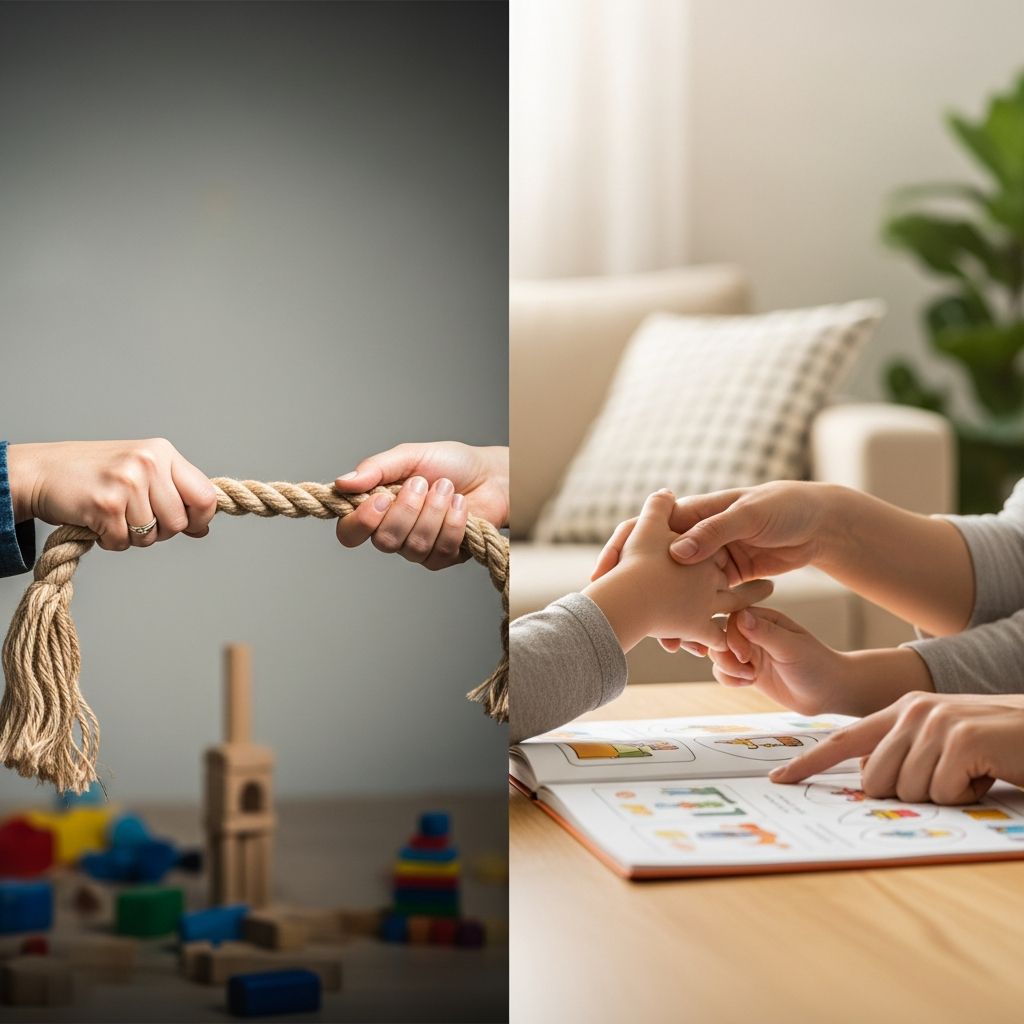
That tension—between visual realism and emotional idealization—is a key point for critics. Some worry that when kids watch a family that always bounces back gracefully, they may struggle to reconcile that with the messier dynamics in their own homes. Adults, meanwhile, may feel a subtle expectation to respond to every tantrum with Bandit-level patience.
Hot-Button Moments and Cultural Debate
Season 3 also contains a few small but widely discussed moments that sparked debate among viewers, especially around body image and language. In a media environment where parents are increasingly scrutinizing representation, even brief scenes can trigger online backlash and editorial responses.
These flashpoints highlight how Bluey is now held to a higher standard than typical kids’ TV. Precisely because so many adults see it as an exemplar, any perceived misstep can feel more consequential.
What Bluey’s Popularity Reveals About Modern Parenting
The fierce love and occasional resentment directed at Season 3 say as much about today’s parents as they do about the show itself.
The Desire for Gentle, Non-Cynical Media
In a cultural landscape filled with snark and high-stakes drama, Bluey offers a refuge: small stories about small people that still take feelings seriously. This mirrors a broader shift toward gentle parenting philosophies, emphasizing empathy, connection, and collaborative problem solving over punishment.
Parents exhausted by news cycles and social media often want media for their kids that is:
- Kind but not saccharine—honest about feelings without cruelty.
- Slow enough that kids can follow, and parents can breathe.
- Funny without mockery—laughing with kids, not at them.
Co-Viewing as a New Norm
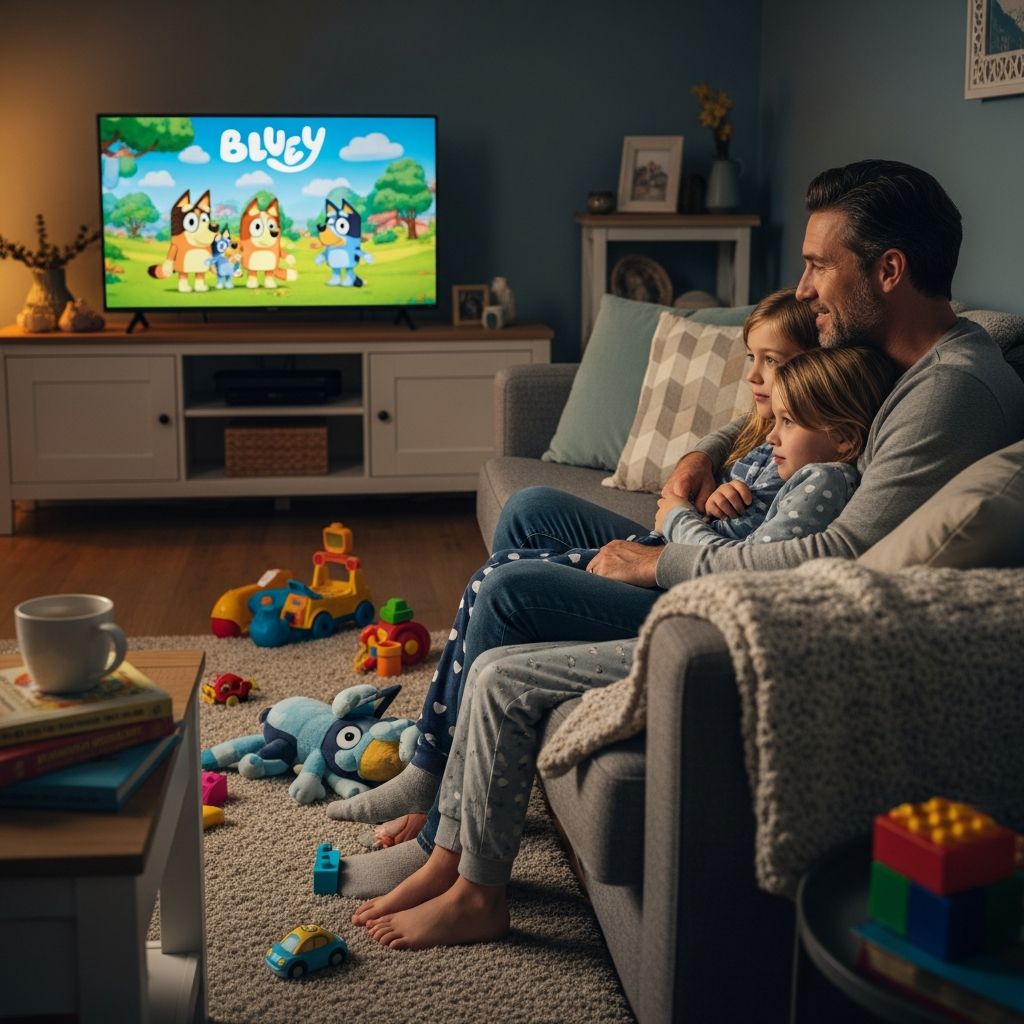
Historically, many adults simply parked kids in front of a screen. But more recent guidance from pediatric organizations encourages watching together when possible, so caregivers can help kids interpret what they see and relate it to their lives. Shows like Bluey that are enjoyable for adults make this far easier than noisy, purely child-targeted content.
Season 3 doubles down on that co-viewing ethos. Its subtext—about aging, regret, and parental identity—is clearly written with adults in mind. That adds richness, but also explains why some viewers feel so personally affected, for better and worse.
Using Bluey Season 3 as a Tool, Not a Yardstick
One practical way to resolve the love/backlash tension is to treat Bluey as a resource, not a standard. When used thoughtfully, Season 3 can open up conversations rather than set impossible expectations.
Ideas for Parents Watching With Kids
- Talk about feelings after an episode. Ask simple questions like “When Bluey felt left out, what helped?” to help kids reflect on emotions.
- Borrow small pieces of games. You don’t need 20-minute elaborate play scenarios; even a 2-minute silly rule or pretend role can be meaningful.
- Point out parent mistakes too. Normalize that even in the show, the grown-ups misjudge things sometimes—and then fix it.
- Adapt to your reality. If you’re tired or short on space, say it out loud: “I can play for five minutes, then I need to rest.” That’s a useful model in itself.
Reframing the “Perfect Parent” Problem
It can help to remember:
- The Heelers are fictional. They are written by a team whose job is to imagine ideal responses, with time to revise and refine.
- Real life is unscripted. You’re making decisions in real time, often while distracted, tired, or stressed. That’s a fundamentally different context.
- Repair matters more than perfection. Research on attachment suggests that even secure parent–child relationships involve frequent misunderstandings; what matters is that caregivers repair and reconnect afterward.
Frequently Asked Questions (FAQs)
Q: Is Bluey Season 3 appropriate for preschoolers?
A: Yes, Season 3 is designed for preschool-age children, with stories centered on play, family, and everyday situations. Some episodes touch gently on heavier themes like loss or body image, so co-viewing with adults can be helpful for sensitive kids.
Q: Why do so many parents say Bluey makes them cry?
A: Many Season 3 episodes highlight the passage of time, parental regret, and children growing up—topics that resonate strongly with adults. The contrast between simple stories and deep emotional subtext often catches caregivers off guard, making the show unexpectedly moving.
Q: Does Bluey show “realistic” parenting?
A: The parenting style mirrors evidence-based recommendations about responsive, emotionally attuned caregiving and positive discipline. However, it is idealized: Bandit and Chilli usually have more patience, time, and emotional insight than most adults can realistically maintain every day.
Q: Can watching Bluey actually help my parenting?
A: It can, if used intentionally. The show offers concrete examples of emotion coaching, playful limit-setting, and repair after conflict. Combining these with reliable guidance from pediatricians or parenting resources grounded in research can turn Bluey into a helpful model rather than just entertainment.
Q: How much Bluey is too much screen time?
A: Screen-time recommendations vary by age. The American Academy of Pediatrics recommends limited, high-quality programming for children 2 to 5 and suggests that parents co-view when possible. Bluey fits the “high-quality” category, but the total amount of daily screen exposure still matters more than the specific show.
References
- Bluey (TV series) — Wikipedia (summary of official series details citing ABC and BBC sources). 2024-05-01. https://en.wikipedia.org/wiki/Bluey_(TV_series)
- The Power of Play: A Pediatric Role in Enhancing Development in Young Children — Yogman M. et al., American Academy of Pediatrics. 2018-09-01. https://publications.aap.org/pediatrics/article/142/3/e20182058/38618/The-Power-of-Play-A-Pediatric-Role-in-Enhancing
- Parenting Matters: Supporting Parents of Children Ages 0–8 — National Academies of Sciences, Engineering, and Medicine. 2016-07-21. https://nap.nationalacademies.org/catalog/21868/parenting-matters-supporting-parents-of-children-ages-0-8
- Important Milestones: Your Child By Six Years — Centers for Disease Control and Prevention. 2021-03-31. https://www.cdc.gov/ncbddd/actearly/milestones/milestones-6yr.html
- Media and Young Minds — Council on Communications and Media, American Academy of Pediatrics. 2016-11-01. https://publications.aap.org/pediatrics/article/138/5/e20162591/60672/Media-and-Young-Minds