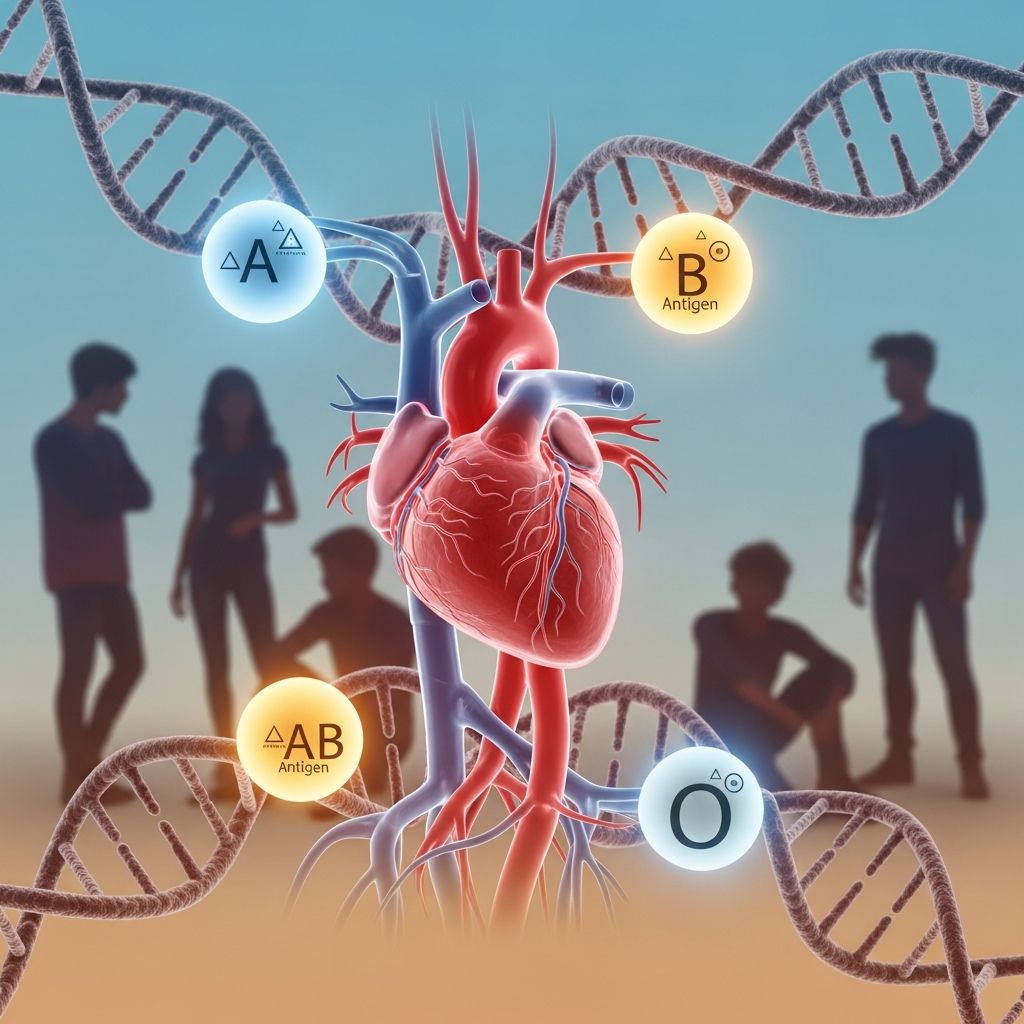
Everyone has a blood type, but most people only think about it when they see it printed on an ID card or hear about blood donations. Your blood type is more than just a letter and a plus or minus sign — it’s a clue to how your body works, how doctors give you blood safely, and even how pregnancy is managed.
This guide breaks down blood types in simple language, using clear examples and everyday comparisons so you can understand what makes your blood uniquely yours.
What Is a Blood Type, Really?
Your blood type is a way of labeling your blood based on tiny markers on the surface of your red blood cells. These markers are called antigens. You can think of antigens as ID badges on your cells that help your body tell what belongs to you and what doesn’t.
Your immune system also makes antibodies in your plasma (the liquid part of your blood). Antibodies act like security guards that watch for antigens that don’t belong and attack them. This built-in security system is why matching blood types is so important for transfusions.
- Antigens = ID labels on red blood cells.
- Antibodies = defenders in your blood that react to foreign labels.
- Blood type = overall label based on which antigens you have or don’t have.
The Two Main Systems: ABO and Rh
Doctors mainly use two systems to describe blood types: the ABO system and the Rh system. When you see a type like “A+” or “O-“, you’re seeing both systems at work at the same time.
The ABO System: A, B, AB, and O
The ABO system is based on whether your red blood cells carry antigen A, antigen B, both, or neither. That gives four main types:
- Type A: Has A antigens on red blood cells and usually has antibodies against B in the plasma.
- Type B: Has B antigens and antibodies against A.
- Type AB: Has both A and B antigens and usually no antibodies against A or B.
- Type O: Has no A or B antigens, but has antibodies against both A and B.
Those antigens and antibodies need to be compatible during a transfusion — otherwise, the immune system can attack the donated blood, which can be dangerous.
The Rh System: Positive or Negative
The Rh system adds another piece: a protein called the Rh factor, often referred to as the D antigen. If you have this protein, your type is positive (+). If you don’t, your type is negative (-).
- Rh-positive (Rh+): The Rh antigen is present on red blood cells.
- Rh-negative (Rh-): The Rh antigen is not present.
Put the ABO letters and Rh sign together and you get eight common blood types: A+, A-, B+, B-, AB+, AB-, O+, and O-.
Eight Common Blood Types at a Glance
The table below shows how the ABO and Rh systems combine to form the eight major blood types, and which antigens are present on red blood cells.
| Blood Type | ABO Antigens on Red Blood Cells | Rh Factor |
|---|---|---|
| A+ | A antigens | Rh present (+) |
| A- | A antigens | No Rh (-) |
| B+ | B antigens | Rh present (+) |
| B- | B antigens | No Rh (-) |
| AB+ | A and B antigens | Rh present (+) |
| AB- | A and B antigens | No Rh (-) |
| O+ | No A or B antigens | Rh present (+) |
| O- | No A or B antigens | No Rh (-) |
Who Can Give Blood to Whom?
Blood transfusions only work safely when the donated blood is compatible with the recipient’s blood type. If not, the recipient’s antibodies can attack the incoming red blood cells, causing clumping and other serious reactions.
In general, doctors match both the ABO type and the Rh factor. Some types are considered more flexible and are often called “universal” in certain situations.
Universal Donors and Universal Recipients
- O- (universal red cell donor): Has no A, B, or Rh antigens, so it is less likely to trigger an immune reaction when only red cells are transfused. In emergencies, when there isn’t time to test a person’s blood, O- is often used for red blood cell transfusions.
- AB+ (universal plasma recipient and broad red-cell recipient): Has A, B, and Rh antigens and usually lacks antibodies against A, B, or Rh in the plasma. People with AB+ can generally receive red blood cells from most other types, as long as the match is carefully checked.
These labels help in medical emergencies and blood drives, but matching as closely as possible is still the safest approach. Hospitals run detailed tests before transfusions to lower the risk of reactions.
How You Inherit Your Blood Type
Your blood type is genetic, which means it is passed down from your parents. Each parent gives you one ABO gene and one Rh gene. These genes combine to determine which antigens your red blood cells will have.
For the ABO system, there are three main versions (alleles): A, B, and O. The A and B alleles are usually dominant over O, which is recessive. That means a person with AO genes will typically have type A blood, and someone with BO genes will have type B blood.
- If both parents carry an O allele, a child can have type O blood.
- If one parent has A-type genes and the other B-type genes, a child can have type AB.
- Rh works in a similar way, with the positive form usually acting as dominant over the negative.
Family blood types can look confusing at first, but when you understand dominance and recessive traits, the patterns start to make sense.
Why Blood Type Matters in Medicine
Knowing your blood type is crucial for safe transfusions, surgeries, and emergency care. Doctors check your type before giving you blood, but having it recorded on your medical file or donor card can speed up decisions in critical moments.
Blood type also plays a big role in pregnancy, especially when it comes to the Rh factor. In some cases, an Rh mismatch between a pregnant person and a baby can cause complications, but there are treatments to prevent problems when it’s detected early.
Rh Factor and Pregnancy
Complications can occur when an Rh-negative pregnant person is carrying an Rh-positive baby. The parent’s immune system may recognize the Rh antigen on the baby’s red blood cells as foreign and start building antibodies against it.
This usually doesn’t cause problems in a first pregnancy, but it can affect future pregnancies if those antibodies remain and attack red blood cells in a later Rh-positive baby. To prevent this, healthcare providers can give an Rh-negative pregnant person a special injection that stops the immune system from reacting to the baby’s Rh-positive cells.
- Routine prenatal blood tests check the Rh status of the pregnant person.
- If needed, medication is given at specific points in pregnancy and after birth.
- With proper care, most Rh-related issues can be managed safely.
Your Blood Type and Your Health
Researchers have studied whether certain blood types are linked to higher or lower risks of some diseases. While some patterns have been noticed in large groups of people, your blood type is only one small factor in your overall health risk.
Things like diet, exercise, sleep, environment, and family history usually matter much more. Knowing your blood type can be interesting and sometimes medically useful, but it does not define your future health by itself.
- Some studies suggest particular blood types may have slightly different risks for heart disease, blood clots, or infections.
- The differences are often small and don’t outweigh healthy lifestyle choices.
- No blood type is “good” or “bad” — each comes with its own patterns and possibilities.
Blood Donation: How Your Type Helps Others
Blood donation relies on people of all blood types. Hospitals need a steady supply for accidents, surgeries, cancer treatments, and many other medical needs. Knowing your type can help you understand why your donation might be especially valuable in certain situations.
Why Every Type Is Important
- O- donors: Often in high demand because O- red cells can be used in emergencies for many patients when their type is unknown.
- O+ donors: Common and important because many people have O+ blood and need type-specific transfusions.
- A, B, and AB donors: Needed for matching patients with the same ABO type, and AB types are especially useful for plasma donations.
Donation centers test your blood, check your health, and store your type in their system, so every time you give, they know exactly where your donation can do the most good.
Common Myths About Blood Types
Blood types often show up in movies, books, and social media, and not all of the information out there is accurate. Here are some myths you may see and why they’re misleading.
- Myth: Blood type diets can magically fix health problems.
Some diet plans claim that eating for your blood type will transform your body. While balanced eating is important, there is not strong scientific evidence that tailoring food strictly to blood type gives special benefits beyond general healthy eating habits. - Myth: Your blood type determines your personality.
In some cultures, people try to match personalities with blood types, similar to horoscopes. Personality is shaped by many factors, including upbringing and experiences, not just a couple of genes related to blood. - Myth: Certain blood types can’t play sports or be active.
There is no major medical rule that says one blood type is less able to do physical activity. Your overall health, training, and lifestyle matter much more.
How Doctors Test Your Blood Type
Blood typing is usually done with a small sample of blood. Special lab tests mix your blood with substances that contain known antibodies and check whether your red blood cells clump together (agglutinate). This reaction tells the lab which antigens are present on your cells.
For the Rh factor, a similar test is done to see if your cells react with anti-Rh antibodies. Together, these tests give your ABO type and your Rh status.
- Typing is done when you donate blood, before surgery, during pregnancy, or after an accident.
- Once your type is known, it can be recorded in your medical records for future care.
- Some at-home test kits exist, but medical testing is still the most reliable.
Quick Facts About Blood Types
- There are many blood group systems, but ABO and Rh are the main ones used in everyday medicine.
- Your blood type stays the same for life, unless you have a very rare medical procedure like a bone marrow transplant that changes your blood cells.
- Different populations around the world have different common blood types. A type that is rare in one region can be more common in another.
Frequently Asked Questions (FAQs)
1. How can I find out my blood type?
You can learn your blood type through a simple blood test. This can happen when you donate blood, during a routine lab test, when preparing for surgery, or at a clinic if your doctor orders blood typing. Some people also have their type recorded from birth records or hospital visits.
2. Do I need to know my blood type for everyday life?
You don’t need to know it for most daily activities, but it’s helpful information for medical records and emergencies. If you ever need a transfusion or want to donate blood, knowing your type can speed up the process and help doctors plan your care.
3. Can my blood type change?
For almost everyone, blood type does not change over time because it is determined by your genes. In very rare cases, people who receive a bone marrow or stem cell transplant may have their blood type shift to match the donor’s, but this is unusual and only happens under close medical supervision.
4. Is one blood type healthier than another?
No single blood type is guaranteed to be healthier. Each type may be linked to slightly different risks in research studies, but lifestyle and overall medical care are far more important. Good sleep, exercise, nutrition, and regular checkups are key, no matter which type you have.
5. Can knowing my blood type help with planning a family?
Yes, in the sense that healthcare providers use blood type information during pregnancy. Knowing your Rh status allows doctors to prevent Rh-related problems between a pregnant person and a baby. If you are thinking about pregnancy in the future, your doctor can explain how blood type is checked and managed.
6. Why do some hospitals talk about “rare” blood types?
Some blood types, or combinations of multiple blood group systems, are uncommon. When a patient needs a very close match, especially for long-term transfusions, it can be harder to find donors with the same rare pattern. That’s why donation from people of many backgrounds is so valuable.
7. Can I donate blood if I’m a teen?
In many places, teens can donate blood starting around age 16 or 17, sometimes with a parent’s permission. Donation centers usually have height, weight, and health requirements to keep you safe. Check local rules and talk with a parent or guardian and a healthcare professional if you are interested.
Putting It All Together
Your blood type is a mix of letters and symbols that tell a story about the antigens on your red blood cells and how your immune system responds. It matters for transfusions, pregnancy, and blood donation, but it doesn’t define your personality or your worth.
Learning about blood types helps you understand how your body protects itself and how modern medicine works to keep people safe. If you’re curious, ask your healthcare provider what your blood type is and how you might use that knowledge to help others through informed choices and, when you’re ready, possibly blood donation.