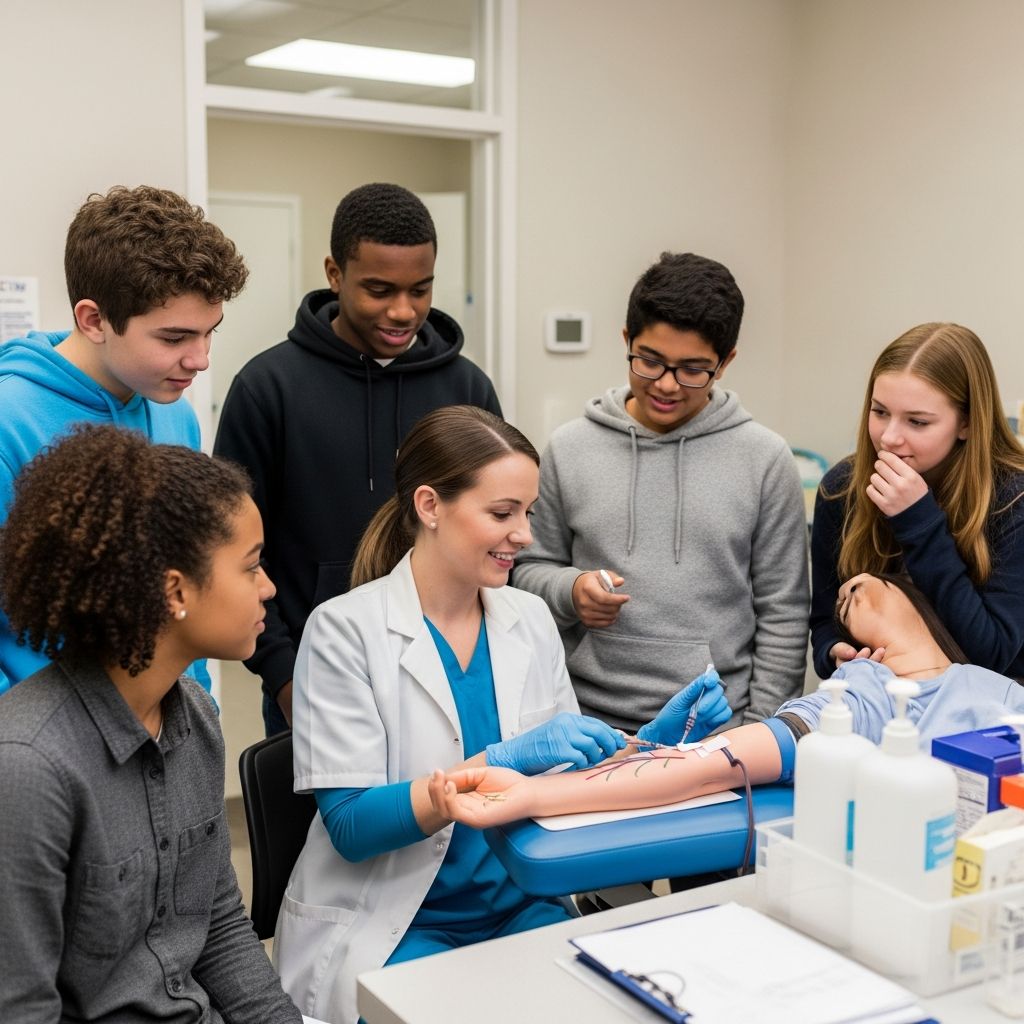
Needing a blood test can feel intimidating, especially if it is your first time or you are not a fan of needles. This guide breaks everything down step by step so you know what to expect, why blood tests matter, and how to get through the experience with as little stress as possible.
Why Doctors Order Blood Tests
A blood test is a way for your care team to see what is happening inside your body without surgery. A small sample of blood can reveal important information about your health and help your doctor make better decisions about treatment or prevention.
Common reasons a teen might need blood work include routine checkups, investigation of symptoms, or monitoring a known condition.
- Checking overall health during yearly physicals or sports clearances.
- Looking for infections, anemia, or inflammation when you feel tired or unwell.
- Measuring hormones, blood sugar, or cholesterol when there are specific concerns.
- Monitoring medications to be sure the dose is safe and effective.
Different Types of Blood Samples
Not every blood test is the same. Some require only a tiny drop of blood, while others need a few tubes collected from a vein in your arm.
Understanding the type of blood sample you are getting can make the process feel less mysterious.
| Method | How It Is Done | Typical Use | What It Feels Like |
|---|---|---|---|
| Finger prick | A small lancet quickly pokes the fingertip to collect drops of blood. | Quick checks like blood sugar or certain screening tests. | Brief sting and slight soreness that fades quickly. |
| Heel stick (mostly for babies) | The heel is pressed and pricked to get a small sample. | Newborn screening and early life tests. | Not typically used for teens. |
| Venous draw (from a vein) | A needle is placed into a vein in the arm and tubes are filled with blood. | Most standard lab tests done for teens and adults. | Quick pinch or pressure; mild soreness afterwards is possible. |
What Happens Before the Blood Draw
Preparation starts even before you sit in the chair. Good preparation can make the blood draw easier, quicker, and more comfortable.
Your doctor or nurse may give you special instructions depending on the test being ordered.
Possible instructions you may hear
- Fasting: You might be told not to eat or drink anything except water for several hours before the test.
- Medication timing: Some medicines are taken after a blood sample, others before; always follow the guidance you receive.
- Hydration: Drinking water (unless told not to) helps your veins be easier to find.
- Clothing: Wearing a short-sleeved shirt or a top with loose sleeves makes access to your arm simpler.
How you can prepare emotionally
Feeling nervous is completely normal. Many teens feel uneasy around needles, even if they do not talk about it.
- Decide whether you want to watch or look away during the draw.
- Plan a distraction, such as a playlist, a game on your phone, or something specific to talk about.
- Think of questions you want to ask the nurse or phlebotomist (the person trained to draw blood).
- Ask a parent, caregiver, or trusted adult if they can stay with you, if the clinic allows it.
Step-by-Step: What Happens During a Blood Draw
Knowing the steps ahead of time can make the experience feel more predictable and less scary. The exact routine may vary from place to place, but most blood draws follow a similar order.
- Check-in and identification
When you arrive, you usually check in at a desk. Someone will confirm your name, date of birth, and the tests ordered, often by checking a wristband or asking you to state your details.
- Sitting in the chair
You will be guided to a chair with armrests or sometimes a reclining seat. You may sit alone or, in some clinics, on a caregiver’s lap if that helps you feel secure.
- Choosing the arm and vein
The phlebotomist usually asks which arm you prefer. They may gently press or feel along your inner elbow or forearm to locate a good vein.
- Tourniquet placement
A stretchy band is wrapped snugly around your upper arm to make the veins stand out. This might feel tight or strange but lasts only a short time.
- Cleaning the skin
The skin where the needle will go in is cleaned with an antiseptic wipe or swab. This feels cool or slightly tingly and helps prevent infection.
- The needle goes in
After asking you to keep your arm still, the phlebotomist gently inserts the needle into the vein. Most teens describe this as a quick pinch, sting, or pressure that fades within seconds.
- Filling the tubes
Once the needle is in place, one or more tubes are attached to collect your blood. It might look like a lot, but each tube holds only a small amount, and your body replaces it quickly.
- Needle removal and bandage
When enough blood has been collected, the tourniquet is removed, and the needle is taken out. A piece of gauze or cotton is placed over the spot, and you are asked to apply pressure. Then a small bandage or wrap is put on.
How Much Does a Blood Draw Hurt?
Pain is different for everyone, but most teens say the discomfort is mild and very brief. The anxious waiting beforehand often feels worse than the actual needle poke.
- The first pinch or sting usually lasts only a second or two.
- Some people feel a dull pressure while the blood is collected.
- A little soreness or light bruising afterward is possible but typically fades within a day or so.
If you are especially sensitive to pain or needles, talk to your provider in advance. They may use numbing cream, cold packs, vibration devices, or other comfort tools to make the experience easier.
Smart Ways to Stay Calm
Managing your mind and body during the blood draw can make a huge difference. The more relaxed your muscles are, the easier it is to collect your blood and the quicker the process goes.
Breathing techniques
- Inhale slowly through your nose while counting to four in your head.
- Hold your breath gently for a second or two.
- Exhale through your mouth for a count of four, imagining tension leaving your body.
- Repeat this cycle several times before and during the blood draw.
Distraction ideas
- Listen to a favorite song or podcast with one earbud if allowed.
- Scroll through funny videos, memes, or pictures on your phone.
- Count ceiling tiles, posters, or objects in the room.
- Talk to the phlebotomist about school, hobbies, sports, or weekend plans.
Support from others
Having someone with you can be grounding. Ask a trusted adult or older sibling to come along if possible.
- Hold someone’s hand or rest your arm against them if the clinic allows contact.
- Let them know what kind of encouragement works best: quiet support, jokes, or step-by-step updates.
After the Blood Draw: What to Expect
Once the needle is out and the bandage is on, most of the hard part is over. However, there are still a few simple steps that help you feel good afterward.
Right after the test
- Keep gentle pressure on the bandage for several minutes to reduce bruising.
- Move your arm normally but avoid heavy lifting with that arm for a short time.
- If you feel lightheaded, let the staff know and sit or lie down until it passes.
Later that day
- Drink water to stay hydrated unless you have been told otherwise.
- Eat a snack or meal if you were fasting, choosing something that sits well with your stomach.
- Leave the bandage on for a few hours and then remove it gently.
Possible Side Effects and When to Get Help
Most blood draws are quick and uneventful, but minor side effects can happen. Knowing what is normal versus what needs medical attention helps you stay safe.
Common, mild effects
- Small bruise or tender spot where the needle went in.
- Short-term dizziness, especially if you were nervous or had not eaten.
- Slight swelling that goes away within a day or two.
Signs you should report
- Increasing redness, warmth, or pain at the site over several days.
- Yellow or green drainage from the puncture area.
- Very large or painful bruise, especially if you bruise easily or take blood-thinning medicine.
- Feeling faint, chest discomfort, trouble breathing, or other serious symptoms soon after the draw.
If anything feels worrying or unusual, contact your doctor, clinic, or an emergency service right away, and explain what you are experiencing.
Understanding Your Blood Test Results
After your sample is collected, it is labeled and sent to a laboratory, where machines and specialists analyze it. The results are then reported back to your doctor.
Numbers on a lab report can look confusing, but your provider can explain what they mean in simple terms and how they relate to your health goals.
- Some results come back the same day, while others take several days or more.
- Values are often compared to a “reference range” based on age and biological sex.
- One result outside the usual range is not always a problem; your doctor looks at the full picture.
Tips for Teens Who Really Hate Needles
If you have a strong fear of needles, you are not alone. Many teens, and even adults, feel the same way. There are practical strategies that can make each visit manageable and gradually less scary.
- Tell the nurse or technician how you feel so they can go slowly and explain each step.
- Ask about numbing cream, ice, or vibration devices to dull the sensation.
- Practice relaxation or mindfulness techniques in the days before your appointment.
- Challenge unhelpful thoughts (such as “I cannot handle this”) and replace them with more realistic ones (“It will be quick, and I have gotten through things like this before”).
- Consider talking to a counselor if medical anxiety is affecting your life in a big way.
Quick Reference Table: Do’s and Don’ts for Your Blood Draw
| Do | Why It Helps |
|---|---|
| Follow fasting and medication instructions. | Makes results more accurate so your doctor can interpret them correctly. |
| Drink water (if allowed) before your appointment. | Helps your veins be easier to find and may speed up the process. |
| Wear comfortable, loose clothing. | Makes it simple to roll up your sleeve and stay relaxed. |
| Use deep breathing or distraction techniques. | Reduces anxiety and muscle tension, which can lessen discomfort. |
| Tell staff if you feel faint or anxious. | They can adjust your position, take breaks, or offer extra support. |
| Avoid sudden movements during the draw. | Keeps the needle stable and lowers the chance of bruising. |
FAQs About Blood Tests for Teens
Will I lose too much blood during the test?
No. Only a small amount of blood is taken, even when several tubes are filled. Your body constantly makes new blood cells, and the volume removed is far below what would cause harm in a healthy person.
Can I say no to a blood test?
You always have the right to understand why a test is being recommended. If you have concerns, talk openly with your doctor or caregiver. In many places, parents or guardians are involved in medical decisions for teens, but your feelings and questions matter and should be heard.
What if I faint or get dizzy?
Some people feel faint during medical procedures, especially when they are anxious or have not eaten. If you feel lightheaded, say something immediately so staff can help you lie back, elevate your legs, or give you extra time to recover.
Can I use my phone during the blood draw?
In many clinics, yes, as long as it does not interfere with the procedure or clinic rules. Ask first. Using your phone for music or a game can be a great distraction.
How long will the whole thing take?
The actual blood draw portion usually lasts only a few minutes once you are seated. Check-in, waiting time, and any paperwork can add extra time, so plan your schedule with a bit of flexibility.
What if the phlebotomist cannot find a vein?
Sometimes veins are small, roll away, or are hard to see. In that case, the phlebotomist may try a different spot, use warmth to bring veins closer to the surface, or ask another trained professional for assistance. You can ask them to explain what they are doing and how many attempts they plan to make.
Will I have a scar?
A standard blood draw from a vein typically leaves only a tiny dot or faint mark, if anything. Most of the time, any visible sign fades with healing and time.
Taking Control of Your Health
Blood tests are a common part of modern health care and an important way to keep track of what is happening inside your body. Understanding the process, speaking up about your worries, and using simple coping skills can transform a stressful event into something you handle with growing confidence.
Each time you face a blood draw, you gain experience and evidence that you can get through challenging moments. That confidence is a powerful part of taking charge of your own health as you move through your teen years and into adulthood.