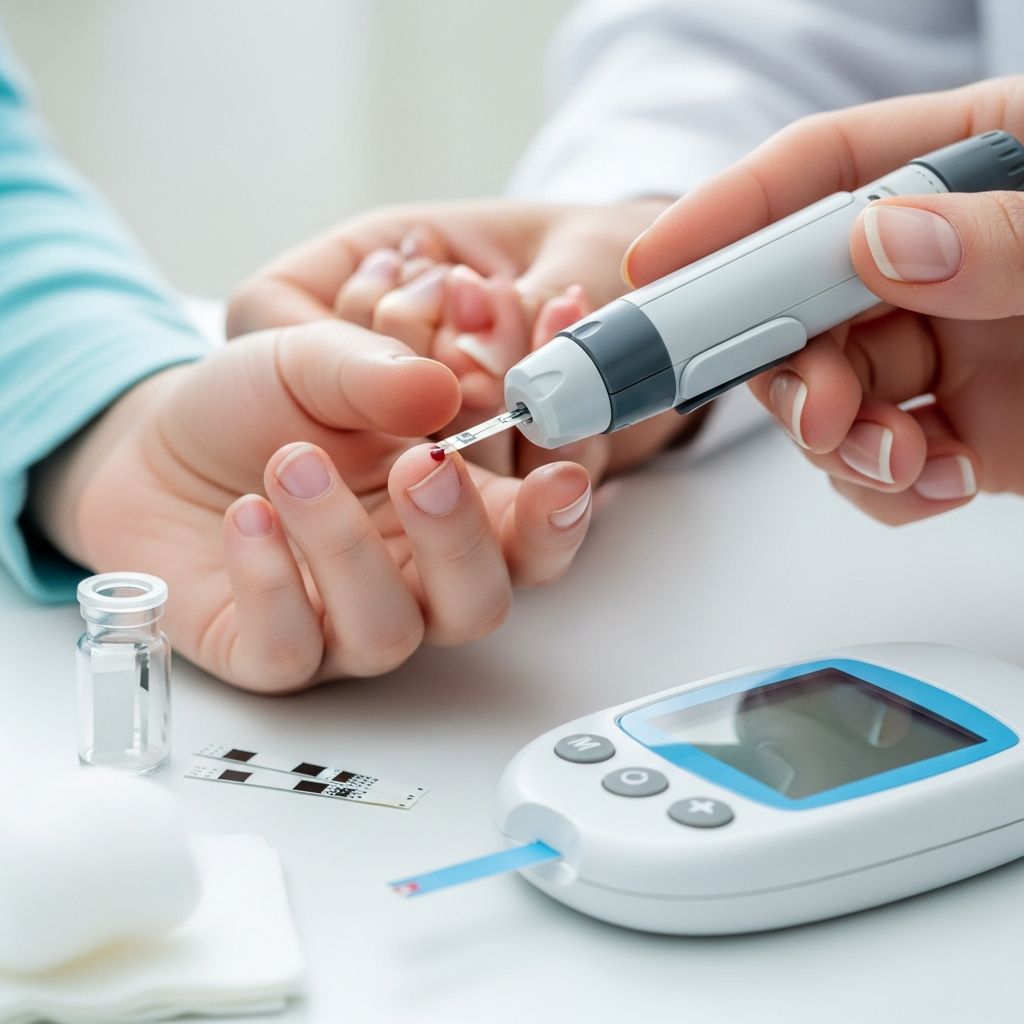
Monitoring blood glucose levels is a cornerstone of diabetes care for children, helping parents maintain stable sugar levels to prevent complications and promote normal growth. This process involves simple tests that reveal how the body handles sugar, guiding daily decisions on insulin, diet, and activity.
Understanding Blood Glucose and Its Role in Child Health
Blood glucose, often called blood sugar, is the main energy source for the body, derived from food and regulated by hormones like insulin. In children with diabetes, this regulation falters, leading to fluctuations that require vigilant tracking. Regular testing empowers parents to spot patterns, adjust treatments, and avert risks like short-term issues such as seizures from lows or long-term damage to organs from highs.
Children with type 1 or type 2 diabetes face similar challenges as adults, including potential heart, kidney, and eye problems if levels stay uncontrolled. Early and consistent monitoring protects their future health while allowing them to thrive in school, sports, and play.
Why Test Blood Sugar Regularly in Children?
Frequent checks provide critical data on how meals, exercise, illness, or stress affect a child’s glucose. This insight helps tailor insulin doses, recognize effective strategies, and respond swiftly to deviations. For instance, testing reveals how a post-soccer snack impacts levels, enabling proactive tweaks.
- Identifies trends in daily glucose patterns for better treatment planning.
- Prevents hypoglycemia (lows) that cause shakiness or confusion.
- Avoids hyperglycemia (highs) leading to fatigue or dehydration.
- Supports growth by keeping levels in safe ranges during developmental spurts.
Experts recommend multiple daily tests, especially around meals, bedtime, and during illness, to capture these dynamics accurately.
Signs of Abnormal Blood Glucose Levels
Recognizing symptoms early can prevent emergencies. Low blood sugar (hypoglycemia, below 70 mg/dL) triggers immediate alerts like sweating, hunger, or irritability, while highs (above 200 mg/dL) may cause thirst, frequent urination, or blurred vision.
| Blood Sugar Range | Age Group | Common Symptoms |
|---|---|---|
| Below 70 mg/dL | All ages | Sweating, shakiness, hunger, confusion |
| 70-120 mg/dL | Normal | None (optimal) |
| 70-150 mg/dL | 12+ years (goal) | Fine if stable |
| 70-180 mg/dL | 5-11 years (goal) | Fine if stable |
| 80-200 mg/dL | Under 5 (goal) | Fine if stable |
| 200-400 mg/dL | All ages | Low energy, thirst |
| 400-800 mg/dL | All ages | Stomachache, breathing issues |
Primary Methods for Testing Blood Glucose
Finger-Prick Testing: The Traditional Approach
The most common home method uses a glucose meter and lancet to draw a small blood drop from the fingertip. Insert a test strip, prick the side of the finger (less painful), and apply blood for a reading in seconds. Warm hands first and ensure enough blood for accuracy.
Test 4+ times daily: before meals, bedtime, after exercise, or if symptoms arise. Targets include 4-7 mmol/L (72-126 mg/dL) fasting/pre-meal and 5-9 mmol/L (90-162 mg/dL) post-meal.
- Pros: Quick, affordable, precise.
- Cons: Invasive, requires supplies.
Continuous Glucose Monitoring (CGM): Modern Innovation
CGM systems feature a sensor under the skin (arm or abdomen) that measures glucose every few minutes, transmitting data to a display or smartphone. Alarms warn of highs/lows, reducing checks and anxiety.
Finger-prick calibration may still be needed. Ideal for active kids, though insertion can be tricky initially. Availability depends on insurance.
HbA1c Blood Tests: Long-Term Overview
This lab test averages glucose over 2-3 months, targeting below 48 mmol/mol (6.5%) or individualized goals. It’s done periodically alongside home monitoring to assess control.
Step-by-Step Guide to Accurate Finger-Prick Tests
- Wash and dry hands; warm by rubbing.
- Insert strip into meter.
- Prick side of finger, squeeze for drop.
- Touch strip to blood; wait for result.
- Record reading with time, meal, insulin.
Avoid errors by using fresh strips and not squeezing too hard. If symptoms mismatch readings, retest or use CGM backup.
Target Ranges and Age-Specific Goals
Goals vary by age to balance control with hypo risk. Younger kids tolerate wider ranges.
- Under 5: 80-200 mg/dL
- 5-11 years: 70-180 mg/dL
- 12+: 70-150 mg/dL
- HbA1c: <7.5-8.5% depending on age.
Consult endocrinologists for personalization, especially during puberty when hormones fluctuate.
Overcoming Challenges in Pediatric Testing
Young children may resist pricks; use distractions, numbing cream, or alternate sites. Involve kids in routines to build independence. CGM eases burden but watch for skin issues.
During illness or sports, test more often as levels swing. Log data via apps for doctor reviews.
Advanced Testing: Glucose Tolerance and Prediabetes
For diagnosis or prediabetes screening, oral glucose tolerance tests involve fasting, drinking a sugary solution, and timed blood draws to assess response. Fasting glucose or HbA1c also screens early risks.
Integrating Monitoring into Family Life
Make testing routine like brushing teeth. Praise efforts, use fun meters, and educate siblings. Schools need plans for safe monitoring. Long-term, good control minimizes complications.
Frequently Asked Questions (FAQs)
How often should I test my child’s blood sugar?
Typically 4+ times daily: before meals, bedtime, and as needed for activity or symptoms. More during illness.
Is CGM suitable for all kids with diabetes?
Many benefit, but discuss with doctors for fit, coverage, and training.
What if readings don’t match symptoms?
Retest with finger-prick or seek medical advice; meters can err.
Can testing predict long-term health?
Yes, consistent targets lower complication risks via HbA1c tracking.
How do I handle nighttime lows?
Check before bed and if using CGM, set alarms. Keep fast carbs handy.
Partnering with Healthcare Teams
Work closely with pediatric endocrinologists, dietitians, and educators. Share logs for adjustments. Resources from hospitals aid transitions to self-management.
Empowerment through knowledge turns daunting tasks into manageable habits, fostering confident, healthy kids.
References
- Blood Sugar Levels In Children: What To Look For And When To Test — Making Diabetes Easier. 2023. https://www.makingdiabeteseasier.com/sa/managing-diabetes/blood-glucose-levels/blood-glucose-sugar-levels-in-children-what-to-look-for-and
- Checking Blood Glucose in Kids — Children’s Healthcare of Atlanta. 2024. https://www.choa.org/parent-resources/diabetes/checking-blood-glucose-in-kids
- Prediabetes in Children and Adolescents: A Guide for Families — Pediatric Endocrine Society. 2023. https://pedsendo.org/patient-resource/type-2-prediabetes-in-children-and-adolescents-a-guide-for-families/
- How to Check Your Child’s Blood Sugar: Type 1 Diabetes — Phoenix Children’s (YouTube). 2018-04-25. https://www.youtube.com/watch?v=wx8VTBZsBZE
- Monitoring Blood Glucose and Ketones — Dartmouth Health Children’s. 2024. https://childrens.dartmouth-health.org/diabetes-education/monitoring-blood-glucose-and-ketones