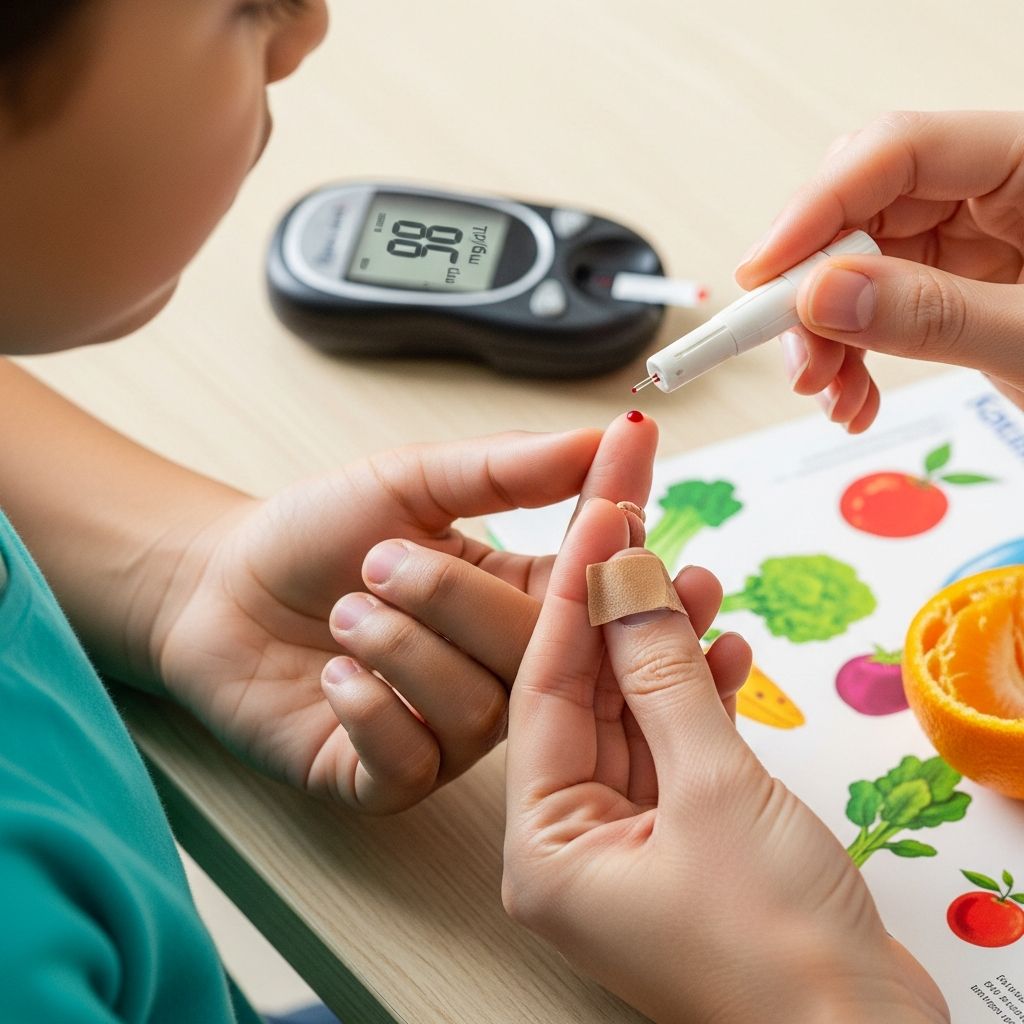
Blood glucose, often called blood sugar, serves as the primary energy source for the body, particularly vital for growing children whose brains and muscles rely heavily on it for development and daily activities. Maintaining balanced levels is crucial to prevent immediate issues like fatigue or confusion and long-term risks such as organ damage.
Understanding the Role of Glucose in a Child’s Body
Glucose enters the bloodstream from digested carbohydrates in foods like fruits, grains, and dairy. The hormone insulin, produced by the pancreas, helps cells absorb this glucose for energy or storage. In healthy children, this process keeps blood glucose stable, typically between 70-140 mg/dL during the day. Disruptions, often from type 1 or type 2 diabetes, impair insulin function, leading to fluctuations that require vigilant monitoring.
For young bodies in constant growth, consistent energy supply supports cognitive function, physical play, and immune response. Parents play a key role in recognizing when levels stray, using tools like glucometers to track and adjust through diet, activity, or medication.
Normal Blood Glucose Targets for Kids
Target ranges vary by age, time of day, and diabetes status, but general guidelines from pediatric experts provide a framework. For children with diabetes, daytime goals often fall between 70-180 mg/dL, tightening to 70-150 mg/dL for older kids to minimize complication risks.
| Time of Day/Age Group | Target Range (mg/dL) | Notes |
|---|---|---|
| Before meals (all ages) | 90-130 | Avoid lows to prevent energy dips |
| Bedtime | 90-150 | Prevents nighttime hypos |
| Under 5 years (goal) | 80-200 | Balanced for growth |
| 5-11 years | 70-180 | A1c under 8.0% |
| 12+ years | 70-150 | A1c under 7.5% |
HbA1c tests, reflecting 2-3 month averages, aim for under 7% in verbal children to safeguard brain health and development. Fasting levels of 70-99 mg/dL indicate normalcy in non-diabetic kids. Always consult a pediatric endocrinologist for personalized targets.
Recognizing High Blood Glucose (Hyperglycemia)
Hyperglycemia occurs when blood glucose exceeds 180-200 mg/dL persistently, straining the body and risking ketoacidosis if untreated. Common in diabetes mismanagement, infection, or stress, it manifests differently in children.
- Excessive thirst and frequent urination as kidneys flush excess sugar
- Fatigue and irritability from cells starving despite high levels
- Blurred vision and headaches
- Abdominal pain, nausea, or fruity breath in severe cases
- Slow-healing cuts or recurrent infections
Levels above 250 mg/dL warrant immediate checks for ketones, especially if accompanied by vomiting. Long-term highs elevate risks for eye, kidney, and heart issues, underscoring regular monitoring.
Spotting Low Blood Glucose (Hypoglycemia)
Hypoglycemia, below 70 mg/dL, demands swift action as it can progress to seizures or unconsciousness. Often triggered by excess insulin, skipped meals, or intense exercise, symptoms escalate quickly in kids.
- Shakiness, sweating, and paleness
- Hunger pangs and nausea
- Confusion, irritability, or mood swings
- Headaches, blurred vision, or slurred speech
- In toddlers: clinginess, nightmares, or inconsolable crying
Treat with 15g fast-acting carbs like juice or glucose tabs, rechecking after 15 minutes. Severe cases may need glucagon. Nighttime lows are sneaky; CGMs alert parents proactively.
Effective Methods for Testing Blood Glucose
Regular testing empowers parents to spot patterns and adjust care. Traditional finger-prick glucometers remain reliable, but tech advances offer less invasive options.
Finger-Prick Glucometer Testing
Using a lancet and strip, prick the finger side for a drop of blood. Test before meals, bedtime, and symptoms—aim for 4+ times daily. Clean hands ensure accuracy; log results with apps for trends.
Continuous Glucose Monitors (CGMs)
Sensors under the skin track glucose every 5 minutes, sending data to phones. Alarms for highs/lows reduce checks and anxiety. Calibrate with occasional finger-pricks; ideal for active kids.
HbA1c and Lab Tests
Quarterly HbA1c via blood draw gauges control. Fasting or random tests diagnose issues early.
Practical Tips for Daily Monitoring
Integrate testing into routines: pair with meals or school snacks. Involve kids age-appropriately to build independence. Track alongside food, exercise, and stress for insights—apps visualize patterns.
- Before/after exercise: Adjust insulin/carbs
- Illness: Test hourly; highs common
- School: Teach staff hypo signs
- Night: 2-3 AM checks initially
For non-diabetic kids, test only if symptoms suggest imbalance, like persistent fatigue.
Diabetes Management Strategies Centered on Glucose Control
Beyond testing, balance involves carb counting, insulin dosing, and lifestyle. Educate on portions: pair carbs with proteins/fats for steady release. Encourage 60 minutes daily activity, watching for lows.
Tech like insulin pumps syncs with CGMs for auto-adjustments. Multidisciplinary teams—doctors, dietitians, psychologists—optimize outcomes. Early intervention prevents complications like neuropathy.
Age-Specific Considerations
Infants/toddlers: Frequent feeds, watch unexplained fussiness. School-age: Promote self-testing. Teens: Address rebellion, driving rules (pre-drive >90 mg/dL).
Puberty spikes needs; monitor closely.
Frequently Asked Questions (FAQs)
What if my non-diabetic child has high readings?
Rare, but stress/illness can cause temporary spikes. Persistent? See a doctor for prediabetes check.
How often should I test my diabetic toddler?
8-12 times daily initially, tapering with CGM.
Can exercise cause lows hours later?
Yes; snack preemptively and monitor overnight.
What’s a safe bedtime level?
90-150 mg/dL to buffer sleep.
Do CGMs hurt?
Insertion stings briefly; many kids adapt quickly.
Long-Term Outlook and Prevention
Tight control yields normal growth, sharp cognition. Annual eye/kidney checks catch issues early. Families thrive with support groups, mastering this ‘new normal’ for vibrant lives.
References
- Blood Sugar Levels In Children: What To Look For And When To Test — Making Diabetes Easier. 2023. https://www.makingdiabeteseasier.com/uk/managing-diabetes/blood-sugar-levels-children
- Checking Blood Glucose in Kids — Children’s Healthcare of Atlanta. 2024. https://www.choa.org/parent-resources/diabetes/checking-blood-glucose-in-kids
- Blood sugar testing and goals — UC Davis Health. 2024. https://health.ucdavis.edu/children/patient-education/pediatric-diabetes/blood-sugar-testing
- Monitoring Blood Glucose and Ketones — Dartmouth Health Children’s. 2023. https://childrens.dartmouth-health.org/diabetes-education/monitoring-blood-glucose-and-ketones
- Type 1 diabetes in children – Diagnosis and treatment — Mayo Clinic. 2025-01-10. https://www.mayoclinic.org/diseases-conditions/type-1-diabetes-in-children/diagnosis-treatment/drc-20355312
- Managing Blood Sugars When Your Child Has Type 1 Diabetes — KidsHealth. 2024. https://kidshealth.org/en/parents/diabetes-control.html