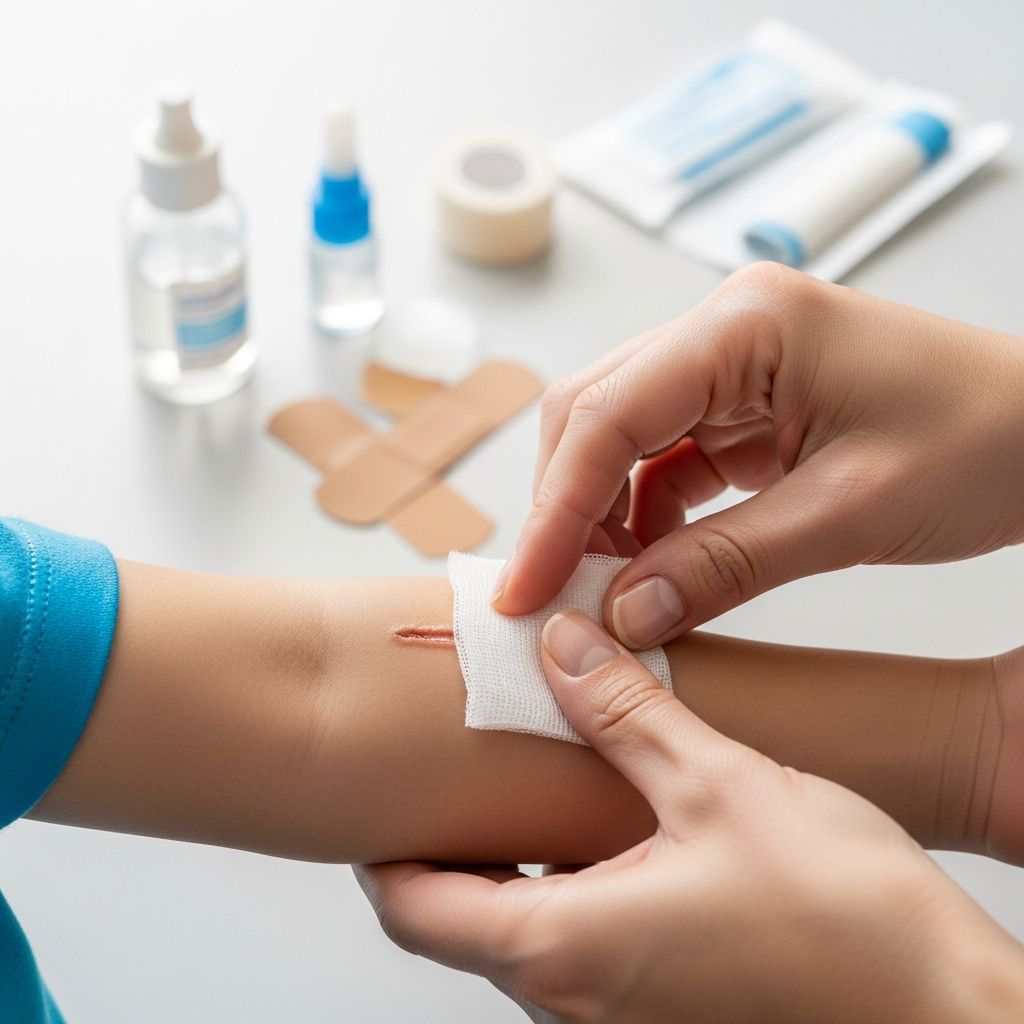
Bleeding in children is common and often looks frightening, even when the injury is minor. Understanding how to respond calmly and correctly can help you protect your child, prevent complications, and know when it is time to seek urgent medical care.
This guide explains typical causes of bleeding in kids, step-by-step first aid for common situations, warning signs of serious blood loss, and special issues like frequent nosebleeds or bleeding disorders.
How Bleeding Works: A Quick Overview for Parents
Whenever the skin or a blood vessel is injured, blood leaks out of the damaged vessel. The body responds quickly by forming a blood clot to seal the opening and stop the bleeding.
- Blood vessels tighten to slow blood flow.
- Platelets (tiny blood cells) stick together at the injury site to form a temporary plug.
- Clotting factors (proteins in blood) create a stable clot over the platelet plug.
If this process is disrupted (for example, in a bleeding disorder or with certain medications), bleeding can last longer or be heavier than expected.
Common Causes of Bleeding in Children
Most childhood bleeding episodes are related to minor injuries or irritation of delicate tissues.
- Cuts and abrasions from falls, sports, or sharp objects.
- Nosebleeds, often from dry air, nose picking, allergies, or minor trauma.
- Mouth and tongue injuries from biting, falls, or sports impacts.
- Skin punctures from splinters, animal scratches, or sharp toys.
- Post-procedure bleeding after dental work or minor surgery.
Less commonly, bleeding can signal an underlying medical problem, such as a bleeding disorder (like hemophilia or von Willebrand disease), a blood-clotting problem, or disease in organs like the intestines.
Minor vs. Serious Bleeding: What Parents Should Watch For
Not all bleeding is equally urgent. The table below compares features of typical minor bleeding and signs that bleeding might be serious.
| Minor bleeding | Potentially serious bleeding |
|---|---|
| Small cut or scrape; blood slows within a few minutes of pressure | Bleeding continues heavily despite 10–15 minutes of firm pressure |
| Superficial skin wound with edges that come together easily | Deep gaping wound, visible muscle or bone, or spurting blood |
| Small, isolated nosebleed that stops with pinching | Frequent or prolonged nosebleeds, or bleeding from several body sites |
| Normal activity and behavior after the injury | Weakness, dizziness, fainting, confusion, or very pale, cool skin (possible blood loss shock). |
| No blood in vomit or stool | Blood in vomit or coughing up blood; black, tar-like stool or bright red blood from the rectum. |
First Aid for Cuts, Scrapes, and Skin Wounds
For most skin injuries, simple first aid at home is enough.
Step-by-step care
- Stay calm and reassure your child. Children often cry more from fear than from pain.
- Wash your hands or use sanitizer before touching the wound.
- Apply direct pressure. Use a clean cloth or sterile gauze and press firmly on the wound for several minutes without lifting to check.
- Elevate the injured area above the level of the heart if possible to slow bleeding.
- Gently clean the wound with clean running water to remove dirt and debris. Mild soap can be used around (not deep inside) the wound.
- Remove obvious dirt with clean tweezers that have been wiped with alcohol.
- Apply a thin layer of antibiotic ointment if recommended by your child’s doctor.
- Cover with a clean bandage or dressing. Change daily or whenever it becomes wet or dirty.
When a cut may need medical care
- Bleeding does not slow after 10–15 minutes of steady, direct pressure.
- The wound is deep, heavily contaminated, or caused by a bite.
- You cannot clean out dirt or debris completely.
- The edges of the cut are far apart or gaping (may need stitches).
- The injury is on the face, genitals, or over a joint and looks deep.
- Your child has not had recommended tetanus vaccinations.
How to Handle Nosebleeds Safely
Nosebleeds are one of the most frequent bleeding problems in children. They usually originate from small fragile blood vessels in the front part of the nose.
Correct first-aid position
- Have your child sit upright, leaning slightly forward. This helps prevent swallowing blood.
- Pinch the soft part of the nose (just below the bony bridge) using your thumb and index finger.
- Maintain firm pressure continuously for 10 minutes. Do not release to check early.
- Ask your child to breathe through their mouth and stay quiet and still.
- Place a cool compress on the bridge of the nose and cheeks to help constrict blood vessels.
After the bleeding stops
- Avoid nose blowing, picking, or heavy activity for several hours.
- Use a cool-mist humidifier in the bedroom if the air is dry.
- Ask your doctor about saline nose sprays or gels to keep nasal passages moist.
When to call the doctor for nosebleeds
- Bleeding lasts longer than 20 minutes despite proper pressure.
- Nosebleeds occur several times a week or more.
- Your child also bruises easily or bleeds heavily from minor cuts.
- There was a significant head or facial injury before the nosebleed.
Bleeding from the Mouth, Gums, or Tongue
The mouth and tongue have many blood vessels, so small injuries can bleed a lot but often heal quickly.
- Have your child rinse gently with cool water to clean the area.
- Apply pressure with a clean cloth or gauze if you can reach the bleeding site.
- For tongue or lip bites, use a cold compress or an ice pop (if age-appropriate) to reduce pain and swelling.
- Offer soft, cool foods and avoid hot or salty foods that can irritate the wound.
Contact a healthcare professional if bleeding is heavy or does not stop, if a cut extends through the lip, or if a tooth is knocked out or loosened.
Internal Bleeding: Why Blood in Vomit or Stool Matters
Sometimes bleeding happens inside the body, especially in the digestive tract. This can be much more serious because it may not be visible right away.
Possible signs of gastrointestinal (GI) bleeding
- Bright red blood in vomit or material that looks like coffee grounds.
- Black, tar-like, or very dark stools (possible digested blood).
- Red blood mixed with or coating the stool.
- Abdominal pain, weakness, dizziness, or fainting.
- Pale skin, fast heart rate, or rapid breathing.
These symptoms require prompt medical evaluation. Doctors may use physical examination, blood tests, and specialized procedures (such as endoscopy) to locate the source of bleeding and decide on treatment.
Bleeding Disorders and Children
Some children are born with conditions that affect the way their blood clots. The most common inherited bleeding disorder is von Willebrand disease, followed by hemophilia A and B.
Clues that a bleeding disorder may be present
- Frequent or very large bruises, especially without clear injuries.
- Prolonged bleeding from minor cuts or after dental work.
- Regular nosebleeds that are hard to control.
- Heavy menstrual periods in adolescents (soaking through pads or tampons very quickly).
- Family history of hemophilia, von Willebrand disease, or other bleeding problems.
If these patterns are present, doctors may refer your child to a pediatric hematologist for detailed evaluation, including blood tests to measure platelets and clotting factors.
Caring for a child with a known bleeding disorder
- Learn and follow the care plan from the hematology team, including when to use clotting factor or other medicines.
- Treat even minor bleeds promptly with pressure and appropriate medications if prescribed.
- Use protective gear (helmets, pads) for sports as recommended.
- Check with your child’s specialist before giving over-the-counter medicines like aspirin or ibuprofen, which can affect clotting.
Warning Signs of Severe Blood Loss (Hemorrhage)
Heavy, uncontrolled bleeding is a medical emergency. Major blood loss can lead to hemorrhagic shock, where the body’s organs do not get enough oxygen-rich blood.
Emergency symptoms
- Bleeding that soaks through bandages quickly or spurts from the wound.
- Very pale, cool, or clammy skin; sweating.
- Fast heartbeat, rapid breathing, or trouble breathing.
- Dizziness, confusion, extreme sleepiness, or loss of consciousness.
- Severe abdominal pain with a rigid or swollen belly, especially with blood in vomit or stool.
If you see these signs, call emergency services immediately. While you wait, keep applying firm pressure to visible wounds and keep your child lying down with legs slightly raised if they are awake and breathing normally.
Safe Bleeding First Aid: Do’s and Don’ts
- Do stay calm; your child will take cues from your reaction.
- Do use clean cloths or sterile gauze for pressure.
- Do seek medical help if you are unsure about the severity of the bleeding.
- Don’t use a tourniquet unless you have been trained and the situation is life-threatening.
- Don’t remove large objects stuck in a wound; stabilize them and get emergency care.
- Don’t tilt the head back during a nosebleed (this increases swallowing of blood).
- Don’t put powders or household products into a wound.
Frequently Asked Questions (FAQs)
How much bleeding is normal from a small cut?
Small cuts and scrapes usually ooze for several minutes and then slow once you apply firm pressure. If bleeding continues heavily beyond 10–15 minutes of continuous pressure, or the blood is spurting, the injury needs urgent medical attention.
My child gets nosebleeds often. Should I be worried?
Many children have occasional nosebleeds, especially in dry climates or during allergy seasons. However, frequent or prolonged nosebleeds, especially when combined with easy bruising or a family history of bleeding problems, should be discussed with your child’s doctor to rule out underlying conditions.
When should I suspect an internal bleed in my child?
Signs such as blood in vomit, black or tar-like stool, bright red blood from the rectum, severe abdominal pain, weakness, or dizziness may point to bleeding inside the digestive tract and require prompt medical evaluation.
What if my child has a known bleeding disorder and gets injured?
Follow the emergency plan provided by the hematology team, which may include giving clotting factor or other medication right away, using firm pressure, and seeking immediate medical care for head injuries, deep cuts, or joint or muscle bleeds.
Can over-the-counter pain medicines affect bleeding?
Some medicines, including aspirin and many non-steroidal anti-inflammatory drugs (NSAIDs), can interfere with platelets and clotting. Children with bleeding risk or bleeding disorders should only use medications recommended by their healthcare team.
References
- Pediatric gastrointestinal (GI) bleeding — Children’s Health. 2023-06-01. https://www.childrens.com/specialties-services/conditions/gi-bleeding
- A to Z Symptom: Rectal Bleeding (for Parents) — CHOC Children’s / KidsHealth. 2022-05-10. https://kidshealth.org/CHOC/en/parents/az-symptoms-rectal-bleeding.html
- Bleeding Disorders in Children: von Willebrand Disease and Hemophilia — American Academy of Pediatrics / HealthyChildren.org. 2023-04-18. https://www.healthychildren.org/English/health-issues/conditions/chronic/Pages/bleeding-disorders-in-children-von-willebrand-disease-and-hemophilia.aspx
- Treating a Minor Bleed in a Child with a Bleeding Disorder — St. Jude Children’s Research Hospital (Together by St. Jude). 2024-07-01. https://together.stjude.org/en-us/medical-care/clinical-and-home-care/treat-a-bleed.html
- Upper GI Bleeding in Children — GiKids / North American Society for Pediatric Gastroenterology, Hepatology and Nutrition. 2022-11-15. https://gikids.org/digestive-topics/upper-gi-bleeding/
- Gastrointestinal bleeding – Symptoms and causes — Mayo Clinic. 2023-10-05. https://www.mayoclinic.org/diseases-conditions/gastrointestinal-bleeding/symptoms-causes/syc-20372729
- Pediatric Nosebleeds — Children’s National Hospital. 2022-03-22. https://www.childrensnational.org/get-care/health-library/nosebleeds