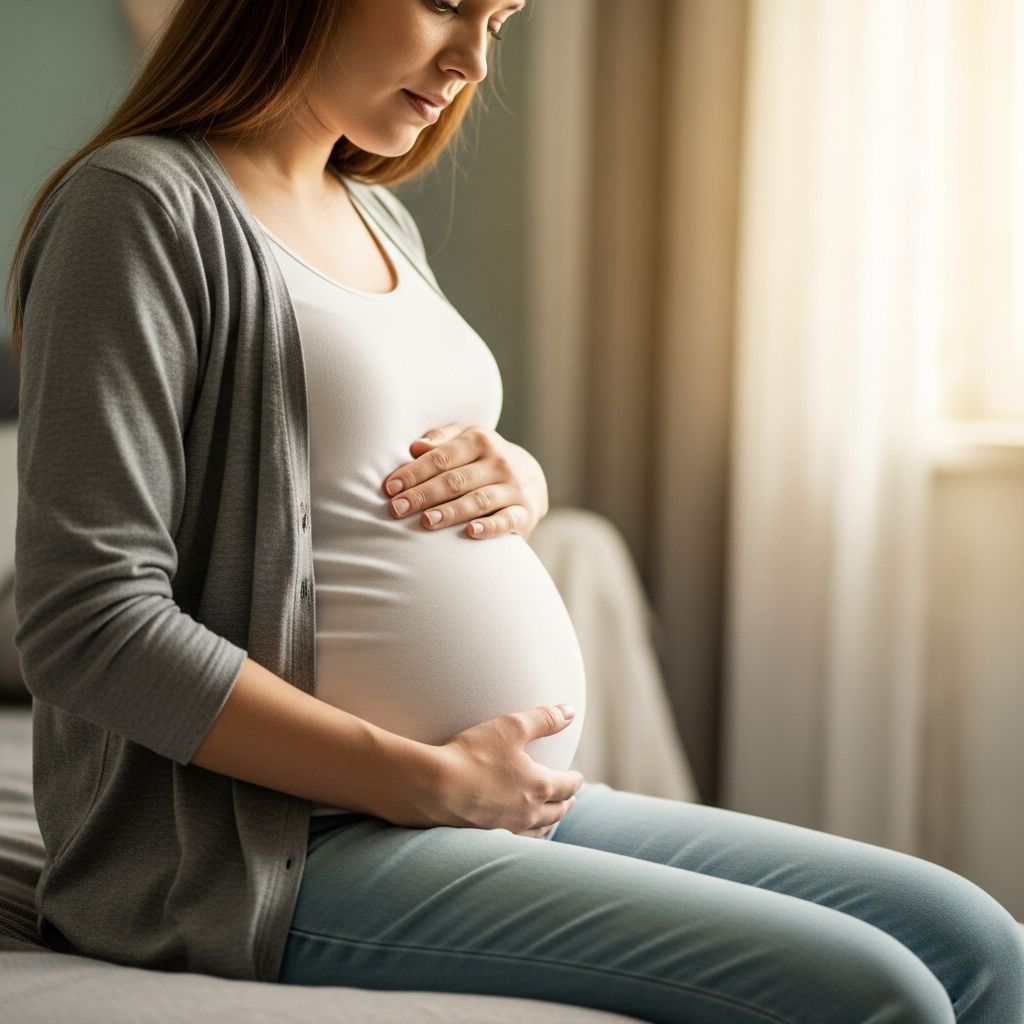
Bladder pain and pressure are extremely common during pregnancy, but they can be confusing and sometimes worrying. Understanding what is normal, what might signal an infection, and how to safely ease the discomfort helps you protect both your health and your baby’s.
How Pregnancy Affects Your Bladder
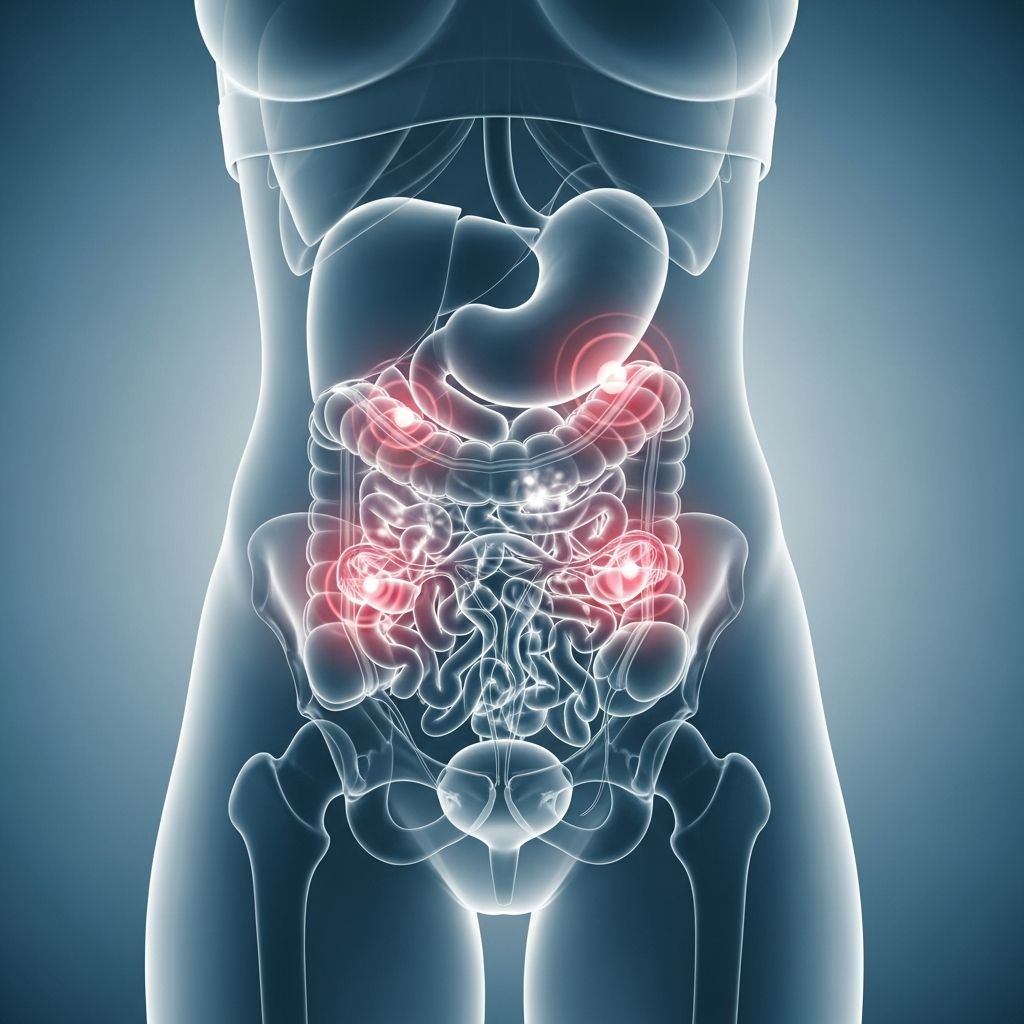
During pregnancy, your body changes rapidly to support your growing baby, and your urinary system feels many of those changes first. Hormones, increased blood volume, and a growing uterus all influence how often you need to pee and how your bladder feels.
Some degree of pelvic pressure, frequent urination, and mild bladder discomfort can be normal. The key is learning to recognize when symptoms suggest something more serious, such as a urinary tract infection (UTI) or another condition that needs medical care.
- Increased blood volume means your kidneys filter more fluid, filling your bladder faster.
- Pregnancy hormones relax muscles, including those in your urinary tract, which can affect bladder control and emptying.
- The expanding uterus takes up more space in your pelvis, pressing directly on your bladder.
Common Types of Bladder-Related Discomfort
Not all bladder pain feels the same. The type, timing, and location of your discomfort can point to different causes. Paying attention to how the pain behaves can help you describe it more clearly to your doctor or midwife.
Below is a simple overview of different sensations you might notice and what they may suggest.
| Type of feeling | Typical description | Possible cause |
|---|---|---|
| Burning when you pee | Stinging or burning in the urethra during urination | Urinary tract infection, irritation from products, dehydration |
| Constant pelvic pressure | Heavy, full, or achy feeling low in the pelvis | Baby’s weight on the bladder, increased blood flow, pelvic floor strain |
| Sharp twinges with movement | Sudden, stabbing pains when standing, rolling over, or with a very full bladder | Ligament stretching, sudden pressure shifts, or bladder spasm |
| Cramping while or after peeing | Crampy, menstrual-like discomfort in the lower abdomen | UTI, bladder irritation, or uterine tightening triggered by a full bladder |
| Pain with frequent, urgent urination | Needing to pee often, with discomfort or only small amounts of urine | UTI or overactive, irritated bladder |
Major Causes of Bladder Pain During Pregnancy
Many different factors can make your bladder hurt or feel pressured while you are pregnant. Some are harmless side effects of pregnancy, while others require diagnosis and treatment. Never try to self-diagnose; use this list as a guide to ask better questions and seek timely care.
1. Normal Pressure from the Growing Uterus
As the uterus expands, it pushes down on the bladder, especially in the second and third trimesters. This pressure decreases the space available for urine, so even a small amount of fluid can make you feel uncomfortably full.
- You may feel heaviness, fullness, or dull aching in the lower abdomen and pelvis.
- Discomfort usually improves after you empty your bladder and is not associated with burning or fever.
- Shifting positions, such as leaning forward when peeing, can sometimes help empty the bladder more completely.
2. Urinary Tract Infections (UTIs)
UTIs are one of the most common medical causes of bladder pain during pregnancy. Changes in hormone levels and urinary flow can make it easier for bacteria to grow in the bladder or urethra.
UTIs may begin with subtle symptoms, so it is important to pay attention to early warning signs and contact your healthcare provider quickly if you suspect an infection.
- Burning, stinging, or sharp pain during urination.
- Needing to pee suddenly or very often, even when only small amounts come out.
- Cloudy, foul-smelling, or pink-tinged urine.
- Low pelvic cramping that does not improve after you empty your bladder.
- Possible low-grade fever, chills, or feeling generally unwell if the infection is more advanced.
3. Kidney Infections (Pyelonephritis)
If a bladder infection spreads upward to the kidneys, it becomes a more serious condition known as a kidney infection. This is an emergency in pregnancy because it can make you very unwell and increase the risk of complications for your baby.
- Severe back or flank pain, usually on one side, often above the waistline.
- High fever, chills, and sometimes nausea or vomiting.
- Burning or urgency when urinating may still be present, but back pain and fever usually stand out.
- Immediate medical evaluation and antibiotics are essential; do not wait to see if it improves on its own.
4. Bladder Irritation and Overactive Bladder
Even without infection, the bladder lining can become irritated during pregnancy. Hormone changes, dehydration, dietary triggers, or pressure from the uterus can make the bladder more sensitive.
- Frequent urination and strong urges to pee, sometimes with mild pelvic discomfort.
- Little or no burning, and urine tests may show no infection.
- Certain foods and drinks such as coffee, tea, carbonated beverages, citrus juices, and spicy foods can worsen symptoms in some people.
5. Pelvic Floor Strain
The muscles of the pelvic floor support the uterus, bladder, and bowel. As your baby grows and your posture changes, these muscles work harder and can become tight, tired, or painful.
- Dull aching or pressure around the bladder and perineum, especially after standing for long periods.
- Leaking small amounts of urine when coughing, laughing, or sneezing.
- Discomfort that often improves with rest, gentle stretching, or guided pelvic floor exercises.
6. Bladder Pain Syndrome (Interstitial Cystitis)
Some people enter pregnancy already living with chronic bladder pain syndrome, also known as interstitial cystitis. Others may first notice symptoms during pregnancy, though this is less common and can be difficult to diagnose while expecting.
- Ongoing pelvic and bladder pain, often described as burning, pressure, or soreness.
- Needing to pee very often, including many times at night.
- Negative urine cultures, meaning testing does not show bacteria even though pain is present.
- Management usually focuses on symptom control and avoiding known triggers, guided by a specialist.
Is My Bladder Pain Normal or an Emergency?
It can be difficult to know when discomfort is just part of pregnancy and when it signals a serious problem. When in doubt, call your provider, especially if your symptoms are new, severe, or quickly getting worse.
Urgent Warning Signs
Contact your doctor, midwife, or emergency services right away if you have bladder pain plus any of the following:
- Fever of 38°C (100.4°F) or higher.
- Severe back or side pain, especially under the ribs.
- Blood in your urine or urine that looks red or cola-colored.
- Burning or pain with urination that is intense or rapidly worsening.
- Contractions, tightening, or cramping that occurs regularly and does not ease with rest and hydration.
- Reduced fetal movement later in pregnancy.
- Feeling faint, confused, or very unwell overall.
When to Book a Routine Appointment
Set up a non-urgent appointment with your provider if you have:
- Mild, ongoing pelvic pressure or bladder discomfort that is bothering you but not severe.
- Frequent urination that feels different from your usual pregnancy pattern.
- Repeated episodes of burning or urgency, even if previous tests were normal.
Safe Ways to Ease Bladder Pain at Home
Home care cannot replace medical treatment for infections or serious conditions, but it can help reduce everyday discomfort and support your recovery when used alongside your provider’s advice. Always check before starting new supplements or medications during pregnancy.
Hydration and Bathroom Habits
How you drink fluids and empty your bladder can make a noticeable difference in daily comfort. Simple changes in routine often offer relief.
- Sip water steadily throughout the day instead of drinking large amounts all at once.
- Aim for pale-yellow urine as a sign of good hydration.
- Lean slightly forward when you pee and wait a few extra seconds to help fully empty your bladder.
- Do not hold your urine for long periods, as this can increase discomfort and infection risk.
Comfortable Positions and Support
Changing how you sit, stand, and sleep can reduce pressure on your bladder and pelvic floor. Joint and ligament laxity in pregnancy makes posture especially important.
- When sitting, keep your feet flat on the floor and avoid crossing your legs for long periods.
- Use a pregnancy pillow or extra cushions to support your belly and hips when lying on your side.
- Try gentle pelvic tilts or cat-cow stretches, if approved by your provider, to relieve lower back and pelvic tension.
- Consider a maternity support belt if you feel heavy pressure when standing or walking.
Food and Drink That May Irritate the Bladder
Some foods and beverages can irritate a sensitive bladder. Not everyone reacts to the same items, so use a symptom diary to see what affects you personally.
- Common triggers include coffee, tea, cola, energy drinks, highly acidic juices (like orange or grapefruit), and artificial sweeteners.
- Spicy foods, tomato-based sauces, and very salty snacks can worsen symptoms for some people.
- Focus on balanced meals with whole grains, lean protein, fruits, vegetables, and plenty of plain water or non-caffeinated herbal teas approved for pregnancy.
Pelvic Floor Awareness
Pelvic floor exercises are often discussed in pregnancy, but doing them incorrectly or too forcefully can actually increase discomfort. Learning to both strengthen and relax these muscles can support your bladder and reduce pain.
- If possible, consult a pelvic floor physiotherapist experienced in prenatal care.
- Practice gentle, slow contractions followed by full relaxation, rather than rapid, repeated squeezes all day.
- Focus on breathing: exhale during the effort of lifting a muscle contraction and inhale as you release.
Medical Treatments Your Provider May Recommend
If your provider suspects infection or another medical issue, they will usually start with a urine test and a physical examination. Treatment plans are always chosen with the safety of you and your baby in mind.
Antibiotics for UTIs
Most UTIs in pregnancy are treated with a course of pregnancy-safe antibiotics. Taking the full course exactly as prescribed is essential, even if your symptoms improve quickly.
- Do not skip doses or stop early just because you feel better.
- Your provider may recheck your urine after treatment to confirm the infection has cleared.
- Untreated or partially treated infections can return or progress to kidney infections.
Pain Relief and Supportive Care
Your provider may suggest safe pain relief options, such as certain types of oral medication or topical measures, depending on your medical history and trimester.
- Only take pain relievers that your doctor or midwife has specifically approved for your stage of pregnancy.
- Warm (not hot) compresses over the lower abdomen or back may help ease muscle-related discomfort.
- In some cases, referral to a urologist, obstetrician, or pelvic floor specialist may be recommended for chronic or complex bladder pain.
Living with Bladder Pain While Pregnant
Persistent bladder pain can affect sleep, mood, and daily activities during pregnancy. Creating a supportive environment and honest communication with your care team makes a meaningful difference.
- Track symptoms with a simple log noting time of day, pain level, fluid intake, and possible triggers.
- Share this log with your provider to help them identify patterns and choose the most appropriate treatment.
- Ask about mental health support if ongoing pain makes you feel anxious, frustrated, or low in mood.
- Involve your partner or support network so they understand what you are experiencing and how they can help.
Frequently Asked Questions
Is bladder pain always a sign of a UTI in pregnancy?
No. While UTIs are a frequent cause of bladder pain, many pregnant people experience pressure, aching, or frequent urination purely from normal mechanical and hormonal changes. Because symptoms overlap, only a healthcare professional can confirm whether you have an infection through examination and urine testing.
Can bladder pain harm my baby?
Mild, occasional bladder discomfort related to pressure and normal pregnancy changes is generally not harmful to your baby. However, untreated infections or severe pain may pose risks, which is why it is vital to seek medical advice if your symptoms are intense, persistent, or accompanied by fever, blood in the urine, or contractions.
How can I tell the difference between bladder cramps and contractions?
Bladder discomfort often centers around urination and may feel like a burning, stinging, or aching sensation especially when your bladder is full or being emptied. Contractions usually involve a wave of tightening or hardening across the entire womb, often coming at regular intervals and sometimes spreading to the back. If you are unsure, time the sensations and contact your provider for guidance.
Is it safe to drink cranberry juice or take supplements for UTIs while pregnant?
Cranberry products may help reduce the chance of some types of urinary infections in certain people, but they are not a substitute for antibiotics and do not treat an active infection. Always talk to your doctor or midwife before starting cranberry supplements or concentrated products during pregnancy, as they may interact with medications or not be appropriate for everyone.
Will bladder pain go away after I give birth?
For many people, bladder pressure and frequent urination improve significantly once the baby is born and the uterus shrinks back down. However, if you had an underlying bladder condition or pelvic floor issues before pregnancy, some symptoms may persist and require follow-up care. Postpartum checkups are an opportunity to discuss any ongoing bladder problems so that you can receive targeted treatment and support.
Important: This article is for general educational purposes and does not replace personalized medical advice. Always consult your healthcare provider about any symptoms you experience during pregnancy and follow their recommendations for testing, treatment, and follow-up care.