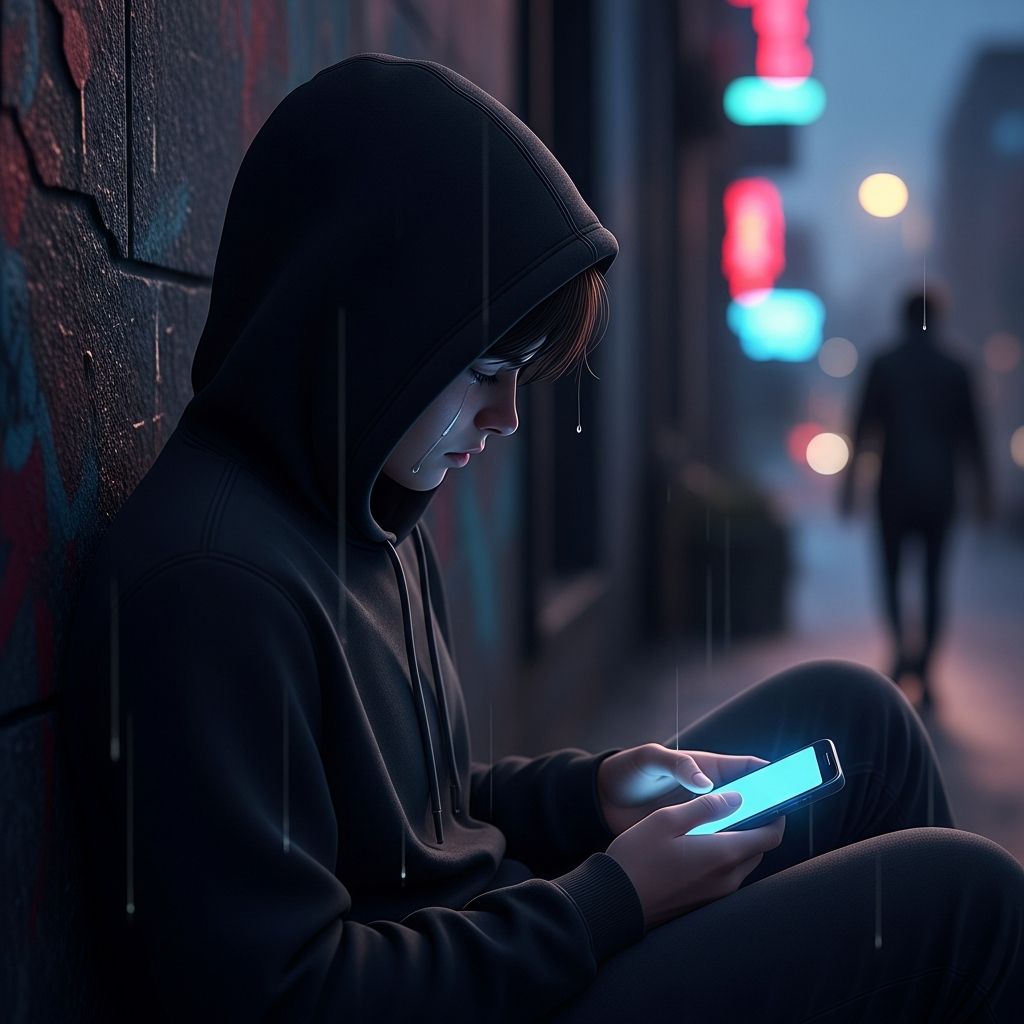
The pursuit of **Black excellence**—a cultural imperative rooted in resilience against historical and ongoing inequities—often places immense expectations on young Black individuals. While it fosters achievement and community pride, this drive can contribute to heightened mental health struggles among youth, including depression, anxiety, and aggressive behaviors. Balancing ambition with well-being requires understanding these dynamics and implementing protective strategies.
Defining Black Excellence in Modern Contexts
Black excellence emerges as a response to systemic barriers, emphasizing superior performance in education, careers, and personal development to counter stereotypes and advance communal progress. For youth, this translates to parental and societal pushes for top grades, extracurricular dominance, and flawless conduct. Yet, this high-stakes environment can amplify stress, particularly when intersecting with racial discrimination and neighborhood challenges.
Research underscores that Black adolescents navigating these pressures face unique mental health vulnerabilities. For instance, the emphasis on outperforming peers to prove worth can lead to chronic stress, mirroring broader patterns where youth in marginalized communities report elevated psychological strain.
Mental Health Challenges Tied to High Expectations
Young Black people encounter disproportionate mental health issues, exacerbated by the weight of excellence mandates. Between 1991 and 2019, suicide attempts among Black adolescents rose nearly 80%, the sharpest increase across racial groups. This trend persists amid factors like perceived racial discrimination, occurring on average five times daily for Black teens, which correlates with harsher school discipline and untreated mental health symptoms mislabeled as misbehavior.
- Depression and Suicidality: 26.8% of youth report suicidal ideation, with Black youth showing higher attempt rates than others.
- Aggressive Behaviors: Untreated anxiety or depression often manifests as conduct issues, leading to punitive responses rather than care.
- PTSD from Racial Trauma: Exposure to online videos of police violence heightens depressive and post-traumatic symptoms like hyperarousal and avoidance, especially for Black teen girls.
Neighborhood environments compound these risks. Areas marked by poverty, violence, and limited resources—disproportionately affecting Black families—elevate stress through factors like gang activity and discrimination. A review of studies links these elements to poorer mental health outcomes, urging community interventions like park revitalization.
The Role of School Environments in Mental Well-Being
Schools serve as critical arenas where excellence pressures play out. Black students perceived as older or less innocent face stricter punishments for behaviors stemming from mental health issues, diverting them from counseling to detention or expulsion. Conversely, fostering school connectedness—feeling part of the community, safe, and valued—yields lasting benefits.
A Rutgers study tracked Black youth from age 9, finding those with high school connectedness at baseline exhibited fewer depressive symptoms and aggressive behaviors six years later, even after controlling for family, neighborhood, and socioeconomic variables. This effect was strongest for girls, highlighting schools’ potential as mental health buffers. Implications include advocating for increased school funding to enhance belonging through inclusive programs.
| Factor | Impact on Black Youth | Evidence-Based Solution |
|---|---|---|
| Low School Connectedness | Higher depression and aggression by adolescence | Programs promoting safety and inclusion |
| High Academic Pressure | Increased stress and burnout | Balanced curricula with mental health support |
| Racial Discipline Disparities | Misdiagnosis of mental health as defiance | Cultural competency training for educators |
Social Media’s Amplification of Stressors
Digital platforms intensify the excellence narrative while exposing youth to trauma. Viral content depicting racial violence triggers PTSD-like responses in Black and Latinx adolescents, with girls at compounded risk due to body image pressures. Positive counter-movements like #BlackGirlMagic boost self-esteem—82% of young Black women surveyed noted its impact, 69% reporting gains—but cannot fully offset negative exposures.
Parents must guide media consumption, encouraging heritage-affirming content to build resilience against devaluing narratives.
Barriers to Mental Health Support
Access remains a hurdle: only 25% of Black individuals seek treatment versus 40% of whites, due to stigma, historical mistrust, and provider shortages. Merely 4% of psychologists are Black, and 80% lack training in race-based trauma. Racial minority adolescents receive mental health services far less often than white peers.
These gaps perpetuate cycles where symptoms are punished rather than treated, underscoring needs for diverse providers and school-based programs.
Celebrating Strengths and Building Resilience
Beneath challenges lie profound strengths. Black excellence embodies community commitment and resistance, with cultural events like graduations symbolizing progress. Programs like those in Harlem empower youth through historical awareness and leadership, combating racism’s toll.
- Community centers and parks for stress reduction.
- Theory of Change models fostering self-worth.
- Positive social media engagement for empowerment.
Parents can nurture balance by praising effort over outcomes, normalizing therapy, and modeling self-care.
Practical Strategies for Families and Educators
To mitigate pressures:
- Open Dialogues: Discuss racial stressors and excellence myths without shame.
- Holistic Success Metrics: Value creativity, relationships alongside academics.
- Access Resources: Prioritize school-linked therapy and culturally attuned providers.
- Community Advocacy: Support policies for equitable school funding and neighborhood improvements.
These steps promote thriving over mere survival.
Frequently Asked Questions
What is Black excellence, and why does it pressure youth?
It’s a drive for outstanding achievement amid inequities, but it can overburden youth with perfectionism, risking burnout and mental health decline.
How does school connectedness help Black youth?
Feeling valued at school at age 9 predicts lower depression and aggression by age 15, per Rutgers research.
Why do Black youth face higher suicide risks?
Factors include racial trauma, discrimination, neighborhood stress, and treatment barriers, with attempts up 80% from 1991-2019.
Can social media aid or harm Black teen mental health?
It harms via trauma exposure but helps through affirming hashtags like #BlackGirlMagic, improving self-esteem for many.
How can parents support mental health amid excellence goals?
Encourage balance, seek diverse therapists, and build school belonging to foster resilience.
References
- For Black Adolescents, Feeling Connected to School Has Long-Lasting Mental Health Benefits — Rutgers University. 2023-10-10. https://www.rutgers.edu/news/black-adolescents-feeling-connected-school-has-long-lasting-mental-health-benefits
- Where Black adolescents live affects their mental health — George Mason University Public Health. 2023-08-01. https://publichealth.gmu.edu/news/2023-08/where-black-adolescents-live-affects-their-mental-health
- Instagram vs. Reality: A Critical Look at Black Teens’ Mental Health — Doximity OpMed. 2023. https://opmed.doximity.com/articles/instagram-vs-reality-a-critical-look-at-black-teens-mental-health
- Black Youth Face Unique Mental Health Challenges — Fraser. 2023. https://www.fraser.org/resources/blog/black-youth-face-unique-mental-health-challenges
- Research Shows Need for Better Mental Health Care for Youth of Color — San Diego Foundation. 2023. https://www.sdfoundation.org/news-events/sdf-news/research-shows-need-for-better-mental-health-care-for-youth-of-color/
- Future Directions on BIPOC Youth Mental Health — PMC/NCBI. 2023-03-15. https://pmc.ncbi.nlm.nih.gov/articles/PMC10036168/
- Making Space for Black Excellence in Harlem — Cabrini Health. 2023. https://www.cabrinihealth.org/making-space-for-black-excellence-in-harlem/