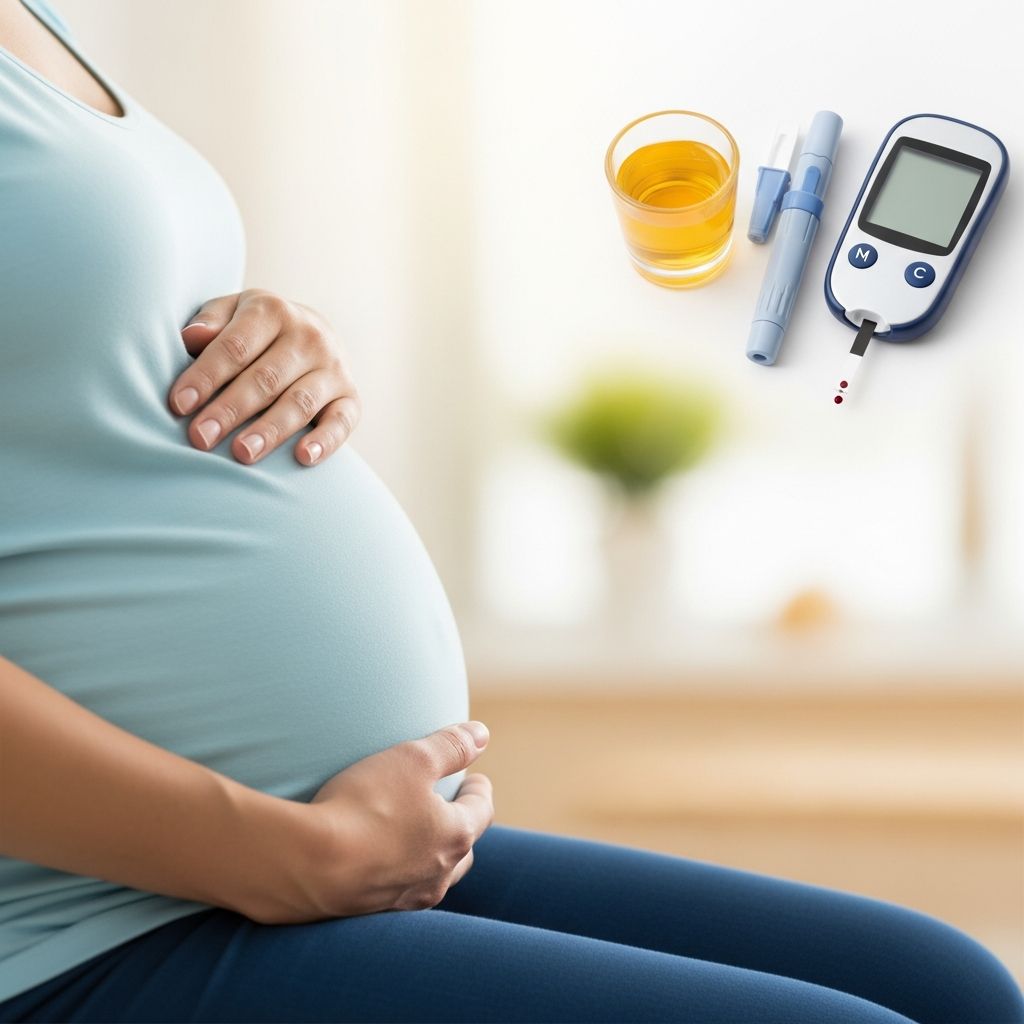
What Are Birth Defects and Why Do They Matter?
Birth defects, medically known as congenital anomalies or congenital disorders, are structural or functional abnormalities that develop during pregnancy and are present at birth. These conditions affect how a baby’s body develops and functions, impacting approximately 1 in 33 infants born in the United States annually. Birth defects can range from mild conditions that require minimal intervention to severe disorders that significantly impact a child’s health, development, and life expectancy.
The significance of understanding birth defects extends beyond individual families. Birth defects remain a leading cause of childhood death, chronic illness, and disability globally. They can affect virtually any body system—including the heart, brain, bones, organs, and limbs—and may impact a child’s appearance, function, or both. The variability in severity means that some conditions are immediately apparent at birth, while others may only become evident months or years later during childhood development.
The Timing and Development of Birth Defects
Understanding when birth defects occur during pregnancy is crucial for parents and healthcare providers. Most birth defects develop during the first trimester, specifically within the first three months of pregnancy, when the baby’s organs are forming and undergoing rapid development. During this critical window, various factors can disrupt normal cellular development and organization.
However, birth defects are not exclusively first-trimester phenomena. Some abnormalities can develop throughout pregnancy as tissues continue to differentiate and organs mature. This extended developmental timeline means that protective measures should continue throughout the entire pregnancy rather than being limited to the earliest weeks.
Multiple Pathways: Understanding the Causes
Birth defects arise through several distinct mechanisms, each with different implications for prevention and management. Research shows that approximately 20% of birth defects result from identifiable genetic factors. However, the majority of cases involve complex interactions between genetic predisposition and environmental exposures, or arise from causes that remain unknown despite extensive investigation.
Genetic and Chromosomal Contributions
Genetic birth defects occur when there are abnormalities in chromosomes or individual genes. These abnormalities may be inherited from parents who either express the condition or carry genetic variants without symptoms themselves. Carriers possess an abnormal gene but remain unaffected, yet can pass the genetic change to offspring.
Importantly, many genetic birth defects arise spontaneously—meaning they are caused by new mutations or chromosomal abnormalities that occur in the fertilized egg rather than being inherited from parents. For instance, Down syndrome typically results from a chromosomal abnormality that occurs randomly during conception rather than being passed through family lineage. Advanced maternal age increases the likelihood of chromosomal abnormalities including Down syndrome.
Infectious Exposures During Pregnancy
Maternal infections represent a significant environmental risk factor for birth defects. Certain infections can cross the placental barrier and directly damage developing fetal tissues. The infections most commonly associated with birth defects include:
- Rubella (German measles)
- Chickenpox (varicella)
- Erythema infectiosum (parvovirus B19 infection, also called fifth disease)
- Toxoplasmosis (transmitted through exposure to cat litter)
- Syphilis and Zika virus infections
A critical aspect of infectious risk is that pregnant women may contract these infections without recognizing symptoms. Some infections cause minimal or no symptoms in adults, making detection challenging without specific testing. Additionally, whether an infection causes a birth defect depends heavily on the gestational age at the time of exposure—exposures during critical developmental windows carry greater risk than those occurring later in pregnancy.
Environmental and Lifestyle Factors
Beyond infections, multiple environmental exposures and maternal health conditions influence birth defect risk. Documented risk factors include maternal nutritional deficiencies (particularly folate and iodine deficiency), exposure to radiation or environmental pollutants, maternal illness such as uncontrolled diabetes, and use of certain medications during pregnancy. Maternal alcohol consumption carries particularly serious risks, as fetal alcohol spectrum disorders represent preventable causes of birth defects and developmental disability.
Occupational hazards and workplace exposures may also contribute to increased birth defect risk. Pregnant individuals working in certain industries should discuss potential exposures with their healthcare providers to implement appropriate protective measures.
The Role of Unknown Causes
Despite advances in medical science, the majority of birth defects have unknown causes. Even common birth defects such as congenital heart defects, cleft lip or palate, and clubfoot typically cannot be attributed to a single identified cause. This reality underscores that while prevention strategies can reduce certain risks, preventing all birth defects remains impossible with current medical knowledge.
Recognizing Birth Defects: From Pregnancy to Infancy
Birth defects present different clinical pictures depending on their nature and severity. Some are readily apparent at birth, while others emerge gradually during the first months and years of life.
Prenatal Detection
Healthcare providers now have sophisticated tools to identify certain birth defects during pregnancy through screening and diagnostic testing. First-trimester screening may identify chromosomal abnormalities and certain structural anomalies. Second-trimester screenings examine the fetus’s anatomical structures in greater detail. If initial screening results appear abnormal, more definitive diagnostic tests such as amniocentesis or detailed ultrasound may be recommended.
Early detection allows families time to prepare, arrange specialized care, and make informed decisions about pregnancy management and postnatal care planning.
Signs Present at Birth and Beyond
Many birth defects become apparent immediately after delivery. Obvious structural abnormalities such as cleft lip can be diagnosed instantly. Other conditions require close observation during the newborn period as initial medical exams occur. Still other conditions may not manifest until weeks, months, or even years after birth—for example, certain hearing defects may only be detected through specialized screening.
Classification of Common Birth Defects
Birth defects are diverse, affecting virtually every body system. The following categories represent major groups of structural and functional abnormalities:
| Body System Affected | Common Examples | Typical Presentation |
|---|---|---|
| Cardiovascular | Congenital heart defects, hypoplastic left heart syndrome, holes in the heart | May require surgery in first days of life; most common type of birth defect |
| Neural | Spina bifida, anencephaly, hydrocephalus | Detectable through prenatal screening; may require surgical intervention |
| Musculoskeletal | Clubfoot, limb reduction defects, congenital hip dysplasia | Visible at birth; managed through physical therapy and/or surgery |
| Genitourinary | Undescended testicles, kidney abnormalities | Detected during newborn examination; some resolve spontaneously |
| Abdominal Wall | Gastroschisis, omphalocele | Obvious at birth; requires surgical repair |
| Chromosomal | Down syndrome, trisomy 18, Turner syndrome | May be detected prenatally; affects multiple body systems |
Diagnostic Approaches and Medical Management
Modern medicine offers multiple strategies for identifying birth defects and managing their consequences. The approach varies depending on the specific condition, its severity, and the individual child’s needs.
Prenatal Diagnostic Methods
During pregnancy, healthcare providers may recommend various screening tests to assess birth defect risk. These include blood tests measuring specific markers, detailed ultrasound examinations, and in some cases, invasive diagnostic procedures when significant risk is identified. Early diagnosis allows for planning, consultation with specialists, and preparation of the family and medical team.
Postnatal Evaluation and Treatment
After birth, healthcare providers conduct thorough physical examinations to identify birth defects. Treatment depends entirely on the specific condition and may include watchful waiting, medical management, surgical repair, or therapeutic intervention. For example, clubfoot typically requires immobilization with casts combined with physical therapy to stretch and reposition the foot, with some cases requiring surgical correction. Other conditions, like undescended testicles, may resolve spontaneously during infancy but may require surgical intervention if they don’t descend by six months of age.
Reducing Risk: Practical Prevention Strategies
While most birth defects cannot be completely prevented, expectant parents can significantly reduce certain risks through evidence-based health practices. These preventive measures work by eliminating or reducing exposure to known risk factors.
- Maintain optimal nutrition: Adequate intake of folic acid, iodine, and other essential nutrients supports normal fetal development
- Achieve healthy weight: Appropriate pre-pregnancy weight and weight gain during pregnancy reduces complications
- Avoid harmful substances: Eliminate alcohol, tobacco, and illicit drugs, which carry documented risks for multiple types of birth defects
- Manage chronic conditions: Pregnant individuals with diabetes, hypertension, or other chronic illnesses should work with healthcare providers to maintain optimal control
- Review medications: Consult with healthcare providers about medication safety during pregnancy before conception when possible
- Prevent infections: Maintain up-to-date vaccinations, practice good hygiene, and avoid known sources of teratogenic infections
- Minimize environmental exposures: Discuss workplace hazards and occupational risks with healthcare providers
Supporting Families Through Diagnosis and Care
Learning that a child has a birth defect initiates a significant family journey. Comprehensive support systems exist to help families navigate medical care, access resources, and connect with others facing similar circumstances. Healthcare teams typically include pediatricians, specialists in relevant fields, genetic counselors, social workers, and therapists who work collaboratively to address each child’s unique needs.
Access to accurate information, reliable resources, and peer support networks helps families make informed decisions about their child’s care and adjust to the diagnosis.
Frequently Asked Questions
Can birth defects be prevented?
While most birth defects cannot be completely prevented, certain risks can be reduced through maintaining good health, avoiding harmful substances, ensuring adequate nutrition, managing chronic conditions, and preventing infections during pregnancy.
At what point during pregnancy do most birth defects occur?
Most birth defects develop during the first three months of pregnancy when organs are forming. However, some abnormalities can develop at any stage as tissues continue to mature throughout pregnancy.
How are birth defects detected before a baby is born?
Healthcare providers use prenatal screening tests including blood work and ultrasound during first and second trimesters. If results are abnormal, more detailed diagnostic tests may be recommended.
Are birth defects always inherited from parents?
No. Many birth defects result from new genetic mutations that occur during conception rather than being inherited. Others result from environmental factors or unknown causes rather than genetic inheritance.
What infections during pregnancy increase birth defect risk?
Rubella, chickenpox, parvovirus B19 (fifth disease), toxoplasmosis, syphilis, and Zika virus are among the infections that can cause birth defects. Pregnant women may not recognize symptoms, so preventive measures and testing are important.
Does advanced maternal age increase birth defect risk?
Yes, advanced maternal age increases the risk of chromosomal abnormalities including Down syndrome. This is why age-related screening may be recommended for older pregnant individuals.
What should parents do if their child is diagnosed with a birth defect?
Early consultation with healthcare specialists, genetic counselors, and support organizations is recommended. Many birth defects can be effectively managed with appropriate medical care, therapy, and family support.
References
- About Birth Defects — Centers for Disease Control and Prevention (CDC). 2024. https://www.cdc.gov/birth-defects/about/index.html
- Overview of Birth Defects – Children’s Health Issues — Merck Manuals. 2024. https://www.merckmanuals.com/home/children-s-health-issues/overview-of-birth-defects/overview-of-birth-defects
- Birth Defects: Types & Causes — Cleveland Clinic. 2024. https://my.clevelandclinic.org/health/diseases/12230-birth-defects
- Congenital disorders — World Health Organization (WHO). 2024. https://www.who.int/news-room/fact-sheets/detail/birth-defects
- Birth Defects — American Academy of Pediatrics (AAP). 2024. https://www.aap.org/en/patient-care/birth-defects/
- Birth Defect Causes and Care: Fact Sheets for Parents — Birth Defect Research for Children. 2024. https://birthdefects.org/parent-services/fact-sheets/