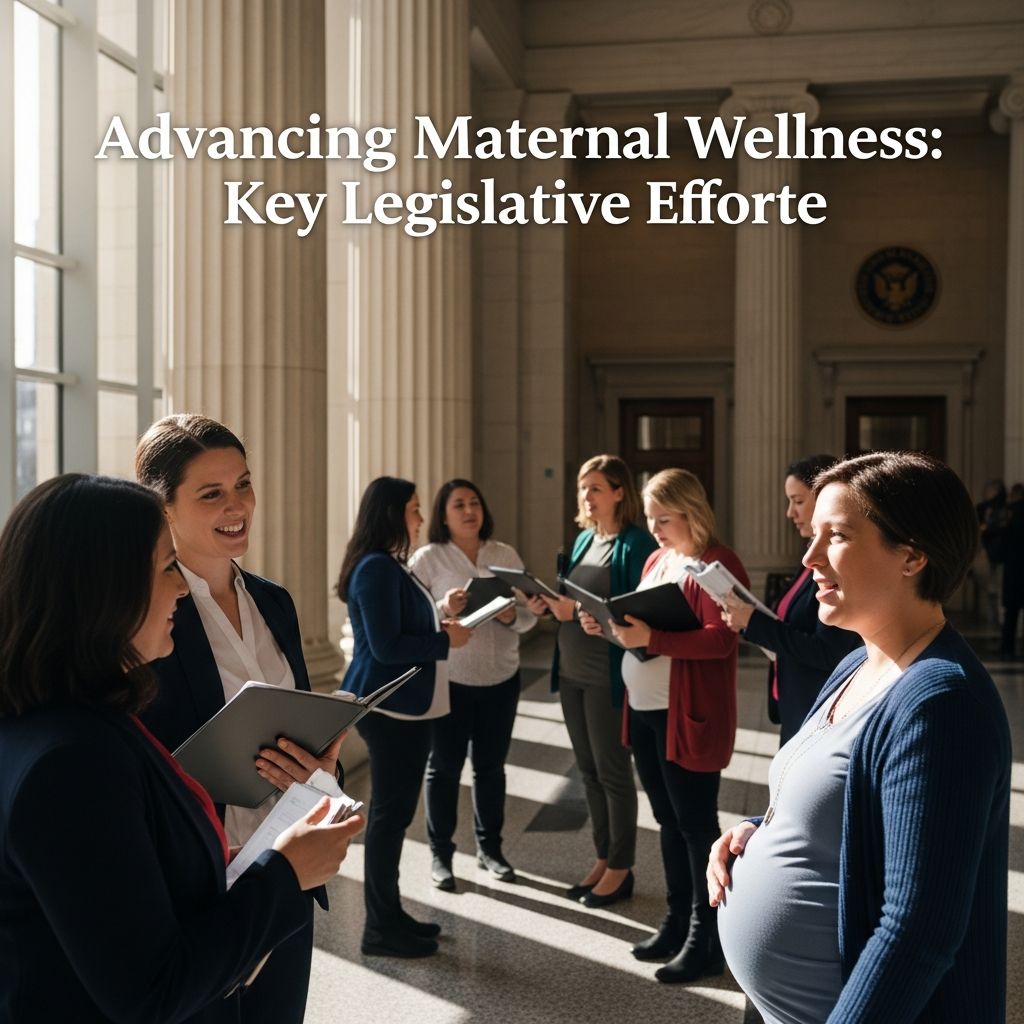
U.S. lawmakers are prioritizing maternal health through a series of bipartisan bills that target critical gaps in care, coverage, and equity. These proposals seek to reduce the nation’s high maternal mortality rates, particularly among women of color, by expanding postpartum support, integrating social services, and funding data-driven improvements.
The Maternal Health Crisis: A Call for Urgent Action
The United States faces a persistent maternal health crisis, with maternal mortality rates far exceeding those of other developed nations. Factors such as racial disparities, inadequate postpartum coverage, and limited access to quality care contribute to preventable deaths and complications. Recent legislative packages address these issues head-on, building on evidence from federal reports and state initiatives.
Key challenges include short Medicaid postpartum coverage periods, financial barriers in private insurance, and social determinants like housing instability and nutrition gaps. Bipartisan efforts aim to extend benefits, eliminate cost-sharing, and establish task forces for holistic solutions.
Extending Postpartum Coverage: A Core Pillar of Reform
Multiple bills propose lengthening Medicaid and CHIP postpartum coverage from 60 days to one year, providing continuous support during a vulnerable period. This extension includes full benefits for pregnant individuals and incentives like a 5% increase in Federal Medical Assistance Percentages (FMAP) for adopting states.
States must report on doula care coverage, recognizing doulas’ role in reducing interventions and improving outcomes. Research mandates will evaluate telemedicine’s impact on maternity access, particularly in rural areas.
- Medicaid Enhancements: Continuous eligibility for pregnant women maintained for five years.
- Oral Health Integration: Expanded benefits under Medicaid/CHIP for dental services during pregnancy.
- SNAP Extension: Optional two-year postpartum benefits for low-income mothers.
These measures aim to lower severe morbidity, cut healthcare costs, and boost coordinated care models like maternity care homes.
Eliminating Financial Barriers in Private Insurance
The Supporting Healthy Moms and Babies Act (S.1834), introduced by Senators Cindy Hyde-Smith, Tim Kaine, Josh Hawley, and Kirsten Gillibrand, removes cost-sharing for prenatal, childbirth, neonatal, perinatal, and postpartum services in private plans. This bipartisan push alleviates debt burdens, encouraging timely care and preventing delayed treatments that worsen outcomes.
“The costs associated with having a baby can be astronomical, and we should be doing everything we can to lower them,” said Senator Gillibrand.
By prohibiting out-of-pocket expenses, the bill empowers families to prioritize health over finances, potentially saving lives through consistent prenatal and postpartum engagement.
Tackling Social Determinants of Health
The Social Determinants for Moms Act, led by Congresswoman Jahana Hayes and Senators Richard Blumenthal and Angela Alsobrooks, creates a whole-of-government task force to address non-medical factors like housing, transportation, nutrition, and more. This interdisciplinary approach invests in community-based solutions to mitigate risks during pregnancy and recovery.
| Key Focus Area | Proposed Actions |
|---|---|
| Housing & Nutrition | Extend WIC eligibility postpartum; fund community organizations |
| Workforce Diversity | Grow perinatal workforce with trusted providers |
| Data & Mental Health | Enhance collection; support moms with mental health/SUD |
| Special Populations | Veterans, incarcerated moms, public health emergencies |
Innovative elements include digital tools for underserved areas and payment models rewarding quality care. “Every mother deserves a safe and healthy pregnancy,” emphasized Senator Blumenthal.
Strengthening Data Collection and Quality Improvement
The Preventing Maternal Deaths Act (H.R. 1318) allocates $12 million annually for five years to fund state maternal mortality review committees. This landmark bill, unanimously passed by the House, standardizes investigations to identify causes and inform policy.
Additional grants support the Alliance for Innovation on Maternal Mortality (AIM), perinatal quality collaboratives, and Centers of Excellence for cultural competency training. These efforts address bias, enhance equity, and translate data into actionable changes.
Specialized Initiatives for Emerging Challenges
Bills target niche risks:
- Maternal Health Pandemic Response Act: Bolsters federal programs for COVID-19 and future emergencies, promoting respectful maternity care.
- Protecting Moms and Babies Against Climate Change Act: Funds community initiatives to reduce climate-related exposures.
- Maternal Vaccinations Act: Encourages vaccinations to safeguard mothers and infants.
Payment reforms raise Medicaid primary care rates to Medicare levels, while special enrollment periods close private plan gaps.
Potential Impacts: A Path to Equity and Savings
These reforms could dramatically lower mortality rates, especially for Black women facing three-to-four times higher risks. By integrating doula care, oral health, and social supports, costs may decrease through prevented complications. States adopting maternity care homes report reduced spending and better outcomes.
Bipartisan momentum, from House approvals to Senate introductions, signals progress. However, full enactment requires overcoming fiscal hurdles and ensuring implementation fidelity.
Frequently Asked Questions (FAQs)
What is the current length of Medicaid postpartum coverage?
Typically 60 days, but proposed bills extend it to one year with incentives for states.
How do these bills address racial disparities in maternal health?
Through cultural competency centers, perinatal collaboratives, bias reduction, and equity-focused grants.
Will private insurance costs be affected?
The Supporting Healthy Moms and Babies Act eliminates cost-sharing for maternity services, reducing out-of-pocket expenses.
What role do doulas play in these proposals?
States report on Medicaid doula coverage, with guidance to expand access for better birth outcomes.
How does data improvement help prevent maternal deaths?
Funding review committees to analyze deaths and recommend policies, as in H.R. 1318.
Looking Ahead: Implementation and Advocacy
As these bills advance, advocacy from organizations like the American College of Obstetricians and Gynecologists underscores their urgency. Families, providers, and policymakers must collaborate to realize a future where every mother thrives. Tracking progress through state reports and federal grants will ensure accountability.
Word count: 1678 (excluding metadata and references).
References
- Maternal Health-Related Bills Introduced in the 117th Congress — American College of Nurse-Midwives. 2024-09. https://midwife.org/wp-content/uploads/2024/09/MaternalHealthRelatedbills117.pdf
- Senators Introduce Bipartisan Bill to Ease Financial Burden of Pregnancy, Childbirth — Office of Senator Cindy Hyde-Smith. 2023 (approx., based on context). https://www.hydesmith.senate.gov/senators-introduce-bipartisan-bill-ease-financial-burden-pregnancy-childbirth
- Hayes, Blumenthal, and Alsobrooks Introduce Legislation to Address Social Determinants of Maternal Health — Office of Congresswoman Jahana Hayes. 2023 (approx.). https://hayes.house.gov/press-releases?id=0032053E-742B-4605-BFFD-F0F7244B3877
- Landmark Maternal Health Legislation Clears Major Hurdle — ProPublica. 2018-12-11 (authoritative on ongoing relevance). https://www.propublica.org/article/landmark-maternal-health-legislation-clears-major-hurdle