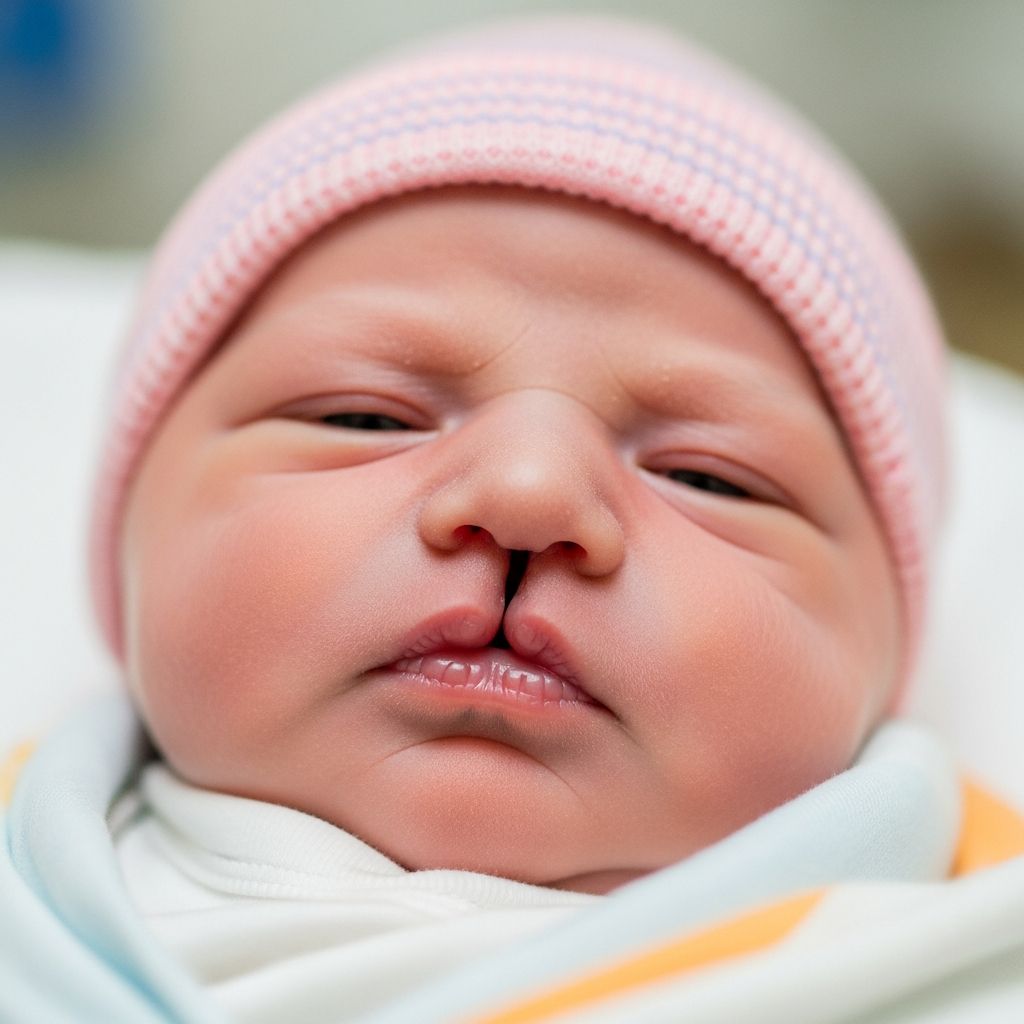
Hearing that a newborn has a bilateral cleft lip and palate can feel overwhelming, especially if this is the first time anyone in the family has faced a craniofacial condition. Yet with modern care, most children with clefts grow up to eat, speak, play, and thrive like their peers. This guide explains the condition in clear language, focusing on what families can expect and how to support a child every step of the way.
1. What Is Bilateral Cleft Lip and Palate?
A cleft is an opening or split that occurs when parts of a baby’s face do not fully join together during early pregnancy. In a bilateral cleft lip, there are openings on both sides of the upper lip, often extending toward the nose. A cleft palate is an opening in the roof of the mouth that may involve the hard palate (front bony portion), the soft palate (back muscular portion), or both.
When both sides of the lip and the palate are affected, the condition is called bilateral cleft lip with cleft palate. The opening may create a visible gap in the lip and nose and a passageway between the mouth and nasal cavity. The size and exact pattern of the cleft vary from child to child, so no two cases look exactly the same.
2. How and When the Condition Is Diagnosed
Many bilateral cleft lips are noticed during routine prenatal ultrasound exams because the split in the lip changes how the baby’s face appears on the screen. A cleft palate is sometimes harder to see before birth, so it may only be identified after delivery during a newborn examination. In some babies, the lip and palate clefts are very obvious at birth; in others, only the palate or the muscles of the soft palate are affected, requiring a closer look by specialists.
Once a cleft is identified, the health care team usually orders a careful physical exam and may suggest additional tests to check overall growth and to see whether any other body systems are affected. Parents are often referred to a craniofacial or cleft team, which brings together several experts experienced in caring for children with facial differences.
3. Why Bilateral Cleft Lip and Palate Occur
During early pregnancy, different parts of a baby’s face grow separately and then fuse. A cleft forms when some of these segments do not meet completely. In many cases, the exact reason this process is interrupted is not known. Doctors believe that a mix of genetic and environmental influences is involved rather than a single cause in most families.
Some babies inherit a tendency toward clefts through genes from one or both parents. Others develop a cleft as part of a broader syndrome that includes differences in other parts of the body. Certain factors during pregnancy, such as exposure to tobacco smoke, alcohol, some medications, or inadequate folic acid, have been linked to an increased chance of a cleft in population studies. Most parents did nothing to cause the cleft, and feelings of guilt are very common but not supported by medical evidence.
4. Common Types and Variations
Even within the category of bilateral cleft lip and palate, there are several patterns. The lips may be partially or completely divided, and the cleft may pass through the gum ridge and palate to different degrees. Understanding these variations helps families follow treatment plans and anticipate specific needs.
| Type | What It Means | Possible Early Concerns |
|---|---|---|
| Incomplete bilateral cleft lip with intact palate | Both sides of the upper lip have splits that do not fully reach the nose; the roof of the mouth is closed. | Feeding is usually easier than when the palate is involved, but there may still be challenges with lip seal on a breast or bottle. |
| Complete bilateral cleft lip with cleft palate | Both sides of the lip and the gums are separated, and there is an opening in the roof of the mouth. | More significant feeding support is usually needed; early planning for staged surgeries is essential. |
| Submucous cleft palate with bilateral cleft lip | The lip is visibly split on both sides, but the palate appears closed; the muscles under the palate lining may still be separated. | Feeding might seem normal at first, but nasal-sounding speech or frequent ear problems later can reveal the hidden palate cleft. |
5. Early Challenges New Parents May Notice
The first weeks with a baby who has a bilateral cleft lip and palate often center on learning new ways to feed, monitoring weight gain, and arranging specialist consultations. The goal is to make sure the baby is comfortable, gaining weight, and protected from unnecessary complications.
- Feeding can take longer because babies may struggle to create enough suction with the lip and palate openings.
- Milk or formula may escape through the nose due to the gap between the mouth and nasal passages.
- Caregivers may feel anxious or discouraged when early attempts at breastfeeding or bottle feeding are difficult, which is a normal emotional response.
6. Feeding and Nutrition: Practical Options
Traditional breastfeeding or standard bottles rely on strong suction, which can be hard for a baby with a cleft palate. However, with adapted tools and guidance, most babies can obtain the nutrition they need by mouth. Specialized feeding bottles and nipples are designed to deliver milk with gentle compression and flow control rather than suction alone.
- Specialty cleft bottles often have soft, squeezable sides or valves to help milk flow when the caregiver applies slight pressure.
- Holding the baby in a more upright position reduces the chance of milk flowing back into the nose.
- Frequent burping helps relieve swallowed air, which tends to be greater due to reduced suction.
Some parents are able to offer breast milk by pumping and using specialty bottles, while others combine formula and breast milk or choose formula alone. A lactation consultant familiar with cleft care can help families explore possibilities that match their situation and goals.
7. The Role of the Cleft and Craniofacial Team
Because bilateral cleft lip and palate can affect feeding, hearing, speech, teeth, and facial growth, a coordinated team approach provides the best long-term outcome. Families typically meet with several professionals who share information and plan treatment stages together.
A typical team may include:
- Pediatrician or family doctor to monitor overall growth and development.
- Plastic or craniofacial surgeon to plan and perform lip and palate repairs.
- Otolaryngologist (ear, nose, and throat specialist) to address ear fluid, infections, and hearing issues.
- Speech-language pathologist to evaluate and support speech and language development.
- Orthodontist and pediatric dentist to manage tooth eruption, alignment, and bite.
- Genetic counselor to discuss family history, future pregnancy questions, and possible syndromes when needed.
- Social worker or psychologist to support emotional adjustment for both child and family.
8. Surgical Care: A Staged Journey
Repairing a bilateral cleft lip and palate is usually not a single procedure but a planned series of surgeries over many years. The exact schedule depends on the child’s health, the pattern of the cleft, and the treatment philosophy of the surgical team. The overall aim is to close the openings, restore function for feeding and speech, and create as natural an appearance as possible.
The journey often includes:
- Lip repair: Commonly performed within the first several months of life, this surgery closes the lip gaps and reshapes the nose and central segment of the upper lip.
- Palate repair: Typically done later in the first year or early in the second year, this operation closes the opening in the roof of the mouth and reconnects the palate muscles needed for normal speech.
- Ear procedures: Some children receive small tubes in their eardrums to help drain fluid and reduce the risk of ear infections and hearing loss.
- Alveolar bone graft: When older, a child may undergo surgery to place bone into the gum ridge where teeth are missing or misaligned, often just before the permanent canine teeth erupt.
- Revisions and jaw surgery: As the child grows, additional procedures may help fine-tune lip and nose shape, improve breathing, or adjust jaw alignment.
>
9. Everyday Care After Surgery
After lip or palate repair, parents receive detailed instructions to protect the surgical site and support healing. These often include feeding plans, wound care, and activity limits for a short period. Babies usually adapt quickly, but caregivers may need reassurance and coaching as they adjust to new routines.
- Doctors may temporarily change feeding methods to reduce stress on the stitches.
- Caregivers learn how to keep the incision clean and watch for signs of infection, such as redness, swelling, fever, or unusual drainage.
- Some teams use soft arm restraints for a brief time so the baby cannot rub or scratch the lip repair.
10. Hearing, Ears, and Speech Development
The palate plays an important role in normal ear function and speech. When it is not closed or does not move correctly, children are more likely to have fluid buildup in the middle ear, ear infections, and related hearing problems. Regular hearing checks help identify these issues early so they can be treated promptly.
Speech development is another key focus. As children begin to babble and talk, speech-language specialists listen for nasal-sounding speech, unusual airflow through the nose, and sound substitutions that may signal velopharyngeal insufficiency (difficulty closing the space between the nose and mouth during speech). Early therapy and, in some cases, additional surgery can improve clarity and reduce frustration in communication.
11. Teeth, Bite, and Facial Growth
A bilateral cleft that passes through the gums can affect how teeth erupt and line up. Some teeth may be missing, extra, or out of position. Close collaboration between the craniofacial surgeon, pediatric dentist, and orthodontist helps guide tooth and jaw development over time.
- Children are encouraged to practice good oral hygiene as soon as teeth appear, using a small, soft toothbrush and fluoride toothpaste in age-appropriate amounts.
- Orthodontic treatments, such as braces or palatal expanders, are often used to correct crowding, crossbites, and gaps.
- In later adolescence, some teens may benefit from jaw surgery to improve bite, chewing, and facial balance.
12. Emotional and Social Well-Being
Beyond physical health, emotional support is crucial for both the child and the family. Parents may experience shock, sadness, or worry about how others will react to their baby’s appearance or ongoing surgeries. Open conversations with health care providers, counselors, and support networks can ease these feelings and provide practical coping strategies.
As children grow, they may ask questions about their scars or why they need additional surgeries. Age-appropriate explanations and honest, reassuring answers help build resilience. Encouraging friendships, school participation, and hobbies reinforces the message that a cleft is only one part of who they are, not the defining feature of their identity.
13. Supporting Your Child at Different Ages
Needs change as a child with bilateral cleft lip and palate moves from infancy through the school years and into adolescence. Planning ahead at each stage allows families to anticipate likely challenges and build on strengths.
- Infancy: Focus on feeding, weight gain, and early surgeries, while building strong bonding through touch, voice, and eye contact.
- Toddler and preschool years: Monitor speech and language milestones, encourage social play, and maintain regular hearing and dental visits.
- School-age years: Support academic and social development, address any teasing or bullying promptly, and continue orthodontic and speech care as needed.
- Teen years: Involve the adolescent in shared decision-making about additional surgeries, orthodontics, or cosmetic refinements, and address self-image and confidence openly.
14. Preparing for Appointments and Asking Questions
Medical visits can feel rushed, especially when several specialists are involved. Preparing in advance helps families make the most of each appointment and feel more in control of the process. Writing down questions and tracking changes between visits allows caregivers to focus during discussions and better understand recommendations.
Helpful questions might include:
- What are the goals of the next surgery, and how will it affect feeding, speech, or appearance?
- What should be expected in the first days after surgery, and when should the team be called about a concern?
- How often will hearing and speech be checked, and who should be contacted if new problems arise?
- What steps can the family take at home to support speech practice, oral hygiene, or emotional coping?
15. Frequently Asked Questions (FAQs)
Is a bilateral cleft lip and palate painful for my baby?
The cleft itself is not typically painful. Discomfort is more likely after surgeries or during ear infections, just as with any child. Pain control is an important part of each treatment plan, and caregivers receive instructions on how and when to use prescribed or over-the-counter medications.
Can my baby breastfeed?
Some babies with bilateral cleft lip and palate can latch partially at the breast but still need specialized bottles to receive enough milk. Others rely entirely on pumped milk or formula delivered through adapted feeding systems. Working closely with a lactation consultant and the cleft team helps families find the combination that offers good nutrition and preserves bonding time.
Will my child look different after surgeries?
The purpose of surgery is to close the clefts, improve function, and create a more typical appearance of the lip, nose, and mouth. There will always be some scars, but many become less noticeable over time. Additional minor procedures in later childhood or adolescence may further refine the appearance if the child and family wish.
Is the condition likely to affect future pregnancies?
Having one child with a cleft slightly increases the chance of having another baby with a similar condition, but the exact risk varies according to family history, genetic factors, and whether the cleft is part of a syndrome. A genetic counselor can review the family’s circumstances, explain known risks, and discuss options for prenatal screening in subsequent pregnancies.
Can children with bilateral cleft lip and palate lead normal lives?
With modern surgical techniques, speech therapy, dental care, and family support, most children with bilateral cleft lip and palate participate fully in school, sports, friendships, and future careers. They may experience more medical appointments and procedures than their peers, but their long-term outlook is usually very positive.
16. Key Takeaways for Families
Facing a bilateral cleft lip and palate diagnosis is challenging, but families are not alone. A coordinated medical team, specialized feeding tools, staged surgeries, and ongoing support services combine to help children grow, communicate, and thrive. Staying informed, asking questions, and seeking emotional support when needed are powerful ways for caregivers to advocate for their child and themselves.