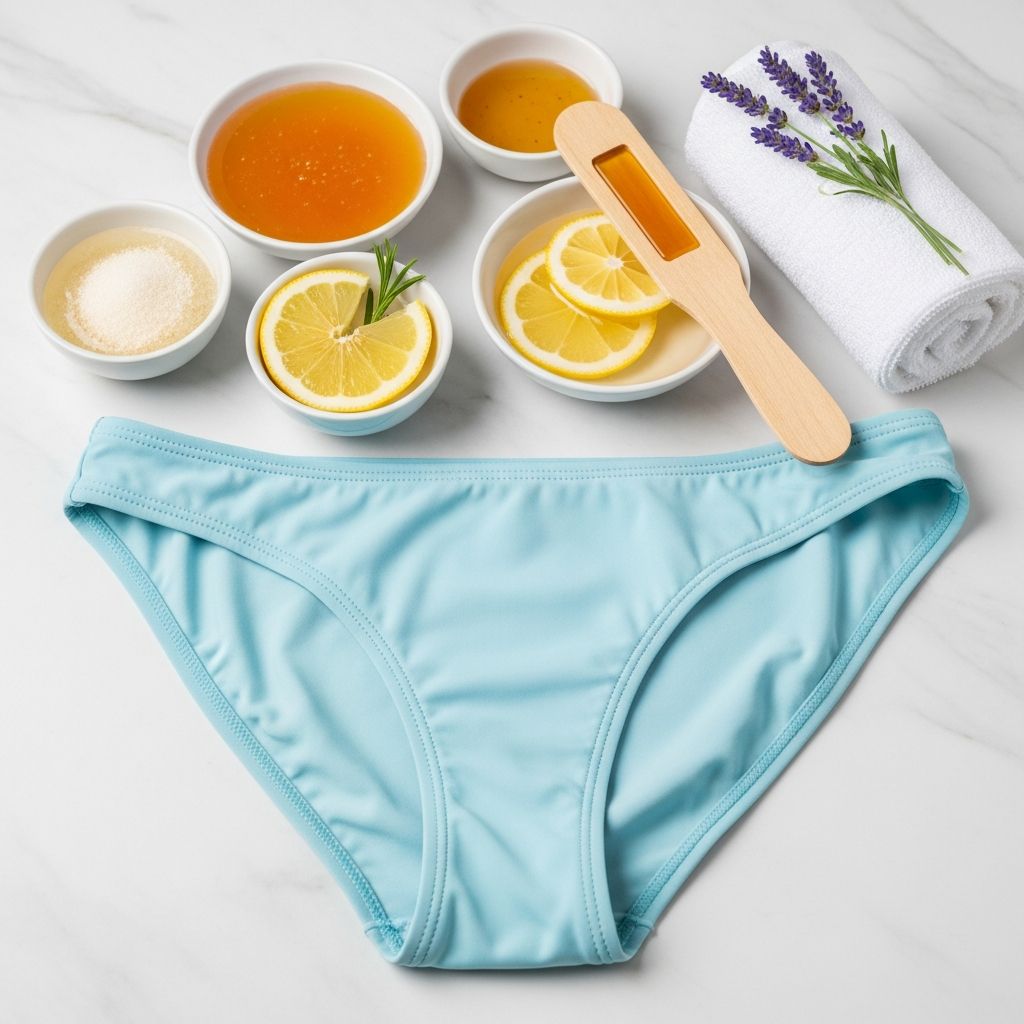
Bikini waxing can feel intimidating the first time, but the experience becomes much easier when you know what to expect. This guide walks you through styles, preparation, pain control, aftercare, and safety so you can decide if waxing is right for you and feel more in control of the process.
Why People Choose Bikini Waxing
There is no single “correct” way to groom pubic hair. Some people prefer to stay natural, others trim, and many choose waxing for the smooth finish and longer-lasting results. The right choice is whatever makes you feel the most comfortable in your own body.
Waxing removes hair from the root, which means slower regrowth and less frequent maintenance compared with shaving. For many, that trade-off is worth dealing with a brief, intense sensation during the appointment.
Common Bikini Wax Styles (Explained Clearly)
Names and trends change over time, but most bikini waxes fall into a few core categories. Knowing the options helps you communicate clearly with your esthetician and avoid surprises.
- Basic bikini line: Removes hair that would show outside a standard swimsuit or underwear, mainly along the sides of the groin and possibly a bit across the top.
- Extended bikini: Takes the basic line further in, clearing more from the upper inner thighs and top of the pubic area for a cleaner, more sculpted look.
- Partial pubic wax: Leaves a defined patch or strip of hair in front while removing most or all hair from the labia and around the back.
- Full Brazilian: Removes nearly all hair from the pubic mound, labia, and around the anus; some people choose to leave a very small strip or triangle in front.
| Style | Hair Removed | Coverage Level | Typical Use |
|---|---|---|---|
| Basic bikini line | Sides and a bit across the top of the bikini area | Minimal | Casual swimwear, modest coverage |
| Extended bikini | Deeper into the groin and more from the top | Moderate | Higher-cut bottoms, more definition |
| Partial pubic wax | Most hair removed except a defined patch/strip | High | Neat but not fully bare |
| Full Brazilian | All or nearly all hair front and back | Maximum | Minimal coverage swimwear or personal preference |
Choosing the Right Wax for You
The “right” style depends on your comfort level, pain tolerance, wardrobe, and personal aesthetic. Think about how revealing your swimwear or lingerie is and how you want the area to look in non-beach everyday life.
If you are brand new to waxing, starting with a basic or extended bikini can be less overwhelming. Once you understand how your skin reacts and how you handle the sensation, you can always move toward a more extensive style later.
Professional Waxing vs. At-Home Kits
One of the first decisions is where to get your wax: in a salon with a trained technician, or at home with a kit. Each option has advantages and trade-offs.
| Factor | Salon Wax | At-Home Kit |
|---|---|---|
| Skill required | Professional does the work | You must learn technique yourself |
| Cost per session | Higher upfront price | Lower cost but more trial and error |
| Privacy | Exposed to a stranger in a controlled setting | Complete privacy at home |
| Safety and consistency | More consistent results if you choose a reputable place | Greater chance of uneven patches or irritation if used incorrectly |
| Pain perception | Usually quicker, with more efficient technique | May be slower and more uncomfortable if you hesitate |
For a first bikini or Brazilian wax, many people feel more comfortable going to an experienced professional. Once you understand the process and your skin’s response, you might feel confident switching to touch-ups at home if that suits your budget and comfort level.
How to Prepare for a Bikini Wax
Good preparation can reduce pain, improve results, and lower the risk of ingrown hairs or irritation. Most steps are simple habits you can start a few days before your appointment.
Timeline: What to Do Before Your Wax
- 3–5 days before: Lightly exfoliate the bikini area in the shower with a soft washcloth or gentle scrub to help free trapped hairs and prevent ingrowns.
- 1–2 days before: Avoid tanning, harsh scrubs, and strong active ingredients on the area, such as high-strength acids or retinoids.
- Day of the appointment: Shower, gently cleanse the area, and skip heavy lotions or oils so the wax can grip the hair effectively.
Hair Length and Timing
Hair that is too short will slip through the wax, while overly long hair can make the process more uncomfortable. A practical guideline is around the length of a grain of rice—usually about two to three weeks of growth after shaving for most people.
Some salons trim longer hair for you, but if you choose to trim at home, use clean scissors or a dedicated body hair trimmer and work slowly to avoid cutting too short or nicking the skin.
Comfort and Pain Management
Waxing involves a quick, sharp sensation as the hair is removed; for most people it is intense but brief. Planning for comfort can make a noticeable difference:
- Wear loose, breathable underwear and clothing to the appointment.
- Consider a mild pain reliever, if you use them, about 30–45 minutes beforehand, and only if it is safe for you.
- Avoid heavy caffeine or alcohol right before your appointment, since both can increase sensitivity for some people.
What Happens During a Salon Bikini Wax
Every studio has its own routine, but most professional bikini or Brazilian waxes follow a similar sequence. Understanding this flow helps reduce anxiety and lets you focus on communicating clearly with your esthetician.
- Consultation and style decision: You discuss which area you want waxed, how much hair you want removed, and any skin sensitivities or medical considerations.
- Preparation: You will undress from the waist down and lie on a clean treatment table, often with a disposable sheet or paper. The technician may cleanse the area and apply a light powder or pre-wax lotion.
- Wax application: Warm wax (often hard or soft wax formulated for sensitive areas) is applied in small sections in the direction of hair growth.
- Hair removal: The wax is quickly removed against the direction of hair growth using either the wax itself (hard wax) or strips (soft wax). The technician may hold the skin taut to reduce discomfort.
- Detail work: Tweezers may be used to remove any remaining stray hairs for a clean finish.
- Soothing products: A gentle lotion, gel, or oil is applied at the end to calm the skin and remove residue.
Throughout the appointment, you can ask questions or request a short pause if you feel overwhelmed. A good esthetician is used to working with first-timers and will expect some nervousness or modesty.
Pain: What It Feels Like and How to Cope
Pain perception is personal, but there are some common patterns. The first wax is often the most uncomfortable, especially if hair is thick or has never been removed from the root before. Over time, regrowth can become finer and many people report that later sessions feel more manageable.
Techniques that may help you cope include slow deep breathing, listening to music through headphones, or chatting with the technician as a distraction. Remember that each strip pull lasts only a second or two; the entire appointment is typically quite brief.
Aftercare: The First 24–48 Hours
Immediately after a wax, the bikini area is more vulnerable to friction, heat, and bacteria. A simple aftercare routine supports skin recovery and minimizes bumps, redness, or ingrown hairs.
- Keep the area clean and dry: Use lukewarm water and a gentle cleanser if needed. Pat—not rub—the skin dry with a soft towel.
- Avoid heat and heavy sweating: Skip hot baths, saunas, intense workouts, and tight synthetic clothing for at least a day if possible.
- Say no to friction: Thongs or tight leggings can rub against the area; opt for soft, breathable cotton underwear.
- Hands off: Avoid touching or scratching the freshly waxed area to reduce the chance of irritation or infection.
If your technician recommends a calming product such as a fragrance-free gel or lotion designed for post-wax use, apply it as directed. Mild redness or slight tenderness is common and usually fades within a day or so.
Long-Term Care and Preventing Ingrown Hairs
Ingrown hairs occur when hairs curl back into the skin or are trapped beneath dead skin cells as they regrow. They can cause small bumps, tenderness, or dark spots over time. Gentle, consistent care makes them less likely.
- Begin gentle exfoliation 2–3 days after your wax, using a soft washcloth, exfoliating mitt, or mild scrub.
- Moisturize regularly with a simple, fragrance-free lotion to keep the skin supple and less prone to irritation.
- Avoid picking at bumps; if ingrowns appear, use warm compresses and, if appropriate, a dedicated product formulated to help free trapped hairs.
Scheduling your waxes every four to six weeks often gives hair enough time to regrow to the ideal length while limiting the period when short, prickly stubble can cause discomfort or ingrowns.
Potential Side Effects and When to Be Cautious
Most healthy people experience only temporary redness or mild soreness after a bikini wax, but it is still a form of physical stress on the skin. Being informed helps you make choices that feel safe and responsible for your situation.
- Common but mild reactions: Redness, small bumps, temporary sensitivity, and light pinpoint bleeding can occur when hair is pulled from the follicle.
- Less common concerns: Significant swelling, intense pain that worsens instead of improving, or signs of infection such as pus, spreading redness, or fever require medical attention.
- Consult a professional: If you have active skin infections, open sores, severe eczema, or are using medications that thin or sensitize the skin, speak with a healthcare provider before waxing.
Always inform your esthetician about any medications, topical treatments, or skin conditions before your session. A cautious approach is better than risking damage to delicate tissue in the bikini area.
Hygiene and Safety in the Salon
Cleanliness should be a nonnegotiable factor when choosing where to get waxed. A reputable salon should follow strict hygiene practices and make you feel comfortable asking questions.
- Look for fresh disposable sheets or paper on the treatment bed.
- Notice whether the technician washes hands or uses sanitizer and wears clean gloves.
- Watch for single-use applicators that are not dipped back into the wax after touching skin.
- Check that tools like tweezers appear sanitized and stored properly between clients.
Trust your instincts. If the space feels unclean, rushed, or dismissive of your concerns, you are free to leave and find another provider. Your comfort and safety matter more than sticking with a particular appointment.
Frequently Asked Questions About Bikini Waxing
How long does a bikini wax last?
Everyone’s hair growth rate is different, but many people notice that a waxed bikini area stays smooth or mostly smooth for roughly two to three weeks, with softer regrowth becoming noticeable afterward. With regular appointments, regrowth can feel finer and more manageable over time.
Is a bikini wax more painful than shaving?
Shaving removes hair at the surface, while waxing removes it from the root, which naturally creates a stronger but very brief sensation. However, waxing avoids the daily friction of shaving and can reduce the frequency of irritation, razor bumps, and cuts for many people.
Can I get a bikini wax during my period?
Policies vary by salon. Some allow waxing during menstruation as long as you wear a tampon or menstrual cup, while others prefer to schedule around it. Skin can be more sensitive at certain points in your menstrual cycle, so you may want to consider timing if pain is a concern.
How often should I schedule waxes?
A common schedule is every four to six weeks, depending on how fast your hair grows and how bare you like to keep the area. Waiting long enough for sufficient hair length helps ensure cleaner removal and reduces the chance of patchy results.
Is bikini waxing only for women?
No. People of all genders choose to groom pubic hair in many different ways, including waxing. Some salons specialize in waxing for a variety of body types, so you can look for a provider experienced with your specific needs.
Empowering Yourself to Choose What Feels Right
Bikini waxing is an option, not an obligation. The goal is not to achieve a single “ideal” look, but to help you feel more at ease with your body, whether that means smooth skin, a trimmed shape, or leaving things completely natural.
If you decide to try waxing, approach it as an experiment. Start with a style that feels manageable, choose a clean and reputable provider, communicate openly, and pay attention to how your skin responds. Over time, you can refine your routine until it supports both your comfort and your confidence.