Quality sleep is fundamental for children’s physical growth, emotional stability, and cognitive development. Yet, many parents unknowingly engage in practices that interfere with their child’s ability to rest well. By understanding these pitfalls and implementing evidence-based adjustments, families can foster better sleep hygiene and reduce related behavioral challenges.
The Critical Role of Sleep in Child Development
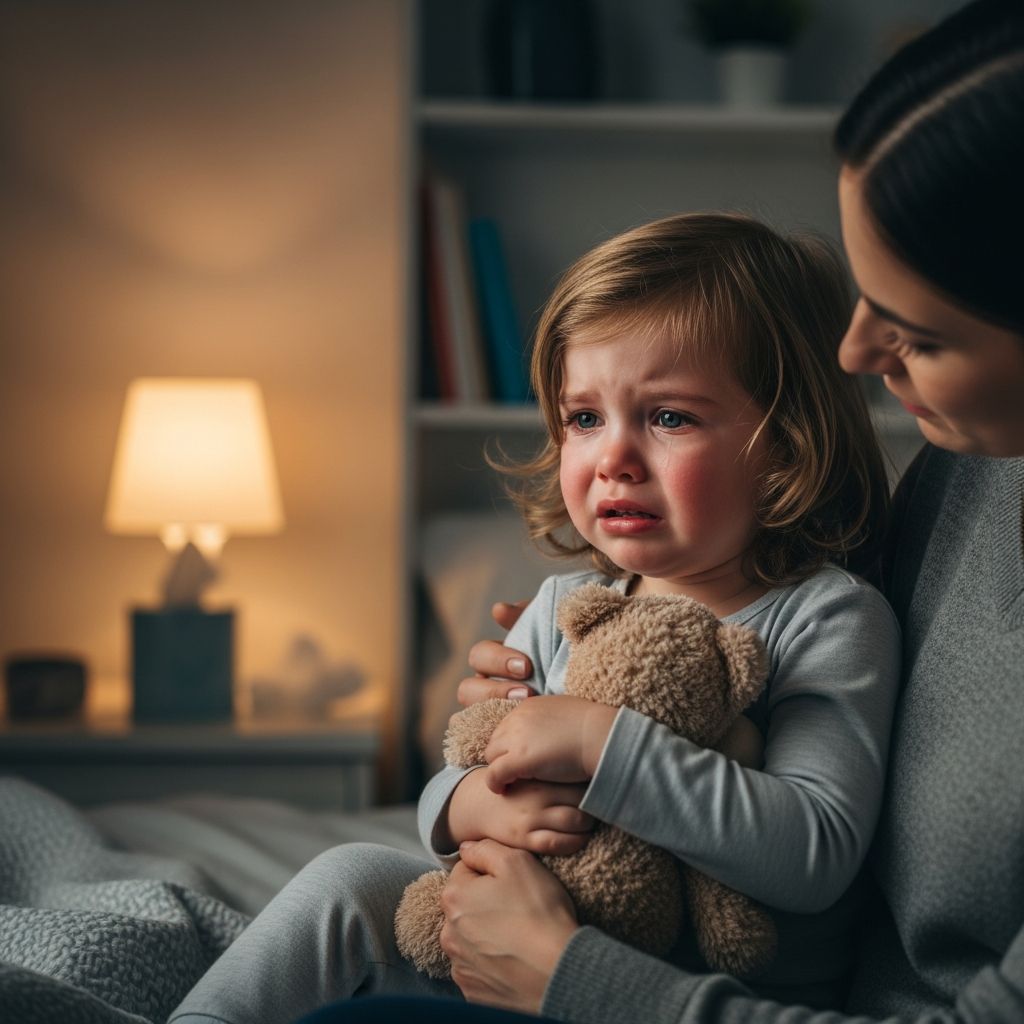
Sleep supports brain maturation, immune function, and mood regulation in growing children. Disruptions lead to irritability, fatigue, reduced learning capacity, and heightened problem behaviors such as meltdowns or aggression. Children with poor sleep are also more prone to unintentional injuries and struggle with following instructions or academic tasks.
Daytime consequences extend to emotional volatility, poor memory, and increased anxiety risk. For instance, insufficient rest mimics ADHD symptoms like hyperactivity and inattention, complicating diagnosis and management. Establishing solid sleep foundations early prevents these cascading effects.
Recognizing Signs of Sleep Disruption
Parents should monitor for indicators like frequent night wakings, early morning risings, bedtime resistance, or daytime sleepiness. Behavioral red flags include mood swings, difficulty concentrating, and aggressive outbursts. Physical cues such as snoring or restless movements may signal underlying issues like sleep apnea.
- Irritability and emotional sensitivity
- Hyperactivity despite fatigue
- Poor problem-solving and spacing out
- Increased injury risk from fatigue
These symptoms often stem from inconsistent routines or environmental factors, but persistent cases warrant professional evaluation.
Building Effective Bedtime Foundations
A predictable evening sequence signals the body to wind down. Start 30-60 minutes before lights out with calming activities like reading or gentle stretching, avoiding stimulants.
| Activity | Timing | Benefits |
|---|---|---|
| Dim lights and quiet play | 1 hour before bed | Promotes melatonin production |
| Warm bath (earlier in routine) | 90 minutes before bed | Regulates body temperature without overheating |
| Storytime or soft music | 30 minutes before bed | Reduces arousal levels |
Consistency reinforces positive associations, minimizing resistance over time.
Eliminating Pre-Bedtime Disruptors
Certain habits inadvertently heighten alertness or physical discomfort. Limit liquids near bedtime to prevent wakings from thirst or bathroom needs. Steer clear of caffeine, sugar, or vigorous exercise within two hours of sleep, as they elevate heart rate and temperature.
Electronics emit blue light that suppresses melatonin; ban screens at least one hour prior. Even passive exposure to TV content correlates with shorter sleep duration and more disturbances in young children. Replace with non-digital wind-downs.
Managing Night Wakings and Early Risings
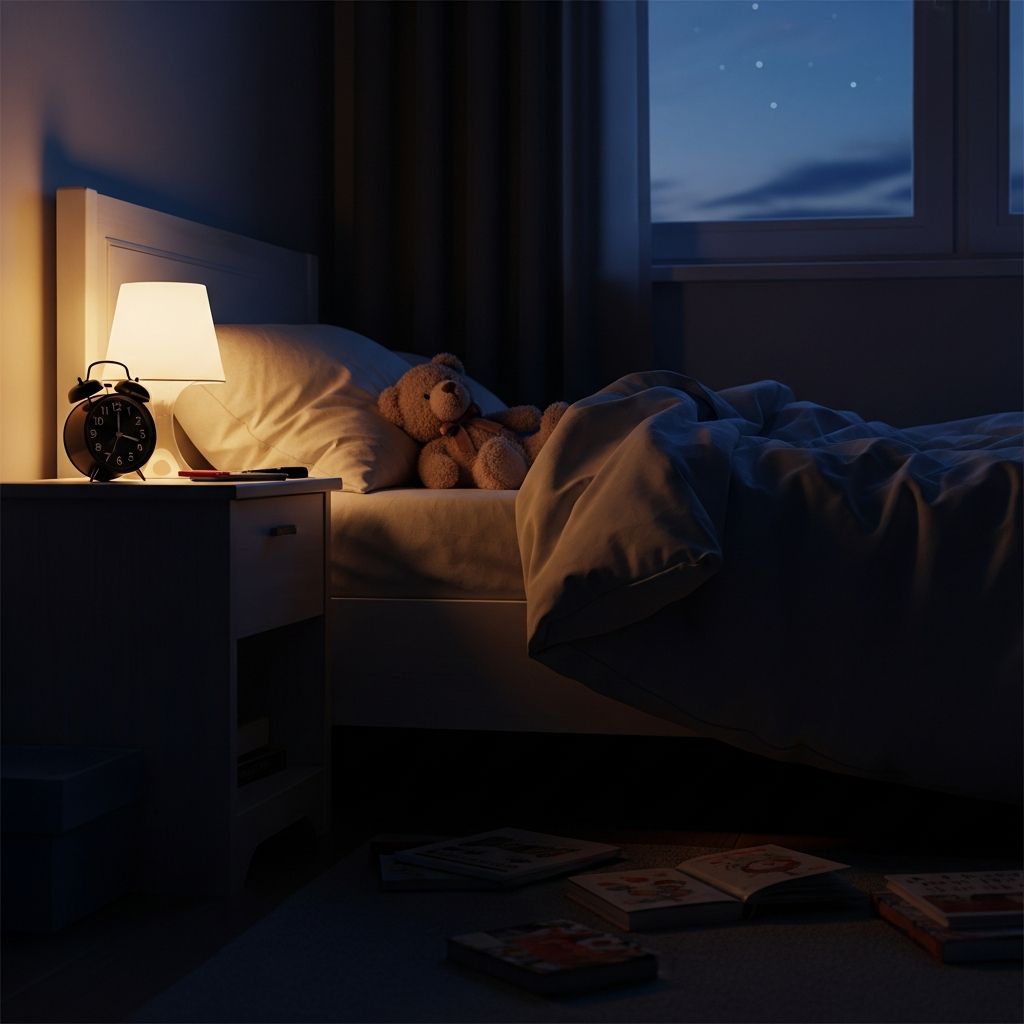
Middle-of-the-night arousals often result from hunger, temperature imbalances, or inconsistent schedules. For younger kids, ensure daytime nutrition adequacy to curb growth-spurt hunger. Optimize room conditions: cool, dark, and quiet.
Early risers may benefit from gradual bedtime shifts later by 15-30 minutes until alignment occurs. Cap naps to avoid overflow energy; end them by mid-afternoon. Address fears or anxiety through reassurance without prolonging interactions.
Addressing Bedtime Resistance Tactics
Stalling via water requests or extra hugs builds negative sleep associations. Counter with a clear routine chart, granting one structured goodnight to prevent escalation. Ignore non-urgent calls post-routine to extinguish behaviors.
Common interfering actions include leaving bed, crying out, or self-talking, prevalent in many children. Respond minimally and redirect to bed without engagement.
Understanding Parasomnias and Unusual Sleep Events
Parasomnias involve incomplete arousals, peaking in early childhood. NREM types like confusional arousals feature disoriented vocalizations without full wakefulness; they resolve spontaneously.
Sleepwalking affects about 5% of kids, involving ambulation or odd actions while asleep. Safety measures include locked doors and ground-floor bedding. Sleep terrors manifest as intense screaming with rapid heart rate, unrecallable upon morning.
REM parasomnias, like nightmares, occur later and are remembered. Differentiate from disorders via patterns: ensure fatigue isn’t exacerbating via adequate total sleep.
Links Between Sleep and Behavioral Challenges
Chronic disruptions contribute to ADHD-like presentations, including fidgeting and impulsivity. Sleep apnea, marked by snoring and pauses, impairs restoration, yielding emotional dysregulation and withdrawal.
Bruxism (teeth grinding) disrupts rest, causing jaw pain and headaches in 15% of adolescents. Restless legs syndrome affects 2% with insomnia, prompting thrashing. Early intervention prevents long-term cognitive deficits.
Age-Specific Sleep Strategies
Infants and Toddlers
Prioritize dark, sound-machined environments. Avoid overstimulation; feed-play-sleep cycles build independence.
Preschoolers
Incorporate choice in routines (e.g., book selection) to reduce battles. Limit naps to 1-2 hours.
School-Age Kids
Enforce 9-11 hours nightly. Homework before screens; discuss school stressors.
Practical Tools for Lasting Change
- Use visual timers for routine steps
- Track sleep logs to identify patterns
- Consult pediatricians for persistent issues
- Involve whole family in sleep hygiene
Patience yields results; improvements appear in weeks with consistency.
Frequently Asked Questions
What causes most night wakings in kids?
Common triggers include hunger, discomfort from temperature or noise, inconsistent routines, or developmental regressions.
How long should bedtime routines last?
20-45 minutes suffices, focusing on calming, sequential activities tailored to age.
Is screen time ever okay before bed?
No; blue light delays melatonin. Opt for alternatives like audiobooks.
When to seek help for sleep issues?
If disruptions persist beyond two weeks, affect daytime function, or involve snoring/parasomnias.
Can poor sleep mimic ADHD?
Yes, symptoms overlap; evaluate sleep first via logs or studies.
References
- Sleep Challenges Parent Training — Kidspeech. 2019-09-12. http://www.kidspeech.com/wp-content/uploads/2020/04/Sleep-Challenges-2019-0912-Parent-Training.pdf
- Why Won’t My Kid Sleep? Common Sleep Struggles and How to Fix Them — Hey Poppins Blog. Accessed 2026. https://www.heypoppins.com/blog/why-wont-my-kid-sleep-common-sleep-struggles-and-how-to-fix-them
- Parasomnias — Child Neurology Foundation. Accessed 2026. https://www.childneurologyfoundation.org/disorder/parasomnias/
- Sleep Disorders in Children — Sleep Foundation. Accessed 2026. https://www.sleepfoundation.org/children-and-sleep/sleep-disorders-in-children
- Behavioral Issues Linked to Pediatric Sleep Apnea — The Burlington Dentist. Accessed 2026. https://theburlingtondentist.com/behavioral-issues-pediatric-sleep-apnea-in-burlington-ct/
- Bedtime Problems in Children: Solutions for the Science-Minded — Parenting Science. Accessed 2026. https://parentingscience.com/bedtime-problems/
- Common Sleep Disorders in Children — PubMed (NCBI). 2022-02-14. https://pubmed.ncbi.nlm.nih.gov/35166510/