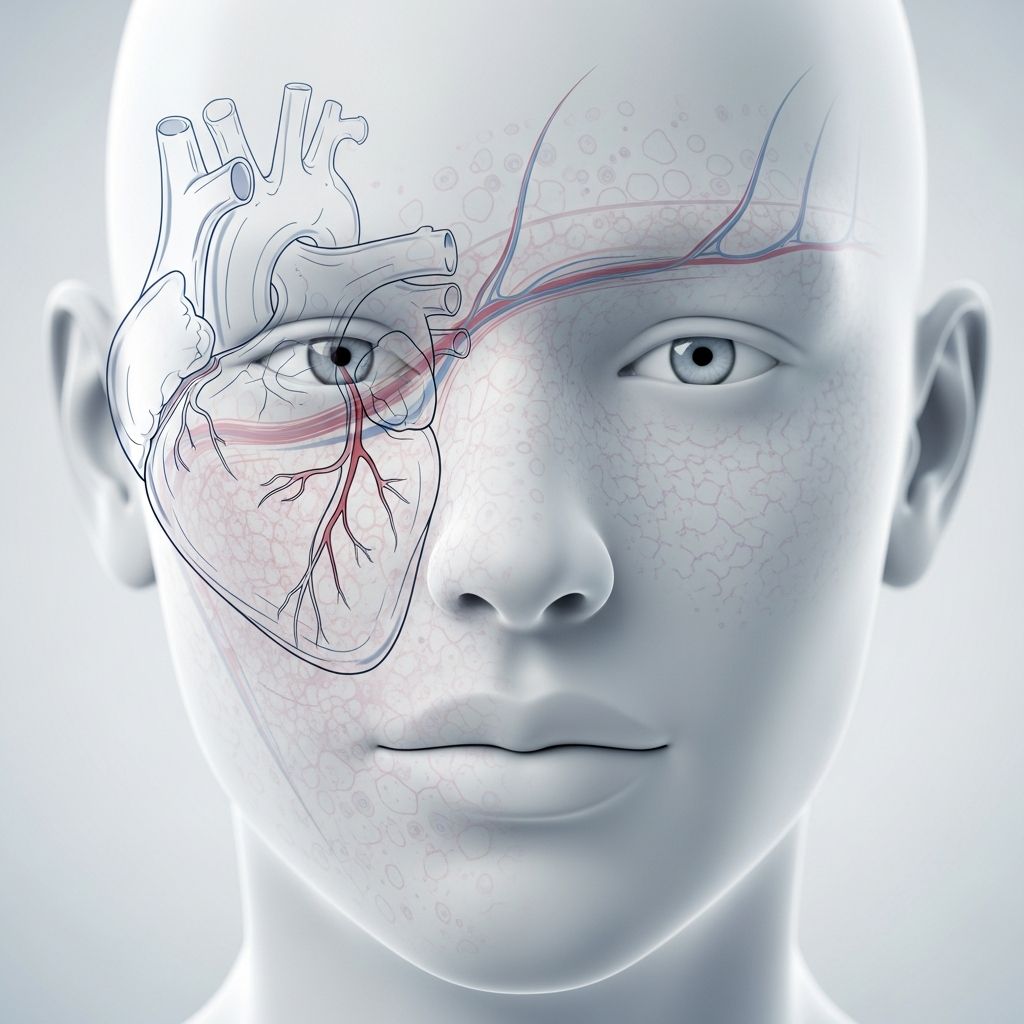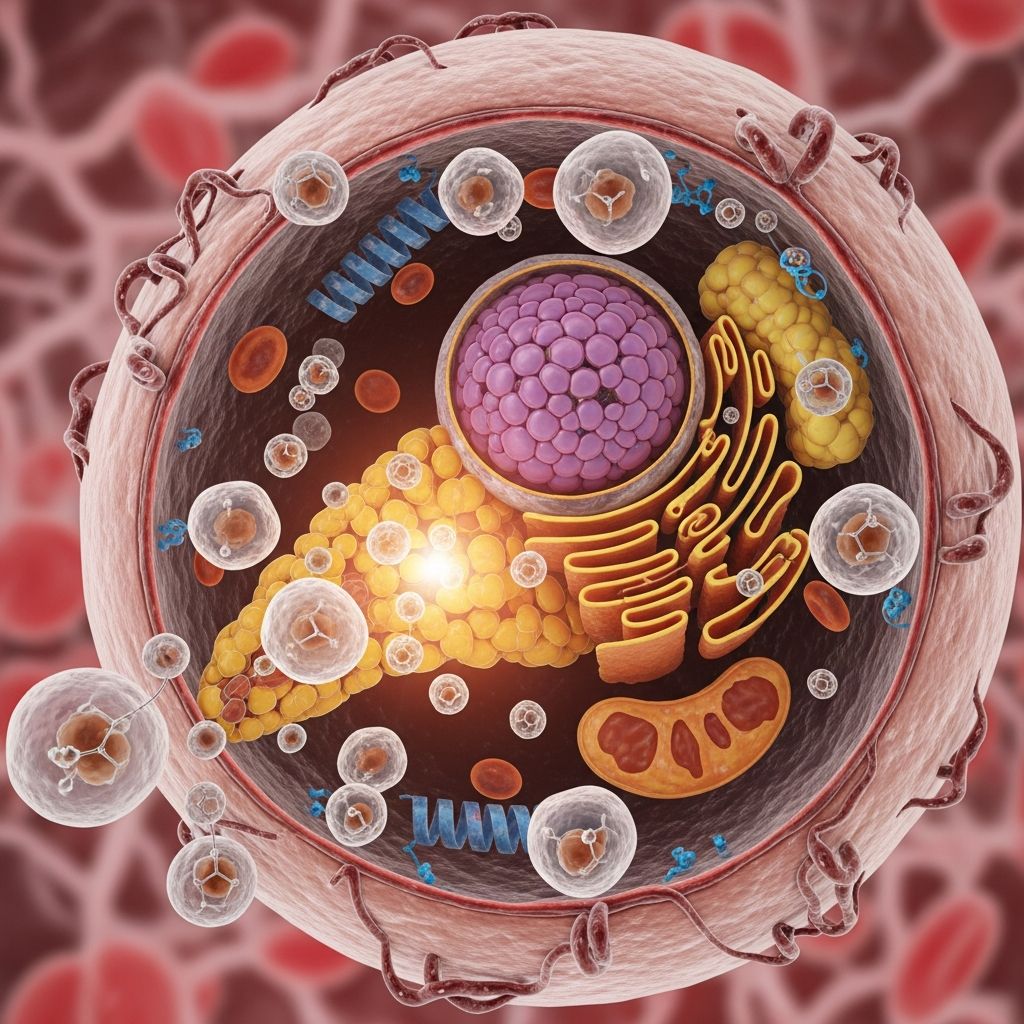
Deep inside your child’s abdomen sits a small organ with a big job: the pancreas. Within that pancreas live tiny cells called beta cells, which quietly help keep blood sugar in a healthy range every single day. Understanding what beta cells do can make the idea of blood sugar and diabetes far less confusing for parents and kids alike.
Where Beta Cells Live and What They Do
Beta cells are a special group of cells in the pancreas that make and release insulin, the hormone that helps sugar move from the blood into the body’s cells. When everything works well, this process keeps your child’s energy steady and supports normal growth and development.
- The pancreas sits behind the stomach and has both digestive and hormone-making roles.
- Inside the pancreas are tiny clusters of hormone-producing cells often called “islets.” Beta cells make up a large part of these clusters.
- Beta cells’ main job is to sense how much sugar is in the blood and adjust insulin release to match.
How Beta Cells Help Use Food as Fuel
Every meal or snack your child eats eventually breaks down into nutrients, including glucose, a simple sugar that travels in the bloodstream. Beta cells act like sensors, constantly checking how much glucose is present and deciding how much insulin is needed at any moment.
- After eating, blood sugar rises as the body digests carbohydrates.
- Beta cells respond by releasing stored insulin and then making more.
- Insulin works like a “key,” helping sugar move from blood into muscles, the liver, and other tissues to be used or stored.
The Insulin “Key” and Cell “Locks”
A helpful way to explain beta cells to children is to describe insulin as a key and the body’s cells as doors with locks. Sugar cannot enter cells on its own; it needs the right key to open the door. Beta cells provide those keys by making insulin.
- When beta cells sense higher blood sugar, they send out more insulin keys.
- Cell surfaces have insulin “locks” (receptors) that recognize insulin.
- Once insulin binds to these receptors, sugar can move from the blood into the cell.
Beta Cells, Energy, and Growing Bodies
Children’s bodies are constantly growing, repairing, and learning, which requires a steady supply of energy. Healthy beta cells support this by keeping blood sugar in a stable range and delivering enough fuel to the brain, muscles, and organs.
- Stable blood sugar helps kids concentrate better at school and during play.
- Insulin allows cells to store extra energy, which is important during growth spurts.
- When beta cells work well, the body balances using and storing sugar efficiently.
What Happens When Beta Cells Struggle?
Problems with beta cells can lead to issues with blood sugar levels. When these cells cannot make enough insulin, or when the body cannot use insulin properly, blood sugar may become too high for too long. Over time, this can lead to diabetes.
- In some conditions, the immune system mistakenly attacks beta cells.
- In others, the body becomes less responsive to insulin, forcing beta cells to work overtime.
- If the strain continues, beta cells may become exhausted and less able to do their job.
Beta Cells and Type 1 Diabetes
In type 1 diabetes, the body’s own immune system targets and destroys beta cells. Without enough beta cells, the pancreas can no longer produce the insulin needed to control blood sugar. Children with type 1 diabetes therefore need insulin from outside the body to replace what their beta cells can no longer supply.
- Type 1 diabetes is not caused by eating too much sugar or by anything a child did “wrong.”
- It is an autoimmune condition, meaning the immune system attacks healthy cells by mistake.
- Because beta cells are damaged or destroyed, insulin injections or an insulin pump become essential.
Beta Cells and Type 2 Diabetes
In type 2 diabetes, the story is usually more gradual. The body’s cells become less sensitive to insulin, a problem called insulin resistance. To compensate, beta cells try to make and release more insulin than usual. Over time, this extra workload can cause beta cells to become less effective.
- At first, the pancreas may keep up by producing extra insulin.
- Eventually, beta cells may not be able to produce enough to overcome insulin resistance.
- When this happens, blood sugar rises and stays high, leading to type 2 diabetes.
Table: Beta Cells in Type 1 vs. Type 2 Diabetes
| Feature | Type 1 Diabetes | Type 2 Diabetes |
|---|---|---|
| Main beta cell problem | Immune system attacks and destroys beta cells | Beta cells overworked due to insulin resistance, then lose function |
| Insulin production | Little or no natural insulin | Often high at first, then declines over time |
| Usual age of onset | Commonly in childhood and adolescence | More common in adults, but increasingly seen in teens |
| Core treatment focus | Providing insulin from outside the body | Improving insulin sensitivity and sometimes adding medicines or insulin |
Recognizing When Blood Sugar Is Out of Balance
Because beta cells influence blood sugar, clues that blood sugar is too high or too low can sometimes suggest that something is wrong. Parents do not need to know every medical detail, but recognizing common warning signs helps with getting timely care.
- High blood sugar may cause increased thirst, frequent urination, tiredness, or weight changes.
- Very low blood sugar, often related to insulin treatment, can cause shakiness, sweating, hunger, or behavior changes.
- Any concerning pattern should be discussed with a healthcare professional.
How Doctors Check on Beta Cell Function
There is no simple home test that directly measures beta cell health, but doctors use blood tests and medical history to understand how well the pancreas and insulin system are working. These tests look at blood sugar over time and how the body responds to glucose.
- Fasting blood glucose and A1C tests show average blood sugar levels.
- In some cases, doctors may measure insulin or related hormones to estimate beta cell activity.
- Test results guide treatment decisions, such as whether medicines or insulin are needed.
Beta Cells and Everyday Life with Diabetes
For families living with diabetes, much of daily care is about cooperating with the work that beta cells can or cannot do. The goal is to help insulin, whether produced naturally or given as medicine, keep blood sugar in a safe range so children can live active and fulfilling lives.
- Blood sugar checks show how well insulin and food are balanced.
- Insulin doses are often adjusted based on meals, physical activity, and blood sugar trends.
- Over time, children and parents become more confident in recognizing patterns and making small adjustments.
Supporting Overall Health (Even If Beta Cells Are Damaged)
While there is no simple way for families to “fix” beta cells at home, many healthy habits make it easier for the body to use insulin well and reduce stress on the system as a whole. These habits are helpful for children with or without diabetes.
- Balanced nutrition with vegetables, fruits, whole grains, lean proteins, and healthy fats.
- Regular physical activity, such as walking, biking, dancing, or sports.
- Regular sleep schedules and stress management, since poor sleep and stress can influence blood sugar.
Talking to Kids About Beta Cells
Simple, reassuring explanations help children feel more in control of their health. The aim is not to turn kids into medical experts, but to give them age-appropriate understanding of what is happening in their bodies.
- Use everyday comparisons, like “helpers” or “keys,” instead of complex scientific terms.
- Emphasize that diabetes is manageable and does not stop them from doing the things they love.
- Invite questions and answer honestly, saying “Let’s ask your doctor” when needed.
Working With Your Child’s Care Team
Health professionals—pediatricians, endocrinologists, diabetes educators, and dietitians—are partners in caring for your child’s beta cells and blood sugar. Regular checkups allow the care team to spot changes early and adjust the plan as your child grows.
- Bring written questions to appointments so nothing gets forgotten.
- Share patterns you notice at home, such as frequent lows after sports or highs in the morning.
- Ask for education and resources that match your child’s age and learning style.
Frequently Asked Questions About Beta Cells
Are beta cells only important for people with diabetes?
No. Beta cells are essential for everyone because they help keep blood sugar in a healthy range. People without diabetes usually never think about beta cells because the system runs quietly in the background, but the same cells are working in every body.
Can beta cells grow back?
Research is ongoing to understand how much beta cells can repair themselves or be replaced. In some situations, beta cells may recover some function, while in others, especially after strong immune system attacks, they may be permanently lost. Any treatments aimed at restoring beta cells are still closely studied and guided by specialists.
Does eating sugar destroy beta cells?
Eating sugar in normal amounts does not suddenly destroy beta cells. However, long-term patterns of very high calorie intake, low activity, and weight gain can contribute to insulin resistance, which puts extra stress on beta cells. Healthy habits support the entire insulin system and are encouraged for everyone.
Is type 2 diabetes in children always caused by lifestyle?
No. While body weight, activity level, and nutrition patterns play a role, there are also genetic and biological factors that affect how beta cells and insulin work. Blaming a child or family is never helpful; the focus is on understanding risks and supporting healthier choices together.
What questions should parents ask the doctor about beta cells?
Parents can ask how well the child’s body is using insulin, what blood tests show about long-term blood sugar, and whether the current treatment plan protects the pancreas as much as possible. It is also useful to ask what signs would suggest that beta cells are struggling more and when to contact the care team between visits.
Key Takeaways for Parents
- Beta cells are small cells in the pancreas that make insulin and help control blood sugar.
- These cells are central to both type 1 and type 2 diabetes, but in different ways.
- Even when beta cells are damaged, children can live full, active lives with the right care and support.
- Healthy food, regular movement, enough sleep, and good communication with the care team all support better blood sugar management.
By understanding how beta cells work, parents can better support their children, ask informed questions, and face diabetes—or the risk of it—with confidence and hope.