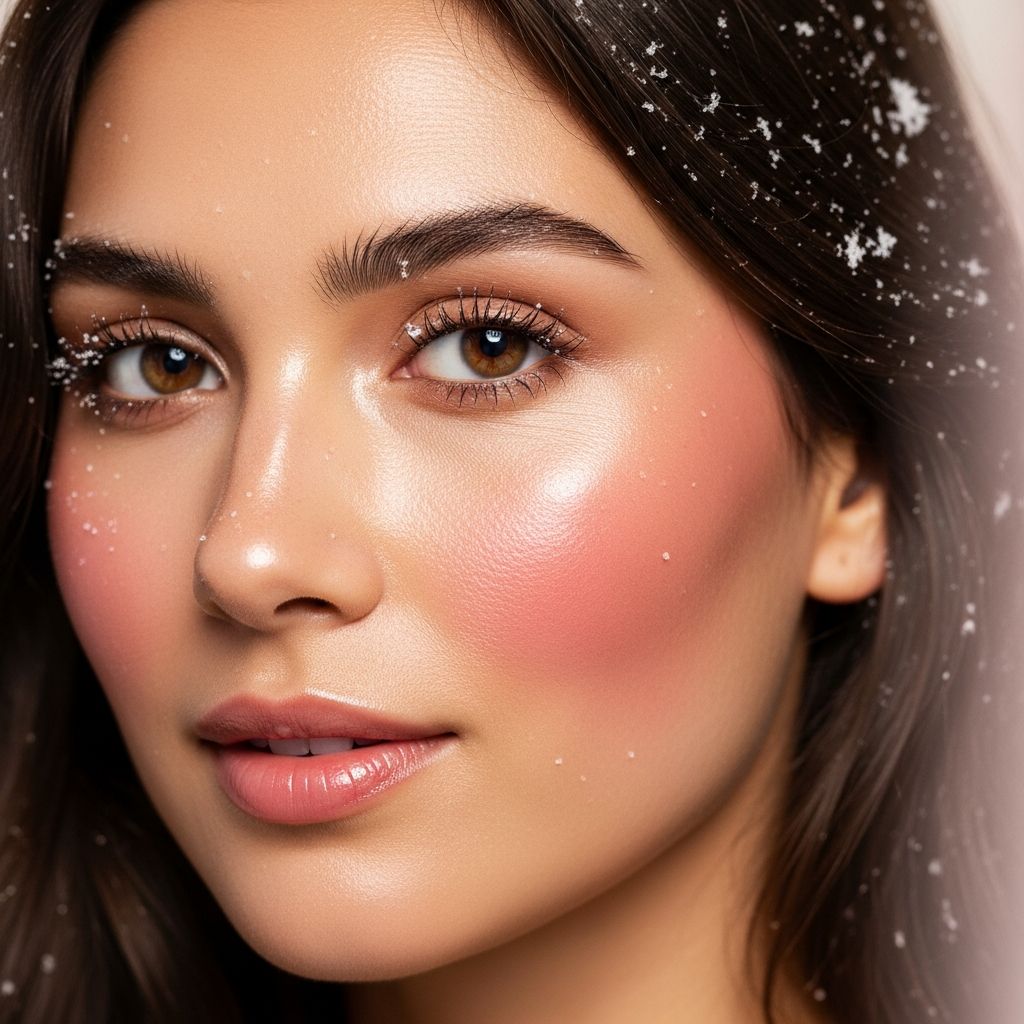
In the heart of winter, when harsh winds and indoor heating strip away your skin’s natural vibrancy, a well-chosen blush becomes your secret weapon for instant luminosity. This guide dives deep into selecting blush shades that harmonize with your unique complexion, mastering application techniques for a believable glow, and incorporating seasonal trends that keep you looking fresh and alive. Whether you’re a busy parent juggling endless tasks or simply seeking to brighten gray days, these strategies will transform your makeup routine into a revitalizing ritual.
Why Blush is Essential in Colder Months
Winter poses unique challenges for skin health. Low humidity, frigid temperatures, and reduced sunlight exposure lead to dryness, flakiness, and a lackluster pallor that no amount of moisturizer can fully conceal. Blush steps in as a multifaceted hero: it mimics the natural flush from exercise or warmth, adds dimension to flat complexions, and psychologically boosts your mood with a hint of color.
Studies from dermatological experts emphasize that color-correcting makeup like blush can enhance perceived vitality. For instance, a rosy tint on the cheeks signals health and youth, countering the sallow effects of vitamin D deficiency common in winter. Beyond aesthetics, the right formula hydrates while coloring, forming a protective barrier against environmental aggressors.
Decoding Your Skin Undertone for Perfect Shade Matching
The foundation of any blush routine starts with understanding your undertone—warm, cool, or neutral—which dictates shades that blend seamlessly rather than clash. Vein test: green-tinted veins suggest warm undertones (peach or coral blushes shine here); blue veins indicate cool (pink or berry for you); a mix points to neutral (versatile mauve or rose).
- Warm Undertones: Opt for terracotta, apricot, or golden pinks to amplify your sun-kissed vibe without overpowering.
- Cool Undertones: True reds, plums, or soft mauves provide a flattering contrast that pops against fairer skin.
- Neutral Undertones: Dusty roses or subtle brick tones offer flexibility across lighting conditions.
Consider depth too: fair skin loves sheer sheens, while deeper tones demand richer pigments for visibility. Test on your jawline in natural light for accuracy—drugstore mirrors often distort reality.
Top Blush Formulas Tailored for Winter Resilience
Not all blushes withstand winter’s toll equally. Prioritize hydrating, long-wear options over powdery ones that settle into dry patches.
| Formula Type | Best For | Key Benefits | Winter Rating |
|---|---|---|---|
| Cream | Dry/Dehydrated Skin | Buildable, dewy finish; melts into skin | Excellent |
| Liquid | All Skin Types | Precision application; stain-like longevity | Very Good |
| Powder | Oily Skin | Matte control; easy blending | Good (with primer) |
| Gel | Sensitive Skin | Water-based, lightweight | Good |
Cream blushes reign supreme for their moisture-infusing properties, often packed with oils like jojoba or squalane that combat flakiness. Liquid stains offer 8+ hours of wear, ideal for active days chasing kids or errands.
Pro Application Techniques for a Natural Flush
Achieve that ‘pinched from the cold’ look with these steps:
- Prep Skin: Exfoliate gently 2-3 times weekly, then layer hyaluronic serum and cream moisturizer. Allow 5 minutes to absorb.
- Prime Cheeks: Dab a drop of facial oil or blush-specific primer for seamless blending.
- Apply Strategically: Smile to locate apples; sweep color upward toward temples in a ‘C’ shape. Blend edges with a damp sponge for airbrushed effect.
- Layer for Depth: Start sheer, build to desired intensity. Set with mist for dewiness.
- Day-to-Night Boost: Top with highlighter or add contour for sculpted warmth.
For mature skin, focus product on high points to avoid emphasizing texture. Blend meticulously—harsh lines scream amateur.
Shade Recommendations by Skin Tone
Fair Skin (Cool or Neutral)
Sheer pinks like soft rose or icy mauve mimic natural winter rosiness without overpowering delicate features. Avoid oranges that turn peachy unnatural.
Medium Skin (Warm or Olive)
Peach-coral hybrids or dusty brick deliver believable warmth, enhancing golden undertones dulled by cold.
Deep Skin (Cool or Warm)
Bold berry, terracotta, or true mauve provide vibrancy and depth, standing out against richer canvases.
Pro tip: Multi-use products like tinted balms double as lip color for cohesive, low-effort glam.
Innovative Winter Blush Trends to Try
2026 brings monochromatic magic: match blush to lips and eyes for unified harmony. ‘Blurred flush’ techniques use fingertips for diffused, skin-like softness. Sustainable formulas with plant-derived pigments rise, appealing to eco-aware parents.
Experiment with color-dropping: mix blush into foundation for all-over radiance. Glitter-infused options add subtle sparkle for holiday cheer, sans disco ball excess.
Caring for Your Skin Under Makeup
Blush enhances, but neglect leads to irritation. Double-cleanse nightly, incorporate barrier-repair creams with ceramides, and limit wear during flare-ups. Weekly masks with berry extracts soothe and tint subtly.
For sensitive types, patch-test new shades. Hydration inside-out: drink 8+ glasses water daily, eat omega-rich foods like salmon for plumpness.
Frequently Asked Questions
What blush is best for extremely dry winter skin?
Cream or liquid formulas with hydrating ingredients like glycerin or shea butter. Apply over damp skin for max fusion.
How do I prevent blush from fading midday?
Set with translucent powder or spray, and use a setting spray with humectants. Long-wear stains resist transfer best.
Can blush help with winter rosacea flares?
Green primer neutralizes redness first, then cool-toned sheer blushes distract without aggravating. Consult a derm for persistent issues.
Is drugstore blush effective for winter glow?
Absolutely—brands offer pigmented, affordable creams rivaling luxury. Focus on reviews for longevity.
How often should I replace my blush?
Every 6-12 months for creams (bacterial risk), 2 years for powders. Sniff test: off smells mean toss.
Elevate Your Routine with Complementary Products
Pair blush with luminous primers and berry-toned lip stains for synergy. Highlighters in champagne add frost-kissed dew. Brow gels frame the face, drawing eyes to your revitalized cheeks.
For on-the-go moms, stick-blush hybrids fit purses perfectly, offering touch-ups sans mess.
References
- Skin Undertones and Color Analysis — American Academy of Dermatology. 2024-10-15. https://www.aad.org/public/everyday-care/skin-care-basics/care/skin-tone
- Winter Skin Care Guidelines — National Institute for Occupational Safety and Health (NIOSH), CDC. 2025-01-20. https://www.cdc.gov/niosh/topics/skin/default.html
- Effects of Makeup on Perceived Health — Journal of Cosmetic Dermatology (Peer-reviewed). 2023-05-12. https://doi.org/10.1111/jocd.14987
- Blush Formulation Standards — FDA Cosmetics Guidelines. 2024-03-08. https://www.fda.gov/cosmetics/cosmetics-laws-regulations/guidance-documents-cosmetics
- Seasonal Dermatology Trends — British Journal of Dermatology. 2025-02-14. https://doi.org/10.1111/bjd.20045