Water play can be one of the most joyful parts of toddlerhood, transforming baths, backyards, and balconies into mini-adventures. The right toys and a well-thought-out setup turn simple splashes into opportunities for learning, movement, and connection with caregivers. This guide walks through what to buy, how to use it, and how to keep everything safe and stress-free.
Why Water Play Matters for Toddlers
For toddlers, water is not just for getting clean—it is a constantly changing material to pour, splash, scoop, and explore. That combination of motion, sound, and texture helps build coordination, body awareness, and early problem-solving skills.
Done thoughtfully, water play can support:
- Sensory development through temperature, pressure, and movement.
- Fine and gross motor skills as children pour, squeeze, reach, and run.
- Emotional regulation, since water can be soothing and repetitive.
- Language growth as adults describe actions, tools, and pretend stories.
Types of Water Toys Toddlers Love
There is no single “best” water toy. The most useful options are simple, sturdy, and flexible enough for open-ended play. Mixing a few categories keeps things interesting without overwhelming your child.
1. Pouring, Scooping, and Filling Toys
Any toy that lets toddlers move water from one place to another is a win. These toys help toddlers understand capacity and cause-and-effect while strengthening hand muscles.
- Measuring cups and pitchers: Easy to grip, great for pouring practice.
- Small buckets and pails: Perfect for sinking, filling, and carrying.
- Funnels and watering cans: Let toddlers explore flow and direction.
- Ladles and scoops: Encourage hand-eye coordination and focus.
Try offering containers with different shapes and sizes so your toddler can notice which ones feel heavier when full, which pour faster, and which are easier to control.
2. Floating Friends and Boats
Floating toys add a playful science lesson to the tub or pool. Toddlers can test what sinks, what floats, and what happens when they push water around the toy.
- Rubber or silicone animals: Gentle to touch, easy to grab with wet hands.
- Simple boats: Great for pushing across the water or “ferrying” other toys.
- Floating rings or discs: Can be stacked, spun, and chased across the surface.
Look for toys with minimal or sealed seams so water cannot easily get trapped inside and grow mold.
3. Water Tables and Sensory Bins
Water tables and bins bring the fun of water down to toddler height, making them perfect for patios, backyards, and even indoor spaces lined with towels. The raised surface supports upright posture and gives plenty of room for multiple children.
- Standalone water tables: Often come with built-in ramps, spinners, or sections to separate activities.
- Plastic storage bins: Budget-friendly and portable; can be placed on a low table or the floor.
- Dual sand-and-water stations: Combine textures for richer sensory exploration.
Consider choosing a design with a drain plug to make clean-up easier and to encourage regular water changes for hygiene.
4. Sprinklers, Splash Pads, and Mini Pools
Outdoor water features are ideal for hot days and high-energy toddlers. They encourage running, jumping, and whole-body movement.
- Low-pressure sprinklers: Gentle streams that toddlers can run through or investigate slowly.
- Inflatable splash pads: Shallow play areas that combine sprinkling water with a soft surface.
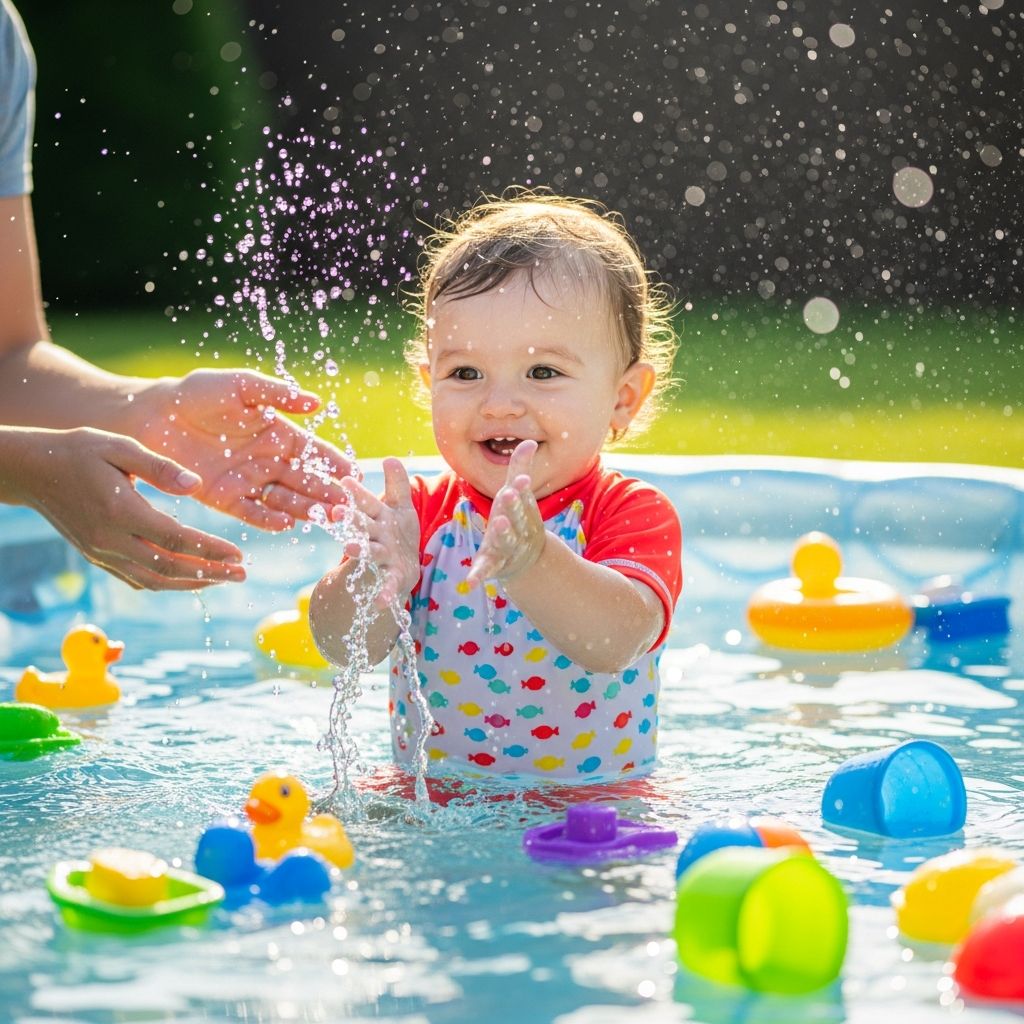
- Small inflatable or rigid kiddie pools: Simple to fill and easy to customize with loose toys.
Always keep the water level shallow for toddlers and position these toys on flat, non-slippery ground away from hard edges or steps.
5. Squirters, Pumps, and Sprayers
Hand-powered water toys teach toddlers about pressure and control while strengthening their fingers and wrists. They can also be used to water plants or wash outdoor toys, which many toddlers find deeply satisfying.
- Soft squeeze toys: Animals or shapes that draw in water and spray out when squeezed.
- Hand pumps and turkey basters: Show the link between squeezing and movement of water.
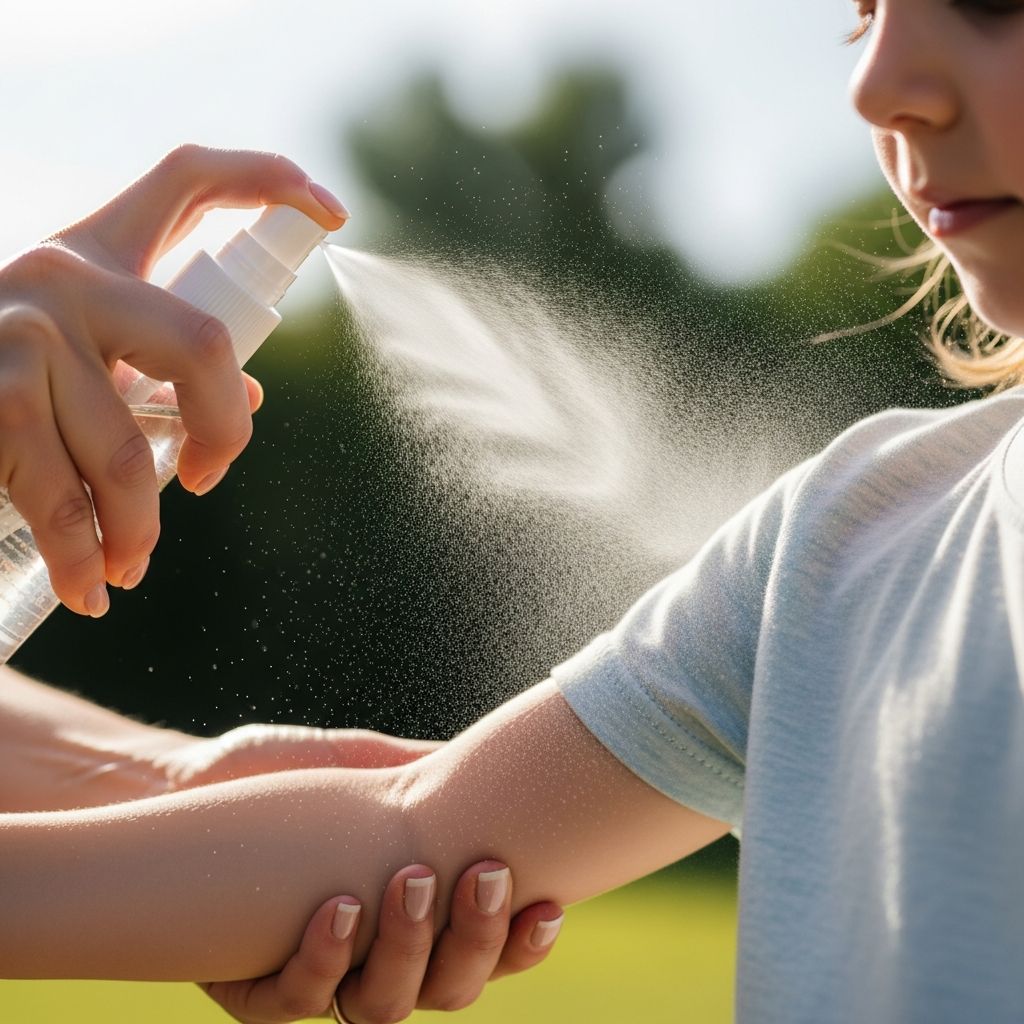
- Gentle spray bottles: For supervised use, especially fun for “washing” windows or outdoor furniture.
Skip anything with high pressure, sharp nozzles, or triggers that are too stiff for little hands.
Age-Appropriate Choices: What to Use When
Not all water toys are suitable for every toddler. Choosing age-appropriate items reduces frustration and keeps play safer. The table below offers general guidance; always follow your child’s pace and manufacturer recommendations.
| Age range | Recommended water toys | Skills supported |
|---|---|---|
| 12–18 months | Soft cups, small buckets, shallow bins, large floating animals | Basic grasping, sensory exploration, early cause-and-effect |
| 18–24 months | Simple water tables, boats, funnels, gentle sprinklers | Hand-eye coordination, balance, object permanence |
| 2–3 years | Spray bottles, squeeze toys, splash pads, themed play sets | Fine motor strength, pretend play, turn-taking |
| 3+ years | More complex water tracks, simple targets, obstacle-style sprinklers | Planning, problem-solving, cooperative games |
Safety First: Ground Rules for Water Toys
Water play does not have to be risky, but it always requires careful supervision and simple safety habits. Even small amounts of water can be dangerous for young children if adults are distracted or too far away.
- Maintain constant, close supervision: Stay within arm’s reach, especially near any standing water.
- Use shallow water: A few inches are enough for fun while lowering risk.
- Check for choking hazards: Avoid toys with detachable small parts or loose plugs.
- Inspect surfaces: Choose non-slip mats in baths and level, soft ground outside.
- Protect from sun and cold: Use shade, protective clothing, and limit time in very hot or chilly conditions.
After play, drain containers and pools fully so there is no standing water left unattended. This step also prevents insects from breeding in leftover puddles.
Setting Up Engaging Water Play Spaces
The same simple toys can feel fresh and exciting if you rotate them and change the setting. A thoughtful setup also reduces mess and makes clean-up quicker.
Indoor Water Play Ideas
Indoor play is ideal for days when the weather is too hot, cold, or stormy. Bath time is the obvious choice, but a plastic tub on the kitchen floor can be just as fun.
- Place a large towel or waterproof mat under a shallow bin of water and offer a few cups and scoops.
- Use the bathtub as a mini “lab” with colored bath tablets, strainers, and boats.
- Invite your toddler to “wash” plastic animals, toy cars, or play dishes in soapy water.
Keeping the toy selection small—just a few items at a time—can help your child focus and makes cleanup less overwhelming.
Outdoor Water Play Ideas
Outdoor spaces invite bigger movements and louder splashes. With a little planning, you can turn a small patch of yard, driveway, or balcony into a seasonal water station.
- Set up a water table with a few pouring tools and rotate in new accessories weekly.
- Use a gentle sprinkler and invite your toddler to run, jump, or walk slowly through it.
- Create a “car wash” for ride-on toys using buckets, sponges, and spray bottles.
Have a dedicated drying rack or basket for wet toys so they can drain thoroughly between uses and last longer.
Learning Through Water Play: Simple Activity Ideas
Water play does not need to be “academic” to be educational. A few intentional prompts from you can help your toddler explore early math, science, and language concepts while still feeling like play.
Early Science and Math Concepts
Water naturally invites experimenting, measuring, and comparing. Encourage curiosity by asking open-ended questions instead of giving instructions.
- Offer containers of different sizes and ask, “Which one holds more?”
- Drop in objects and wonder aloud, “Do you think this will float or sink?”
- Let your toddler block and release water from a funnel to see how flow changes.
Through these experiments, toddlers start to notice cause and effect, volume, and basic properties like heavy vs. light or full vs. empty.
Sensory and Emotional Benefits
Many toddlers find the feel and sound of running water calming, especially when the environment is predictable and not too noisy. Slow, repetitive motions such as pouring, squeezing sponges, or gently stirring bubbles can help them settle after a busy day.
- Invite your child to squeeze a sponge from one bowl to another, counting each squeeze.
- Encourage slow “rain” using a ladle or cup with small holes.
- Play soft music and dim the lights during evening baths to create a soothing atmosphere.
Pay attention to your toddler’s cues; if they seem overwhelmed by splashing or noise, lower the energy level and offer quieter, slower activities.
Language and Imagination
Water is a perfect backdrop for pretend stories. Naming toys, describing actions, and narrating what your toddler does gives them a rich language model to absorb.
- Turn the tub into an “ocean” for sea creatures or a “car wash” for toy vehicles.
- Label actions like “pour,” “splash,” “float,” and “sink” during play.
- Ask simple questions such as “Where is the boat going?” or “Who needs a wash next?”
These small conversations support vocabulary, sentence structure, and storytelling skills, all wrapped in a fun, low-pressure activity.
Cleaning and Caring for Water Toys
Because water toys are frequently wet and sometimes left outdoors, they benefit from regular cleaning. Clean toys are safer for toddlers and last longer, saving money over time.
- Rinse after each use: Remove soap, dirt, and outdoor debris.
- Air dry thoroughly: Place toys in a ventilated spot, not a closed bin, so moisture can escape.
- Deep-clean periodically: Wash with mild soap and water or a gentle vinegar solution, following manufacturer guidelines.
- Inspect for damage: Discard toys that crack, split, or trap water where you cannot clean.
Labeling a small basket as the “water toy bin” helps children learn where items belong and makes it easier to manage your rotation of favorites.
Budget-Friendly Water Play Alternatives
You do not need specialized toys to create meaningful experiences. Many items you already own can safely join the fun if they are durable, non-breakable, and large enough to avoid choking risks.
- Kitchen tools such as plastic measuring cups, ladles, and colanders.
- Clean, empty containers from yogurt, food storage, or drink bottles (with smooth edges).
- Old washcloths, sponges, and small towels for squeezing and scrubbing.
- Recycled plastic bottles with holes poked by an adult to create DIY “rain” shakers.
Rotating these simple items in and out can keep water play feeling fresh without filling your home with extra gear.
Frequently Asked Questions About Toddler Water Toys
How old should my toddler be to start water play?
Water play can start in infancy with very shallow water, gentle pouring, and close adult contact, but more independent exploration usually begins between 12 and 18 months. At this age, toddlers can sit steadily, reach for toys, and follow basic safety cues with help.
How long should water play sessions last?
Most toddlers enjoy water play in short bursts of 10–30 minutes, depending on the temperature and their attention span. Watch for signs of shivering, pruney fingers, or irritability as signals that it is time to take a break and warm up.
What should my child wear for outdoor water play?
Lightweight swimwear, a hat, and water-friendly shoes with grip are ideal for outdoor water play. Add a long-sleeved rash guard and sunscreen if your child will be in the sun, and always have a dry towel and change of clothes ready.
Are bath crayons, foams, or color tablets safe?
Many bath art products are designed specifically for children, but it is still wise to read labels and choose options made without harsh fragrances or dyes. Introduce new products slowly so you can watch for any skin sensitivity or irritation.
What if my toddler is afraid of water?
Fear of water is common and can be eased by starting small and letting your child move at their own pace. Try offering a damp washcloth, a tiny amount of water in a bin, or letting them play beside the water before directly in it, always keeping your tone relaxed and supportive.
Making the Most of Every Splash
With thoughtful choices and a focus on safety, water toys can turn everyday routines into rich, memorable experiences. Whether your toddler is stirring bubbles in the bath or racing boats across a backyard pool, each splash is a chance to build skills, confidence, and connection. The goal is not to own every gadget, but to create a calm, inviting space where your child can explore at their own pace—one joyful droplet at a time.