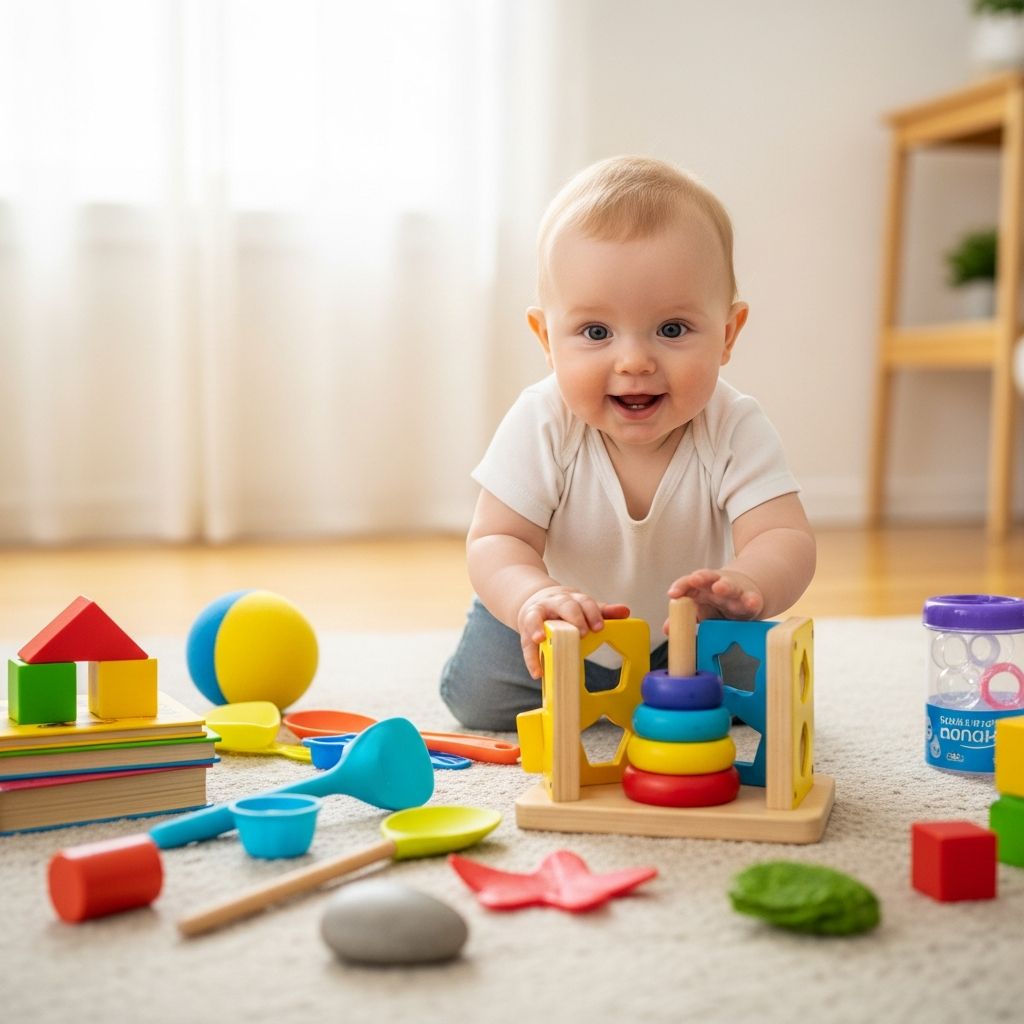
At around six months, babies become more active, curious, and eager to interact with the world. The right toys can turn this exciting stage into daily opportunities for learning, bonding, and fun.
Why Six Months Is a Big Turning Point
By six months, many babies are starting to sit with support, grab objects on purpose, and explore everything with their hands and mouths. Toys that match these new skills can help strengthen muscles, support brain development, and encourage early problem solving.
Instead of focusing on the fanciest or most expensive gadgets, it helps to understand which abilities are emerging now and how simple, well-chosen toys can nurture them day by day.
Key Skills Your 6-Month-Old Is Practicing
Every baby develops at an individual pace, but many 6-month-olds are working on a similar set of skills. When you know what is changing in your baby’s body and brain, it becomes easier to choose toys with real developmental benefits.
- Motor skills: Rolling, sitting with support, reaching with more accuracy, and transferring toys from one hand to the other.
- Hand–eye coordination: Grabbing toys they see, passing objects between hands, and intentionally releasing toys.
- Sensory exploration: Using sight, sound, touch, and taste to investigate objects; enjoying crinkles, rattles, and different textures.
- Early communication: Babbling more, laughing, responding to their name, and enjoying back-and-forth social games.
- Cognitive growth: Starting to understand cause and effect (“If I shake this, it makes noise”) and showing preferences for favorite toys and people.
Your toy choices can gently challenge these emerging skills without overwhelming your baby.
Safety Checklist for Toys at Six Months
Safety always comes before style or features. Babies at this age put almost everything in their mouths and can unexpectedly roll or lunge toward interesting objects, so it is essential to choose toys that minimize risks.
- No small parts: Avoid pieces that can fit through a toilet-paper tube; these could pose a choking hazard.
- Sturdy construction: Choose toys that do not easily crack, splinter, or shed small pieces like buttons, beads, or loose stuffing.
- Non-toxic materials: Look for BPA-free plastics, untreated or safely finished wood, and food-grade silicone for teething toys.
- Secure seams and stitching: On soft toys, seams should be tight, with embroidered rather than glued-on eyes and details.
- No long cords or straps: Skip anything with strings or cords longer than about 20 cm to reduce strangulation risks.
- Easy to clean: Prefer toys that can be wiped down, boiled, or machine-washed to keep them hygienic.
Types of Toys That Shine at Six Months
The best toys for this age are simple, open-ended, and designed for repeated use in different ways as your baby grows. Below are core categories that tend to work well for many families.
Soft Sensory Toys and Cloth Books
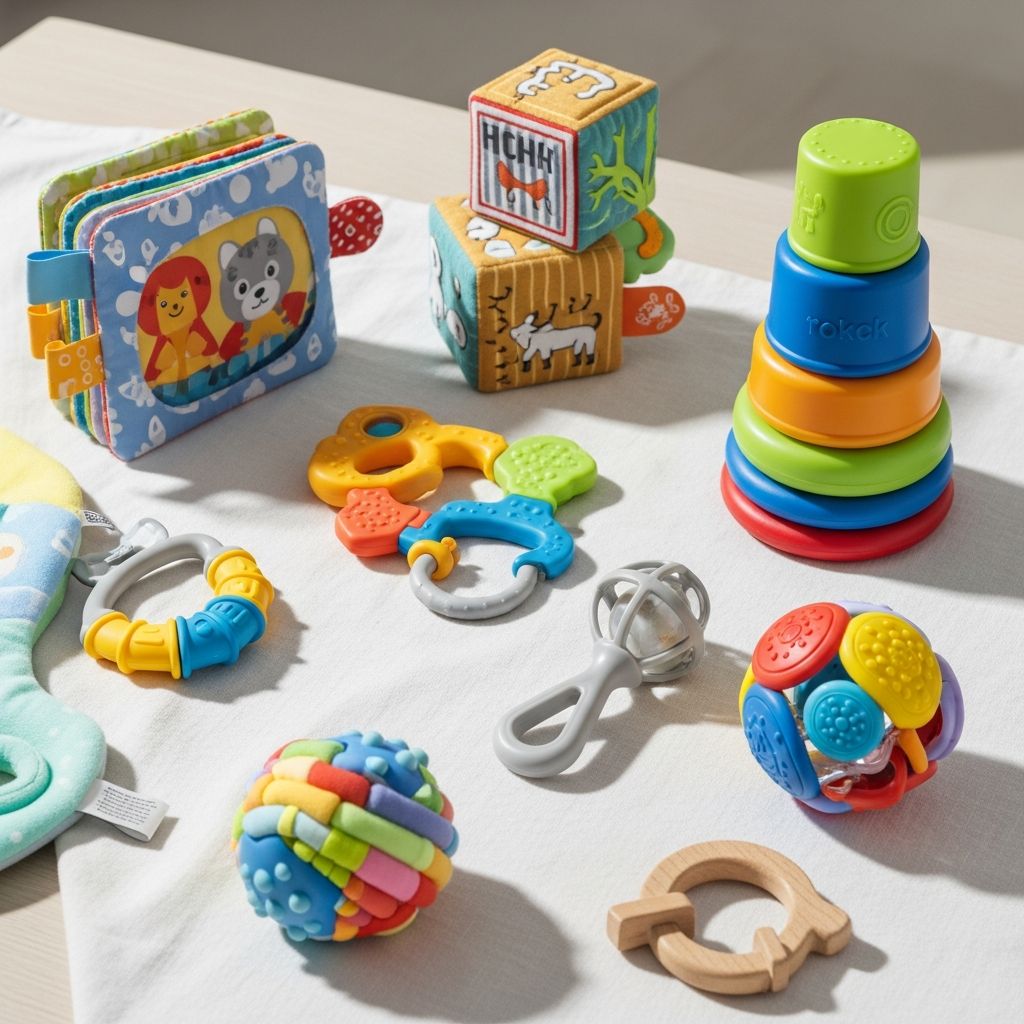
Soft toys and fabric books let babies squeeze, crinkle, and chew without getting hurt. These toys often combine textures, colors, and gentle sounds to keep your baby’s attention during tummy time or quiet play on your lap.
- Choose cloth books with high-contrast images, fabric flaps, or simple textures.
- Look for plush toys that are lightweight, easy to grasp, and machine-washable.
- Use these toys to introduce simple words, like “soft,” “rough,” or color names.
Rattles and Easy-to-Grip Shakers
Rattles and shakers are classic for a reason: they teach cause and effect while training tiny muscles. At six months, babies are learning that their movements can change what they see and hear.
- Select rattles with slim handles, loops, or cut-outs that are easy for small hands to grab.
- Alternate between quiet and slightly louder rattles so your baby experiences different sound levels.
- Use rattles for tracking games, slowly moving them side to side while your baby follows with their eyes.
Teethers and Chewable Toys
Many babies begin teething around this age, making safe chew toys especially soothing. Teethers also help babies practice bringing objects to their mouth with control.
- Pick teethers made from food-grade silicone or natural rubber, free from questionable chemicals.
- Offer a mix of textures (smooth, ridged, bumpy) to massage sore gums.
- Chill, but do not freeze, some teethers for extra relief; avoid gel-filled products that could leak.
Stacking Rings and Simple Cups
Basic stacking toys and nesting cups give your baby a gentle introduction to size, depth, and problem solving. At six months, they may not stack yet, but they can bang, mouth, and explore the pieces.
- Start by handing one ring or cup at a time so your baby can study each piece.
- Later, demonstrate stacking or nesting while they watch and try to copy.
- Use cups in the bath or sensory bin for scooping and pouring when your baby is older.
Rolling Balls and Simple Push Toys
Soft balls and lightweight rolling toys encourage reaching, rolling, and eventually crawling. They invite babies to lean, pivot, and move toward something they want.
- Choose balls that are soft, textured, or have cut-outs for easy gripping.
- Gently roll a ball back and forth between you and your baby on the floor.
- Place a favorite rolling toy just out of reach during supervised tummy time to encourage movement.
Activity Gyms and Play Mats
Play gyms with overhead toys and soft mats support both tummy time and back-lying play. At six months, babies enjoy batting, grabbing, and kicking the hanging toys.
- Look for gyms with detachable toys you can later clip to strollers or car seats.
- Place interesting toys near your baby’s hands and feet to encourage full-body movement.
- Rotate the toys on the gym regularly so your baby keeps discovering something new.
Quick Reference: Toy Ideas by Skill
The table below links common developmental goals at six months with example types of toys. Use this as inspiration rather than a must-buy checklist.
| Developmental Goal | Helpful Toy Types | Simple Play Idea |
|---|---|---|
| Strengthen neck and core muscles | Tummy time mats, soft mirrors, crinkly cloth toys | Place a mirror or bright toy in front of your baby during tummy time to encourage them to lift and turn their head. |
| Practice grasping and releasing | Rattles, ring toys, easy-grip balls | Offer one toy at a time, then gently tug while your baby holds on to build grip strength. |
| Support teething and oral exploration | Silicone teethers, soft chew toys | Rotate a few clean teethers throughout the day and name them (“circle,” “star”) as your baby mouths them. |
| Encourage rolling and early crawling | Soft balls, small rolling animals | Roll a toy just out of reach and cheer when your baby shifts, scoots, or rolls toward it. |
| Build attention and early problem solving | Stacking cups, simple shape rings, cloth books | Show a simple action, like stacking two cups, then let your baby knock them down and explore. |
How Much Playtime Is Enough?
Babies learn in short bursts. At six months, your baby may focus on one toy for just a few minutes before needing a break or a change of activity. That is normal, and forcing longer play sessions is not necessary.
Instead of timing exact lengths of play, aim for many small moments throughout the day when your baby is alert and content. Follow their cues: if they turn away, arch their back, or fuss, it may be time to rest or switch activities.
Simple Daily Play Routines
A predictable rhythm helps you use toys in a meaningful way without filling your home with clutter. Think of toys as tools for connection, not as entertainment that must keep your baby busy alone.
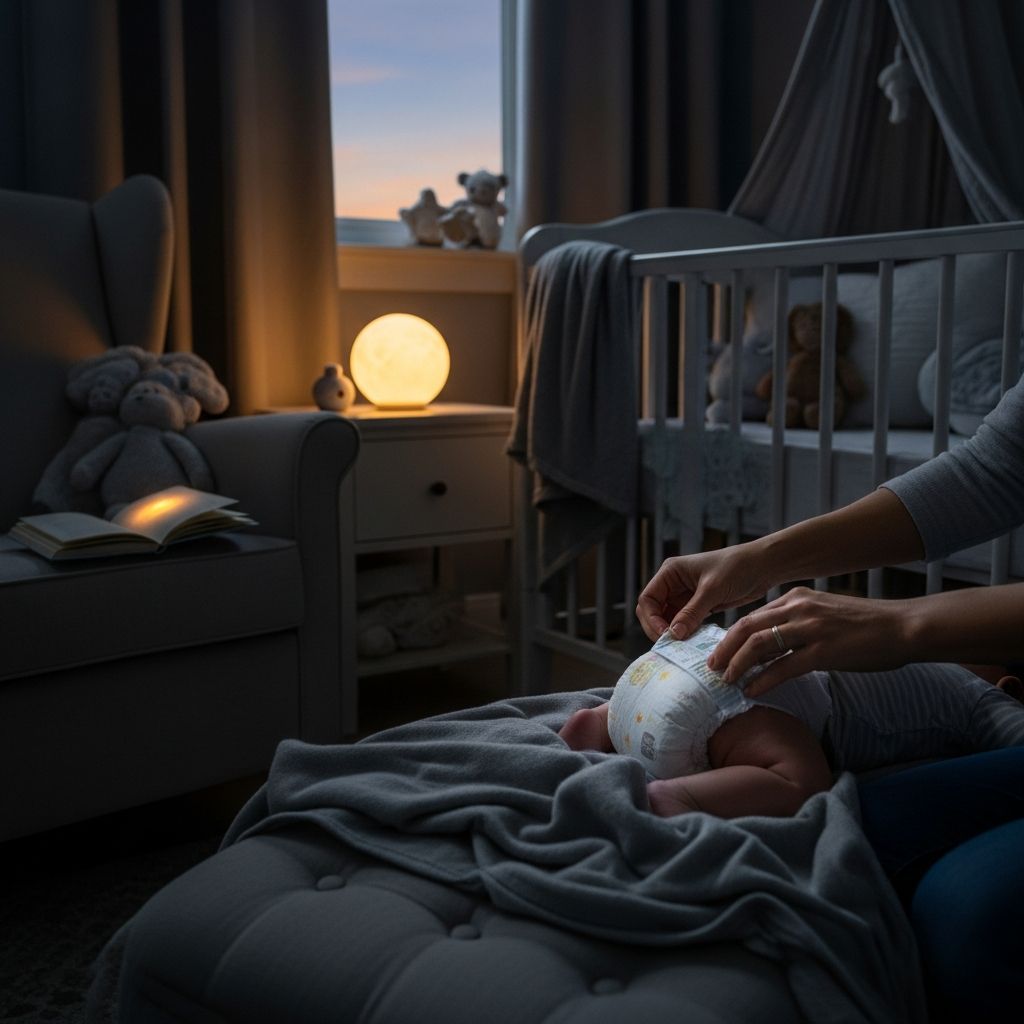
- Morning: After feeding and a diaper change, try a short tummy time session with a soft mirror or crinkly toy.
- Midday: Place your baby on a play mat with a rattle or stacking rings while you sit nearby and talk about what they are doing.
- Afternoon: Use a cloth book or plush toy for snuggly, calm play before a nap.
- Evening: During wind-down time, choose quieter toys and dimmer lights to signal that bedtime is approaching.
Signs a Toy Is Truly Engaging Your Baby
Not every toy will be a hit, and that is okay. A toy is doing its job if it holds your baby’s interest and invites repeated exploration over time.
- Your baby reaches for the toy without prompting.
- They repeat the same action (shaking, banging, mouthing) many times.
- They smile, babble, or kick while playing.
- They seem excited when the toy appears and calm when interacting with it.
If a toy is consistently ignored, consider rotating it out for a week or two and then reintroducing it later. Sometimes a toy becomes interesting only after a new skill develops.
Frequently Asked Questions About Toys for 6-Month-Olds
Do I need a lot of different toys?
No. A small collection of well-chosen toys is usually enough. Babies benefit more from repetition and meaningful interaction with a few favorites than from constant novelty.
Are electronic toys necessary at this age?
Electronic toys with lights and sounds are not required for healthy development. In many cases, simple toys that rely on your voice, touch, and facial expressions provide richer opportunities for learning and bonding.
How often should I rotate toys?
Many families find it helpful to rotate toys every one to two weeks. Keep a few options available and store the rest. When you bring older toys back, your baby may engage with them in new ways.
Is it okay if my baby just chews on toys?
Yes. Mouthing is a primary way babies explore at this age. As long as the toy is safe, clean, and large enough to avoid choking hazards, chewing is a valuable form of sensory learning.
What if my baby seems uninterested in toys?
Some babies prefer people over objects and are more engaged by songs, faces, and motion than by toys. Try combining toys with social interaction, like singing while you shake a rattle or playing peek-a-boo with a soft cloth.
Choosing Toys That Fit Your Family
The “best” toy for a 6-month-old is the one that is safe, loved, and used often. Consider your living space, budget, and daily routines, then select a few toys that genuinely support how your family lives and plays.
Above all, remember that you are your baby’s favorite playmate. Your voice, touch, and attention turn even the simplest toys into powerful tools for connection and growth.